Codie Taylor leads New Zealand to a spine-tingling Haka in historic clash against South Africa

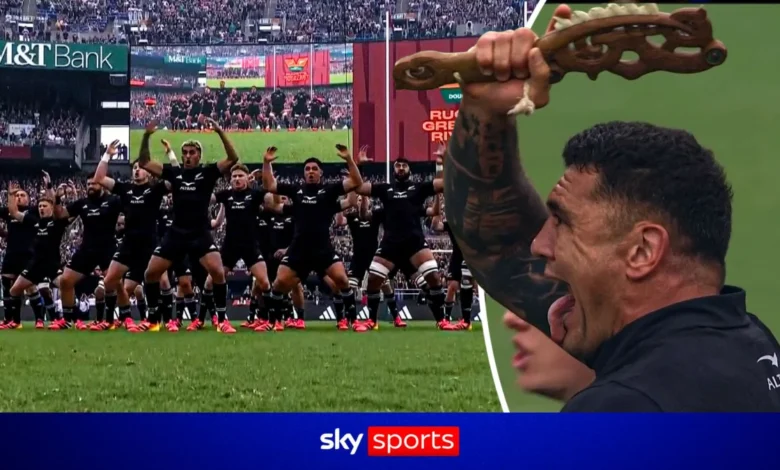
The atmosphere at the stadium reached a fever pitch on Saturday, 12 September 2026, as the New Zealand All Blacks faced off against their perennial rivals, the South African Springboks. Marking a significant moment in the storied rivalry between the two Southern Hemisphere giants, the pre-match proceedings were highlighted by a commanding Haka led by new All Blacks captain Codie Taylor. It was the first time Taylor, a veteran hooker known for his technical prowess and leadership, spearheaded the traditional Māori challenge against the Springboks, setting a tone of intense gravity for the encounter.
The Significance of the Haka in Modern Rugby
The Haka serves as more than a ceremonial opening to international rugby matches; it is a cultural cornerstone of New Zealand rugby identity. When a new captain takes the mantle, their execution of the Haka is scrutinized by fans and historians alike. For Taylor, the responsibility carried extra weight given the magnitude of the opposition. South Africa, often characterized by their physical dominance and tactical discipline, remained impassive as the All Blacks performed the challenge. The standoff, which lasted the traditional duration, underscored the mutual respect and inherent hostility that defines the most competitive fixture in professional rugby union.
Historical Context of the Rivalry
The rivalry between New Zealand and South Africa dates back over a century, with their first encounter occurring in 1921. Since then, the two nations have dominated the global rugby landscape, frequently meeting in Rugby World Cup finals and deciding the outcome of the Rugby Championship.
Historically, these matches are defined by marginal victories and tactical chess matches. Entering this 2026 fixture, the All Blacks sought to reassert their dominance following a period of tactical transition under the current coaching regime. Conversely, the Springboks arrived with a reputation for defensive rigidity, having utilized their "Bomb Squad" rotation strategy to wear down opponents in the final quarter of play. The 2026 clash was seen as a litmus test for both sides as they look toward the next international development cycle.
Chronology of the 2026 Matchday
The buildup to the match began early in the week, with both camps emphasizing the importance of the set-piece battle. By Saturday morning, the streets surrounding the venue were filled with supporters from both nations. The timeline of the main event unfolded as follows:
- 18:00 BST: Team buses arrived at the stadium, with both squads maintaining a focused, business-like demeanor.
- 22:45 BST: Warm-ups concluded, with both teams retreating to the locker rooms for final tactical adjustments.
- 23:05 BST: The teams emerged from the tunnel to a capacity crowd. The national anthems preceded the ceremonial Haka.
- 23:17 BST: Codie Taylor led the All Blacks in the Haka, a performance noted for its precision and synchronized intensity.
- 23:20 BST: Kick-off commenced, initiating 80 minutes of high-intensity play.
Statistical Analysis and Tactical Implications
Data from the opening exchanges of the match highlighted a significant focus on breakdown efficiency. In previous encounters leading up to this date, New Zealand had struggled to maintain possession against the Springboks’ aggressive defensive line. Statistics from the 2024 and 2025 seasons indicated that South Africa’s success rate in disrupting opposition rucks hovered around 18%, a figure the All Blacks were determined to mitigate.
Taylor, in his role as captain, has been instrumental in refining New Zealand’s lineout success. As of the September 2026 window, Taylor held an individual lineout completion rate of 94%, the highest among active international hookers. His leadership during the Haka appeared to correlate with the squad’s early defensive stability, as the team executed a disciplined game plan in the opening minutes, prioritizing territory over expansive play.
Reactions from the Coaching Staff and Players
In post-match comments, the sentiment from both sides centered on the intensity of the opening ceremony. South African captain Siya Kolisi, while maintaining his focus on the game’s tactical requirements, acknowledged the challenge posed by the All Blacks. "When you face the Haka, you are facing more than just a team; you are facing a culture," Kolisi noted. "Codie led it with a passion that we knew would be reflected in their play for the next eighty minutes."
All Blacks coach Scott Robertson praised Taylor’s integration into the captaincy, noting that the Haka was a vital component of the team’s emotional preparation. "Codie understands the lineage of the jersey," Robertson stated during the press conference. "Leading the Haka is not just about the movements; it’s about signaling the readiness of the team to meet the physical demands that South Africa consistently brings to the field."
The Broader Impact on International Rugby
This match serves as a focal point for the 2026 international calendar, influencing the world rankings and the psychological balance between the two squads. The performance of the Haka by a new captain often signals a generational shift within the All Blacks. As New Zealand integrates younger talent into their forward pack, the continuity provided by a leader like Taylor is considered essential for long-term success.
Furthermore, the match highlighted the ongoing evolution of rugby tactics. The interplay between the Haka’s symbolic defiance and the actual physical combat of the game remains the sport’s greatest draw. As the 2026 season progresses, the tactical adjustments made by both teams during this encounter will likely be analyzed by other nations looking to decode the strategies of the two superpowers.
Future Outlook
As the rugby world looks toward the conclusion of the 2026 season, the focus will shift to how these teams manage squad fatigue and tactical evolution. The Springboks remain the standard-bearers for physical rugby, while the All Blacks continue to push the boundaries of attacking fluidity. The events of September 12, punctuated by Taylor’s leadership during the Haka, will be remembered as a defining moment in a year where both teams sought to redefine their identities on the world stage.
Analysts suggest that the rivalry will only intensify in the coming years, particularly with the advent of new global tournament structures. The ability of a captain to command the respect of his peers through both ceremonial leadership and on-field execution, as demonstrated by Taylor, remains a prerequisite for any team hoping to lift the Webb Ellis Cup or dominate the Rugby Championship.
In conclusion, the match between New Zealand and South Africa was a spectacle of modern sport. The Haka, led by Codie Taylor, was not merely a ceremonial precursor but a profound statement of intent. As the match progressed, it became evident that the psychological tone set during those few minutes was vital. Whether the ultimate result favored the tactical precision of the All Blacks or the physical force of the Springboks, the event underscored the enduring power and prestige of international rugby union. The 2026 clash will undoubtedly remain a significant reference point for years to come, illustrating the delicate balance of tradition, respect, and elite-level competition that keeps the sport at the forefront of the global athletic consciousness.
Related posts: