US Open: 3.33am local time and another early-morning finish as Ben Shelton beat Carlos Alcaraz, so does something have to change?

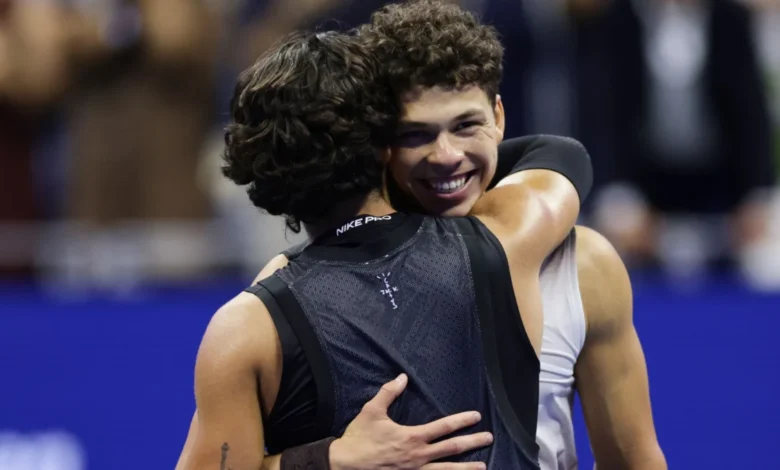
A Chronology of the Midnight Marathon
The match between Shelton and Alcaraz did not commence until after 11:00pm on Tuesday, a delay necessitated by a backlog of three extended matches earlier in the day. In the high-pressure environment of Grand Slam tennis, where matches are played as best-of-five sets for men, the duration of a contest is unpredictable. When scheduling decisions are made, organizers must weigh the logistical demands of a 25,000-seat stadium against the television audience and the players’ recovery needs.
This year’s US Open has been punctuated by similar late-night occurrences, with multiple matches extending well beyond 2:00am. The pattern has become a defining, albeit controversial, characteristic of the New York tournament. The delay essentially forces players to compete in a physiological "no-man’s land," where circadian rhythms are disrupted, and the physical toll of a five-set battle is compounded by the sheer exhaustion of performing in the middle of the night.
The Human Cost and Athletic Performance
For the professional tennis player, the schedule is more than just a logistical inconvenience; it is a critical factor in performance recovery. Aryna Sabalenka, speaking earlier in the tournament, highlighted the cascading effect of these late finishes. "When you finish late, the next day shifts a lot," she explained. "You still need to get your hours of sleep, so you start later. You just can really mess up your schedule."
The physiological impact of playing at 3:00am includes impaired cognitive function, delayed reaction times, and increased susceptibility to injury. When a player finishes a match at such an hour, they are often not back at their hotel until sunrise, having undergone post-match media obligations, doping controls, and physical therapy. By the time they sleep and wake up, the "next day" is effectively erased, turning the tournament into a test of endurance that extends beyond the tennis court.
Venus Williams echoed these sentiments following her own late-night match against Sofia Kenin, noting that such scheduling is "not ideal" for either competitor. "I just don’t know any other sport where you have to start that late," she remarked. "I definitely think there’s room for improvement."
Historical Context of Midnight Tennis
The phenomenon of the "night session" is intrinsically linked to the commercial success of the US Open. By selling evening tickets, the tournament maximizes revenue and captures the prime-time television demographic. However, this model has occasionally pushed the sport into record-breaking territory that many now deem unsustainable.
The list of the latest finishes in tennis history illustrates a clear trend toward later and later start times. The record is held by Alexander Zverev, who defeated Jenson Brooksby in Acapulco in 2022 at 4:54am. The list of the top six latest finishes is dominated by Grand Slam events, suggesting that the pressure of the best-of-five format in major championships is the primary catalyst. With the Shelton-Alcaraz match ending at 3:33am, it joined an elite, albeit dubious, list that includes legendary marathons at the Australian Open and other major hard-court events.
The Industry Divide: Spectacle vs. Sustainability
The debate has created a clear divide between stakeholders. On one side are the fans, who—as seen in the Shelton-Alcaraz match—remain deliriously invested, chanting and cheering well into the early hours. For them, the spectacle is unique to the US Open. On the other side are legends like Martina Navratilova, who took to social media to voice her disapproval. "Something has got to give—this is not OK and it is not normal," Navratilova wrote. "No other sport might start at 11am or 11pm in the same event."
Conversely, some former players offer a more pragmatic perspective. Andy Roddick, hosting the Served podcast, challenged the critics to provide actionable solutions rather than just venting frustration. "You’ve got to get 25,000 people out of a stadium responsibly, and you’ve got to get 25,000 people in responsibly," Roddick noted. "I hear a lot of complaining. I don’t hear a lot of proposed solutions."
The logistical challenge is indeed formidable. Arthur Ashe Stadium is the largest tennis venue in the world. Managing the transition between the afternoon and evening sessions requires significant time for cleaning, security, and ticket-holder rotation. If a day session match goes long, the evening schedule is doomed to be delayed.
Potential Solutions and Future Reform
Several proposals have been circulated to mitigate the impact of these late finishes:
- Limited Evening Sessions: As suggested by former Wimbledon champion Marion Bartoli, the tournament could limit the night session to a single match. "From a TV point of view, it’s great," Bartoli said. "But ultimately, one match a night, especially when you get down to the quarter-finals, could potentially be the solution."
- Earlier Start Times: Shifting the day session to start an hour earlier could provide a buffer for long matches, though this faces pushback from ticket holders who cannot arrive earlier due to work commitments.
- Scheduling Flexibility: Some have proposed that the tournament should have the authority to move high-profile matches to different courts if the schedule is severely compromised, though this would likely cause significant friction with ticket holders who paid premium prices to see specific stars on the main stage.
- Modified Match Formats: While radical, some have debated the potential for a "match tie-break" in the fifth set for all Grand Slams (which is already common in many events) to ensure matches do not drag on for six hours. However, the five-set drama is considered sacred by many purists.
The Commercial Reality
The US Open’s official stance has been a mix of professional obligation and light-hearted social media engagement. Recognizing the absurdity of the situation, the tournament recently posted a humorous, fill-in-the-blank letter on social media, intended for fans to give to their employers to explain their absence on Wednesday morning. The post acknowledged that while "showing up" is important, the intensity of the tennis on display often supersedes standard professional norms.
Yet, beneath the humor lies a serious question about the future of the sport’s calendar. As players continue to voice concerns about recovery and health, the governing bodies of tennis—the ATP, WTA, and the Grand Slam boards—are under increasing pressure to standardize regulations regarding start times.
Conclusion: A Turning Point
The 3:33am finish between Shelton and Alcaraz will be remembered as a high-water mark for the US Open’s intensity, but it may also serve as the tipping point for reform. While the energy of the crowd is a vital component of the sport’s appeal, the sustainability of the current scheduling model is under scrutiny.
As the tennis world moves forward, the challenge will be to balance the commercial demand for "prime-time" drama with the physical requirements of the athletes who fuel that spectacle. Whether through limiting the number of matches per session or adjusting start times, the sport appears to be approaching a crossroads where the tradition of the late-night finish may finally have to yield to the realities of professional sports medicine and player welfare. The goal remains to ensure that the sport’s most iconic moments are not overshadowed by the sheer exhaustion of those creating them.