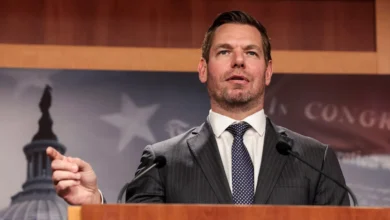
Senator Rick Scott Claims Far-Left Progressives Dictate Democratic Party Direction Ahead of Midterm Elections

As political strategists and party leaders converge on Dallas, Texas, for a high-stakes legislative convention, the battle lines for the upcoming midterm elections are rapidly sharpening. Against a backdrop of persistent economic anxieties, geopolitical tensions, and legislative friction, Republican lawmakers are working meticulously to galvanize their base and defy historical trends that typically favor the opposition party during a mid-term cycle. Central to the GOP’s strategic messaging in Texas is a pointed narrative regarding the internal ideological power dynamics of the Democratic Party.
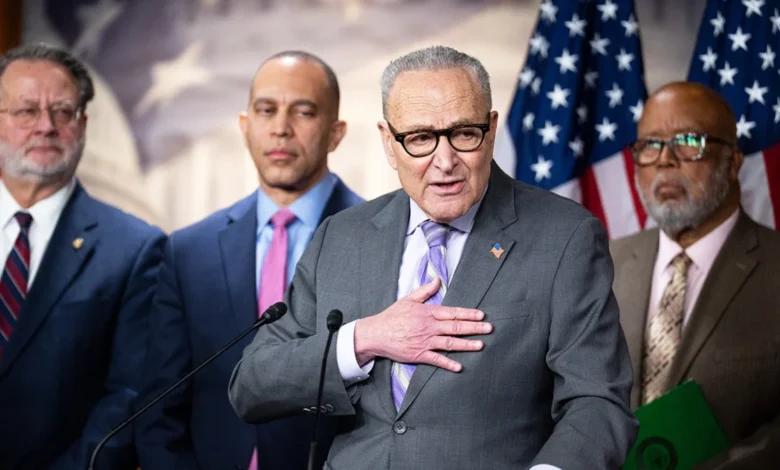
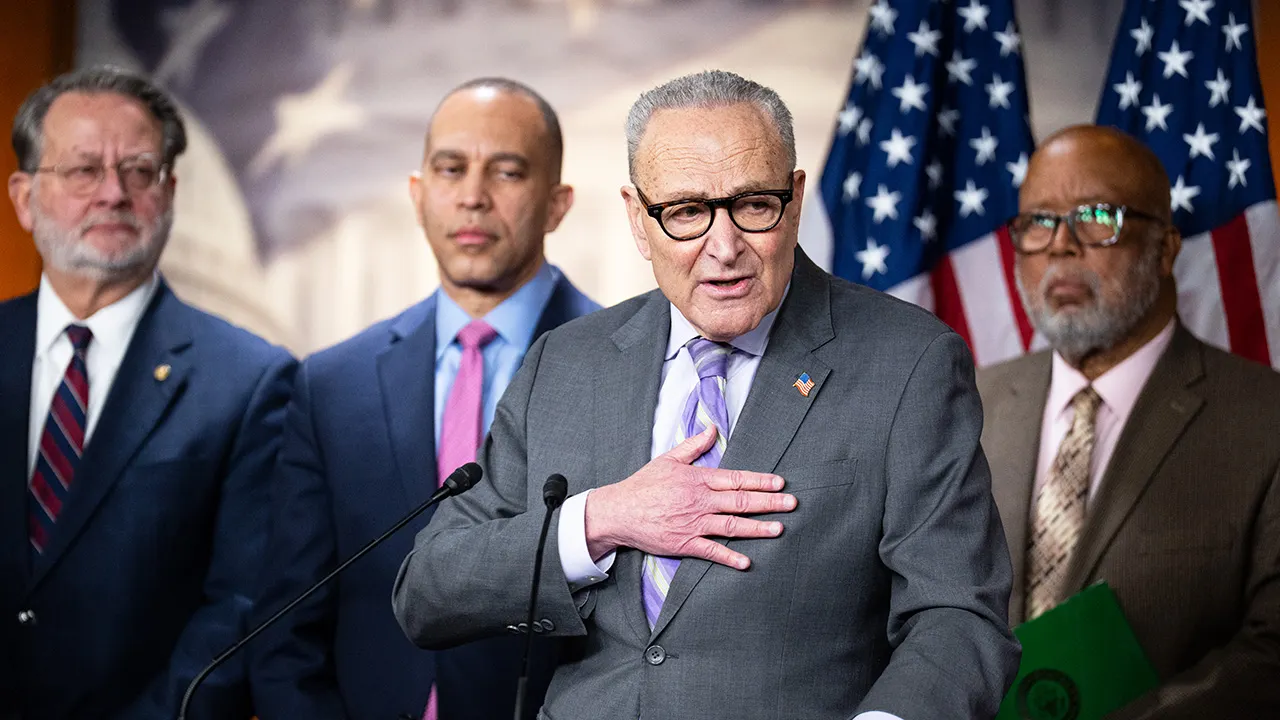
According to high-ranking Senate Republicans, the traditional leadership hierarchy of the Democratic congressional caucus does not accurately reflect where true policy and ideological power reside. In a wide-ranging interview in Dallas, Senator Rick Scott, R-Fla., asserted that congressional leaders like Senate Minority Leader Chuck Schumer of New York and House Minority Leader Hakeem Jeffries of New York are merely figureheads. Instead, Scott argued, the operational direction of the national Democratic Party is dictated by progressive activists, high-profile media influencers, and leftist lawmakers both within and outside the halls of Congress.
The Ideological Pivot: Defining Modern Democratic Leadership
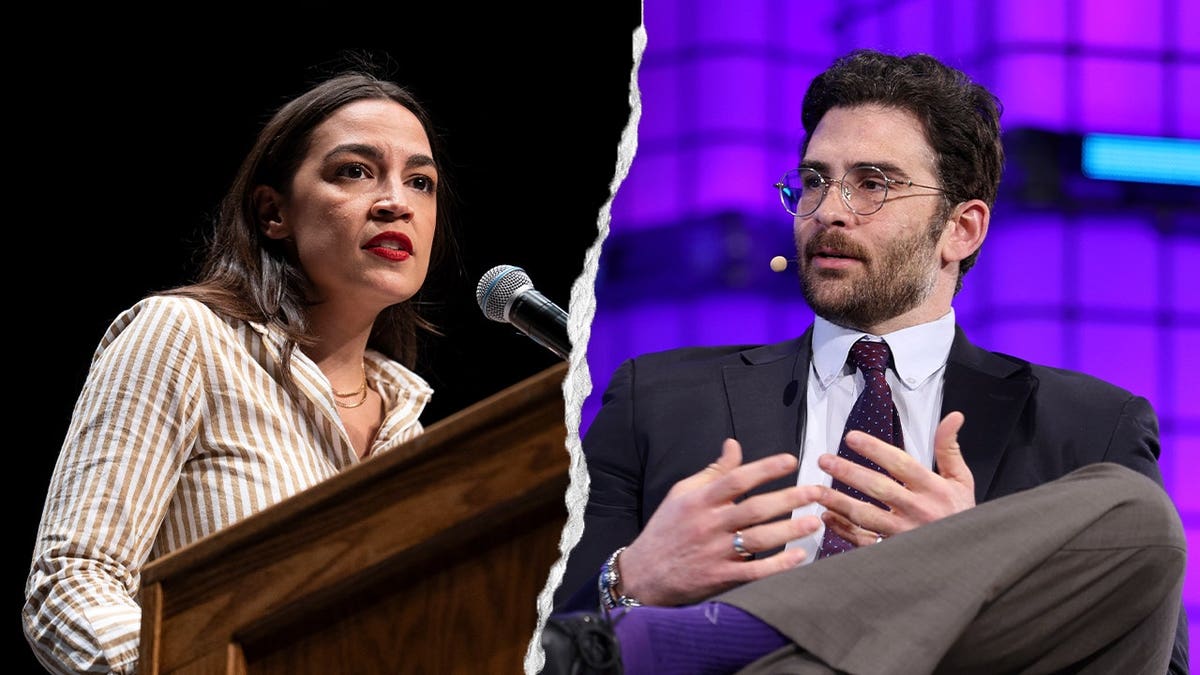
Senator Scott did not mince words when identifying who he believes wields the actual authority within the opposition party. Pinpointing figures synonymous with the progressive wing of American politics, Scott argued that the ideological heartbeat of the modern Democratic platform is shaped by individuals such as Representative Alexandria Ocasio-Cortez of New York, New York City Mayor Zohran Mamdani, and prominent political commentator and streamer Hasan Piker.
"Let’s be clear, the leader of the Democrat Party is not Schumer, it’s not Jeffries," Scott remarked to digital media outlets in Dallas. "It’s Hasan Piker, it is AOC and Zohran Mamdani."
This framing is a cornerstone of the broader Republican strategy for the midterms. By tying mainstream Democratic candidates to the most progressive elements of their coalition, the GOP aims to paint the entire opposition platform as radical, out of touch with mainstream American values, and overly reliant on socialist economic frameworks. Republicans argue that this progressive alignment manifests in policies related to cultural issues, energy independence, and fiscal management—themes that the conservative base finds deeply objectionable.
Scott expanded on this rhetoric by warning voters about the perceived trajectory of left-leaning governance, drawing sharp contrasts between capitalist principles and democratic socialist ideals. He cautioned that a shift toward progressive governance could fundamentally alter the American economic landscape, invoking historical comparisons to underscore his warnings against socialism.
The Midterm Landscape: Tailwinds and Headwinds for the GOP
The convention in Dallas serves as both a pep rally and a tactical staging ground for Republicans fighting to retain their majorities in the House of Representatives and the United States Senate. Historically, the party holding the White House faces significant headwinds during midterm elections. Historical analysis of midterm cycles over the past century shows that the president’s party almost invariably loses seats in Congress.
However, Republicans are striving to defy this historical precedent by framing the upcoming election as a direct referendum on the economic and cultural direction of the country. GOP strategists believe that by emphasizing local and national economic anxieties—such as stubbornly high prices at grocery checkout lines, fluctuating costs at the gasoline pump, and broader commercial pressures—they can persuade undecided voters to maintain a conservative firewall in Washington.
At the same time, the legislative path forward is complicated by external economic and foreign policy pressures. Ongoing conflicts in the Middle East, particularly the protracted war involving Iran, have kept global energy markets volatile. Additionally, friction in international trade relations—including recent disputes and tariff adjustments regarding trade policies with Canada—has created policy complications for incumbent lawmakers attempting to balance protectionist economic measures with consumer price stability.
Furthermore, controversies surrounding specific primary candidates have injected volatility into several critical state-level Senate and House races. For instance, Republicans have sought to draw national attention to figures such as Michigan congressional candidate Abdul El-Sayed, whose policy positions and past rhetoric have drawn fierce condemnation from both conservative opponents and centrist critics. The GOP campaign apparatus plans to leverage these regional contests to illustrate what they describe as a pervasive ideological drift within the opposition.
The Trump Factor: The Centrality of the Presidential Agenda
While the name of President Donald Trump may not be physically printed on every ballot in November, Republican leaders are making no secret of the fact that the entire midterm election cycle is inextricably linked to his administration’s legislative and executive agenda. The Dallas convention is heavily themed around rallying support behind the president’s platform, with key addresses scheduled to coincide with the opening weeks of the autumn political calendar.
Senator Scott emphasized that the primary motivation for maintaining control of both chambers of Congress is to prevent legislative gridlock and protect the executive branch from aggressive oversight and potential procedural retaliation by a hostile legislative majority.
"There’s no question the Trump agenda is on the ballot," Scott noted. "If you want the Trump agenda accomplished, we have to control the House, we have to control the Senate."
He added that a Democratic takeover of the legislative branch would inevitably lead to intense partisan conflict, suggesting that a majority opposition in the House would aggressively pursue procedural challenges and investigative actions against the administration. By framing the election in existential terms for the executive branch, Republican leadership hopes to maximize voter turnout among core constituencies who might otherwise sit out a non-presidential election year.
Strategic Messaging and the Path to November
As the Dallas convention progresses, the overarching message from the Republican platform is clear: the choice facing American voters is between a continuation of conservative economic and national security policies or a sharp pivot toward progressive governance steered by the party’s left flank.
Despite facing undeniable political challenges, including inflation concerns and historical midterm attrition, figures like Senator Scott remain optimistic about the GOP’s electoral prospects. By focusing heavily on candidate quality, drawing sharp contrasts on cultural and economic policy, and tying local legislative races directly to the broader national agenda of the White House, Republicans are positioning themselves to wage an aggressive, high-stakes defense of their congressional majorities.
With voters preparing to head to the polls in the coming months, the convention in Texas marks the official kickoff of a fierce national campaign where both parties will spare no effort in defining the future trajectory of American governance.
Related posts: