David Harbour Reflects on Fame, Artistic Struggle, and Future Endeavors on Awards Chatter

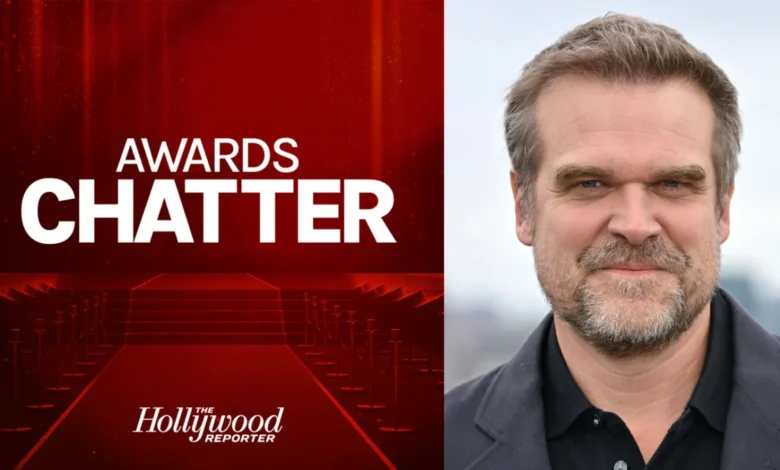
David Harbour, the acclaimed Emmy and Tony-nominated actor whose portrayal of Police Chief Jim Hopper in the global phenomenon Stranger Things has cemented his status as a household name, recently sat down for an in-depth conversation on The Hollywood Reporter‘s Awards Chatter podcast. The interview, conducted at THR‘s Los Angeles offices, offered a candid look into Harbour’s journey from a struggling actor to a leading figure in television and film, touching upon the profound impact of sudden fame on his mental health, his artistic choices beyond Stranger Things, and his exciting future projects, including a reunion with his on-screen daughter, Millie Bobby Brown.
From Obscurity to Global Stardom: The Stranger Things Phenomenon
Harbour’s career trajectory is a testament to perseverance and the unpredictable nature of Hollywood. For decades, he navigated the challenges of a life in the arts, a path he acknowledges was often fraught with financial instability. This period of struggle, he revealed, significantly shaped his perspective on mental well-being. "I wonder about mental illness sometimes, whether it’s an actual disease, as they say, or whether it’s a recidivist condition like homelessness or something," Harbour mused. He drew a poignant parallel between the pervasive stress of poverty and the psychological toll of artistic ambition. "The greatest sin in America is poverty," he stated, reflecting on his early days in New York City where the immediate concern of paying rent could induce significant stress on the nervous system.
The turning point in Harbour’s career arrived with Stranger Things. While he had already garnered Emmy nominations for his supporting role as Hopper, the series catapulted him into a different stratosphere of fame. He recalled the stark contrast between his life before and after the show’s premiere in July 2016. "I became famous overnight," he explained, describing the bewildering experience of going from a few dedicated fans at his stage door to crowds of dozens overnight. "It was Saturday night, and there were 20 people waiting for me, and I was like, ‘Whoa.’ They were like, ‘We just saw this show [Stranger Things].’" By Sunday night, the number had swelled to fifty, with fans admitting they hadn’t even seen his play but were there solely because of Stranger Things. This sudden, intense spotlight was something he is "still digesting."
The success of Stranger Things was not only a personal triumph for Harbour but also a surprising development for Netflix itself. Harbour shared an anecdote about the low-key premiere of the first season, describing it as a "joke" held in a Los Feliz bar. He recounted Netflix’s minimal promotional efforts, including having a few employees dressed as lab technicians to "scare people." "I think they didn’t know what they had," Harbour commented, though he humorously acknowledged Netflix’s later claims of a sophisticated "stealth marketing" strategy. The show’s unexpected global resonance, however, quickly transformed it into Netflix’s flagship series, a status it has maintained for five seasons over a decade.
Navigating Fame and Artistic Evolution
The extended run of Stranger Things has allowed Harbour to witness and experience significant personal and artistic growth. "Your relationship to the material and your growth as a human being and what your interests are – all of that changes," he observed. While he was not a producer on the early seasons, he actively participated in shaping his character, Jim Hopper, by submitting his ideas via email to the showrunners. "It’s like, ‘Oh, here’s the David’s ideas email,’" he quipped, acknowledging that this input might have been met with varying degrees of enthusiasm. The series, he emphasized, has always been "much bigger than me," a sentiment that underscores his understanding of collaborative storytelling.
Harbour’s recent Emmy nominations highlight his continued artistic drive and his willingness to explore diverse roles. He received two nominations this year for his work on the HBO limited series DTF St. Louis, one as a producer and another for his supporting acting performance. The series, described as "highly unusual, darkly funny and surprisingly moving," features Harbour and Jason Bateman as two friends grappling with existential crises in middle America. This project marked a deliberate shift for Harbour, a conscious effort to move away from the genre-heavy roles that have defined much of his recent career.
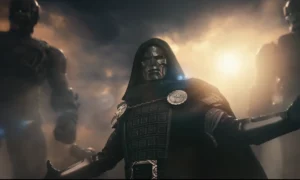
"I wanted to work with adults as opposed to children," Harbour stated, a clear nod to the young cast of Stranger Things. He also expressed a desire to steer clear of the fantastical elements that have become his signature. "I’ve got Stranger Things, I’ve got Marvel, I’ve got Doctor Doom, and world-ending events. I just wanted to go to the grocery store with my screen wife and do something very ordinary about very ordinary people and show extraordinary lives just in that framework." This aspiration to explore the nuances of everyday life and the complexities of human connection is a driving force behind his artistic choices.
The critical acclaim for DTF St. Louis, evidenced by its numerous Emmy nominations, has been deeply validating for Harbour. "The fact that there were 13 nominations across the board for this show? And all the acting in it got nominated? It’s just like an embrace of us in a way that I really appreciate," he expressed. This reception has fueled discussions about the potential for future installments, with Harbour suggesting an anthology format similar to The White Lotus as a possibility, though "nothing’s been decided."
Artistic Roots and the New York-Los Angeles Dynamic
Harbour’s early career was deeply rooted in theater, a discipline he credits with significantly shaping his acting prowess and his connection to the craft. He spoke about his enduring relationship with New York City, which he feels has always been more receptive to his particular brand of acting than Los Angeles. "There were times when I was like, ‘I don’t know if this town [L.A.] wants me or what I have to give,’" he admitted. "New York has always sort of been embracing of what I have to give… A lot of the Hollywood stuff came out of that theatrical work." His self-perception as an actor, he revealed, was also influenced by his physical appearance. "I’ve never thought I was sort of pretty enough to do it. I’ve never thought I looked good on film. I’ve always thought I looked weird."
This inherent self-doubt was present even as Stranger Things was taking off. At 40, with his previous NBC series State of Affairs having been canceled, Harbour was in a position where he "needed to scrape together some money." Receiving the script for Stranger Things felt like a distant possibility, as he candidly stated, "There’s no way they’re going to cast me." The success that followed not only provided financial security but also offered a profound lesson in the capricious nature of the entertainment industry.
The Future: A Spy Thriller Reunion with Millie Bobby Brown
Looking ahead, Harbour is poised for another significant collaboration with Millie Bobby Brown, his Stranger Things co-star and on-screen daughter. The duo has sold a spy-thriller series to Netflix, written by Jack Thorne, who previously penned Brown’s Enola Holmes films. "It’s an idea that came from a book that Jack and A24 and I sort of all hashed out," Harbour explained, expressing immense excitement for the project.
This reunion is particularly meaningful for Harbour, who has developed a deep paternal bond with Brown over their years of working together. "She’s a partner. She’s someone I love, and who loves me. We’ve gone through a lot, and we have a deeper understanding of each other, and we both desire to explore similar things," he said. He sees this new venture as an opportunity to further explore the dynamic that captivated audiences with Hopper and Eleven, but in a fresh, adult-oriented context. "I think there’s something that we have to serve audiences with still, especially that fanbase of Hopper and 11, which was such a dynamic thing," he elaborated. "So it’s like, what can we do with Hopper and Eleven, or Millie and David, in terms of that partnership going forward? That’s exciting to me."
Harbour’s candid reflections on Awards Chatter offer a compelling narrative of an artist who has navigated the exhilarating highs of global fame while remaining grounded in his artistic integrity and his personal journey. His willingness to delve into the complexities of mental health, the evolution of his craft, and his anticipation for future collaborations underscore a career that continues to be defined by thoughtful choices and a deep commitment to storytelling. As he moves beyond the confines of Hawkins, Indiana, David Harbour’s next chapters promise to be as compelling and engaging as the characters he so masterfully brings to life.