Segway Expands Micromobility Portfolio with Launch of Muxi Cargo Electric Bike at Competitive Mid-Range Price Point

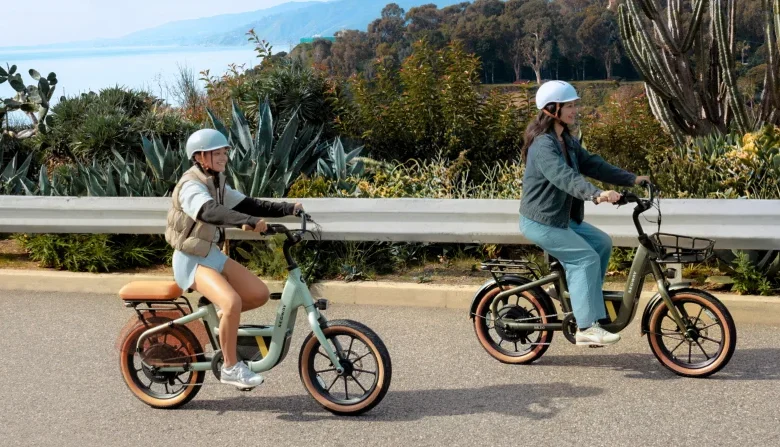
Segway-Ninebot, a global leader in short-distance transportation and robotic technology, officially announced the launch of its latest electric mobility solution, the Muxi, on April 14, 2026. This new entry marks the company’s first foray into the rapidly expanding cargo e-bike segment, a move that signals a strategic shift toward high-utility urban transportation. Priced at $1,700, the Muxi is positioned as an accessible yet robust alternative to traditional automobiles for city dwellers, offering a blend of high payload capacity, compact design, and versatile performance. The release follows a period of intensive diversification for Segway, which has transformed from a niche manufacturer of self-balancing personal transporters into a comprehensive player in the electric bike and scooter industry.
Technical Specifications and Cargo Capabilities
The Segway Muxi is engineered to address the specific needs of the "last-mile" delivery sector and the growing demographic of "car-lite" families. Despite its relatively compact footprint, which utilizes 20-inch tires and a low-center-of-gravity step-through frame, the vehicle boasts a total payload capacity of 418 pounds. This weight limit includes both the rider and any additional cargo, placing it in direct competition with more expensive utility bikes from established brands like Tern and Rad Power Bikes.
One of the most notable features of the Muxi is its specialized rack system. The integrated rear cargo rack is rated to support up to 121 pounds, a figure that significantly exceeds the industry average for rear-mounted racks, which typically cap out at approximately 55 to 65 pounds. Furthermore, Segway offers an optional front basket designed to hold an additional 33 pounds. This dual-rack configuration allows for complex weight distribution, making the bike suitable for transporting groceries, hardware, or even small passengers when properly equipped with seating accessories.
Classified as a Class 2 e-bike, the Muxi features a dual-mode power delivery system. It provides electric assistance through a pedal-assist sensor and a dedicated hand throttle. The motor is programmed to assist the rider up to a maximum speed of 20 miles per hour. This speed cap is a critical regulatory threshold in many North American jurisdictions, allowing the bike to be operated on most municipal bike paths and lanes without the need for specialized licensing or registration. For context, unassisted cycling speeds for the average urban commuter typically range between 12 and 14 miles per hour, meaning the Muxi offers a nearly 50% increase in travel efficiency for the standard user.
A Chronology of Segway’s Strategic Evolution
The launch of the Muxi represents the third major milestone in Segway’s recent e-bike expansion strategy. To understand the significance of this release, one must look at the timeline of the company’s product development over the last three years.
In early 2024, Segway entered the high-performance market with the Segway Xyber. Often described as an "e-dirt bike" or a "behemoth," the Xyber was designed for off-road enthusiasts and those seeking a motorcycle-adjacent experience. Its heavy frame and high torque prioritized ruggedness over urban utility, effectively carving out a niche in the recreational sector.
Following the Xyber, Segway introduced the Xafari, an all-purpose city bike. The Xafari served as a bridge between the extreme performance of the Xyber and the practical needs of daily commuters. It featured a more traditional bicycle geometry and focused on battery efficiency and rider comfort.
The arrival of the Muxi on April 14, 2026, completes this initial trifecta by addressing the utility and cargo market. Within a span of roughly 24 months, Segway has moved from having zero presence in the e-bike market to offering a tiered lineup that covers off-road recreation, general commuting, and heavy-duty urban logistics. This rapid iteration highlights the manufacturing agility of Ninebot, the parent company that acquired Segway in 2015 and has since pivoted the brand toward mass-market electric mobility.
Market Context and Pricing Strategy
At $1,700, the Muxi enters the market at what analysts describe as the "sweet spot" of the mid-range e-bike sector. While entry-level e-bikes can be found for under $1,000, they often lack the frame reinforcement and motor cooling necessary for sustained cargo hauling. Conversely, premium cargo bikes often retail between $3,500 and $6,000. By pricing the Muxi under $2,000, Segway is targeting a broader demographic, including students, delivery gig workers, and middle-income families looking to reduce their reliance on secondary vehicles.
Economic data from the Light Electric Vehicle Association (LEVA) suggests that the cargo e-bike segment is one of the fastest-growing sub-sectors in the industry. As urban congestion increases and fuel prices remain volatile, the "total cost of ownership" for an e-bike—which includes charging costs and minimal maintenance—presents a compelling financial argument compared to internal combustion engine (ICE) vehicles. Segway’s decision to include a throttle (making it Class 2) is also a calculated move to appeal to users who may have physical limitations or who need to start from a dead stop while carrying a heavy load, where pedaling alone might be difficult.
Design Philosophy: Accessibility and Safety
The Muxi’s design philosophy centers on accessibility. The step-through frame is a critical inclusion for a cargo bike, as it allows riders to mount and dismount the vehicle without having to swing a leg over a high top tube—an action that can be dangerous or impossible when the rear rack is loaded with tall packages or a child seat. The 20-inch wheels contribute to a lower center of gravity, which improves stability and handling when the bike is at its maximum weight capacity.
Safety features, while not the primary focus of the initial marketing push, are integral to the Muxi’s build. The bike is equipped with high-visibility lighting and mechanical or hydraulic disc brakes (depending on the specific regional configuration) designed to provide consistent stopping power under heavy loads. The transition from Class 1 to Class 2, as noted in the company’s recent corrections, ensures that riders have immediate access to power in high-traffic situations where quick acceleration is necessary for safety.
Broader Implications for Urban Infrastructure
The proliferation of bikes like the Muxi is expected to have a significant impact on urban planning and infrastructure. As more residents adopt cargo e-bikes, the demand for wider bike lanes and secure, high-capacity parking solutions is likely to increase. Municipalities in cities like New York, London, and Paris have already begun adjusting their "last-mile" delivery regulations to favor e-cargo bikes over delivery vans, which contribute significantly to traffic gridlock and localized emissions.
Industry experts suggest that Segway’s entry into this space with a well-known brand name could accelerate the normalization of e-cargo bikes in North America. While brands like Segway were once associated primarily with tourism and novelty, their recent shift toward practical, high-performance ebikes suggests a long-term commitment to becoming a primary transport provider.
Official Responses and Industry Outlook
While official statements from Segway-Ninebot executives emphasized the "versatility and freedom" the Muxi offers to urban residents, industry analysts are focused on the company’s supply chain advantages. By leveraging Ninebot’s massive manufacturing scale, Segway is able to offer features like the 121-pound rear rack capacity at a price point that smaller boutique brands struggle to match.
"The Muxi is not just another e-bike; it is a statement on the viability of electric utility," says one independent market analyst. "By providing a high-capacity machine at a sub-$2,000 price, Segway is forcing the rest of the market to justify their premiums or lower their prices. This is a win for the consumer and a significant step toward the electrification of city logistics."
Looking forward, the success of the Muxi will likely depend on its long-term durability and the availability of service centers. As ebikes become more complex, the ability to receive professional maintenance becomes a key factor in consumer trust. Segway’s established distribution network provides a significant advantage in this area compared to "direct-to-consumer" brands that lack a physical service footprint.
In conclusion, the Segway Muxi launch on April 14, 2026, marks a pivotal moment for the brand and the broader e-bike industry. By combining a competitive $1,700 price tag with impressive cargo statistics and a user-friendly Class 2 configuration, Segway has positioned itself as a formidable contender in the race to redefine urban mobility. As the Muxi begins to appear on city streets, it will serve as a practical test of whether cargo e-bikes can truly transition from a niche enthusiast product to a mainstream transportation staple.