Levi Strauss and Co. Expands Iconic Heritage Line with the Launch of the 501 Loose Silhouette

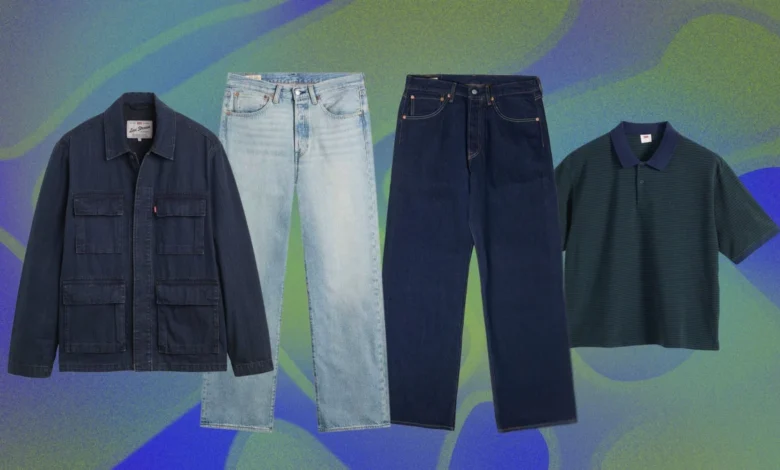
Levi Strauss & Co., the foundational architect of American denim, has officially announced the launch of the 501 Loose, a significant expansion of its most storied product line. This release marks a pivotal moment for the company, as it introduces a modern, roomier interpretation of the silhouette that has defined the global denim market for over 150 years. While Levi’s has occasionally modified the 501 to reflect specific eras, the introduction of the "Loose" designation represents a strategic response to shifting consumer preferences and the prevailing trend toward relaxed-fit apparel.
The 501 original, known for its straight leg and button fly, has remained largely unchanged since its inception in the late 19th century. However, the 501 Loose departs from the traditional "anti-fit" block by offering more volume through the seat, thigh, and leg opening. This development is not merely a stylistic update but a calculated move by the San Francisco-based retailer to capture a younger demographic that prioritizes comfort and oversized silhouettes over the slim-tapered trends that dominated the previous decade.
The Historical Evolution of the 501 Silhouette
To understand the weight of the 501 Loose launch, one must look at the chronology of the 501 itself. The history of the garment began on May 20, 1873, when Levi Strauss and Jacob Davis received a patent for "Improvement in Fastening Pocket-Openings," introducing copper rivets to denim work pants. By 1890, the lot number "501" was assigned to these waist overalls, cementing their place in the company’s inventory.
Throughout the 20th century, the 501 underwent subtle iterations dictated by necessity and cultural shifts. In the 1940s, during World War II, the brand removed the cinch and crotch rivet to conserve metal for the war effort. In the 1950s, the 501 transitioned from workwear to a symbol of rebellion, popularized by icons like Marlon Brando and James Dean. By the 1980s and 90s, the fit became synonymous with American casual wear, leading to the creation of the 501 ’93, which featured a higher rise and a slightly different leg geometry.
In recent years, Levi’s has utilized its extensive archives to launch "anniversary" or "period-correct" fits, such as the 501 ’54. However, these were largely historical reproductions. The 501 Loose is distinct because it is designed for the contemporary market, blending archival inspiration with a modern understanding of drape and proportion.
Technical Specifications and Materiality
The 501 Loose is characterized by several distinct technical features that separate it from the standard 501 Original and the 501 Relaxed. The primary differentiator is the "Loose" block, which provides a significant increase in the circumference of the leg from the upper thigh down to the hem. This creates a more rectangular, fluid silhouette that accommodates various body types while maintaining the structural integrity of the denim.
Crucially, the 501 Loose utilizes a 14 oz. denim weight. In the denim industry, weight is measured by the number of ounces a square yard of the fabric weighs. Standard commercial denim typically ranges from 10 oz. to 12 oz. By opting for a 14 oz. fabric, Levi’s is positioning the 501 Loose within the "mid-to-heavyweight" category. This choice provides several benefits:
- Durability: Heavier denim is more resistant to abrasions and structural failure.
- Drape: The weight of the fabric ensures that the loose cut hangs correctly from the hips rather than bunching awkwardly.
- Fade Potential: Enthusiasts often prefer heavier denim for its ability to develop distinct high-contrast "honeycombs" and "whiskers" through natural wear.
The design also takes cues from Levi’s premium "Made in Japan" offerings, which are celebrated for their craftsmanship and attention to textile detail. By incorporating these elements into a more accessible line, the brand is bridging the gap between high-end enthusiast denim and mass-market retail.
Official Perspectives on the Strategic Launch
The executive leadership at Levi Strauss & Co. has emphasized that the 501 Loose is more than just a new product; it is a tool for maintaining cultural relevance. Janine Chilton-Faust, Global VP of Men’s Design at Levi’s, highlighted the balance between heritage and innovation in a statement regarding the launch.
“The launch of the 501 Loose marks an exceptional moment in the silhouette’s iconic history,” said Chilton-Faust. “We’ve maintained every element that makes a 501 so beloved while offering a more relaxed aesthetic that creates space for a new generation to discover why this jean has remained so culturally relevant.”
Chilton-Faust’s comments reflect a broader corporate strategy focused on "Brand Heat"—a metric used to measure a brand’s popularity and trend-setting capability. By aligning the 501 name with the "baggy" denim trend, Levi’s is effectively protecting its market share against fast-fashion competitors and boutique streetwear labels that have capitalized on the relaxed-fit movement.
Market Trends and Consumer Data
The shift toward the 501 Loose is supported by significant market data. According to various retail analytics firms, sales of skinny and slim-fit jeans for men have seen a steady decline since 2019, while "relaxed," "loose," and "athletic" fits have seen double-digit growth. This trend was accelerated by the COVID-19 pandemic, which shifted consumer preference toward comfort and versatile clothing suitable for both home and public environments.
Furthermore, the "vintage" and "thrift" markets have seen a surge in demand for 1990s-era Levi’s 501s and 550s (a historically relaxed fit). By introducing the 501 Loose, Levi’s is offering a brand-new product that mimics the sought-after silhouette of vintage finds without the inconsistency of sizing often found in second-hand markets.
The move also aligns with the "anti-fit" philosophy that originally made the 501 famous. Unlike tailored trousers, the 501 was designed to be worn slightly oversized and cinched with a belt, a look that has been reclaimed by Gen Z and Millennial consumers who reject the restrictive silhouettes of the early 2010s.
Broader Implications for the Denim Industry
The introduction of the 501 Loose is likely to have a ripple effect across the apparel industry. As the market leader, Levi’s often sets the standard for retail assortments. When Levi’s pivots toward a specific cut, it signals to department stores and smaller retailers that the trend has reached mass-market maturity.
There are also sustainability implications to consider. The use of 14 oz. denim suggests a return to "slow fashion" principles. Heavier garments generally have a longer lifecycle, reducing the frequency of replacement and, by extension, the environmental impact associated with textile production. Additionally, Levi’s has been integrating its "Water<Less" technology into its production lines, which reduces the amount of water used in the finishing process—a practice expected to continue with the 501 Loose rollout.
From a styling perspective, the 501 Loose is being marketed as a versatile staple. Its volume allows it to pair effectively with contemporary footwear—ranging from chunky sneakers to heavy work boots—and cropped outerwear. This versatility is essential for maintaining the 501’s status as a "wardrobe essential" in an increasingly fragmented fashion landscape.
Conclusion and Future Outlook
As Levi Strauss & Co. enters its next century of operation, the 501 Loose represents a bridge between its 1873 origins and the future of fashion. By respecting the fundamental DNA of the 501—the button fly, the copper rivets, and the durable twill—while adjusting the geometry for modern tastes, the brand ensures its continued dominance in the denim sector.
The success of the 501 Loose will likely be measured not just in sales volume, but in its ability to anchor the 501 franchise in the "relaxed" era of style. As consumers continue to move away from rigid, tight-fitting clothing, the 501 Loose provides a path for the world’s most famous pair of jeans to remain at the center of the cultural conversation. With the backing of a 150-year legacy and a renewed focus on heavy-duty material and modern proportions, the 501 Loose is poised to become a staple for a new generation of denim enthusiasts.