The Evolution of Hip-Hop: Revisiting the Chart-Topping Anthems and Cultural Shift of 2003

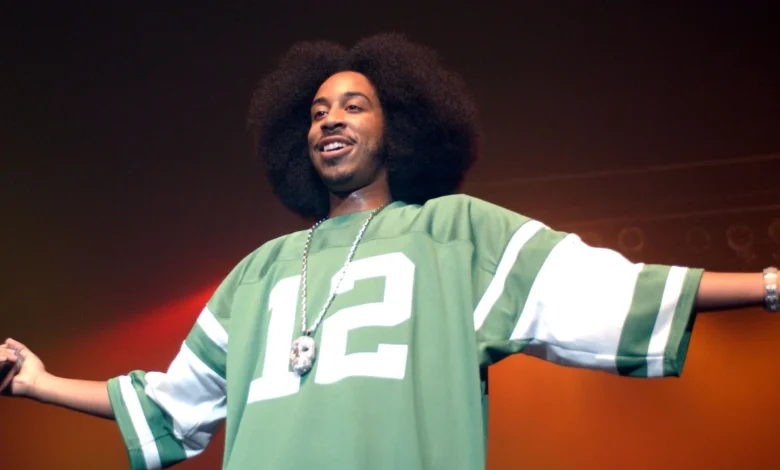
The year 2003 served as a profound structural and artistic inflection point for modern popular music, marking the definitive moment when the recording industry stepped out from the long, heavy shadow of 1990s aesthetics. Throughout the preceding decade, mainstream rap music had been largely defined by a gritty, unyielding tonal seriousness. Dominated heavily by the pervasive cultural and commercial gravity of West Coast and East Coast gangsta rap, 90s hip-hop mirrored the socio-economic turbulence, political anxieties, and harsh urban realities of the era. However, as the calendar turned to the new millennium, the genre underwent a necessary metamorphosis. Hip-hop began to systematically reclaim its foundational, party-starting roots, integrating a vibrant spectrum of electronic production, regional party sounds, and infectious pop sensibilities that allowed it to capture total dominance over mainstream pop charts.
Looking back more than two decades later, the millennial generation may be steadily aging, but the cultural imprint of 2003 remains indelible. The anthems that filled the airwaves that year did not merely occupy radio space; they redefined the sonic architecture of commercial music for the decades to follow. A detailed examination of this transformative period reveals a complex interplay of regional movements, artistic friction, and unprecedented chart success that reshaped the global music landscape.
Chronology of a Paradigm Shift: How 2003 Redefined Commercial Rap
To understand the magnitude of 2003 in hip-hop, one must look at the gradual decentralization of the genre’s power hubs. For years, the commercial dominance of rap was localized primarily within New York and Los Angeles. By the early 2000s, however, a seismic geographic shift was well underway, with the American South and Midwest emerging as formidable engines of chart-topping innovation.
The timeline of 2003’s musical renaissance began in earnest during the late winter and spring, as labels and artists realized that consumers were hungry for high-energy, danceable, and technologically innovative production. By the time summer arrived, the Billboard charts were no longer just accommodating hip-hop—they were being entirely commanded by it. Artists who had spent the late 90s building underground respect or regional cult followings suddenly found themselves at the epicenter of global pop culture.
This chronology of success was characterized by a rapid succession of cross-genre crossovers and bold artistic statements. Producers experimented heavily with digital audio workstations, synthesized basslines, and unconventional vocal arrangements, pushing the boundaries of what radio programmers considered viable for mainstream audiences. As a result, 2003 became a year where hip-hop artists achieved unprecedented simultaneous saturation across multiple radio formats, bridging the gap between urban stations and mainstream pop outlets.
Supporting Data and Chart Dominance
The commercial viability of hip-hop in 2003 is best illustrated through hard data and chart metrics. During this period, hip-hop acts routinely shattered records previously held by legacy pop and rock acts. The convergence of digital distribution infancy, physical CD sales peaks, and intense terrestrial radio rotation created a perfect storm for record-breaking chart longevity.
Industry analysts tracking the era noted that rap singles were no longer occupying niche slots on specialized rhythm and blues tallies; they were sweeping top-tier pop listings entirely. Tracks that blended rapid-fire delivery with high-concept music videos became masterclasses in multimedia marketing. The data demonstrated that listeners did not want sanitized pop music; they wanted raw, regionally distinct hip-hop that had been polished just enough for mass consumption without losing its distinct cultural identity.
Stand Up by Ludacris Featuring Shawnna: The Anatomy of a Crossover Masterpiece
By September 2003, Christopher Bridges, professionally known as Ludacris, had already established himself as one of the most charismatic and commercially viable frontrunners of the turn-of-the-century rap boom. On September 2, 2003, Ludacris released "Stand Up," a track featuring fellow rapper Shawnna, which served as a pivotal moment in his burgeoning career.
Built upon a distinctive, playful instrumental loop and driven by an unforgettable call-and-response dynamic between Ludacris and Shawnna, the single captured the imagination of the public immediately. The commercial performance of "Stand Up" was nothing short of historic. It ascended rapidly to the No. 1 position on the United States Billboard Hot 100, marking Ludacris’s first time claiming the summit of that prestigious chart.
Furthermore, the track achieved a rare statistical feat by simultaneously dominating multiple disparate radio and sales formats. "Stand Up" climbed to No. 1 on the US Hot R&B/Hip-Hop Songs chart, the Hot Rap Songs chart, and the Rhythmic Airplay chart all at once. This synchronized dominance proved that Ludacris possessed a rare crossover appeal capable of uniting diverse demographics. Industry observers noted that had Ludacris not already secured his breakout status earlier in the decade with hits like "What’s Your Fantasy"—which also featured Shawnna—"Stand Up" would have single-handedly catapulted him into global superstardom.
Get Low by Lil Jon & The East Side Boyz Featuring Ying Yang Twins: The Rise of Crunk
While mainstream pop radio was embracing polished collaborations, the American South was busy exporting a much heavier, sweat-drenched, and unapologetically aggressive sound known as crunk. At the vanguard of this movement was Jonathan Smith, universally recognized as Lil Jon, alongside his group The East Side Boyz and collaborators the Ying Yang Twins.
Although the track "Get Low" initially appeared on Lil Jon’s critically acclaimed 2002 studio album Kings Of Crunk, its official release as a single in 2003 unlocked its true commercial potential. Following its single release, "Get Low" surged to No. 2 on the Billboard Hot 100, proving that high-energy club music could conquer national charts just as effectively as traditional radio pop.
Lil Jon’s self-proclaimed title as "The King of Crunk" was far more than a clever marketing slogan; it became an undeniable market reality of the early 2000s. Crunk, which originated in Memphis and Atlanta during the late 1990s, relied on heavy synthesizer leads, chanting hooks, and driving, subterranean basslines designed to incite physical movement. By capitalizing on this movement, Lil Jon & The East Side Boyz transformed regional club culture into a national phenomenon. In 2002, the parent album Kings Of Crunk claimed the No. 1 spot on the US Independent Albums chart, setting the stage for the massive single-driven crossover success that defined 2003.
The Way You Move by Outkast Featuring Sleepy Brown: A Portrait of Creative Tension and Genius
Perhaps no musical entity encapsulates the artistic contradictions and triumphs of 2003 quite like the Atlanta duo Outkast. By 2003, André 3000 (André Benjamin) and Big Boi (Antwan Patton) stood at the absolute pinnacle of their popularity following the massive, critically lauded success of their 2000 masterpiece, Stankonia. Yet, beneath the surface of their public triumphs, the duo was quietly navigating creative divergence that would eventually lead to an indefinite hiatus.
This tension manifested brilliantly in their ambitious 2003 double album, Speakerboxxx/The Love Below. The project continued a remarkable string of commercial achievements for the group, following a sequence of acclaimed albums that included ATLiens (1996), Aquemini (1998), and Stankonia. Released as a dual-disc package representing the distinct artistic visions of each member, the album debuted at No. 1 on the Billboard 200 and ultimately achieved multi-platinum status.
The rollout of the album’s singles represented a masterclass in simultaneous success. On August 25, 2003, André 3000 released "Hey Ya!," an infectious, genre-defying pop-rap anthem that would capture the global No. 1 spot. Simultaneously, Big Boi released "The Way You Move," featuring Sleepy Brown, a soulful, percussion-driven ode to Southern funk and dancehall traditions. Displaying the sheer depth of the group’s collective talent, "The Way You Move" followed "Hey Ya!" to the top of the Billboard Hot 100 in early 2004, cementing Outkast’s status as musical innovators who could conquer the charts from two entirely different stylistic angles.
Broader Impact, Industry Implications, and Legacy
The events and musical milestones of 2003 left an indelible footprint on the global entertainment industry, permanently altering how major record labels scouted, marketed, and distributed hip-hop music. By proving that rap could successfully merge with pop structures, electronic experimentation, and regional sub-genres like crunk, the artists of 2003 expanded the commercial ceiling of the entire genre.
From an economic perspective, the massive physical album sales and radio syndication numbers achieved during this period provided a vital financial cushion for the music industry just as it began facing the early, disruptive tremors of digital piracy and peer-to-peer file sharing. Record executives realized that hip-hop was no longer a volatile, unpredictable commodity, but rather the sturdiest financial pillar of the modern pop landscape.
Culturally, the democratization of regional sounds—moving the spotlight definitively toward Atlanta, Memphis, and other Southern hubs—shattered the long-standing industry gatekeeping held exclusively by New York and Los Angeles executives. This decentralization laid the groundwork for the modern streaming era, where geographic location matters far less than raw internet engagement and viral cultural impact.
Two decades later, the hits of 2003 are viewed by music historians and cultural anthropologists not merely as nostalgic artifacts for aging millennials, but as the foundational blueprints of contemporary popular music. The fearless blending of genres, the elevation of regional sub-cultures to global platforms, and the insistence on artistic individuality continue to guide new generations of artists. As the modern music landscape continues to evolve at a breakneck pace, the echoes of 2003 remain a powerful reminder of a golden era when hip-hop successfully conquered the world on its own terms.