The Oslo Patient Achieves Likely HIV Cure Following Groundbreaking Stem Cell Transplant

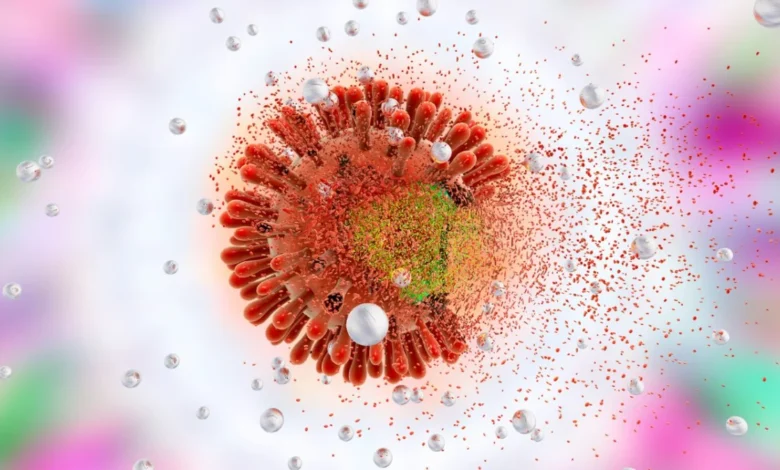
A 63-year-old man, now referred to as the Oslo patient, has achieved a significant milestone in the fight against HIV, with medical experts now stating he is "likely cured" of the virus following a revolutionary stem cell transplant. This procedure, which effectively rebuilt his entire immune system, marks a pivotal moment in the ongoing quest for an HIV cure. The patient, who received the transplant at age 58, has remained in remission for five years, demonstrating the long-term efficacy of this complex medical intervention.
This remarkable outcome places the Oslo patient among a very select group of individuals who have undergone similar stem cell transplants and subsequently entered long-term remission from HIV. Historically, these groundbreaking procedures have involved transplanted cells from unrelated donors. However, the Oslo patient’s case is distinguished by the fact that his life-saving transplant originated from his brother. Crucially, the donated stem cells carried a rare genetic mutation, known as CCR5 delta 32, which confers natural resistance to HIV infection.
Dr. Anders Eivind Myhre, a hematologist at Oslo University Hospital where the patient was treated, elaborated on the extraordinary confluence of factors that led to this outcome. "A sibling has a 25% probability of being a match for a transplant, and the frequency of CCR5 delta 32/delta 32 is around 1% in northern European populations," Dr. Myhre explained via email to Live Science. "So it is an unlikely scenario, and we were not aware of the donor’s CCR5 status before the transplant." This highlights the serendipitous nature of the event, where a life-saving treatment for one condition inadvertently provided a cure for another.
A Journey Through Diagnosis and Treatment
The Oslo patient’s journey with HIV began in 2006, when he was diagnosed at the age of 44. For several years, he managed the infection with antiretroviral therapy (ART). Initiated in 2010, ART is a highly effective class of drugs that suppresses the human immunodeficiency virus (HIV), preventing it from replicating within the body. This suppression not only halts the progression of the infection to Acquired Immunodeficiency Syndrome (AIDS) but also renders the virus undetectable in the bloodstream, thereby eliminating the risk of sexual transmission. The patient maintained this state of viral suppression consistently from August 2010 until the present day, a testament to the efficacy of modern HIV management.
However, in 2017, his health took a turn. He began experiencing debilitating fatigue, accompanied by a significant drop in his blood cell counts. The following year, a diagnosis of myelodysplastic syndrome, a group of bone marrow cancers where immature blood cells fail to mature properly, was made. While an initial treatment with a targeted drug led to remission, the cancer unfortunately relapsed, prompting his medical team to consider a more aggressive intervention: a bone marrow transplant.
The Stem Cell Transplant: A Double Win
Bone marrow transplants, also known as hematopoietic stem cell transplants, are a cornerstone of treating certain blood cancers and other serious blood disorders. The procedure involves infusing healthy, blood-making stem cells into the patient’s body. These donor cells then engraft in the bone marrow, where they proliferate and differentiate into new red blood cells, white blood cells, and platelets, effectively rebuilding the patient’s blood supply and immune system.
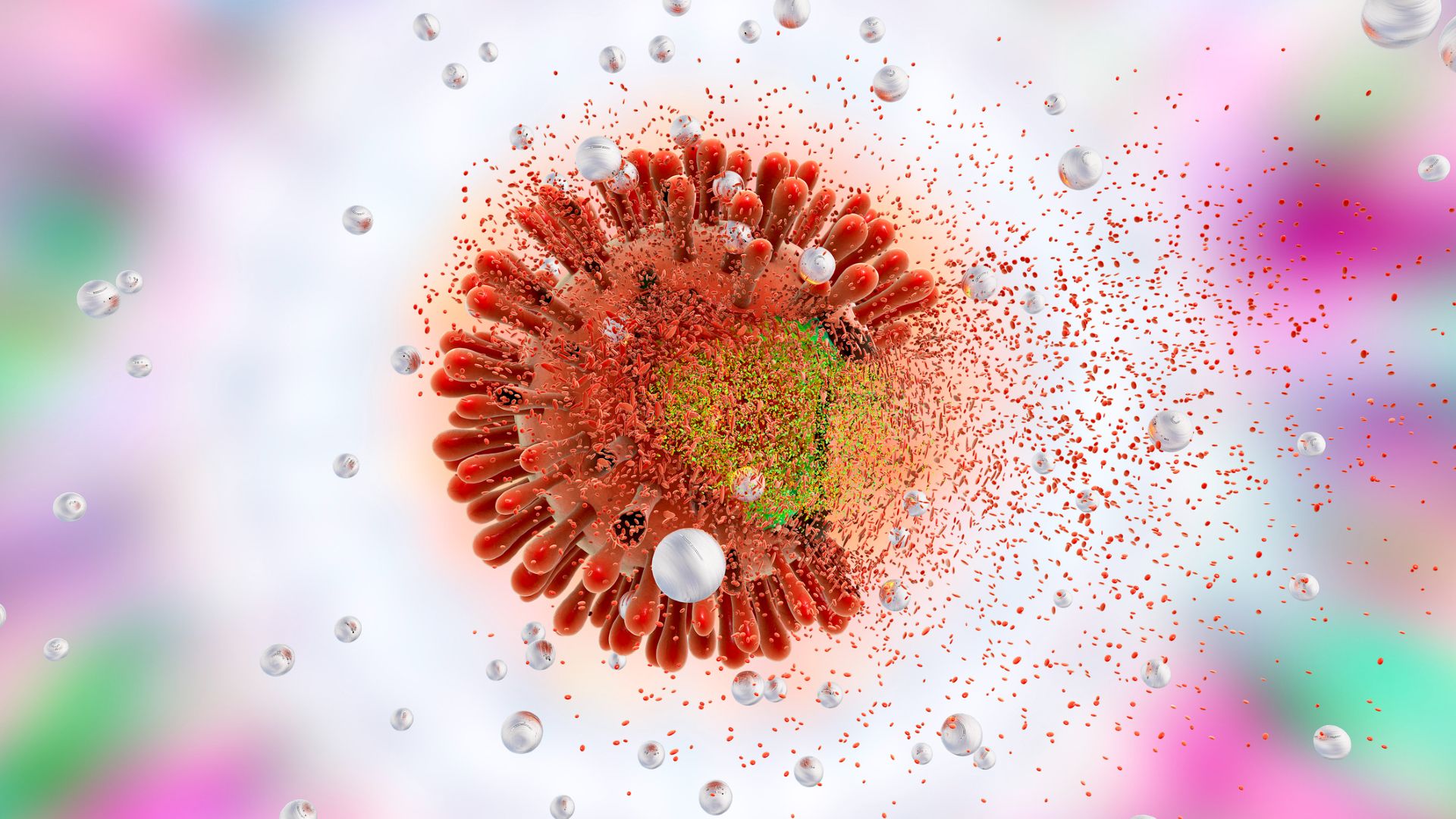
It was during this critical juncture that the patient’s medical team at Oslo University Hospital, led by Dr. Myhre, embarked on a search for a bone marrow donor. Their primary objective was to find an individual who possessed the CCR5 delta 32 mutation. This mutation is particularly sought after in HIV-positive patients undergoing transplantation because it prevents the virus from entering host cells. HIV typically uses the CCR5 receptor on the surface of T cells to gain entry. Individuals with two copies of the mutated CCR5 gene (CCR5 delta 32/delta 32) lack this receptor, rendering them highly resistant to infection by the most common strains of HIV.
The medical team was aware of previous cases where HIV-positive patients with blood cancers had undergone transplants with donors carrying the CCR5 delta 32 mutation, resulting in long-term remission from both their cancers and HIV. While there have been more recent reports of HIV remission achieved through transplants without the CCR5 delta 32 mutation or with only one copy of it, the double-mutant donor remained the gold standard for conferring HIV resistance.
Regrettably, the initial search for a suitable donor with the double CCR5 delta 32 mutation proved unsuccessful. Faced with the urgent need to treat the patient’s life-threatening cancer, the team proceeded with a transplant using his 60-year-old brother as the donor. The brother’s bone marrow was considered a suitable match for treating the myelodysplastic syndrome. However, in a remarkable turn of events that has been described as akin to "winning the lottery twice," medical personnel discovered on the day of the procedure that the brother coincidentally possessed two copies of the CCR5 delta 32 mutation.
Dr. Marius Tråseid, a group leader, professor, and infectious-disease specialist at Oslo University Hospital, conveyed the patient’s elation to Live Science. "He was cured for his bone marrow disease, which could be fatal, and he’s also now cured for HIV, most likely," Dr. Tråseid stated, emphasizing the dual benefit of the transplant.
Following the transplant, the patient did experience a common post-transplant complication known as graft-versus-host disease (GvHD). This occurs when the newly transplanted immune cells, derived from the donor’s stem cells, recognize the patient’s body as foreign and mount an immune response against it. Fortunately, this complication was effectively managed with an immune-modulating medication. Over time, the patient’s new immune system, endowed with the HIV-resistant CCR5 receptors, successfully integrated and took over. A comprehensive analysis conducted two years post-transplant revealed that the new cells had completely replaced the patient’s original immune cells in his blood, bone marrow, and gut.
Confirmation of Remission: "Most Likely, It’s a Cure"
The critical question after such a transplant is whether the patient can safely discontinue their antiretroviral therapy (ART). Dr. Tråseid was tasked with evaluating the Oslo patient’s status, and the results of rigorous testing were overwhelmingly positive. Extensive analysis of the patient’s immune system confirmed a complete transformation, leaving no detectable trace of HIV. Specifically, researchers collected approximately 65 million CD4 T cells, the primary cells targeted by HIV, and found that none harbored replicative virus.
Twenty-four months after the transplant, the patient received clearance to cease ART. Since then, there has been no evidence of viral rebound, a phenomenon where HIV re-emerges in the bloodstream after treatment interruption. The medical team meticulously examined lymph tissues in the patient’s gastrointestinal tract, which are known reservoirs for HIV, and found no evidence of the virus. Further immunological tests revealed that the patient’s new immune cells responded robustly to common viruses such as Epstein-Barr virus (mono) and influenza viruses, indicating a healthy immune function. However, these cells did not react to HIV.
"So they function well, but they do not recognize HIV," Dr. Tråseid observed. "It seems like his new immune system has never met HIV and does not recognize it."
Based on these comprehensive findings, Dr. Tråseid and his colleagues concluded that the Oslo patient’s case represents a "likely cure" for HIV. While the medical community often uses the term "sustained remission" to describe such long-term outcomes due to the absence of a universally agreed-upon definition of a "cure," the practical implication for the Oslo patient is profound: he no longer requires daily medication to manage the virus.
However, Dr. Tråseid also acknowledged the unknown long-term implications. "What will happen when some of these cure cases reach very old age and the immune system starts to decline a bit for other reasons? We don’t know," he stated. "I think we will just need to see. But most likely, it’s a cure."
The rigorous testing protocols employed in this study are expected to serve as valuable benchmarks for future transplant cases, aiding clinicians in assessing long-term remission. Furthermore, studying these patients offers invaluable insights that could pave the way for novel strategies to control HIV more effectively.
The Path Towards a Functional Cure
Dr. Tråseid views the study of these transplant cases as crucial "stepping stones on the way to a functional cure." A functional cure would entail the sustainable suppression of HIV within the body without necessarily requiring its complete eradication, a significantly more challenging objective.
While ART remains highly effective in controlling viral replication, preventing disease progression, and halting transmission, its lifelong adherence presents significant logistical and financial hurdles for many individuals living with HIV. The stigma associated with an HIV diagnosis can also impede access to consistent treatment. Moreover, bone marrow transplants, despite their potential to induce long-term remission, are inherently high-risk procedures. They are typically reserved for patients with concurrent life-threatening conditions, such as advanced cancers, for whom the benefits outweigh the substantial risks.
"The number of people living with HIV worldwide is more than 30 million, so it’s also not feasible to give them all transplants," Dr. Tråseid pointed out. "We need to find other strategies to cure or control the virus."
In this regard, recent clinical trials exploring the potential of engineered antibodies are showing promise as a means of controlling the virus without the need for ART. In Europe, a collaborative effort known as EU2Cure has been established to accelerate the development of these and other innovative HIV cure strategies.
"Hopefully, we can move the threshold a little bit with each trial," Dr. Tråseid concluded, expressing optimism for the future. "And eventually, get a functional cure where a large fraction of people can live for a longer time without taking meds." The Oslo patient’s case stands as a powerful beacon of hope, underscoring the remarkable advancements being made in the relentless pursuit of an HIV-free future.
This article is intended for informational purposes only and does not constitute medical advice. Consult with a qualified healthcare professional for any health concerns or before making any decisions related to your health or treatment.