The Evolution of Extreme Music in Public Spaces Napalm Death and the Future of the NPR Tiny Desk Concert Series

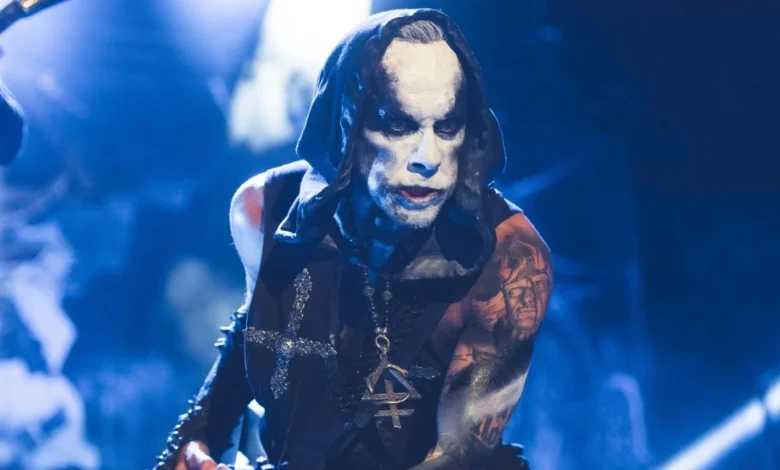
On July 15, 2026, National Public Radio (NPR) significantly expanded its cultural footprint by hosting a Tiny Desk Concert featuring the legendary English grindcore pioneers Napalm Death. This performance marked a pivotal moment in the history of the long-running series, which has traditionally been associated with indie rock, folk, and jazz. While the program has occasionally ventured into heavier territory in previous years, the inclusion of a band known for the extreme speed, dissonance, and socio-political ferocity of grindcore represents a new frontier for public broadcasting. The session, filmed at the iconic desk of former All Songs Considered host Bob Boilen, featured the band’s signature high-velocity sound in a setting that usually demands intimacy and restraint.
The performance was notable not only for its volume but for its technical precision. Napalm Death, a band that has been active since 1981 and is credited with defining the grindcore genre, did not significantly alter their sonic assault for the NPR audience. However, the logistical challenges of the performance were met with professional ingenuity. A key highlight for observers was the presence of the band’s stage manager and technician, Matt Sheridan, who stepped in to handle bass duties for the session. Sheridan, wearing a shirt from the sludge/doom metal band Primitive Man, provided a visual and auditory link to the broader underground metal community, reinforcing the authenticity of the performance within a mainstream institutional setting.
The Significance of Napalm Death in a Mainstream Context
To understand the weight of this event, one must consider the historical importance of Napalm Death. Originating in Meriden, West Midlands, the band’s 1987 debut album, Scum, is widely regarded as the blueprint for grindcore—a genre that blends the speed of hardcore punk with the aggression of death metal. Over the course of four decades, the band has evolved from a noise-focused collective into a sophisticated musical entity that tackles themes of human rights, anti-capitalism, and social justice.
The decision by NPR to feature such an uncompromising act reflects a broader trend in the 2020s: the mainstreaming of extreme music. Once relegated to tape-trading circles and small clubs, the aesthetics and philosophies of extreme metal and hardcore are increasingly finding a home in prestigious cultural venues. The Napalm Death session follows in the footsteps of other "heavy" Tiny Desk milestones, most notably the 2021 appearance by the hardcore band Turnstile and the 2023 performance by the satirical shock-rock group Gwar. However, where Turnstile brought a melodic, high-energy groove and Gwar brought theatricality, Napalm Death brought a raw, uncompromising intensity that challenged the very acoustic properties of the NPR office space.
A Chronology of Heavy Music at Tiny Desk
The trajectory of heavy music at NPR has been one of gradual escalation. The Tiny Desk series, which began in 2008, was initially designed as a way for artists to perform in a stripped-down, "unplugged" manner. For many years, the loudest acts were typically indie rock bands with traditional drum kits.
The timeline of diversification began to accelerate in the late 2010s:
- 2010s: Occasional appearances by "loud" indie acts like Idles or The Men.
- 2021: Turnstile’s performance went viral, demonstrating that the energy of a mosh pit could be translated—at least visually—to the Tiny Desk format. Their set became one of the most-watched in the series’ history, proving there was a massive audience for heavy genres.
- 2023: Gwar’s appearance signaled NPR’s willingness to embrace the more "extreme" visual elements of metal culture, though their musical delivery was somewhat adapted for the room.
- 2026: Napalm Death’s session removed the remaining barriers, presenting grindcore in its purest form without the softening of acoustic instruments or theatrical gimmicks.
This progression suggests that the curators at NPR Music are increasingly viewing heavy music not as a niche curiosity, but as a vital component of the global musical landscape that deserves the same institutional respect as any other genre.
Analytical Implications: The Crossover Effect
The Napalm Death performance has sparked a wider conversation among music critics and industry analysts regarding which other extreme acts might be suited for the Tiny Desk treatment. The success of these sessions relies on the "fish out of water" effect—the juxtaposition of aggressive, loud music with the quiet, scholarly environment of a public radio office. Several bands have emerged as likely candidates for future sessions, based on their current cultural momentum and musical versatility.
Knocked Loose and Modern Hardcore
Industry insiders frequently point to the Kentucky-based band Knocked Loose as the most logical successor to the Napalm Death session. Knocked Loose has achieved a level of crossover success rarely seen in modern metalcore, performing at major mainstream festivals like Coachella and Bonnaroo. Their 2024 album, You Won’t Go Before You’re Supposed To, received critical acclaim from outlets ranging from Rolling Stone to Pitchfork. Their ability to maintain a high-intensity performance while appealing to a younger, more diverse demographic makes them a prime candidate for an NPR feature. Analysts suggest that a Knocked Loose Tiny Desk would likely break viewership records for the series’ heavy music category.
Corrosion of Conformity: The Acoustic Potential
While Napalm Death chose to remain loud, other heavy bands offer the potential for a radical reimagining of their work. Corrosion of Conformity (COC), a band that transitioned from crossover thrash to a "Southern sludge" sound in the 1990s, is often cited by fans as a band that could excel in a fully acoustic setting. Their blues-influenced riffs and the soulful vocals of Pepper Keenan would lend themselves naturally to a stripped-down arrangement. Songs like "Albatross" and "Clean My Wounds" possess a melodic foundation that could be translated into a "Southern Gothic" folk style, providing the kind of organic, intimate performance that Tiny Desk was originally built for.
Behemoth: Theatricality vs. Minimalism
The Polish black/death metal band Behemoth presents a different set of opportunities. Known for their elaborate stage shows, occult imagery, and high-production ceremonies, Behemoth would represent a significant visual challenge for the Tiny Desk team. However, critics have noted that the band’s more recent work, such as "Bartzabel" or "Ora Pro Nobis Lucifer," contains a rhythmic and atmospheric depth that could be enhanced by a more subdued, candlelit office performance. This would allow the band to showcase the technicality of their songwriting without the distraction of pyrotechnics and large-scale stage sets.
Nailbomb: The Political Alignment
The 2024 reunion of Nailbomb—a project originally formed by Max Cavalera (formerly of Sepultura) and Alex Newport (Fudge Tunnel)—has also entered the conversation. Nailbomb’s music is characterized by industrial influences and a fierce, socially conscious lyrical focus. Given NPR’s history of featuring artists with strong political and social messages, Nailbomb’s themes of anti-authoritarianism and social justice would align well with the platform’s editorial values. Their 1994 album Point Blank remains a cult classic, and their recent return to the touring circuit suggests a renewed relevance in a politically charged global climate.
Broader Cultural Impact and Public Response
The reaction to Napalm Death’s performance has been largely positive, though it has not been without controversy. Traditionalist listeners of public radio have occasionally expressed confusion over the inclusion of extreme genres, citing the "unlistenable" nature of the vocals and the perceived lack of melody. However, musicologists argue that these performances serve an educational purpose, demystifying subcultures that are often misunderstood or maligned by the general public.
Data from NPR’s digital platforms indicates that heavy music sessions attract a significantly younger audience than the average Tiny Desk Concert. This demographic shift is crucial for the long-term sustainability of public broadcasting. By featuring acts like Napalm Death, NPR is not only documenting the diversity of the musical world but is also securing its relevance with a generation of listeners who value authenticity and intensity over traditional radio friendliness.
Furthermore, these performances provide a platform for technical workers within the industry, as seen with the recognition of Matt Sheridan. By highlighting the roles of stage managers and technicians, the series sheds light on the labor that sustains the music industry, a topic that is frequently discussed in NPR’s broader journalistic output.
Conclusion
The Napalm Death Tiny Desk Concert of 2026 stands as a testament to the durability and adaptability of both the band and the broadcast institution. It proves that even the most extreme forms of human expression can find a place within the hallowed halls of public media when presented with respect and professional rigor. As the "seal is broken" on extreme metal at the Tiny Desk, the industry looks forward to seeing how other heavy acts will navigate the transition from the mosh pit to the office desk, further blurring the lines between the underground and the mainstream. The event confirms that in the modern era of music consumption, there are no longer any rules governing what constitutes "public" music, provided the performance is executed with the skill and conviction demonstrated by the legends of Birmingham.