Drake Establishes Nocta Manor at Pendry Natirar as Multi-Day Luxury Retreat for Music and Sports Elite

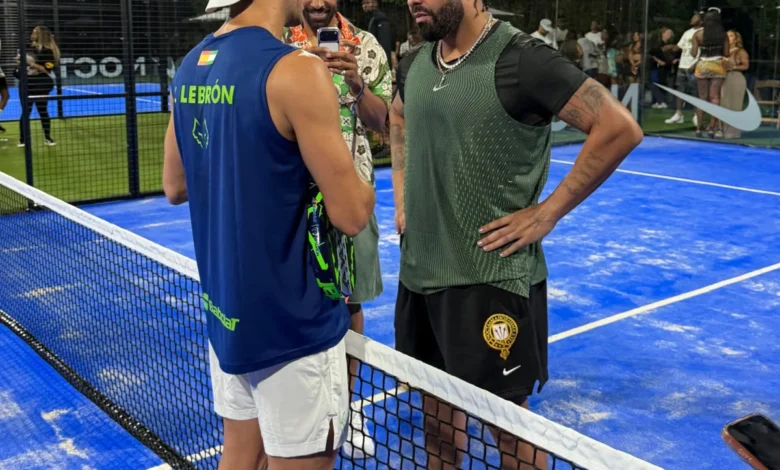
The global music icon Drake has transitioned his recent public appearances from the urban landscape of Toronto and New York City to a secluded, high-end residency in the Somerset County suburbs of New Jersey. After a series of high-profile sightings in Manhattan and an appearance at the FIFA World Cup festivities at MetLife Stadium, the artist—legally known as Aubrey Drake Graham—has effectively requisitioned the Pendry Natirar, a five-star luxury resort in Peapack, for an exclusive branding event and retreat titled Nocta Manor. This multi-day takeover serves as a strategic pivot for the artist as he continues the rollout of his latest project, Iceman, while simultaneously strengthening his long-term partnership with Nike through his NOCTA apparel line.
The Strategic Relocation to Somerset County
The move to the Pendry Natirar marks a departure from Drake’s typical metropolitan strongholds. Throughout the spring and early summer, the rapper maintained a heavy presence in his hometown of Toronto, overseeing the initial phases of the Iceman marketing campaign. However, his recent arrival in the New York tri-state area signaled a shift in both geography and strategy. Following a Friday night appearance on the streets of New York City and a Saturday spent among A-list celebrities at MetLife Stadium for the World Cup, the artist moved approximately 50 miles west to the rolling hills of North Jersey.
The Pendry Natirar, situated on a sprawling 500-acre estate, offers the level of privacy and opulence required for a high-stakes brand activation. Formerly a private mansion built in 1912 by king of the copper industry George B. Ladd, the property was later owned by King Hassan II of Morocco before its transformation into a luxury resort. By selecting this venue, Drake’s team has created a "hermetically-sealed ecosystem," allowing the artist to host a curated list of associates far from the scrutiny of the Manhattan paparazzi and the tensions of recent industry rivalries.
A Convergence of Sports, Music, and Social Media Influence
The Nocta Manor retreat is characterized by its high-density concentration of cultural influencers. The guest list reflects Drake’s unique position at the intersection of professional sports and contemporary music. Among the notable attendees identified through social media dispatches are NBA superstars Kevin Durant and Devin Booker, rising hip-hop artist Yeat, and the viral rap sensation Sexyy Red.
The event’s programming appears to blend traditional luxury hospitality with highly specific branding elements. Reports from the interior of the manor indicate a series of curated dinners where guests were seated in a meticulously planned hierarchy. One notable dinner featured Drake, adorned in a custom oversized robe, seated between Devin Booker and Yeat. The presence of legacy R&B group Jagged Edge, who provided a live performance, suggests a deliberate effort to bridge the gap between 1990s nostalgia and modern chart-toppers.
Further emphasizing the "manor" theme, guests were provided with high-concept party favors, including replicas of the iconic gloves worn by Michael Jackson. These novelties, combined with formal photography sessions—such as Kevin Durant posing for "prom-style" photos with Sexyy Red—underscore the event’s objective: the creation of viral, aspirational content that reinforces the lifestyle brand associated with the NOCTA label.
Brand Integration and the NOCTA Partnership
Nocta Manor is not merely a social gathering but a sophisticated brand activation for NOCTA, the sub-label launched by Drake in collaboration with Nike in late 2020. The brand, which draws inspiration from the "nocturnal" lifestyle of the artist, focuses on functional, high-quality sportswear and street fashion. This year’s retreat in Peapack reportedly represents the second annual installment of the Nocta Manor concept, suggesting that these private, high-luxury summits are becoming a staple of the brand’s marketing calendar.
The branding of the resort was comprehensive. The interior spaces of the Pendry Natirar—including its hallways, tennis courts, and communal lounges—were reportedly decorated with tributes to Drake’s career achievements. Displays included visual representations of his various streaming records and billboard milestones. This environment serves as a physical manifestation of the artist’s commercial dominance, providing a backdrop where his latest musical works are the primary focus of the soundtrack.
Chronology of the Residency
The timeline of the Nocta Manor takeover highlights a calculated progression from public visibility to private exclusivity:
- Friday Evening: Drake is spotted in downtown New York City, engaging in brief public interactions and signaling his arrival in the region.
- Saturday Afternoon: The artist attends the World Cup event at MetLife Stadium in East Rutherford, NJ, maintaining a high-profile presence alongside global athletes and entertainers.
- Sunday Evening: Initial reports surface of a major security presence and celebrity arrivals at the Pendry Natirar in Peapack.
- Monday – Wednesday: The "Nocta Manor" festivities commence in earnest. Social media clips reveal private dinners, athletic activities on the estate’s courts, and late-night listening sessions.
- Thursday: The retreat continues with a focus on internal brand meetings and content creation for upcoming NOCTA releases.
Broader Impact and Industry Implications
The establishment of Nocta Manor occurs during a complex period for Drake’s public persona. Following a highly publicized lyrical dispute with Kendrick Lamar earlier this year, industry analysts have noted a shift in how the OVO leader manages his image. The New Jersey retreat serves as a powerful counter-narrative, projecting an image of unbothered luxury, immense social capital, and unwavering corporate support from partners like Nike.
By retreating to a private estate with a "cadre" of loyalists and high-profile peers, Drake effectively controls the environment in which his new music is consumed. Clips leaking from the party show the DJ playing Drake’s recent catalog extensively, with the artist seen "basking" and "gloating" in the reception of his peers. This curated feedback loop is essential for maintaining brand momentum in the lead-up to the full release of the Iceman project.
Furthermore, the event highlights a growing trend in the luxury hospitality sector: the total "buyout" of resorts for private brand experiences. The Pendry Natirar, which typically caters to high-net-worth individuals seeking a quiet countryside escape, has been temporarily transformed into a hub of youth culture and hip-hop royalty. This demonstrates the immense purchasing power of the modern music mogul and the willingness of luxury brands to adapt their spaces for influencer-driven events.
Official Responses and Public Sentiment
While official representatives for Drake and the Pendry Natirar have declined to provide specific details regarding the costs or duration of the takeover, the impact on the local community in Somerset County has been palpable. Local law enforcement and private security firms have been tasked with managing the influx of high-profile vehicles and preventing unauthorized access to the estate.
Public reaction on social media has been divided. Supporters of the artist view Nocta Manor as the ultimate expression of success, a "don-like" move that mirrors the lifestyles of historical figures and fictional icons like Tony Soprano—a comparison Drake has frequently invited through his aesthetic choices. Conversely, critics suggest that the hermetic nature of the event is a defensive posture, a way to insulate the artist from a changing cultural tide.
Regardless of the interpretation, the data remains clear: the engagement metrics for the content produced at Nocta Manor are substantial. The images of NBA stars and chart-topping rappers in the pastoral setting of North Jersey have dominated social media feeds, ensuring that the NOCTA and Iceman brands remain at the forefront of the cultural conversation.
Conclusion
As Drake concludes his stay at the Pendry Natirar, the legacy of Nocta Manor 2024 will likely be measured by the subsequent performance of his Nike apparel line and the commercial reception of his upcoming musical releases. By successfully merging the worlds of high-end hospitality, professional sports, and hip-hop, the artist has demonstrated that his influence extends far beyond the recording studio. In the quiet hills of Somerset County, the "Iceman" has found a way to maintain his heat, creating a private world where his records are the only ones that matter and his status as a cultural arbiter remains unchallenged.
Related posts: