The Bay Theater in Pacific Palisades Officially Reopens Under Paramount Pictures Management Following Extensive Post-Wildfire Restoration

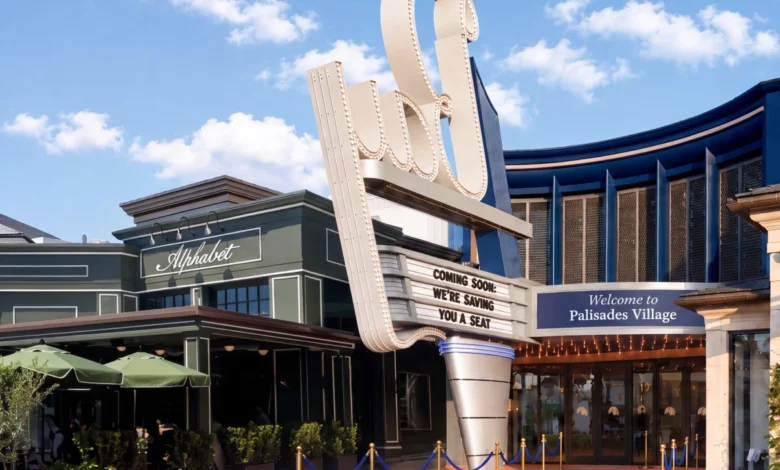
The Bay Theater, a cornerstone of the Pacific Palisades cultural landscape, is set to resume operations this Friday. The reopening marks a significant milestone for the coastal community, coming just one month after Paramount Pictures formally announced its acquisition of the cinema operations. The move signals a strategic shift in the distribution and exhibition landscape, as major studios increasingly seek to control the end-to-end moviegoing experience in premium, high-traffic retail environments.
A Timeline of Recovery and Transition
The path to this week’s reopening has been defined by a challenging period of closure and recovery. In January 2025, the Pacific Palisades region was struck by devastating wildfires that caused widespread disruption throughout the area. Among the casualties of the natural disaster was the Bay Theater, which had been under the stewardship of Netflix at the time. The damage necessitated a lengthy period of remediation and structural repair for both the cinema and the surrounding Palisades Village, a luxury shopping and lifestyle destination developed by Rick Caruso.
The broader Palisades Village complex managed a phased recovery, finally welcoming back shoppers and diners in August 2025. However, the theater remained dark as stakeholders negotiated a path forward. The announcement last month that Paramount Pictures—in partnership with developer Rick Caruso and the luxury cinema operator The Lot—would take over the venue provided the necessary momentum to finalize the restoration. This transition from a streaming-first operator like Netflix to a legacy studio like Paramount reflects a wider industry pivot toward "experiential cinema," where the theater functions as a high-end destination rather than merely a projection space.
Technological Advancements and Luxury Amenities
The reimagined Bay Theater has undergone a comprehensive technological overhaul. Operated by The Lot, a company specializing in upscale, dine-in cinema experiences, the five-auditorium multiplex now features state-of-the-art laser projection systems and immersive surround-sound arrays designed to compete with the quality of high-end home theater setups.
Beyond the audiovisual upgrades, the focus has been placed squarely on the "hospitality-first" model. The auditoriums are equipped with motorized, customizable seating that offers adjustable support for the head, neck, back, and feet. These seats are integrated with personal dining tables, USB charging ports, and discreet service buttons that allow patrons to request food and beverage service without disrupting the viewing experience.
The dining program is equally ambitious. Unlike traditional concessions, the Bay now offers a full-service, made-to-order menu featuring a range of appetizers, gourmet burgers, main entrées, and desserts. The establishment also boasts a sophisticated beverage program, highlighting craft beer, a curated wine list, and signature cocktails such as the "Pacific Blush," "Sunset Mule," and "Coastline Cantarito." A dedicated lounge and full-service bar area, anchored by a large-scale video wall for sports broadcasts, has been installed to encourage social gathering before and after screenings, effectively positioning the theater as a communal hub.
The Opening Slate and Programming Strategy
Paramount Pictures has curated an opening slate intended to appeal to a broad demographic, blending major theatrical releases with a diverse mix of genres. The marquee title for the grand reopening is Johnny Depp’s "Ebenezer," which begins its national theatrical run this Friday. The theater will also feature "The Cat in the Hat," "Wild Horse Nine," "You Can See Everything," and "Godzilla Minus Zero."
Industry analysts note that this programming strategy is a direct response to the current market demand for "eventized" cinema. While streaming continues to dominate the home market, the success of recent theatrical releases suggests that audiences are willing to pay a premium for high-quality, comfortable, and socially engaging out-of-home experiences. In addition to first-run films, the Bay is expected to host a variety of nostalgic classics, independent film festivals, and curated screenings, ensuring that the theater remains a sustainable fixture in the local cultural calendar.
Corporate Strategy and Market Implications
The involvement of Paramount Pictures in the management of a single, intimate neighborhood theater represents a tactical move in the studio’s broader distribution strategy. By controlling a boutique venue, Paramount gains a "showcase" location where they can test audience reactions to new releases, host exclusive premieres, and cultivate brand loyalty among a sophisticated, affluent consumer base.
Rick Caruso’s role in this partnership underscores the importance of synergy between commercial real estate and entertainment. Palisades Village was designed to act as a town center, and the Bay Theater serves as its cultural anchor. By restoring the theater to its former glory—and enhancing it with modern amenities—Caruso is reinforcing the long-term value of the entire retail complex.
For the community of Pacific Palisades, the reopening is more than just a return to business as usual; it is a symbol of resilience. The recovery of the Palisades Village and the return of the Bay Theater provide a sense of normalcy following the 2025 wildfire season, which had threatened to hollow out the neighborhood’s commercial heart.
Analytical Outlook on Cinema Exhibition
The industry at large is watching the Bay Theater’s reopening with interest. As exhibitors move away from the traditional high-volume, low-margin model of the early 2000s, the "luxury boutique" model has emerged as a frontrunner for long-term viability. This model relies on three key pillars:
- Premium Comfort: The reduction of seat counts to accommodate larger, more comfortable furniture, which justifies higher ticket prices.
- Integrated Hospitality: Capturing high-margin revenue through food and beverage service, which often accounts for a significant portion of a modern cinema’s total earnings.
- Hyper-Local Engagement: Tailoring programming to the specific demographics of the local neighborhood, rather than relying solely on mass-market blockbusters.
The partnership between a major studio (Paramount), a visionary developer (Caruso), and an expert operator (The Lot) creates a robust framework for this model. Should the Bay Theater prove successful in the coming months, it could serve as a blueprint for similar collaborations across the United States.
Community Impact and Future Prospects
Public reaction to the announcement has been largely positive, with local residents expressing enthusiasm for the return of a cinema within walking distance of their homes. The preservation of the "intimate neighborhood character" mentioned in the studio’s press release was a primary concern for the community during the renovation process. By maintaining the scale of the original theater while upgrading the internal hardware, the operators have managed to strike a balance between modern necessity and heritage.
The Bay Theater’s programming will likely continue to evolve. As the industry moves further into the 2026 release cycle, the theater is positioned to capitalize on special events, such as director Q&As and curated retrospective series, which further distinguish the cinema from the commoditized experience of home streaming.
In summary, the reopening of the Bay Theater is a testament to the enduring appeal of the cinema. While the methods of distribution and the expectations of the audience have shifted, the fundamental desire for a shared, high-quality, and immersive entertainment experience remains unchanged. As the doors open this Friday, the theater stands not just as a business, but as a critical component of the Pacific Palisades community, ready to usher in a new era of local entertainment. The collaborative effort to restore the venue serves as a case study in how stakeholders can successfully navigate the intersection of crisis recovery, corporate strategy, and neighborhood integration to preserve the cultural institutions that define our communities.