Volkswagen Further Delays US Return of ID. Buzz Electric Minibus to 2028 Model Year Amid Sluggish Sales and Inventory Backlog

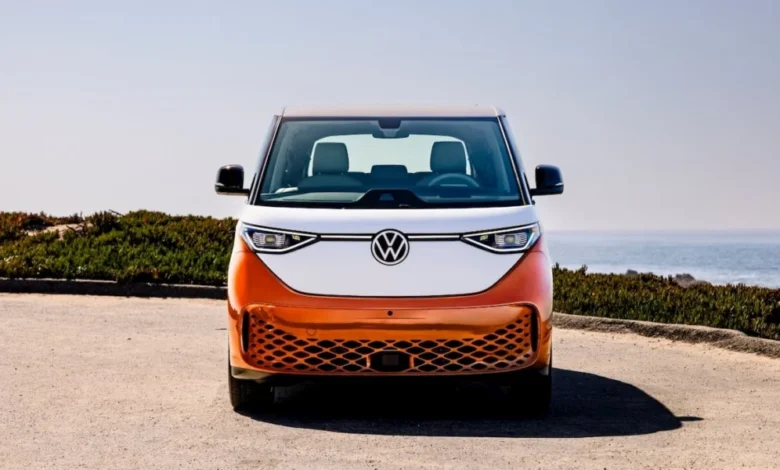
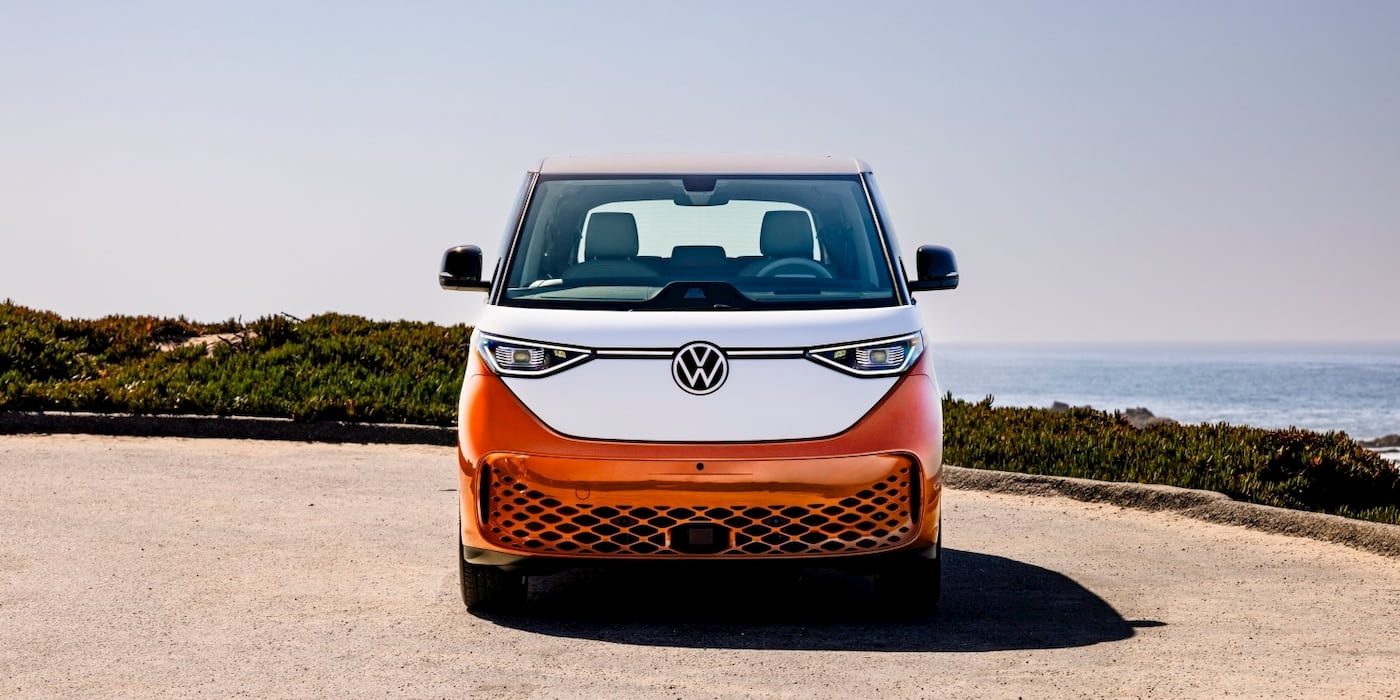
Volkswagen’s ambitious revival of its iconic electric minibus has hit another major roadblock in the United States. Following an initial launch that heavily relied on nostalgic appeal, the Volkswagen ID. Buzz will now skip not only the 2026 model year but also the previously planned 2027 cycle, pushing its next iteration in the American market back to the 2028 model year. The strategic shift was communicated directly to United States dealerships by corporate leadership, signaling a cautious approach by the German automaker as it reevaluates its electric vehicle strategy, inventory management, and competitive positioning in North America.
The decision underscores the challenges legacy automakers face when attempting to translate heritage designs into modern, high-volume electric vehicle successes. While the ID. Buzz generated immense public interest when it first debuted on US roads in 2024 as an all-electric reimagining of the classic Volkswagen Microbus, that initial wave of enthusiasm quickly cooled when buyers encountered practical and economic hurdles.
A Look Back: The Launch, Initial Hype, and Market Realities
When Volkswagen brought the ID. Buzz to the United States market in 2024, expectations were high. The vehicle was designed to capture the hearts of consumers through a potent mix of retro styling and modern zero-emission technology. However, the honeymoon phase was brief.
Market analysts point to several compounding factors that contributed to the vehicle’s sluggish commercial performance. Chief among these was the price point. With a starting MSRP hovering around $60,000, the ID. Buzz positioned itself as a premium offering, narrowing its addressable demographic. Furthermore, prospective buyers scrutinized its range specifications. The vehicle offered an EPA-estimated range of up to 234 miles on a single charge.
While 234 miles is generally considered sufficient for daily urban commutes and routine driving, family-oriented buyers looking for a vehicle capable of long-distance road trips or weekend getaways expected more. In comparison, competing three-row electric SUVs—such as the Kia EV9 and the Hyundai IONIQ 9—entered the market offering upwards of 300 miles of range, frequently at competitive or more flexible price points.
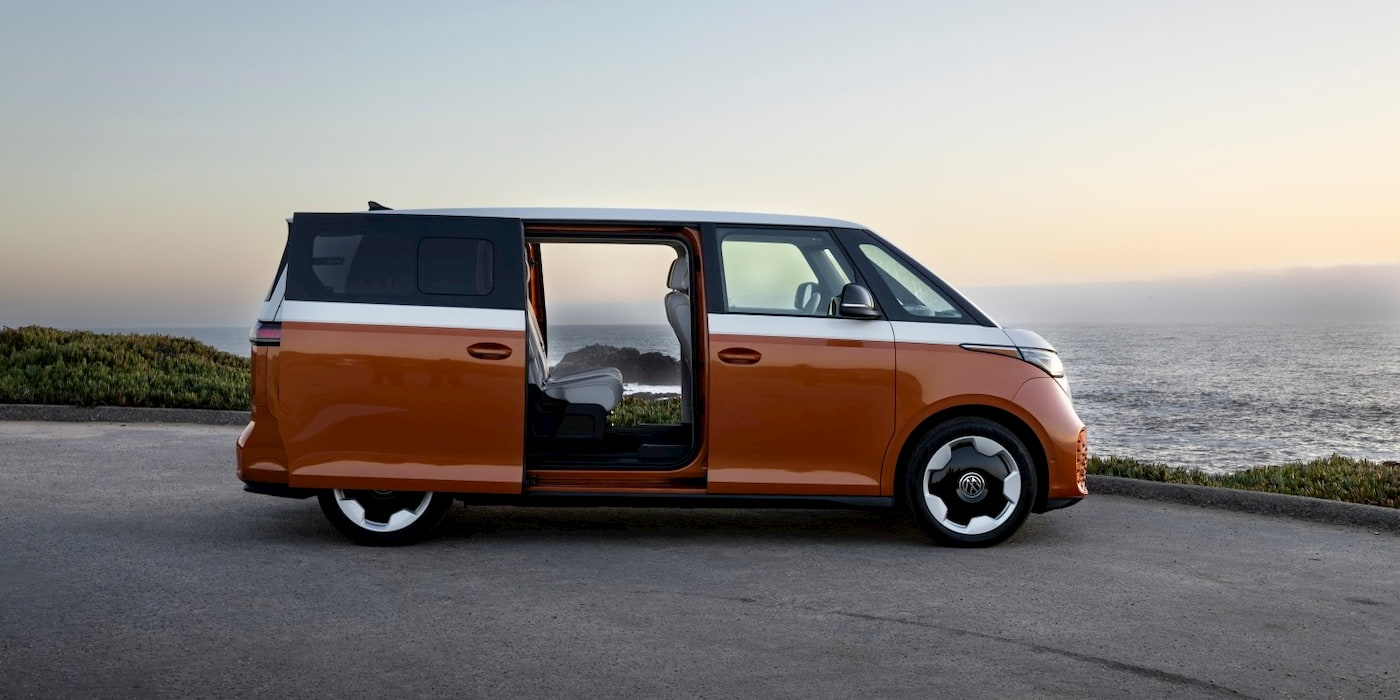
Consequently, sales figures reflected this mismatch with consumer demand. Throughout the entirety of last year, Volkswagen managed to move just 6,140 units of the ID. Buzz across the United States. This relatively modest sales volume quickly created an overflow of inventory at dealerships nationwide, forcing both the manufacturer and its dealer network to rethink how to handle the surplus before introducing fresh model iterations.
The Chronology of Delays: From 2026 Hiatus to 2028 Postponement
The path toward the current delay has been unfolding gradually through a series of corporate adjustments:
- December: Volkswagen Group of America Vice President and Chief Communications Officer Jeannine Ginivan confirmed to industry media that the ID. Buzz would bypass the 2026 model year in the United States. At the time, Ginivan emphasized that the vehicle was not being canceled outright. Instead, she explained that the company possessed "sufficient inventory" of existing models on dealership lots and intended to pivot directly toward a subsequent model year introduction to keep the pipeline balanced.
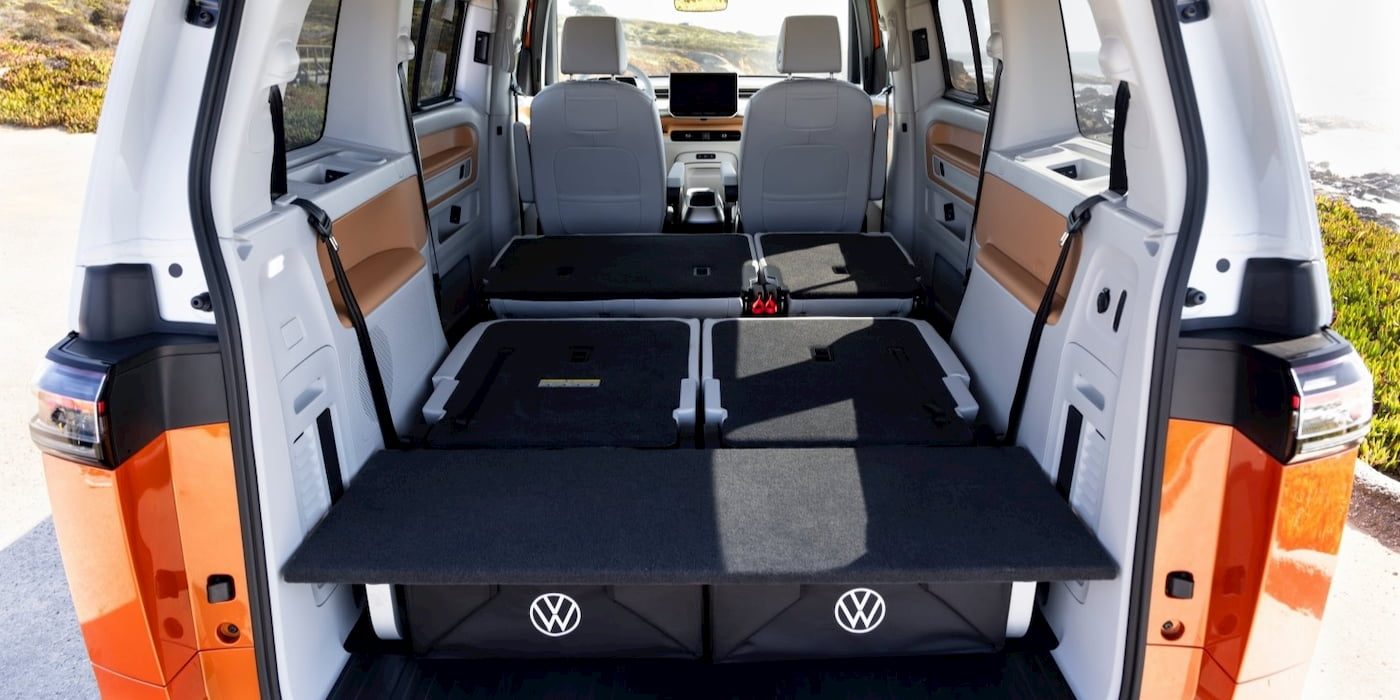
- Earlier This Year: Volkswagen teased a broader refresh for the electric minibus, previewing updates slated for a future release. These plans included the introduction of a new "Tourer" model optimized for overnight camping and travel, alongside announcements regarding the integration of the North American Charging Standard (NACS) to improve long-distance charging convenience. Analysts and dealers alike took these updates as a sign that a revamped version—widely anticipated as the 2027 model—was firmly on the horizon.
- September 24: Volkswagen abruptly altered its timeline. In an official communication sent to US dealerships, the company announced that the return of the ID. Buzz would be pushed back further, missing the 2027 model year entirely and shifting the target to the 2028 model year.
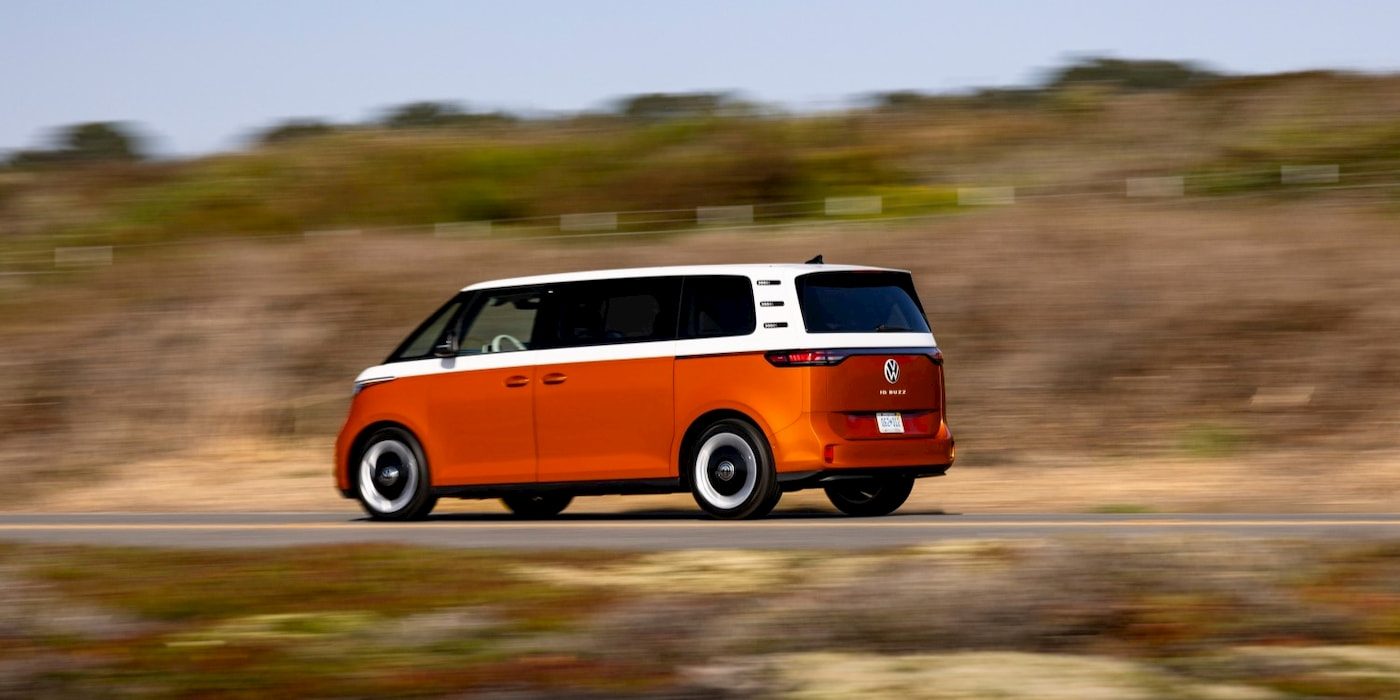
Current market tracker data illustrates the depth of the inventory clearance process. Listings on automotive marketplaces such as Cars.com indicate that only a few dozen—approximately 38—new 2025 Volkswagen ID. Buzz models remain available for purchase nationwide across the entire United States, showing that while inventory has dwindled, demand has not rebounded aggressively enough to warrant an immediate manufacturing surge for a near-term model year.
Broader Portfolio Adjustments and Corporate Strategy
The shelving of near-term model years for the ID. Buzz is not an isolated incident within Volkswagen’s American operations. The automaker is currently engaged in a comprehensive restructuring of its wider electric vehicle lineup in the United States.
Alongside the shifting timeline for the electric minibus, Volkswagen’s high-volume electric crossover, the ID.4, is also slated to skip the 2027 model year as the company revamps its manufacturing priorities, software architecture, and supply chain logistics. These synchronized pauses suggest a deliberate cooling-off period, allowing Volkswagen to recalibrate its production cadence to match actual consumer absorption rates rather than aggressive internal volume projections.
Industry observers note that automakers are increasingly forced to balance the high costs of EV development and retooling with a shifting regulatory landscape and fluctuating consumer demand curves. For Volkswagen, the nostalgic draw of the Microbus design proved powerful enough to generate curiosity, but bridging the gap between nostalgic novelty and practical, everyday utility requires addressing core consumer requirements regarding pricing, battery range, and charging infrastructure.
Industry Implications and Market Analysis
The postponement of the ID. Buzz highlights a broader lesson for the electric vehicle sector: heritage and emotional branding can successfully drive launch awareness, but they cannot indefinitely sustain sales if the underlying value proposition does not align with segment expectations.
In the three-row family vehicle space, utility, versatility, and range remain paramount. Families shopping in the $60,000-plus price bracket frequently prioritize maximum road-trip range and cargo flexibility over stylistic heritage. By taking a step back, pausing the immediate model-year turnover, and giving dealers time to clear remaining stock, Volkswagen is attempting to protect residual values and prevent lot stagnation.
Furthermore, integrating advanced features such as native NACS compatibility and lifestyle-oriented trims like the Tourer model in future iterations indicates that Volkswagen is listening to early consumer feedback. However, the crucial variable will be execution: whether the automaker can optimize production costs and enhance battery efficiency by the time the ID. Buzz reappears for the 2028 model year.

As the automotive landscape continues to evolve, Volkswagen’s measured retreat with the ID. Buzz demonstrates a pragmatic pivot away from forced volume toward sustainable, demand-driven scheduling. Industry analysts will be closely monitoring how the company utilizes this extended timeframe to reposition its electric halo vehicle for a more competitive American market.
Related posts: