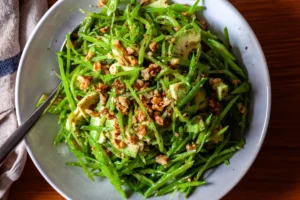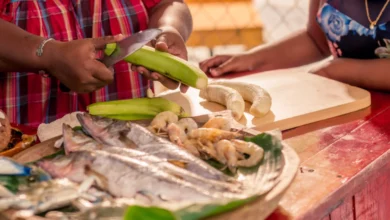
The onset of the summer season brings a distinct shift in consumer dietary patterns, characterized by a preference for lighter, nutrient-dense meals that leverage the peak availability of fresh produce. As temperatures rise, agricultural output from local farmers’ markets reaches its apex, providing a surplus of high-quality ingredients such as heirloom tomatoes, sweet corn, stone fruits, and leafy greens. This seasonal bounty allows for the creation of meals that are not only calorie-conscious but also nutritionally robust, aligning with dietary recommendations for increased intake of fiber, antioxidants, and essential vitamins.

The Shift Toward Seasonal Consumption Patterns
Data from the United States Department of Agriculture (USDA) suggests that seasonal eating—the practice of consuming produce during its natural harvesting period—offers significant benefits, including enhanced nutritional profiles and reduced supply chain overhead. During the summer months, the caloric density of meals often decreases as consumers pivot away from heavier, heat-intensive cooking methods in favor of rapid-preparation techniques such as grilling, raw assembly, and light sautéing.
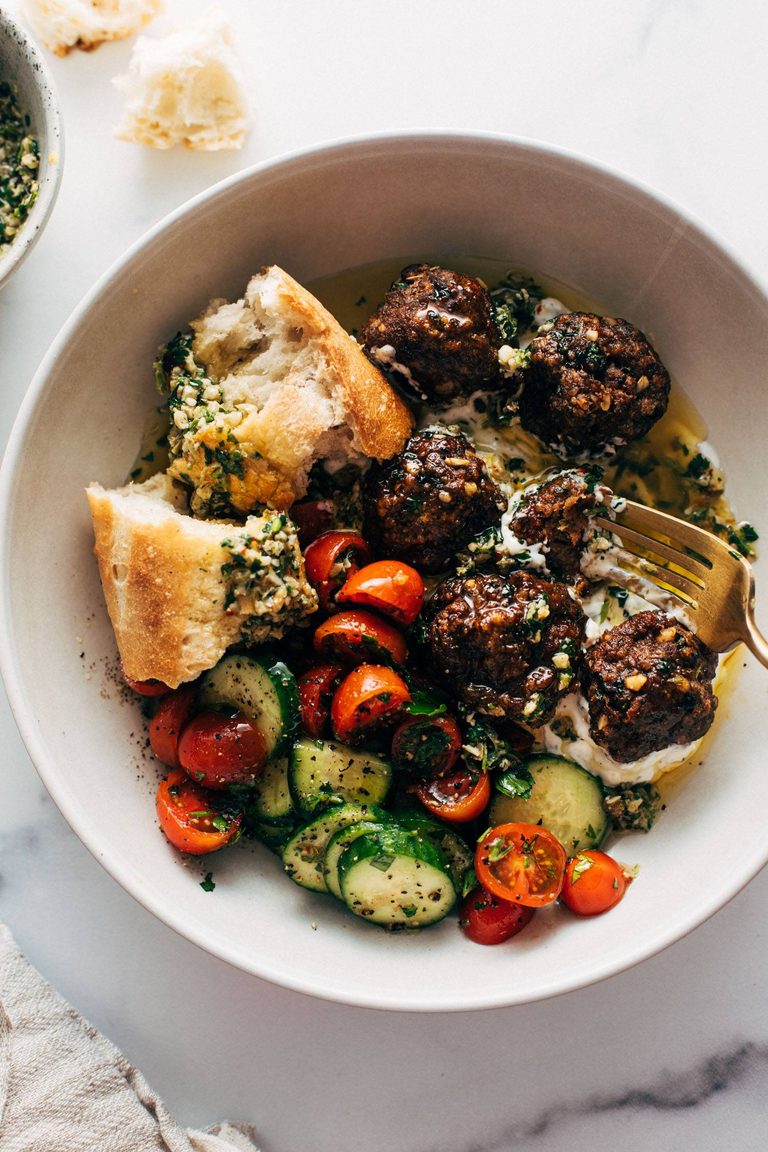
Nutritionists note that the psychological transition during summer months also plays a role in dietary success. The visual appeal of vibrant, multicolored ingredients encourages a diverse intake of phytonutrients. Unlike winter diets, which may rely on root vegetables and preserved grains, summer menus are dominated by high-water-content produce like cucumbers, zucchini, and peppers, which assist in hydration—a critical factor for public health during periods of extreme heat.
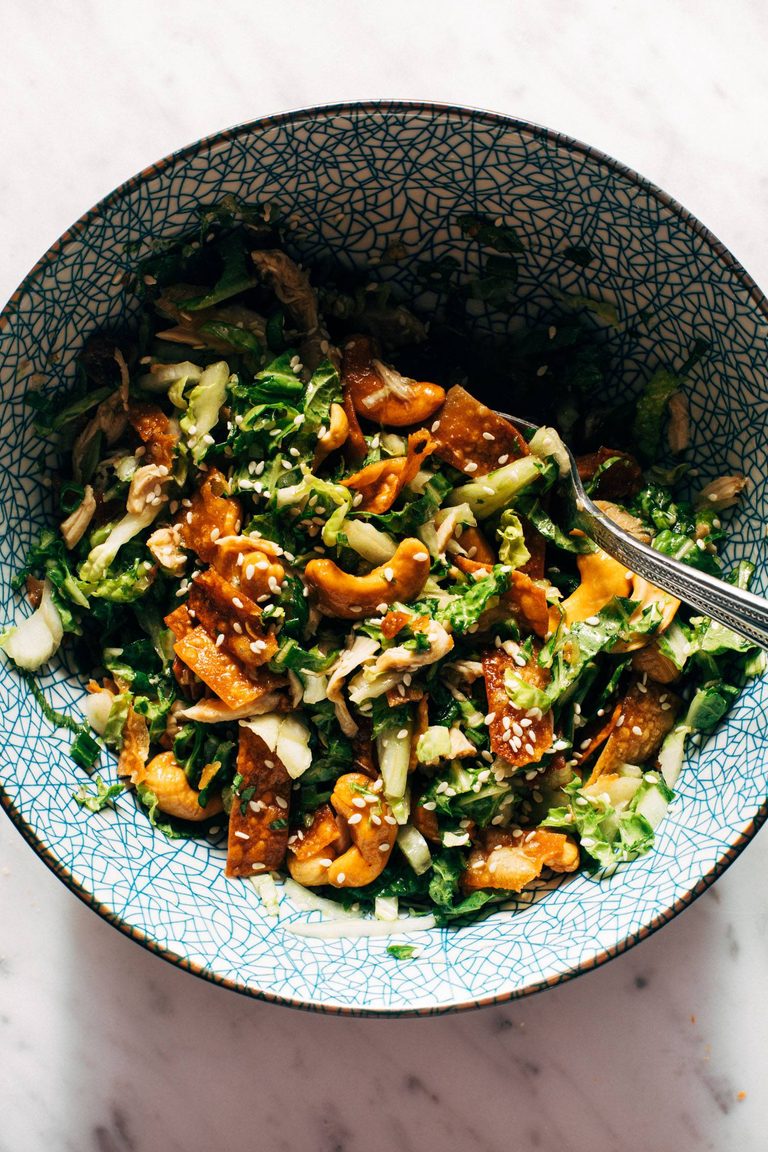
Curated Nutritional Frameworks for Summer Dining
The following menu categories represent a balanced approach to summer nutrition, emphasizing lean proteins, complex carbohydrates, and healthy fats, while minimizing processed additives.
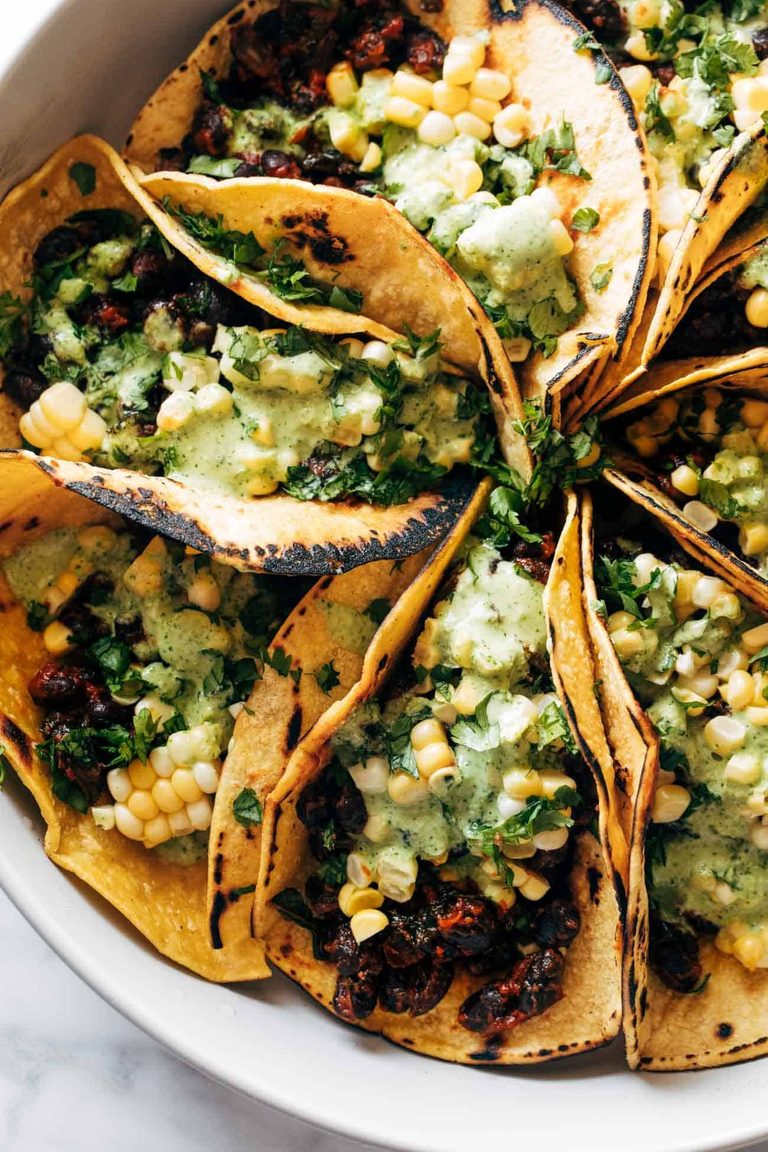
Protein-Forward Seasonal Bowls
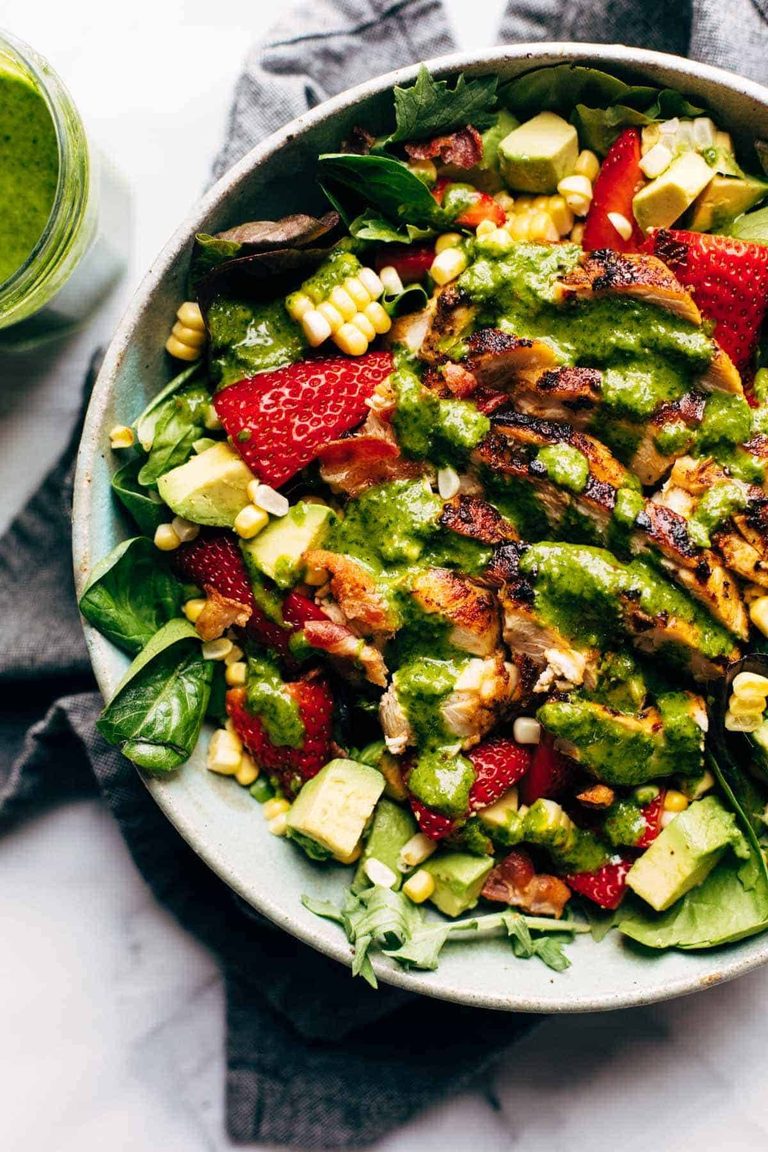
Lean proteins such as salmon, shrimp, and poultry serve as the foundation for many summer-focused meals. When paired with omega-3-rich fats, such as avocado or olive-oil-based vinaigrettes, these proteins support sustained satiety.
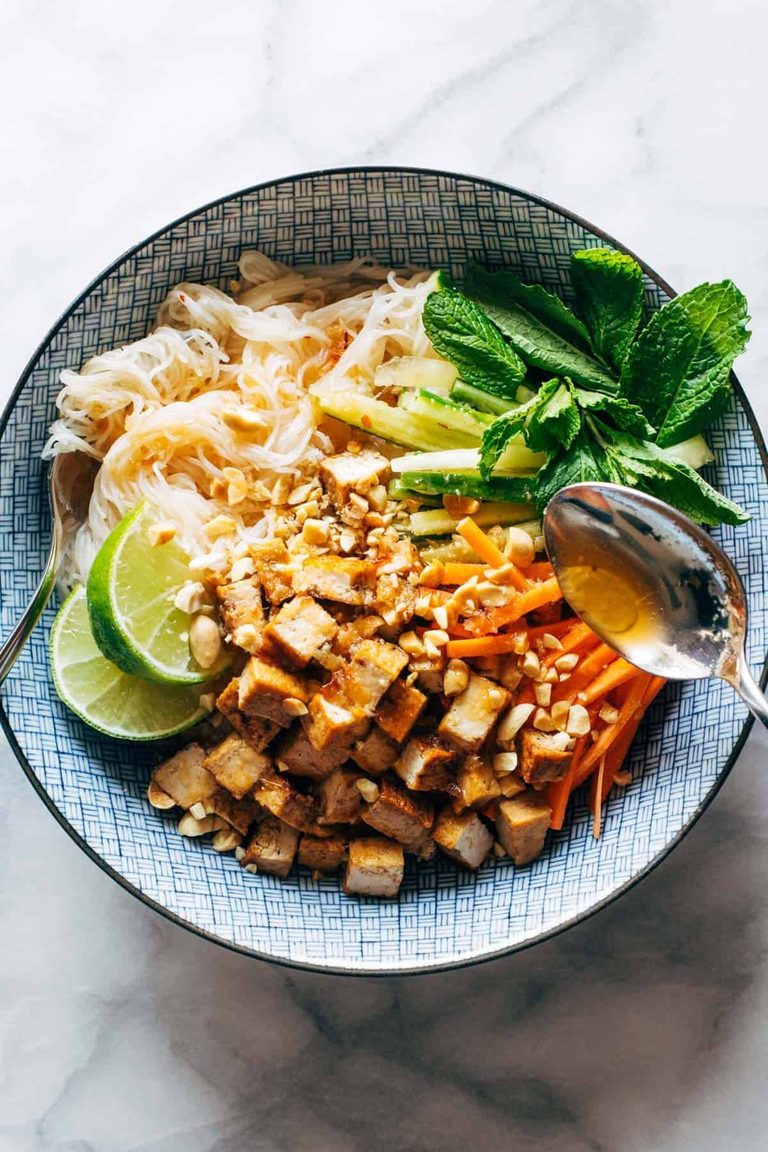
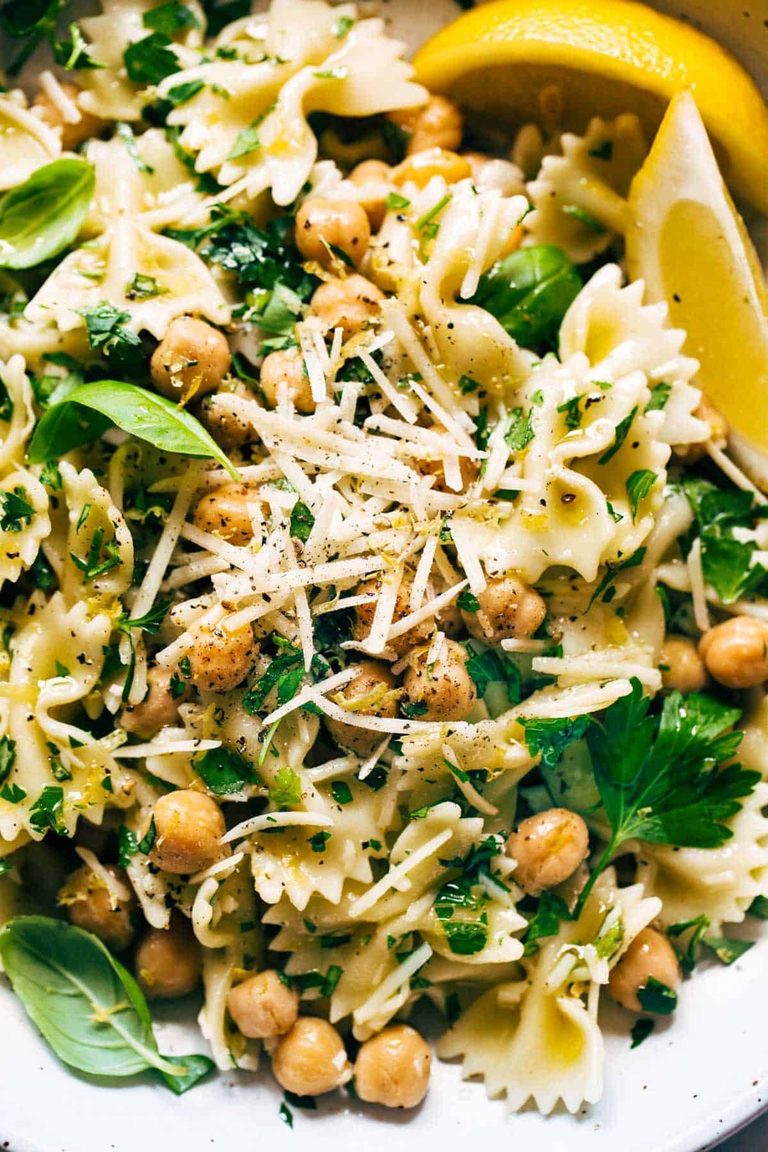
- Salmon and Basil Infusion: Salmon, a primary source of omega-3 fatty acids, is frequently prepared with fresh basil sauces to introduce aromatic compounds that reduce the need for sodium-heavy seasoning.
- Chipotle and Citrus Combinations: The integration of lean chicken with fruit-based salsas—such as peach, mango, or orange—leverages the natural acidity of the fruit to tenderize the protein while providing a distinct flavor profile without high-sugar glazes.
Plant-Centric Carbohydrate Sources
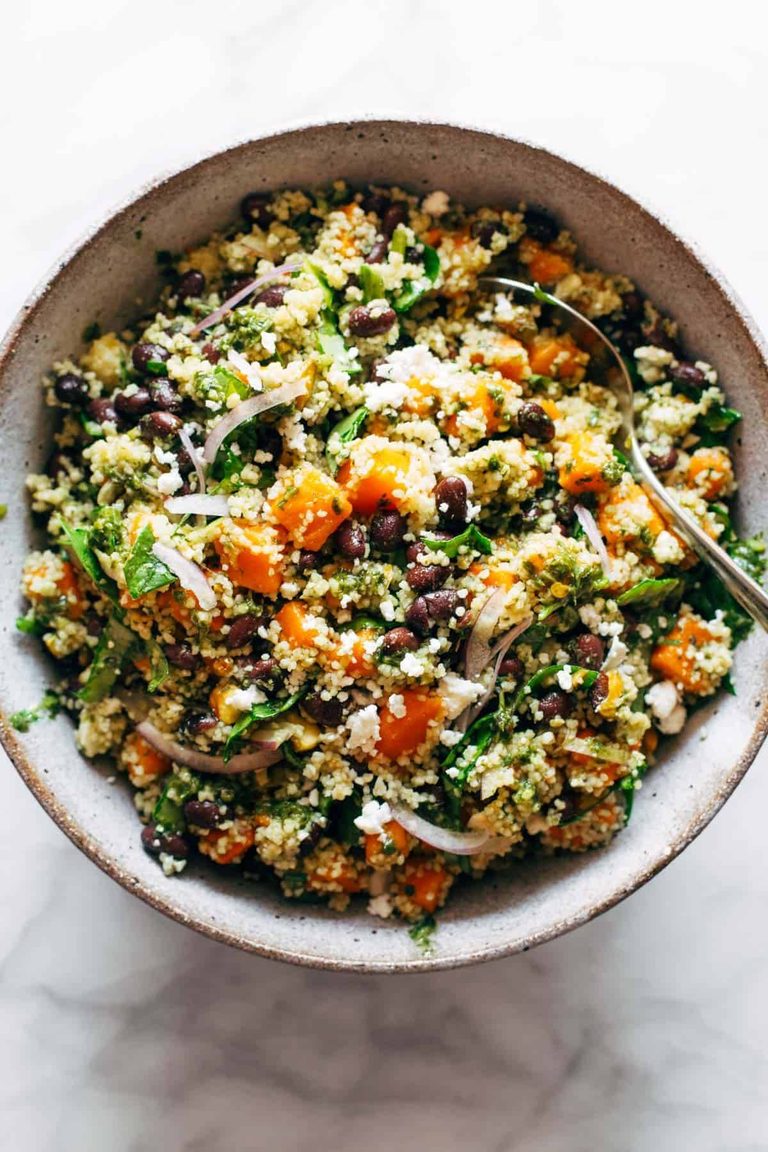
Complex carbohydrates, including quinoa, farro, and couscous, provide the necessary energy for increased summer activity levels. Unlike refined pasta, these ancient grains offer a higher protein-to-fiber ratio.
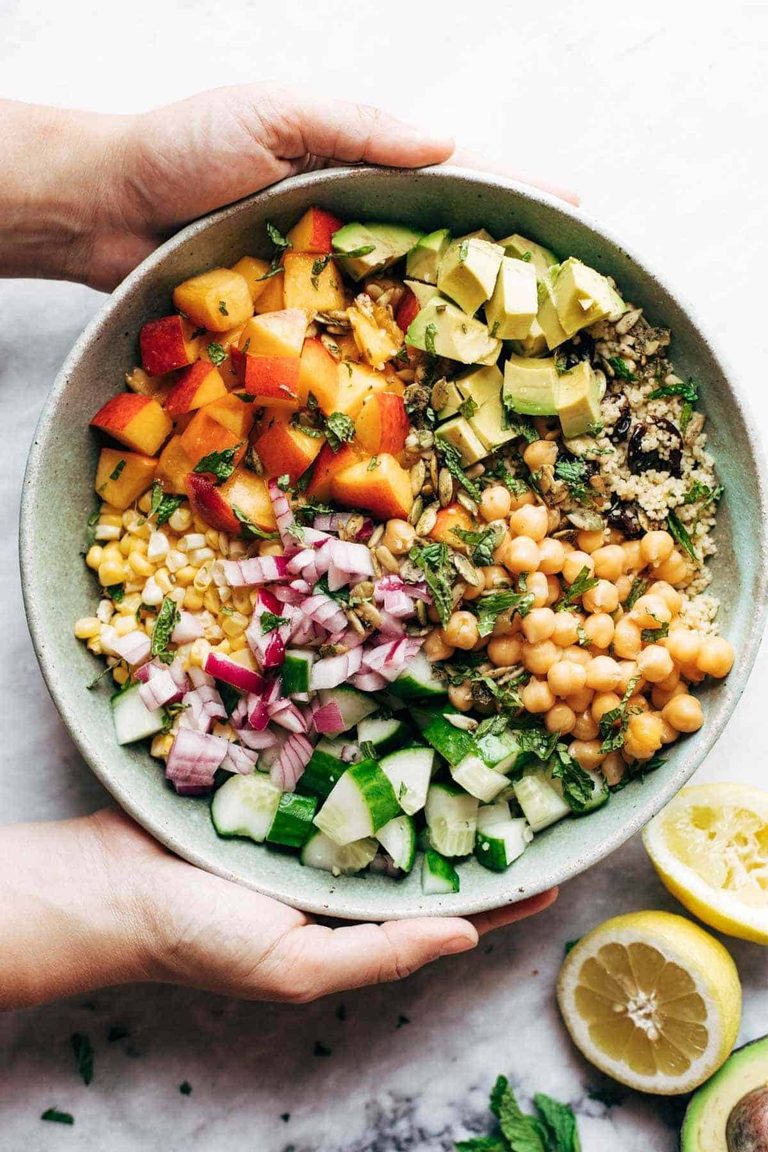
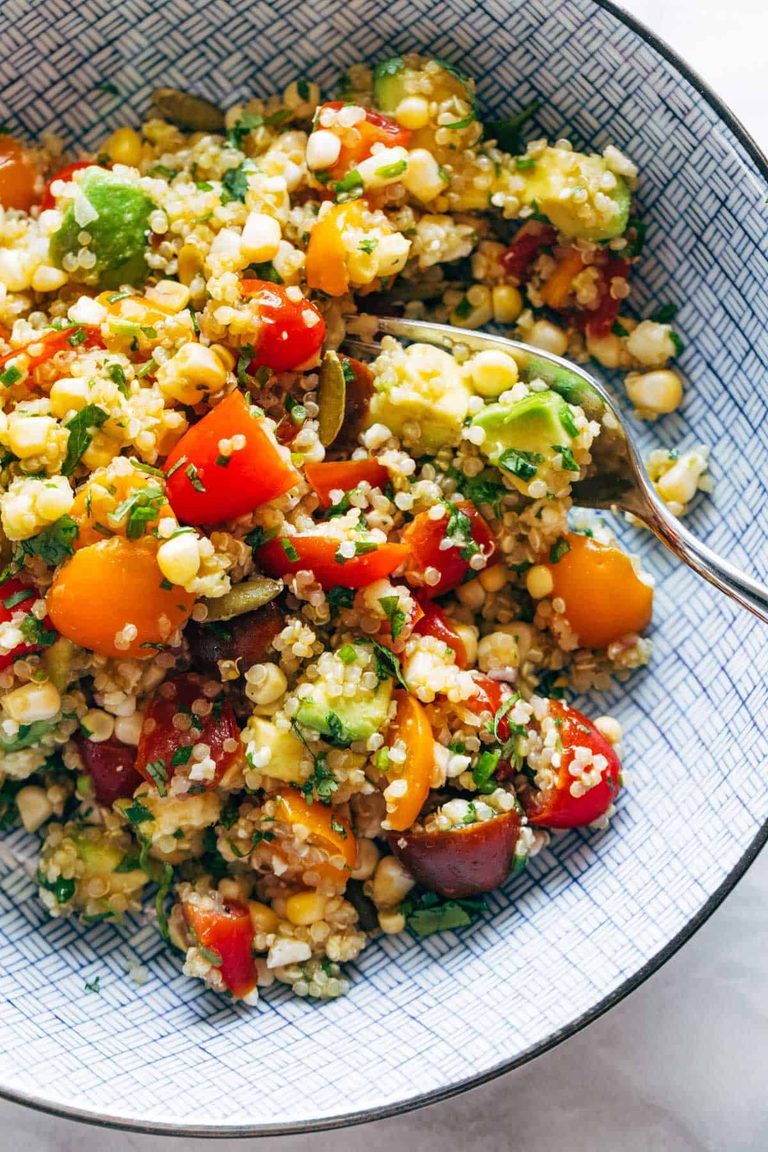
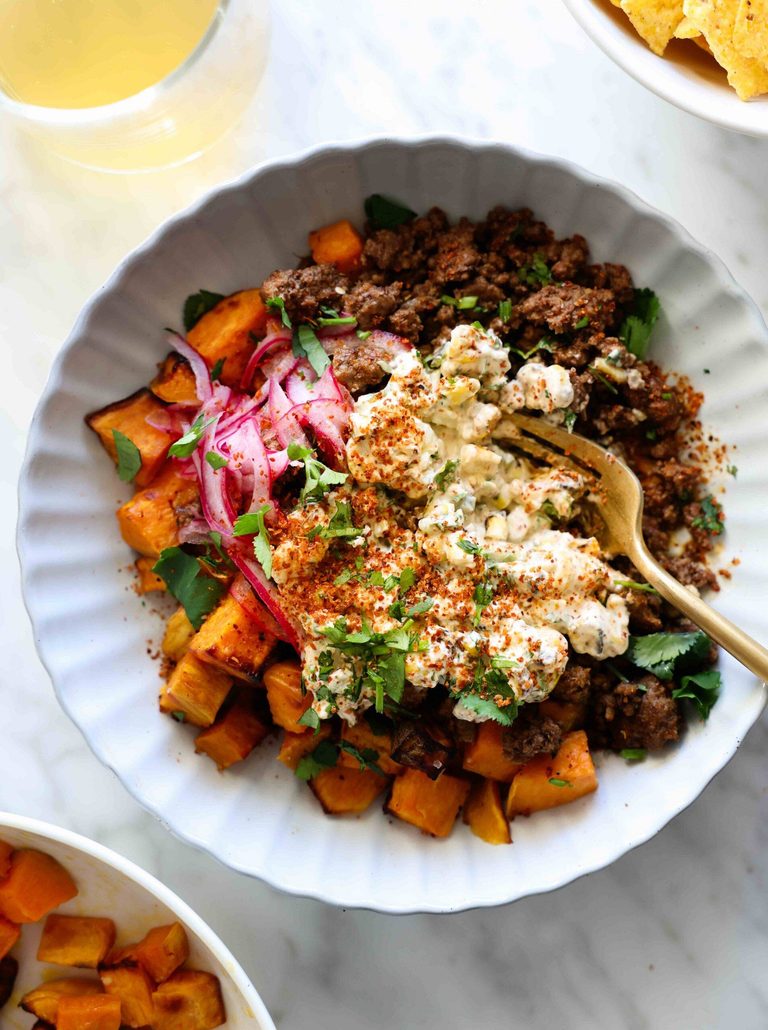
- Quinoa-Based Salads: Quinoa functions as a complete protein source, containing all nine essential amino acids. When combined with ingredients like corn, black beans, and lime, it mirrors the nutritional profile of a balanced meal while remaining lightweight.
- Farro and Legume Integration: One-pan meals featuring farro and kale provide a dense source of iron and plant-based protein, suitable for sustainable home meal preparation.
Chronology of Culinary Preparation and Efficiency
The current trend in home cooking reflects a move toward "15-minute" or "one-pan" preparation methods. This efficiency is largely a response to time-constrained schedules and the desire to minimize indoor heat generated by ovens.
- Preparation Phase (May–June): As markets open, the focus is on the introduction of leafy greens and early-season berries.
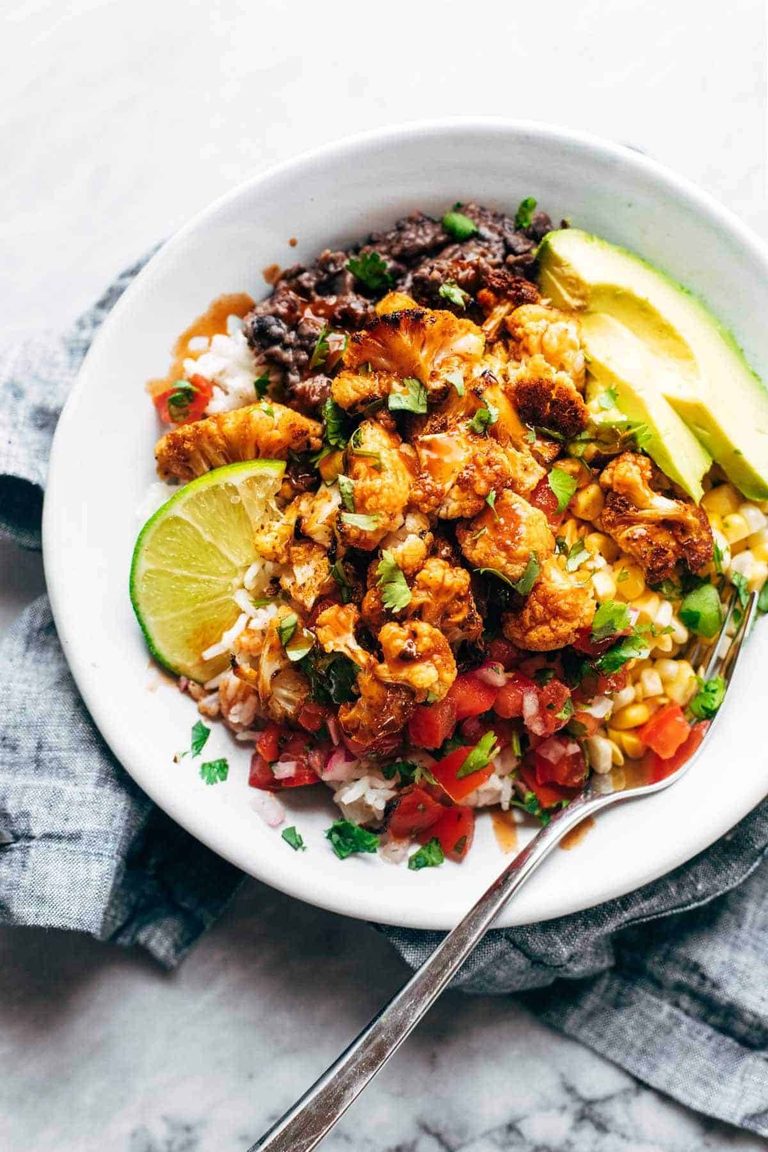
- Peak Harvest (July–August): The incorporation of heat-loving crops like tomatoes, peppers, and corn becomes the primary driver for recipe development.
- Late Summer Transition (September): The focus shifts toward heavier grains and hearty squashes, signaling the end of the peak seasonal cycle.
Economic and Environmental Implications
From a macroeconomic perspective, the reliance on seasonal produce impacts local agricultural economies. By purchasing produce at peak harvest, consumers exert lower pressure on global shipping logistics, thereby reducing the carbon footprint associated with long-distance food transportation. Furthermore, the "farm-to-table" movement, which has gained significant traction over the last decade, is supported by this shift in consumer behavior.
Industry analysts observe that grocery retailers have increasingly expanded their "local sourcing" programs to accommodate the rising demand for fresh, seasonal inventory. This alignment between retail strategy and consumer preference has contributed to a more resilient food supply chain, particularly during the volatile summer months where spoilage rates can be high.
Professional Perspectives on Dietary Sustainability
Dr. Elena Rossi, a clinical nutritionist, emphasizes that the most successful diets are those that feel sustainable rather than restrictive. "The key to long-term health is not the avoidance of specific food groups, but the consistent integration of whole, unprocessed ingredients," she stated. "The summer season offers the most forgiving environment to adopt these habits because the produce itself is inherently flavorful and requires minimal manipulation."
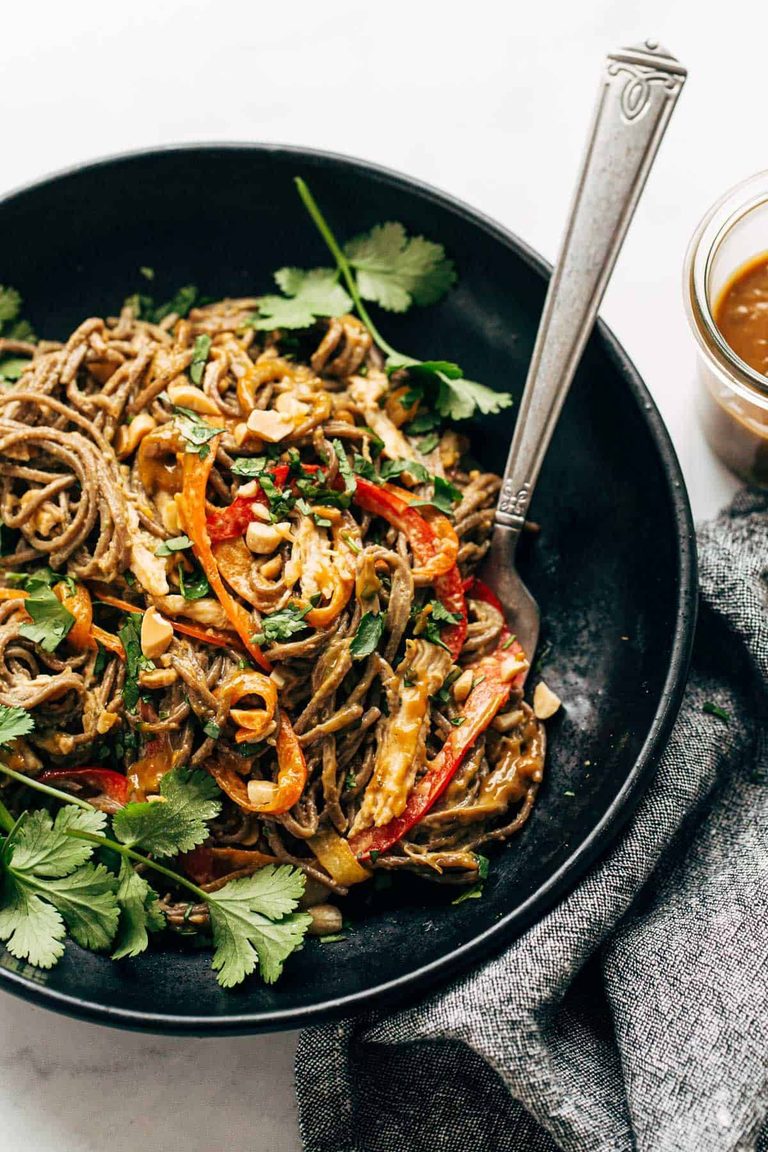
Regarding the psychological impact, health researchers note that "healthy eating" is often stigmatized as bland or laborious. However, the use of fresh herbs, zesty dressings, and vibrant ingredients transforms the dining experience. Recipes that incorporate diverse textures—such as the crunch of nuts, the snap of raw vegetables, and the softness of grilled fruits—increase the sensory satisfaction of the meal, reducing the likelihood of "snacking" on processed foods later in the evening.
Strategic Meal Planning for Long-Term Wellness
For households looking to maintain these habits throughout the season, experts recommend the following strategic pillars:
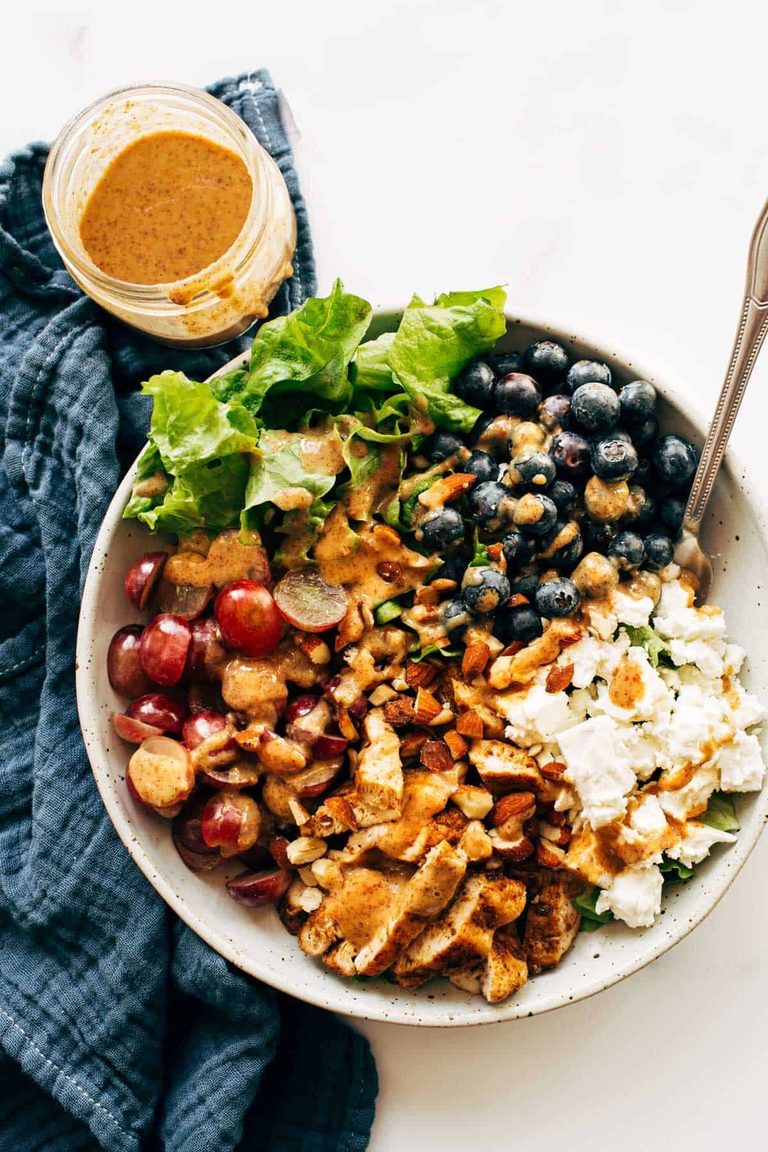
- Batch Preparation of Sauces: Maintaining a supply of homemade vinaigrettes, pestos, and green sauces (such as Aji Verde or cilantro-lime) allows for the rapid assembly of meals. These sauces can turn simple greens or leftover proteins into high-flavor dishes in minutes.
- Ingredient Versatility: Selecting produce that can be utilized in multiple ways—such as zucchini that can be grilled, spiralized, or tossed into salads—minimizes food waste and optimizes household grocery spending.
- Prioritizing High-Protein Toppings: The addition of seeds, nuts, or legumes to vegetable-heavy salads ensures that these meals function as complete, satisfying dinners rather than mere sides.
Broader Public Health Impact
The widespread adoption of these seasonal, nutrient-dense cooking practices has the potential to influence public health metrics. Increased consumption of fruits and vegetables is correlated with lower risks of cardiovascular disease, type 2 diabetes, and certain forms of cancer. By facilitating an easier, more accessible path to healthy cooking, the culinary community plays a vital role in preventive healthcare.
Furthermore, as climate change impacts traditional growing seasons, the emphasis on local, seasonal eating becomes increasingly important for food security. Understanding which crops thrive during specific summer heat intervals helps consumers adapt their diets to environmental realities while supporting the farmers who are navigating these same climatic shifts.
Conclusion
The appeal of summer cooking lies in its simplicity and the high quality of raw materials available. By focusing on fresh, seasonal ingredients and efficient, heat-conscious preparation methods, individuals can create meals that support physical health while adhering to a sustainable, budget-conscious lifestyle. As the agricultural cycle progresses, the continued shift toward these culinary practices reflects a broader societal movement toward mindful consumption, environmental stewardship, and a re-appreciation of the nutritional value inherent in minimally processed food.