Real Food is Vulnerable to Real Pathogens: A Call for Integrated Food Safety and Nutrition Policy

By Susan Mayne, Ph.D.
July 24, 2026
Nearly a decade spent at the helm of the U.S. Food and Drug Administration’s (FDA) Center for Food Safety and Applied Nutrition instilled a profound understanding: food safety and nutrition are not disparate entities, but rather deeply interwoven components essential for public health. The current surge in cyclosporiasis cases, impacting record numbers of Americans, serves as a stark, consumer-facing reminder of this interconnectedness. As the FDA grapples with multiple ongoing investigations into outbreaks of this debilitating parasitic illness, the public health community is being compelled to re-evaluate the delicate balance between promoting healthy eating and ensuring the safety of the foods that comprise it.
Cyclosporiasis Outbreaks Underscore Vulnerability of Produce
The recent escalation in cyclosporiasis cases has placed a spotlight on the inherent vulnerabilities of fresh produce. This parasitic infection, caused by the Cyclospora cayetanensis parasite, is typically transmitted through contaminated food or water. Symptoms often include diarrhea, loss of appetite, weight loss, abdominal cramping, bloating, nausea, fatigue, and low-grade fever. While generally not life-threatening, the illness can be prolonged and debilitating, particularly for individuals with weakened immune systems.
As of late July 2026, the FDA is actively investigating six distinct cyclosporiasis outbreaks. While the precise source of most of these outbreaks remains under investigation, one concerning cluster has been definitively linked to shredded iceberg lettuce. This development is particularly alarming, as shredded lettuce, a common ingredient in salads and sandwiches, is a staple in many diets. The implications for the food industry and consumer confidence are significant, potentially leading to widespread recalls, economic losses, and a chilling effect on the consumption of otherwise healthful foods.
The public reaction to these outbreaks has been swift and, at times, disheartening. Social media platforms have been inundated with comments reflecting a growing apprehension towards fresh fruits and vegetables. Phrases like "more pizza!" and "Oreos never gave me explosive diarrhea!" echo sentiments that have surfaced during previous foodborne illness outbreaks, such as those involving E. coli and romaine lettuce. This trend suggests a worrying potential for consumers to perceive a false dichotomy between nutritious foods and safe foods, opting for less healthy alternatives in the face of perceived risk. This sentiment is a direct challenge to decades of public health messaging advocating for increased consumption of produce, a cornerstone of dietary guidelines aimed at reducing chronic disease.
The FDA’s Food Traceability List: A Proactive Measure Facing New Challenges
Recognizing the persistent threat of microbial contamination in the food supply, the FDA has long been engaged in identifying foods that pose the highest risk. This effort is a critical component of implementing the Food Safety Modernization Act (FSMA), landmark legislation enacted by Congress to shift the focus of food safety from responding to contamination to preventing it.
A key tool in this preventative strategy is the FDA’s "Food Traceability List." This list, updated periodically, designates specific food categories that are subject to enhanced traceability requirements. The rationale behind these requirements is to equip the FDA with the ability to swiftly and effectively trace the origin of contaminated ingredients during outbreak investigations, thereby minimizing the spread of illness and the need for broad, potentially damaging recalls.
The current Food Traceability List includes a range of produce items frequently linked to outbreaks, such as cucumbers, herbs, leafy greens (including lettuce), melons, peppers, sprouts, and tomatoes. It also encompasses other commodities like certain cheeses. It is important to note that while meat and poultry are also recognized as high-risk for contamination by pathogens like E. coli and Salmonella, they fall under the regulatory purview of the U.S. Department of Agriculture (USDA) and are therefore not included on the FDA’s list.
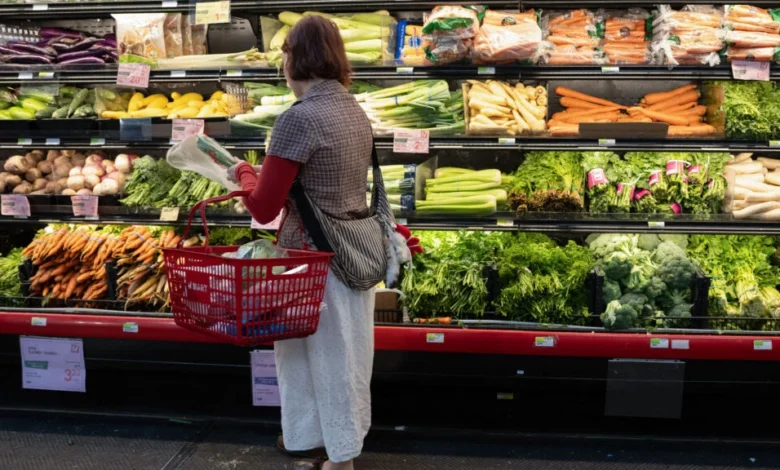
What unites many of the items on the Food Traceability List? A common thread is their prominence in healthy dietary patterns. These are precisely the "real foods" – whole, minimally processed ingredients – that public health initiatives, including those championed by the current administration, aim to promote for improved nutrition and the reduction of chronic disease risk. The irony, and indeed the crisis, lies in the fact that these highly nutritious foods are precisely the ones proving most vulnerable to contamination and, consequently, most susceptible to becoming targets of public distrust.
A Shifting Focus: From Microbes to Chemicals and the Undermining of Microbial Safety
While the current administration has articulated a strong commitment to promoting healthier eating and reducing the burden of chronic diseases, their approach to food safety appears to have undergone a significant shift. Over the past approximately 18 months, a discernible emphasis has been placed on addressing chemical contaminants in food, with a parallel, and perhaps detrimental, de-emphasis on microbial food safety.
This shift in focus has manifested in several policy decisions and regulatory actions that, while perhaps well-intentioned in their pursuit of addressing chemical risks, have inadvertently created an environment where microbial food safety is potentially weakened. The cumulative impact of these changes, rather than any single action, is what raises concerns about the overall robustness of the U.S. food safety system. Without specific details of these actions being provided in the original text, it is difficult to pinpoint precise examples. However, such actions could hypothetically include:
- Reduced funding or staffing for pathogen surveillance and outbreak response teams: A reallocation of resources away from microbial testing and investigation could directly impede the FDA’s ability to detect and respond to outbreaks promptly.
- Relaxation of certain microbial testing or processing standards: Any loosening of regulations designed to prevent the presence or proliferation of harmful bacteria, viruses, or parasites could increase the risk of contamination.
- Prioritization of chemical testing over microbial testing in routine inspections: If inspectors are directed to focus primarily on chemical residues, they may overlook critical sanitation issues that could lead to microbial contamination.
- Changes in import policies that reduce oversight of imported foods for microbial hazards: A significant portion of fresh produce consumed in the U.S. is imported, and any reduction in rigorous microbial screening of these products could elevate risk.
The consequences of such a shift are not theoretical. As the current cyclosporiasis outbreaks demonstrate, microbial pathogens remain a persistent and significant threat to public health. When the regulatory framework prioritizes one type of hazard over another, or when the overall capacity to address a critical hazard is diminished, the entire food safety net is weakened.
Climate Change and Its Amplifying Effect on Food Safety Risks
Adding another layer of complexity to an already challenging landscape is the administration’s stance on climate change. The acknowledgment that climate change is a "hoax" and the support for policies that accelerate it stand in stark contrast to the scientific consensus on its pervasive impact, including on food safety.
Warming global temperatures and increasingly extreme weather events, such as intensified rainfall and flooding, are scientifically proven to exacerbate food safety risks. Warmer conditions can create more favorable environments for the growth and survival of foodborne pathogens. Extreme precipitation events can lead to agricultural runoff that contaminates water sources with pathogens and agricultural chemicals. These climate-driven changes directly increase the likelihood of contamination events in our food supply.
Furthermore, the destruction of crops due to extreme weather events leads to significant food waste. The irony is that food waste itself is a substantial contributor to global warming. When large quantities of food, such as entire harvests of lettuce from regions like Mexico, are contaminated and subsequently destroyed, it represents not only a loss of food but also a waste of the resources – water, energy, and labor – used in their production, processing, and international distribution. The energy required for disposal of this contaminated product further compounds the environmental impact. This creates a vicious cycle where climate change contributes to food safety issues, which in turn contribute to food waste, further fueling climate change.
The Critical Need for an Integrated Approach
The current cyclosporiasis outbreaks should serve as a potent wake-up call for all stakeholders, particularly federal leaders entrusted with safeguarding public health. Consumers should never be forced to choose between the nutritional benefits of fresh produce and the assurance of its safety. True public health is achieved when a robust food safety system instills confidence in the foods that nourish us.
The current situation highlights a critical disconnect: the very "real foods" that are essential for a healthy diet are proving vulnerable to "real pathogens." This vulnerability is amplified by regulatory shifts that may inadvertently weaken microbial food safety oversight and by the overarching threat of climate change, which is demonstrably increasing the likelihood of contamination events.
Moving forward, a fundamental re-evaluation of our approach to food safety and nutrition policy is imperative. This requires:
- An integrated strategy: Food safety and nutrition policies must be developed and implemented in a coordinated manner, recognizing their interdependence. Actions taken to promote one should not undermine the other.
- Evidence-based decision-making: Regulatory decisions regarding food safety should be guided by scientific evidence and a comprehensive understanding of emerging risks, including those posed by climate change.
- Robust surveillance and response: Adequate resources must be allocated to FDA and USDA agencies for ongoing pathogen surveillance, outbreak investigation, and rapid response capabilities. This includes investing in advanced technologies for detection and tracing.
- Public education and transparency: Clear, consistent, and science-based communication with the public is crucial to building and maintaining trust in the food supply and to dispelling misinformation.
- Addressing climate change: Acknowledging and actively mitigating the impacts of climate change is not only an environmental imperative but also a critical component of long-term food security and safety.
The future of public health depends on our ability to ensure that the foods we need for optimal nutrition are also the safest possible. The current challenges demand a renewed commitment to a holistic, science-driven approach to food safety that protects consumers and supports a healthier nation.
Susan Mayne, Ph.D., served as director of the FDA’s Center for Food Safety and Applied Nutrition from 2015 to 2023. She is an adjunct professor at the Yale School of Public Health.