Life’s Tenacity: Unveiling the Secrets of Extremophiles and Their Profound Implications

Life has scarcely found a boundary on Earth that it cannot push. While much of life’s diversity exists in lush, bountiful habitats like tropical rainforests and coral reefs, even the most brutal corners of the planet are also occupied. The organisms that thrive in extreme environments—blistering temperatures, crushing pressures, corrosive acids—are what we call "extremophiles." These resilient microbes, often bacteria or archaea, are not merely biological curiosities; their astonishing ability to survive and flourish in conditions that would be instantly lethal to most life forms holds profound implications for science, industry, and our understanding of life’s potential beyond Earth.
The Architects of Extreme Survival
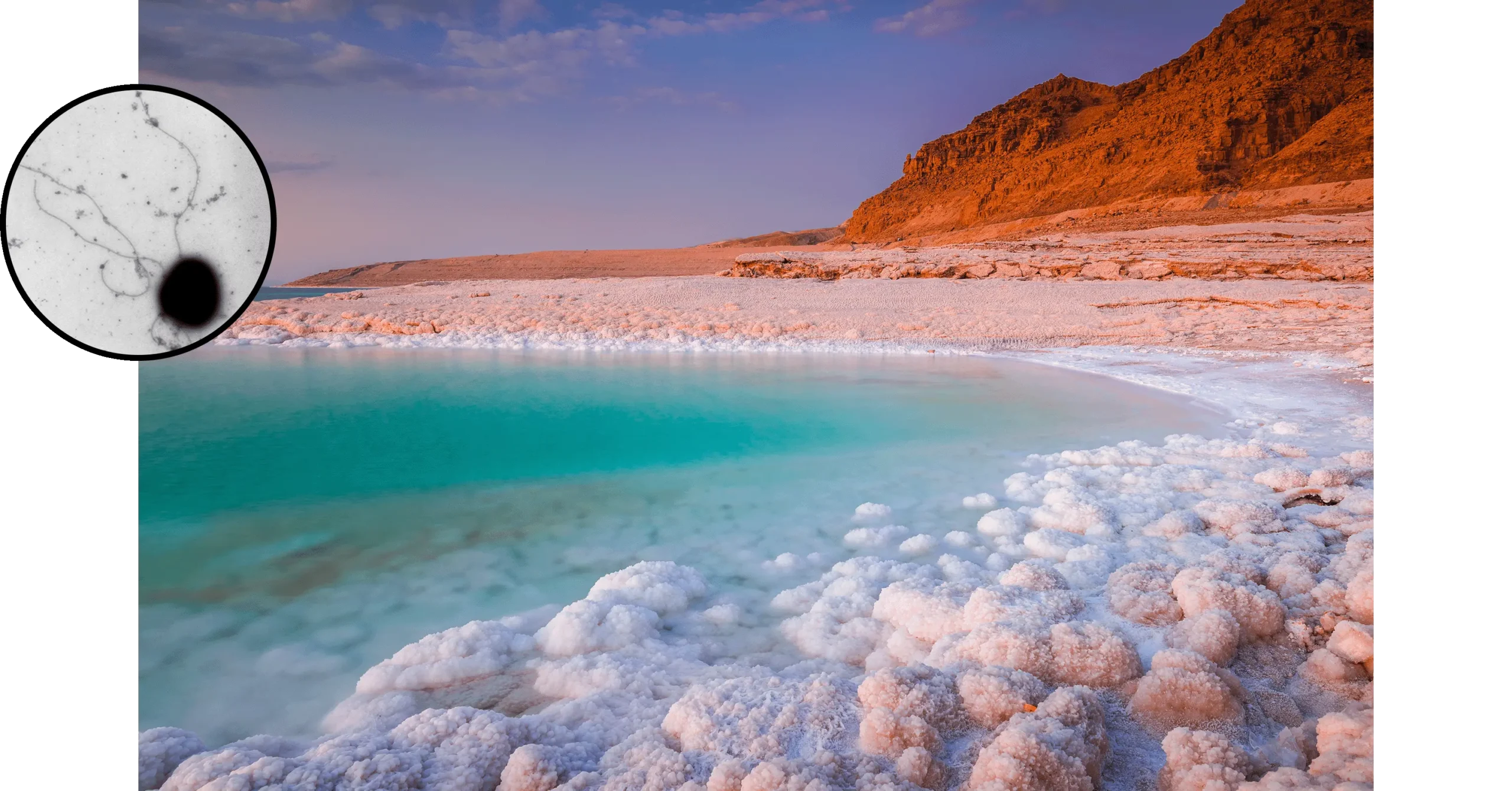
Extremophiles represent a testament to life’s remarkable adaptability. These hardy organisms have evolved sophisticated mechanisms to cope with environments that defy conventional biological norms. Some have adapted to live in hypersaline conditions, such as the Dead Sea, where they are known as halophiles (salt-lovers). These microbes maintain osmotic balance within their cells by accumulating compatible solutes or by developing specialized protein structures that resist the dehydrating effects of high salt concentrations. For instance, Haloarcula marismortui, an archaeon found in the Dead Sea, survives the intense salinity by protecting its internal proteins with a hydrated, acidic shield.
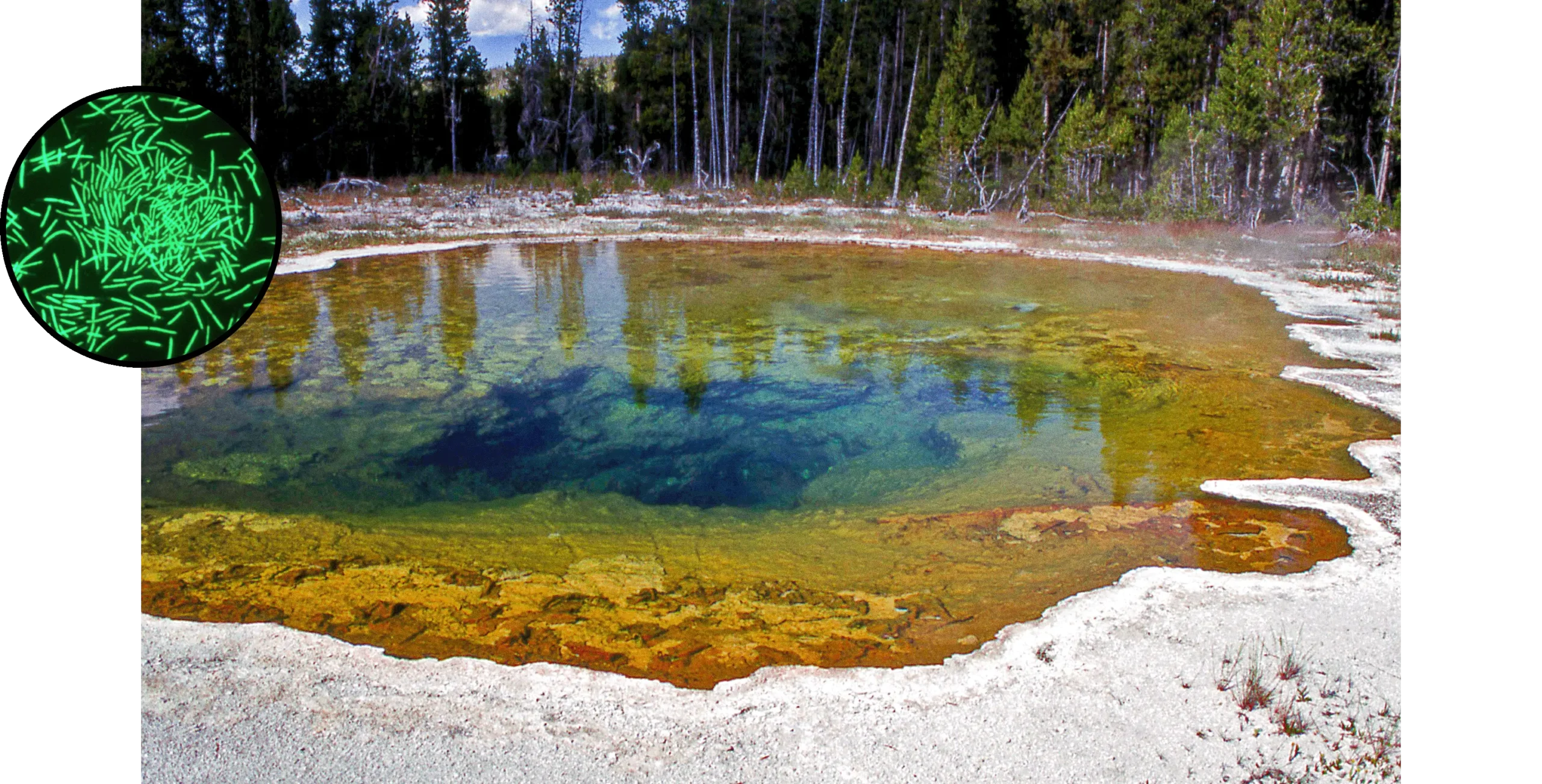
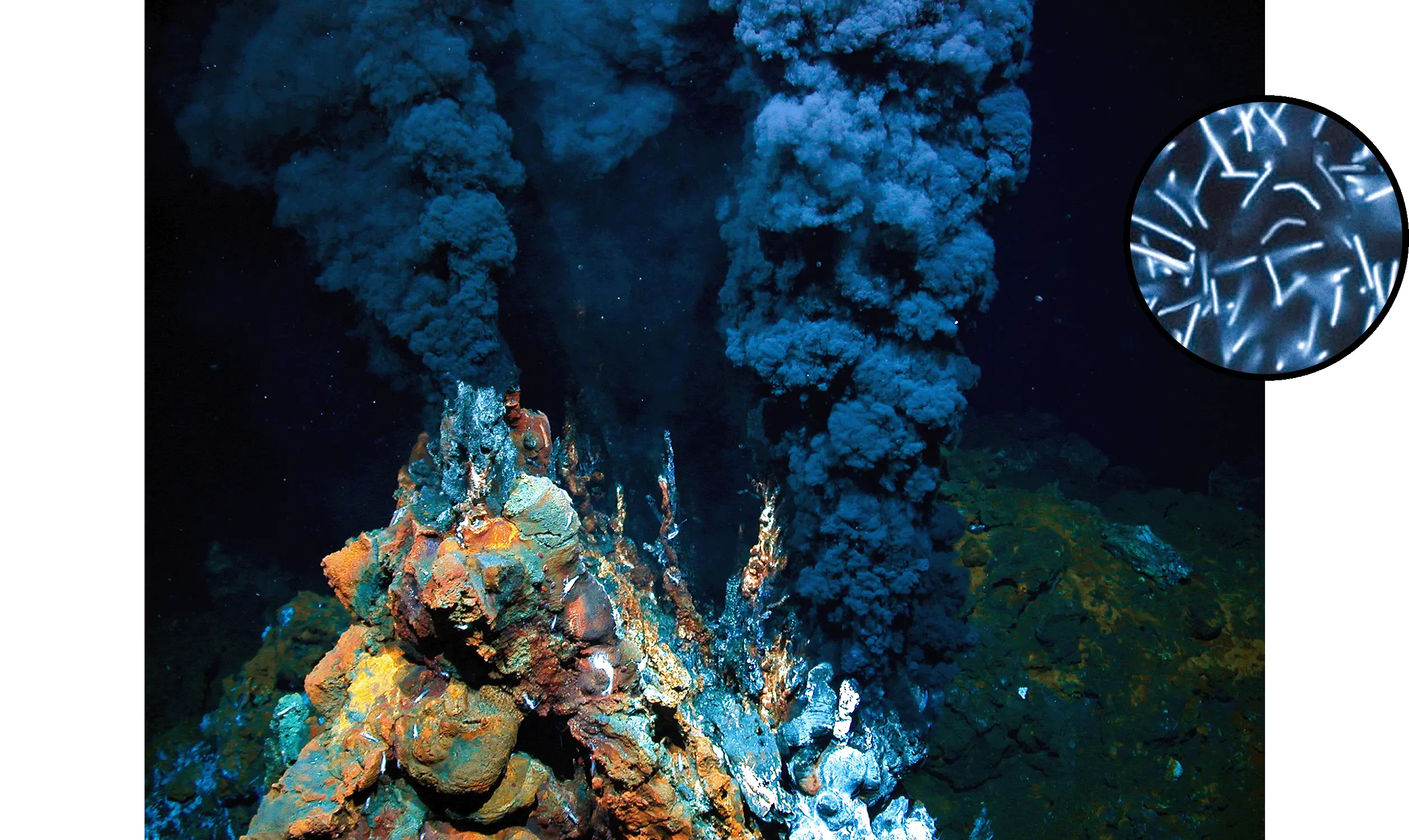
In the scorching heat of geothermal vents and hot springs, thermophiles and hyperthermophiles thrive. Organisms like Thermus aquaticus, discovered in Yellowstone National Park’s Mushroom Pool, can survive temperatures near boiling point. The isolation of its heat-stable enzyme, Taq DNA polymerase, revolutionized molecular biology, forming the bedrock of the Polymerase Chain Reaction (PCR) technique, a tool now indispensable for genetic research, diagnostics, and forensics. Similarly, Methanopyrus kandleri, an archaeon found near deep-sea hydrothermal vents, can endure temperatures up to 122 degrees Celsius, making it one of the most heat-tolerant organisms known. The enzymes from such hyperthermophiles are invaluable for industrial processes that require high temperatures, such as biofuel production and waste treatment.
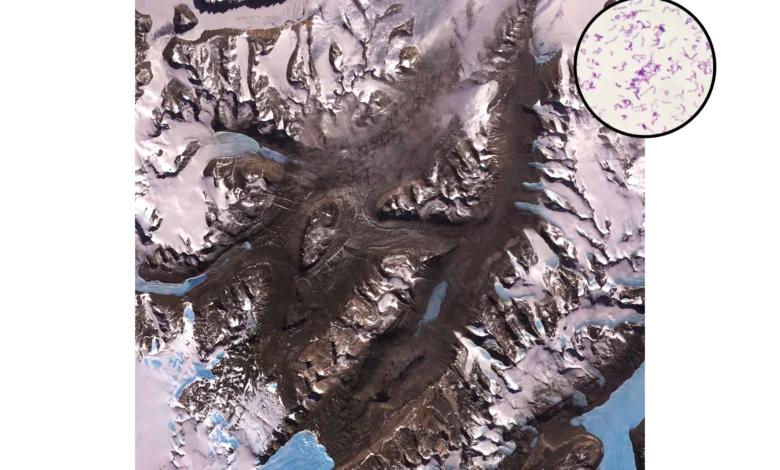
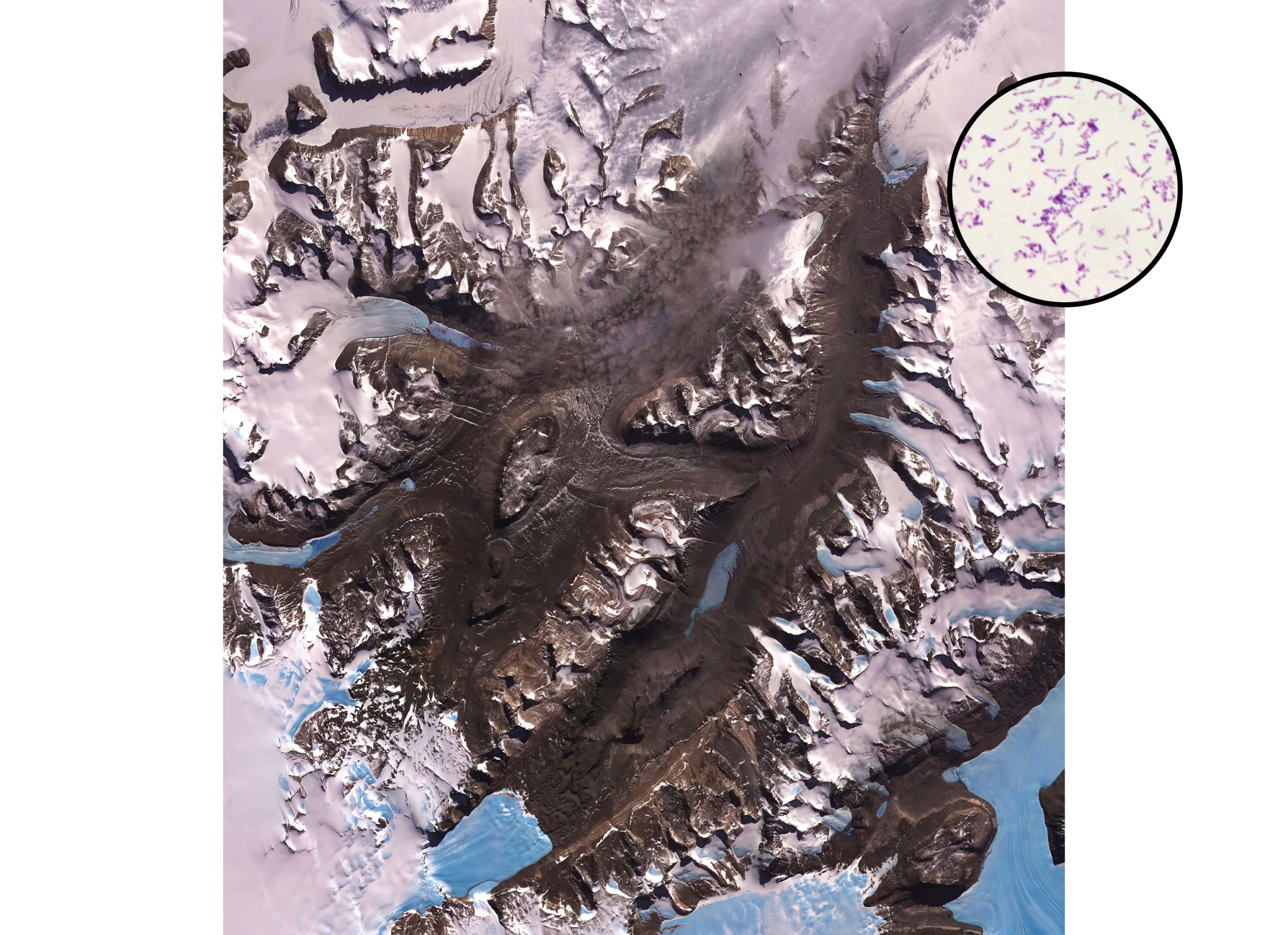
Conversely, psychrophiles and cryophiles (cold-loving organisms) flourish in the frigid landscapes of polar regions and deep-sea ice. In Antarctica’s McMurdo Dry Valleys, microbes like Rhodococcus sp. JG-3 can grow at -5 degrees Celsius and respire at -15 degrees Celsius. These organisms produce enzymes that remain highly active at low temperatures, offering potential applications in bioremediation of pollutants in cold environments and in industries requiring low-temperature catalysis.
The deep ocean, with its crushing pressures, is home to piezophiles (pressure-lovers). Colwellia marinimaniae, discovered in the Mariana Trench, the deepest oceanic trench on Earth, can grow at pressures of 120 megapascals, equivalent to nearly 1,200 atmospheres. The enzymes produced by these piezophiles are of significant interest for industrial applications that operate under high-pressure conditions, such as in certain chemical synthesis processes.
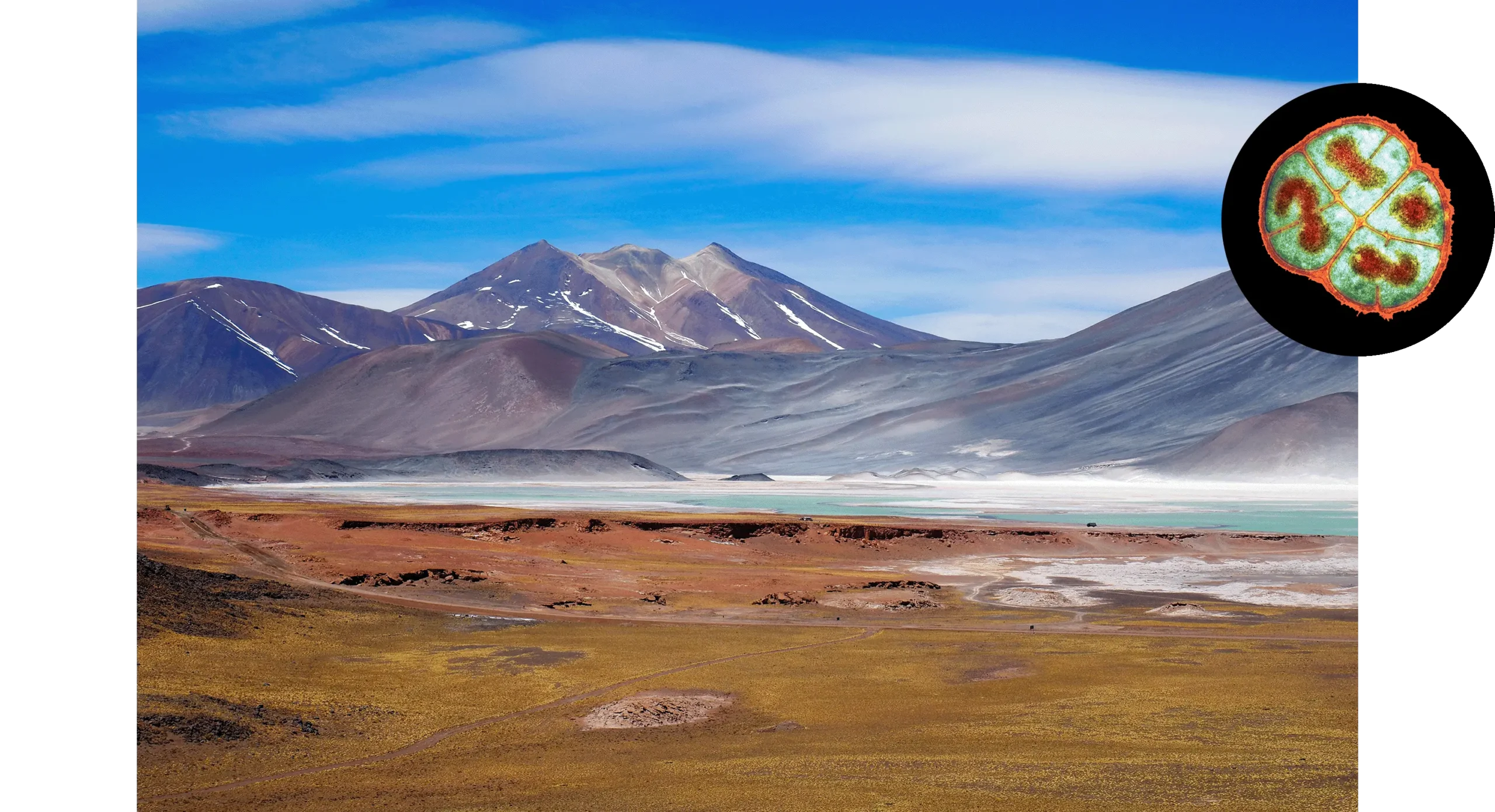
Furthermore, some life forms, termed polyextremophiles, can endure multiple extreme conditions simultaneously. The bacterium Exiguobacterium sp. SH31, found in the salt wetlands of Chile, can withstand high salinity and toxic heavy metals like cadmium, chromium, and arsenic. This remarkable resilience highlights the multifaceted survival strategies that life can employ.
A Glimpse into Earth’s Violent Past and Future Potential
The study of extremophiles offers a unique window into the origins of life on Earth. The early Earth was a far more volatile planet than today, characterized by high levels of radiation, extreme temperatures, and a toxic atmosphere. By understanding the limits of life’s endurance today, researchers can infer the conditions under which life first emerged and how it evolved to adapt to such harsh primordial environments. The resilience of organisms like Deinococcus radiodurans, which can withstand radiation doses thousands of times greater than humans, provides clues about how life might have survived on early Earth or on planets with high radiation levels.
Beyond Earth’s origins, extremophiles serve as crucial analogs for astrobiological research. The discovery of life in seemingly inhospitable terrestrial environments fuels speculation about the possibility of life existing on other celestial bodies. Places like Mars, with its frigid temperatures and radiation-scarred surface, or the subsurface oceans of icy moons like Europa and Enceladus, with their extreme pressures and chemical compositions, become more plausible candidates for harboring life when viewed through the lens of extremophile biology. The unique biochemical pathways and survival mechanisms of these Earth-bound organisms can inform the search for extraterrestrial life, guiding the types of biosignatures scientists look for and the environments they prioritize for exploration.
Industrial and Medical Innovations Born from Extreme Resilience
The practical applications of extremophile research are vast and continually expanding. Beyond the revolutionary impact of Taq polymerase in genetics, the enzymes and biochemical compounds produced by extremophiles have found utility across numerous industries.
In biotechnology and pharmaceuticals, enzymes from thermophiles are used in detergents, food processing, and the production of pharmaceuticals, offering stability and efficiency under challenging conditions. For example, proteases from thermophilic bacteria are incorporated into laundry detergents, enabling effective stain removal at higher temperatures.
Bioremediation, the use of biological organisms to clean up pollutants, is another area where extremophiles are proving invaluable. Microbes capable of metabolizing toxic compounds in extreme environments, such as heavy metals, hydrocarbons, and radioactive waste, are being explored for their potential to detoxify contaminated sites. The bacterium Halomonas titanicae, discovered colonizing the wreck of the RMS Titanic, demonstrates an ability to degrade iron, suggesting potential applications in cleaning up metal waste in marine environments.
The unique molecular machinery of extremophiles also offers insights into combating human diseases. Understanding how their DNA repair mechanisms function under extreme stress, particularly radiation, could lead to new strategies for cancer therapy, enhancing the efficacy of radiation treatments while protecting healthy tissues.
The Ongoing Frontier of Extremophile Discovery
The exploration of Earth’s most extreme environments is an ongoing scientific endeavor. From the boiling mud pots of Yellowstone to the crushing depths of the Mariana Trench, and the frigid expanses of Antarctica, scientists continue to uncover novel extremophilic life forms. Each new discovery pushes the boundaries of our understanding of life’s potential and unlocks new avenues for scientific and technological advancement.
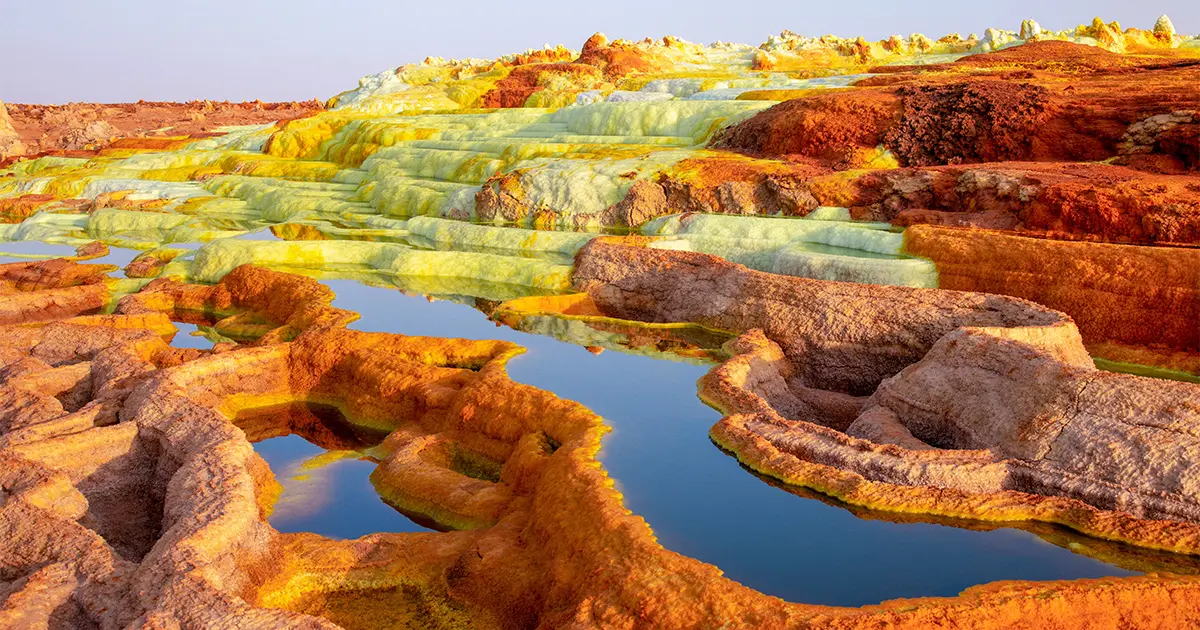
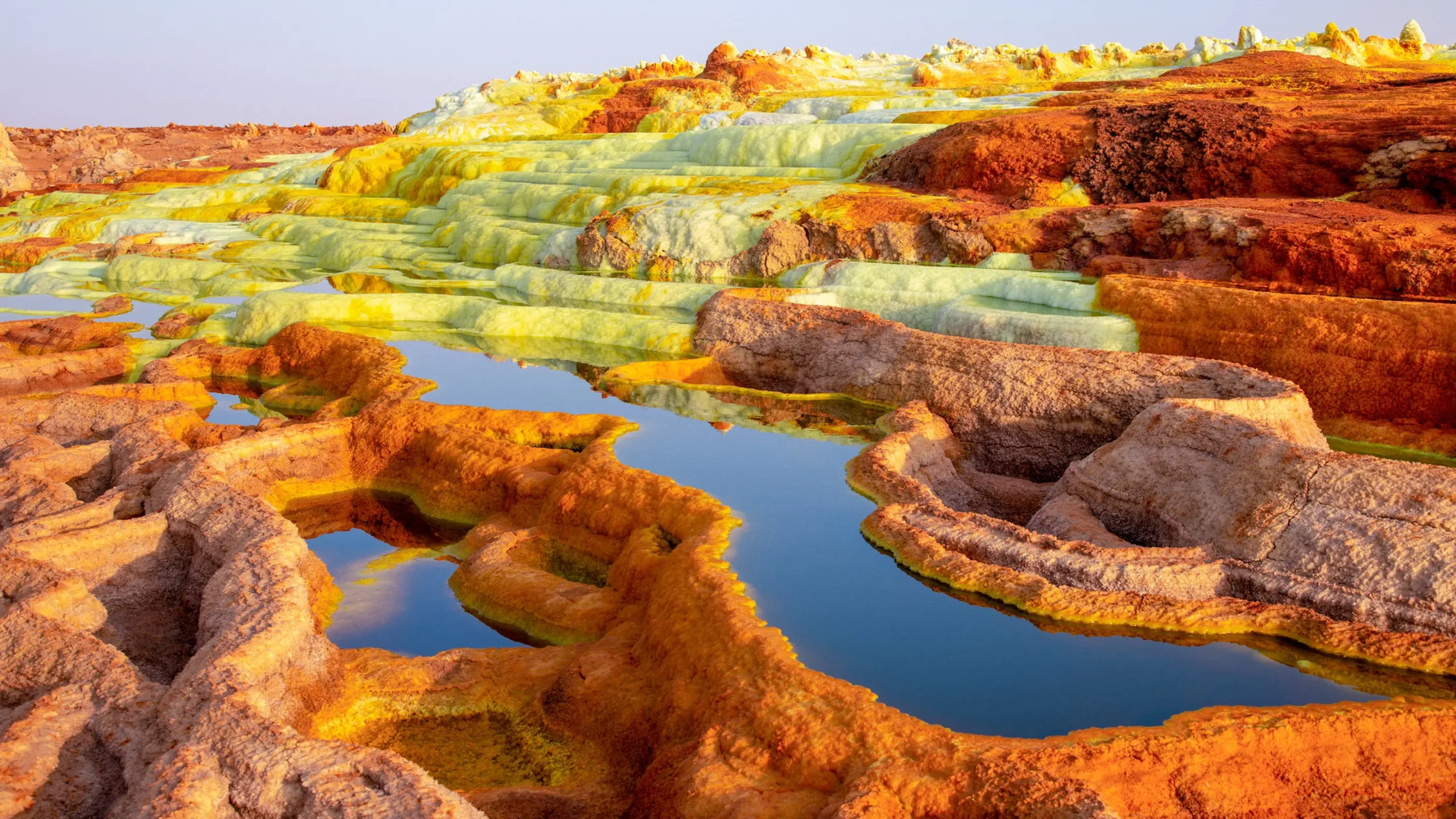
For instance, the discovery of Picrophilus oshimae, an archaeon thriving at a pH of 0.7 in a Japanese hot spring, sheds light on how life can persist in highly acidic conditions, offering clues about the early Earth’s chemistry and potential extraterrestrial environments. Similarly, the study of archaea in the Danakil Depression in Ethiopia, one of the hottest, lowest, and driest places on the planet, reveals ultra-small bacteria surviving in super-hot, acidic salt chimneys, demonstrating that even the most seemingly barren landscapes can harbor life.
The continued research into extremophiles underscores a fundamental scientific principle: life is remarkably tenacious. These organisms, thriving where others perish, are not just biological marvels; they are living laboratories, offering invaluable insights into the fundamental processes of life, the history of our planet, and the potential for life to exist elsewhere in the cosmos. As our understanding deepens, the practical applications of extremophile research promise to continue shaping our future, from industrial innovation to the very definition of where life can exist.