The culinary landscape of American deli staples has undergone a significant shift as home cooks and professional chefs alike reassess the ratios and techniques governing classic recipes. One such evolution is the emergence of a texture-forward approach to chicken salad, characterized by a substantial increase in vegetable content and a refined methodology for poultry preparation. This approach, often referred to as chicken salad for celery enthusiasts, prioritizes structural integrity and moisture retention over the traditional mayonnaise-heavy preparations that have historically dominated the category. By recalibrating the balance between protein and produce, this method addresses common criticisms regarding the "mushy" or "over-processed" nature of commercial chicken salads.
Technical Methodology and Poultry Preparation
The foundation of a high-quality chicken salad rests on the preparation of the protein. While many commercial operations utilize boneless, skinless chicken breasts or pre-cooked rotisserie meat for convenience, culinary experts increasingly advocate for the use of bone-in, skin-on chicken breasts. The presence of the bone and skin during the roasting process serves as a thermal buffer, distributing heat more evenly and preventing the meat from drying out.

According to culinary science, roasting chicken at a temperature of 350°F (176°C) allows for a gradual rise in internal temperature. The objective for optimal moisture is an internal temperature of 150°F to 155°F (65°C to 68°C). While the United States Department of Agriculture (USDA) recommends a final internal temperature of 165°F for poultry to ensure the elimination of pathogens, many chefs utilize carryover cooking—where the internal temperature continues to rise after the meat is removed from the heat source—to reach safe levels without sacrificing the cellular structure of the meat.
Once the chicken has cooled to room temperature, the dicing process becomes critical. Cutting the meat into 3/4-inch (2-cm) cubes provides a surface area that allows for the absorption of seasonings without the meat becoming shredded. A key technical step involves the immediate application of salt and freshly ground black pepper to the warm, diced chicken. This "early seasoning" ensures that the flavor is integrated into the protein rather than merely sitting on the surface of the dressing. Furthermore, the inclusion of pan juices or drippings back into the bowl serves as a natural flavor enhancer, reintroducing fats and proteins lost during the roasting process.
The Role of Texture: Celery and Aromatics
The defining characteristic of this specific variation is the aggressive ratio of celery to chicken. In many standard recipes, celery is treated as a minor garnish or a secondary crunch. In the "enthusiast" model, celery can account for up to 50% of the total volume. This high concentration of Apium graveolens provides a significant contrast to the soft texture of the roasted chicken.

Celery is composed of approximately 95% water, making it a low-calorie high-fiber addition that provides hydration and a refreshing palate cleanser against the richness of the dressing. From a nutritional standpoint, a high-celery chicken salad offers increased levels of Vitamin K and antioxidants. To complement this crunch, finely minced scallions are employed as the primary aromatic. Unlike raw red or yellow onions, which can possess a pungent sulfurous quality that overwhelms the delicate flavor of the chicken, scallions provide a mild, herbal onion flavor that integrates seamlessly into the salad.
Emulsification and Dressing Ratios
The dressing of a modern chicken salad serves as a binder rather than a primary ingredient. The industry trend has moved away from "mayonnaise ponds"—where the chicken is submerged in dressing—toward a light coating that clings to the ingredients.
The use of Dijon mustard provides two functions: flavor and emulsification. The mustard seeds contain mucilage, which helps stabilize the mixture of fats and liquids. When combined with a high-quality jarred mayonnaise, the result is a creamy yet sharp dressing that highlights the chicken rather than masking it. Because both Dijon mustard and commercial mayonnaise contain significant sodium levels, the final seasoning of the salad must be handled with precision, often requiring little to no additional salt if the chicken was seasoned correctly during the initial dicing phase.

Culinary Innovation: The Crispy Skin Component
An emerging trend in sustainable, "nose-to-tail" home cooking involves the repurposing of chicken skin. Rather than discarding the skin after roasting the bone-in breasts, it can be transformed into a functional garnish. By flattening the skin and baking it at 400°F (205°C) for an additional five to ten minutes, the collagen and fats render out, leaving a crisp, umami-rich strip.
This technique, which parallels the use of "cracklings" in various global cuisines, adds a tertiary texture to the chicken salad sandwich. It provides a salty, brittle contrast to the soft chicken and the crunchy celery. This approach not only enhances the sensory experience of the dish but also aligns with modern efforts to reduce food waste in the kitchen.
Historical Context and Market Evolution
The origins of chicken salad in the United States date back to the mid-19th century. Town Meats in Wakefield, Rhode Island, is often credited with creating one of the first recorded versions in 1863. The original recipe utilized leftover chicken combined with mayonnaise, tarragon, and grapes. Over the subsequent 160 years, the dish became a staple of ladies’ luncheons, tea rooms, and eventually, the American delicatessen.

However, the late 20th century saw a divergence in chicken salad styles. The "Waldorf" style, incorporating apples, grapes, and walnuts, catered to those preferring a sweet-and-savory profile. The "Curry" style introduced global spices, while the "Deli" style focused on a finely minced, uniform consistency suitable for mass production. The "Celery Enthusiast" model represents a return to artisanal, home-style preparation, focusing on the quality of the primary ingredients rather than the complexity of the add-ins.
Consumer Preferences and Serving Suggestions
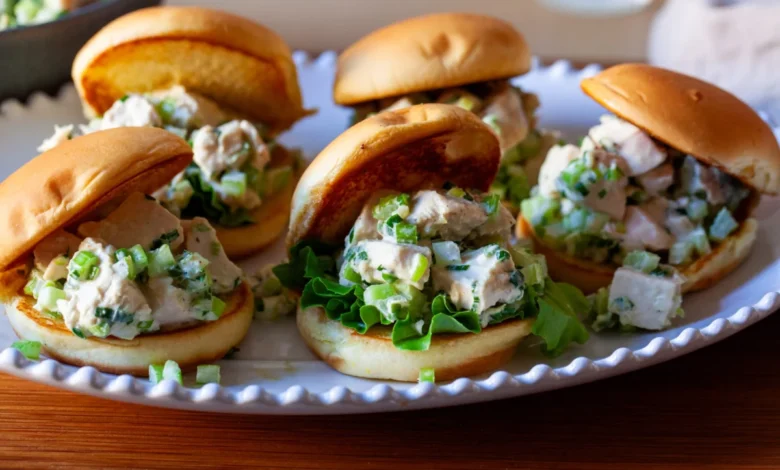
The presentation of chicken salad has also evolved to meet changing consumer dining habits. While the traditional scoop on a bed of lettuce remains a dietary staple for many, the use of slider rolls has seen a surge in popularity, particularly for family-style dining. Toasting the rolls in butter creates a barrier that prevents the bread from becoming soggy when in contact with the salad.
Data from food service industry reports suggest that "customizable" meal formats—where components like pickles, pickled red onions, and various toppings are served in individual bowls—increase consumer satisfaction, particularly among households with children. This "deconstructed" approach allows individuals to control the ratio of acidity (from pickles) to richness (from the chicken) and crunch (from ruffled potato chips).

Industry experts note that ruffled potato chips are often preferred over flat chips in this context due to their structural strength. The ridges provide more surface area for scooping and can withstand the weight of a dense, celery-heavy salad without breaking.
Broader Implications for Home Gastronomy
The shift toward recipes like the celery-heavy chicken salad reflects a broader movement in home gastronomy toward "opinionated cooking." This trend involves cooks moving away from generic, one-size-fits-all recipes in favor of specific, technique-driven methods that prioritize personal preference and textural contrast.
Furthermore, the emphasis on roasting bone-in meat rather than using pre-processed alternatives suggests a growing consumer interest in the "slow food" movement, even for relatively simple dishes. By investing time in the roasting and cooling process, the home cook achieves a result that is qualitatively superior to commercial offerings, which often rely on preservatives and stabilizers to maintain shelf life.

As food prices fluctuate, the economic efficiency of this dish is also noteworthy. Bone-in chicken breasts are frequently more cost-effective per pound than their boneless counterparts. By utilizing every part of the bird—including the juices and the skin—consumers can maximize their investment while producing a meal that serves as a versatile option for various schedules and dietary needs.
In conclusion, the rise of specialized chicken salad preparations represents a sophisticated intersection of culinary science, historical tradition, and modern dining trends. By prioritizing the crunch of celery, the moisture of bone-in roasting, and the innovative use of crispy skin, this methodology elevates a humble deli classic into a nuanced study of texture and flavor. This evolution ensures that chicken salad remains a relevant and celebrated component of the contemporary culinary repertoire.