Cucumber Salad with Sesame and Rice Vinegar Takes Center Stage in Modern Home Cooking Amid Rising Demand for Quick, Plant-Forward Dishes

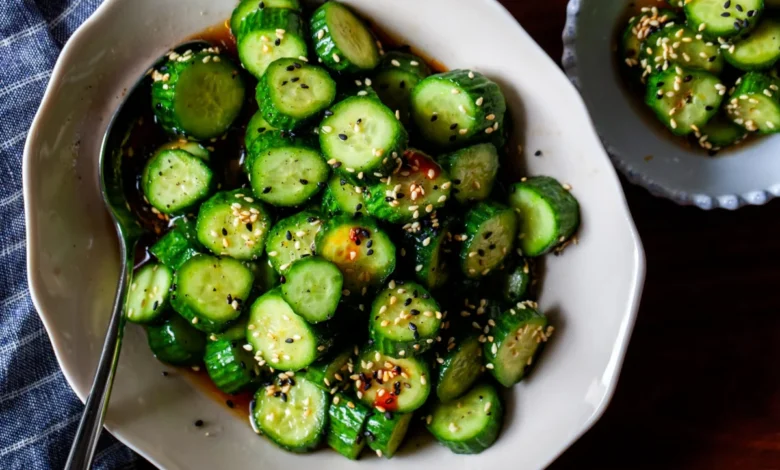
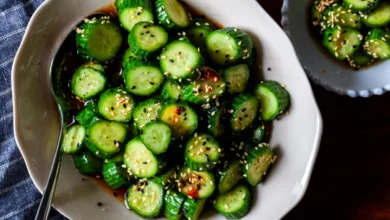
The culinary landscape has increasingly pivoted toward minimalist, plant-forward side dishes, bringing simple preparations like the Japanese-inspired cucumber salad with sesame and rice vinegar into the mainstream spotlight. Long considered a humble staple of home kitchens, this refreshing, vinegarded vegetable dish has gained significant traction among home cooks seeking fast, low-cost, and hydrating meal accompaniments during periods of elevated seasonal temperatures. Culinary authorities note that while cucumbers remain one of the most frequently consumed household vegetables, formal recipes featuring them as the primary component have historically been underrepresented in mainstream food archives in favor of more complex, labor-intensive dishes.
The preparation of this specific iteration draws heavily from traditional Japanese culinary concepts, most notably sunomono, a broad classification of dishes translated literally as "vinegarded things." Traditionally, sunomono encompasses raw vegetables or seafood marinated in a delicate balance of sweet and tangy rice vinegar dressings. Modernized adaptations, however, often streamline the process by omitting refined sugars, opting for a chunkier vegetable cut, and employing a rapid salting technique designed to alter the cellular structure of the vegetable prior to dressing.

Culinary Technique and the Science of Rapid Salting
At the heart of the recipe’s efficiency is a straightforward culinary mechanism involving osmotic pressure. By tossing sliced cucumbers with salt and allowing them to rest—ranging from a brief ten-minute window to several hours—excess moisture is systematically drawn out of the cellular walls of the vegetable.
Food scientists and culinary experts explain that this moisture deficit creates an ideal medium for flavor absorption. Once the naturally released liquid is drained away, the dense, dehydrated cucumber tissue readily absorbs the subsequent application of rice vinegar, toasted sesame oil, and soy sauce without becoming diluted. The result is a crisp, intensely flavorful side dish that maintains its structural integrity while developing a complex, savory-tangy flavor profile. Furthermore, culinary testing indicates that leftovers can safely remain refrigerated for two to three days, during which time the cucumbers undergo a mild, natural pickling process that deepens the flavor profile.
Integration with Modern Weeknight Diets
As consumer cooking habits shift toward quick, accessible weeknight meals, dishes that complement high-heat cooking methods such as stir-fries, noodle bowls, and potstickers have seen a surge in popularity. The bright, acidic profile of a sesame-dressed cucumber salad serves a functional purpose in contemporary dining by cutting through the rich, heavy fats typically associated with pan-fried dumplings and soy-heavy sauces.

Nutritional and culinary analysts observe that the dish aligns closely with broader consumer trends prioritizing minimal preparation times, budget-friendly ingredients, and versatile flavor pairings that adapt easily to regional or dietary preferences. Its reliance on shelf-stable pantry staples—including toasted sesame oil, rice vinegar, and soy sauce—makes it an accessible option for households seeking to elevate basic weeknight dinners with minimal grocery overhead.
Community Initiatives and Educational Support Projects
Beyond the culinary sphere, the wider platform hosting the recipe has launched its annual philanthropic initiative, the Classroom Wishlist Project. Operating ahead of the academic cycle, the digital community-driven campaign assists educators in acquiring essential supplies, books, and instructional materials required to establish successful learning environments.
Organizers emphasize that small-scale contributions directed toward local schools or specific classroom registries yield measurable impacts on educational equity. By leveraging an engaged readership, the initiative connects community donors directly with public school educators across various regions, addressing persistent funding gaps for basic classroom commodities such as writing utensils, paper products, and foundational reading materials.

Broader Implications and Market Trends
The resurgence of interest in simplified, traditional-adjacent vegetable preparations reflects a broader cultural movement away from ultra-processed convenience foods and toward accessible home cooking. As grocery inflation and shifting lifestyle demands continue to influence household purchasing decisions, recipes that maximize flavor through basic, inexpensive ingredients are expected to remain prominent fixtures in modern domestic cooking.
Public health advocates and culinary researchers alike point out that the growing emphasis on fresh produce, such as cucumbers, supports overall dietary health objectives by encouraging higher daily consumption of water-rich, fiber-dense vegetables. With minimal equipment requirements and a prep time measured in minutes, dishes of this nature underscore a broader culinary shift toward efficiency without sacrificing sensory appeal or nutritional value.