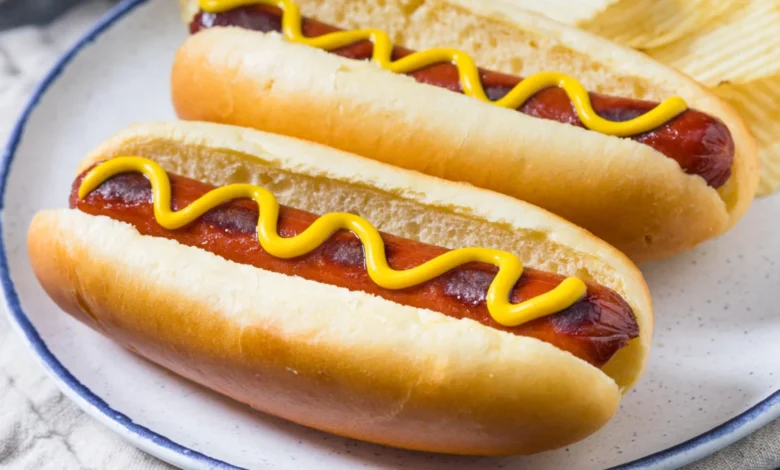
The day after a major holiday feast like Thanksgiving often signals the commencement of an enduring culinary tradition: the repurposing of leftovers. For generations, the standard protocol has dictated piling sliced turkey, stuffing, and cranberry sauce between two slices of white bread or into a split hoagie roll to create the ubiquitous day-after sandwich. However, recent culinary trends and home-cooking innovations are challenging this routine. Culinary enthusiasts and food experts are increasingly turning their attention toward an unexpected vehicle for these festive remnants: the humble hot dog.
While frankfurters are traditionally pigeonholed as a staple of summer barbecues, baseball stadiums, and outdoor cookouts, integrating them into winter holiday meal rotations offers a novel way to combat menu fatigue. By pairing the savory, smoky profile of a grilled or pan-seared frank with classic holiday side dishes and condiments, home cooks are transforming a simple street-food snack into a substantial, multi-layered meal. This approach reimagines how households handle post-holiday food preservation, bridging the gap between comfort food classics and casual dining innovation.
The Evolution of Post-Holiday Meal Planning
The post-Thanksgiving period represents one of the highest volumes of household food preparation in North America. According to data from food waste reduction organizations and agricultural agencies, millions of pounds of turkey, potatoes, vegetables, and gravies are stored in refrigerators nationwide following the fourth Thursday of November. Historically, the culinary response to this abundance has centered on soups, casseroles, and the aforementioned turkey sandwich.
The integration of hot dogs into this post-holiday ecosystem marks a shift toward playful, handheld comfort foods. Culinary historians note that the hot dog has long served as a blank canvas for regional and avant-garde toppings, ranging from the chili-and-cheese-laden coneys of the American Midwest to the kimchi-and-mayo-topped creations popular in modern fusion eateries. Adapting this versatile meat product to accommodate holiday leftovers aligns with contemporary consumer preferences for convenience, novelty, and the minimization of food waste through creative repurposing.
When executing this culinary combination, the anatomy of the dish mirrors that of a traditional holiday plate. The hot dog acts as the primary protein centerpiece, while the bun serves as a starchy substitute for a dinner roll. The addition of traditional side dishes introduces complex layers of texture, acidity, sweetness, and saltiness that elevate the standard frankfurter far beyond its typical mustard-and-ketchup configuration.
Integrating Classic Thanksgiving Sides as Toppings
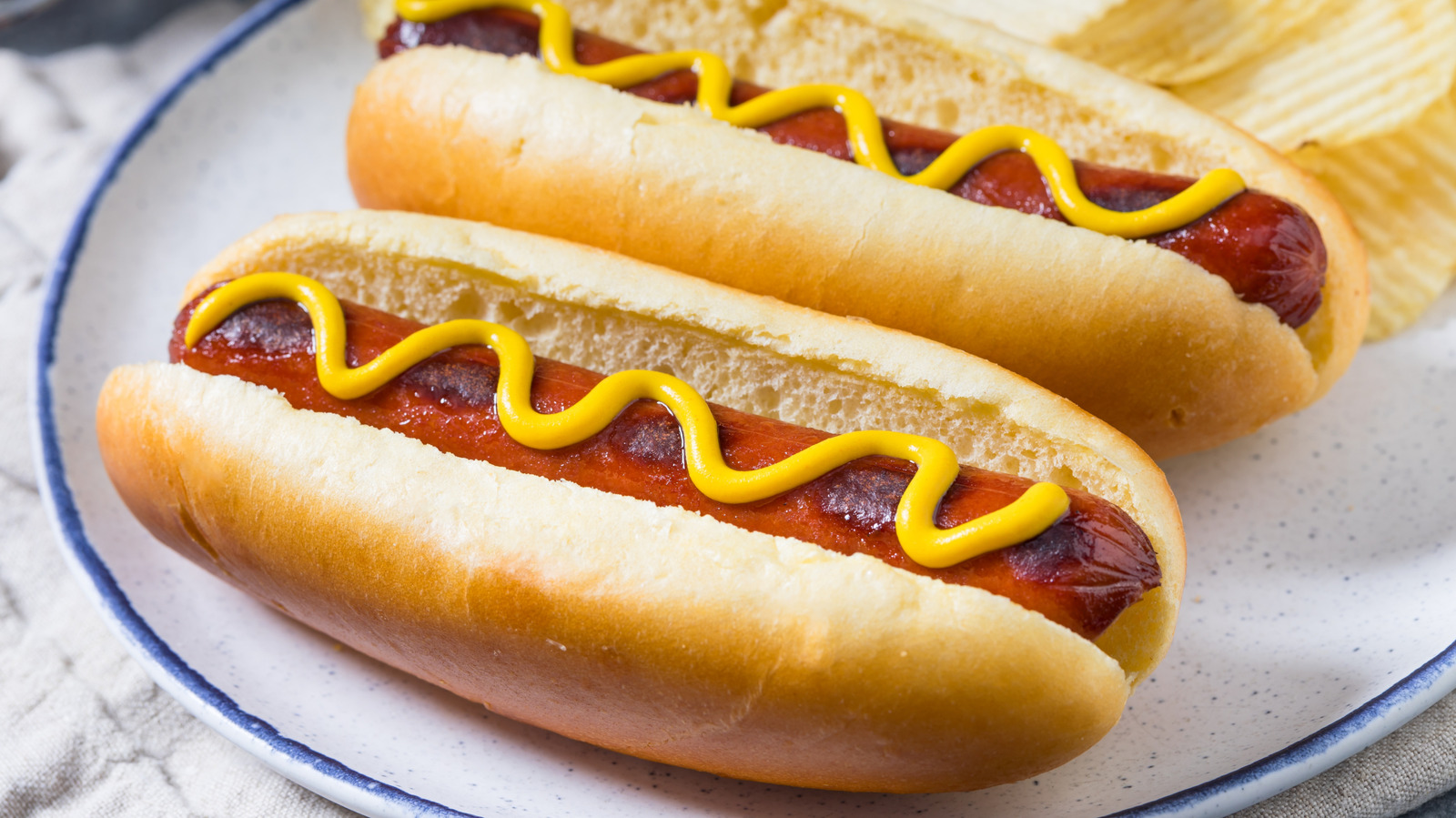
Successfully transforming a hot dog into a complete holiday meal relies heavily on the strategic layering of textures and flavors. Culinary experts suggest beginning with a properly prepared base—typically a high-quality all-beef, pork, or specialized turkey frankfurter cooked via grilling, boiling, or pan-frying, served within a lightly toasted bun to maintain structural integrity under heavier toppings.
Vegetable dishes from the holiday table offer both nutritional balance and essential textural contrast. Green bean casserole, a staple of many American holiday spreads, functions exceptionally well in this context. The inclusion of cream of mushroom soup and crispy French-fried onions provides both moisture and a distinct crunch, eliminating the need for separate potato chips or onions. Alternatively, plain green beans, roasted Brussels sprouts, corn, or roasted root vegetables can be piled atop the frank to introduce a fresh, earthy element.
Starch-heavy sides, which dominate most holiday spreads, provide the necessary heft to turn the snack into a filling meal. Leftover bread- or cornbread-based stuffing brings savory, herbal notes—often infused with sage, thyme, and celery—that complement the spiced profile of the sausage.
Condiments bridge the gap between the traditional hot dog experience and the holiday flavor profile. Cranberry sauce, with its characteristic sweet-and-tart acidity, acts as a functional replacement for conventional ketchup, cutting through the rich, salty fats of the meat. Meanwhile, a warm drizzle of turkey or chicken gravy serves as a savory binding agent, uniting the various components into a cohesive dish. For those seeking an even more robust meal, a side of garlic-mashed potatoes or sweet potato casserole can accompany the plate, or even be integrated directly into the bun.
Advanced Variations and Alternative Delivery Methods
As home cooks experiment further with post-holiday pairings, the scope of acceptable toppings continues to expand beyond standard configurations. For instance, sweet potato casseroles—particularly those incorporating bacon or brown sugar glazes—provide a complementary sweet-and-savory contrast that enhances the savory notes of the frankfurter.
For households seeking alternatives to the traditional bread bun, alternative delivery methods have gained traction among culinary experimenters. One notable trend involves the "baked potato hot dog hack," wherein a large baked potato is split down the center, serving as the vessel for both the frankfurter and the accumulated Thanksgiving toppings. This method caters specifically to diners who prioritize starches and potatoes as the highlight of the holiday feast.
Cheese, another frequent element of holiday charcuterie boards and party spreads, offers yet another avenue for upgrading the day-after hot dog. Melting sharp cheddar, creamy Brie, or nutty Gouda over the warm frankfurter creates a rich, indulgent flavor profile. Furthermore, incorporating finely chopped leftover ham or shredded turkey directly into the topping mix guarantees a protein-dense meal designed to satisfy hearty appetites.
Broader Economic and Culinary Implications
The practice of repurposing holiday leftovers through creative avenues such as hot dog toppings carries broader implications for household economics and food sustainability. Nutritionists and food economists frequently emphasize the importance of minimizing post-holiday food waste, a phenomenon that peaks between late November and early January. By finding palatable, exciting ways to consume leftovers over the course of several days, consumers reduce the likelihood of food spoilage and financial loss associated with discarded meals.
Moreover, this culinary trend reflects a broader cultural movement toward de-formalizing dining traditions. As younger generations establish their own household customs, the rigid boundaries separating formal holiday meals from casual everyday foods continue to dissolve. The marriage of traditional Thanksgiving dishes with casual street food demonstrates a willingness to experiment within the kitchen, proving that nostalgia and culinary innovation can coexist on a single plate.
Ultimately, whether driven by curiosity, frugality, or a simple desire for comfort food, topping hot dogs with holiday leftovers provides a practical and flavorful solution to the perennial question of what to do with the day-after bounty.