Federal Judge Strikes Down Trump Administration’s Second Attempt to Restrict Birthright Citizenship in Major Legal Defeat

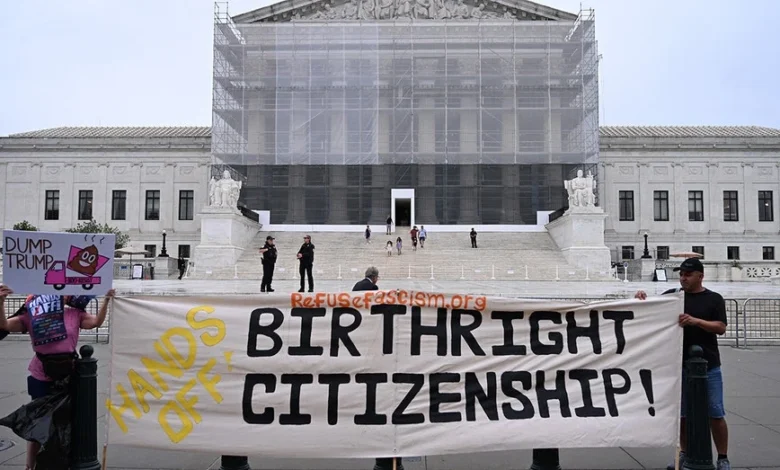
The ongoing national debate over the scope and interpretation of the Fourteenth Amendment reached a new milestone on Wednesday as a federal judge in Washington, D.C., decisively blocked the Trump administration’s second executive order attempting to limit birthright citizenship. U.S. District Judge Christopher Cooper issued an extensive 67-page opinion striking down the August directive, which sought to deny automatic citizenship eligibility to specific categories of children born on United States soil. The ruling represents a significant legal setback for the executive branch’s aggressive immigration agenda and sets the stage for what is expected to be a swift and contentious appeal to higher federal courts.
Judge Cooper’s decision invalidates an executive order that targeted children born in the U.S. whose parents are suspected terrorists, suspected gang members, classified as "alien enemies," or born through commercial surrogacy arrangements involving foreign nationals. By halting the enforcement of this directive, the federal judiciary has once again reinforced the traditional, broad interpretation of citizenship protections enshrined in the Constitution, maintaining that the executive branch lacks the unilateral constitutional authority to carve out novel exceptions to birthright citizenship without explicit congressional authorization.
Chronological Overview and Legal Precedent
The legal battle over birthright citizenship during President Donald Trump’s current term has escalated rapidly through the federal court system. The conflict began on Trump’s first day back in office, when he signed an initial executive order attempting to deny automatic citizenship to U.S.-born children whose mothers were residing in the country illegally or temporarily, and whose fathers were neither U.S. citizens nor lawful permanent residents holding green cards.
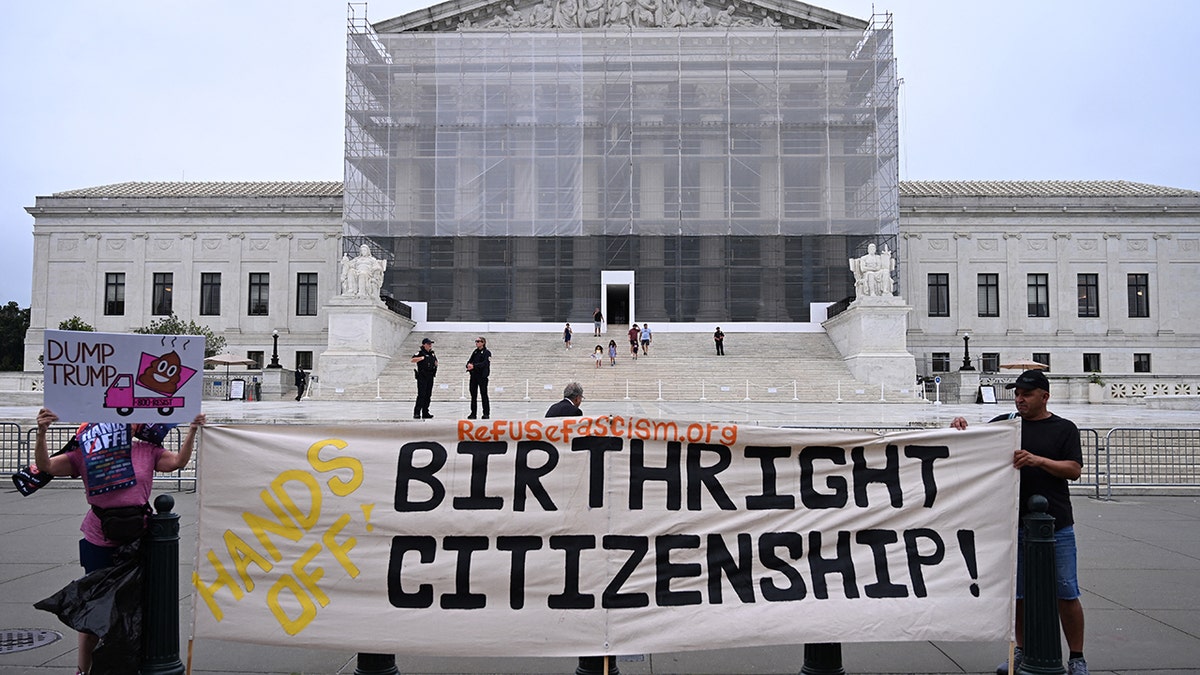
That first initiative was met with immediate legal challenges from civil rights organizations, immigration advocates, and state-level coalitions. The litigation quickly moved through the federal appeals process, culminating in a major ruling by the U.S. Supreme Court. In June, the high court struck down the core mechanics of that first order, establishing strict limitations on the application of broad executive directives regarding citizenship and restricting the scope of nationwide injunctions in a closely watched decision, Trump v. Barbara.
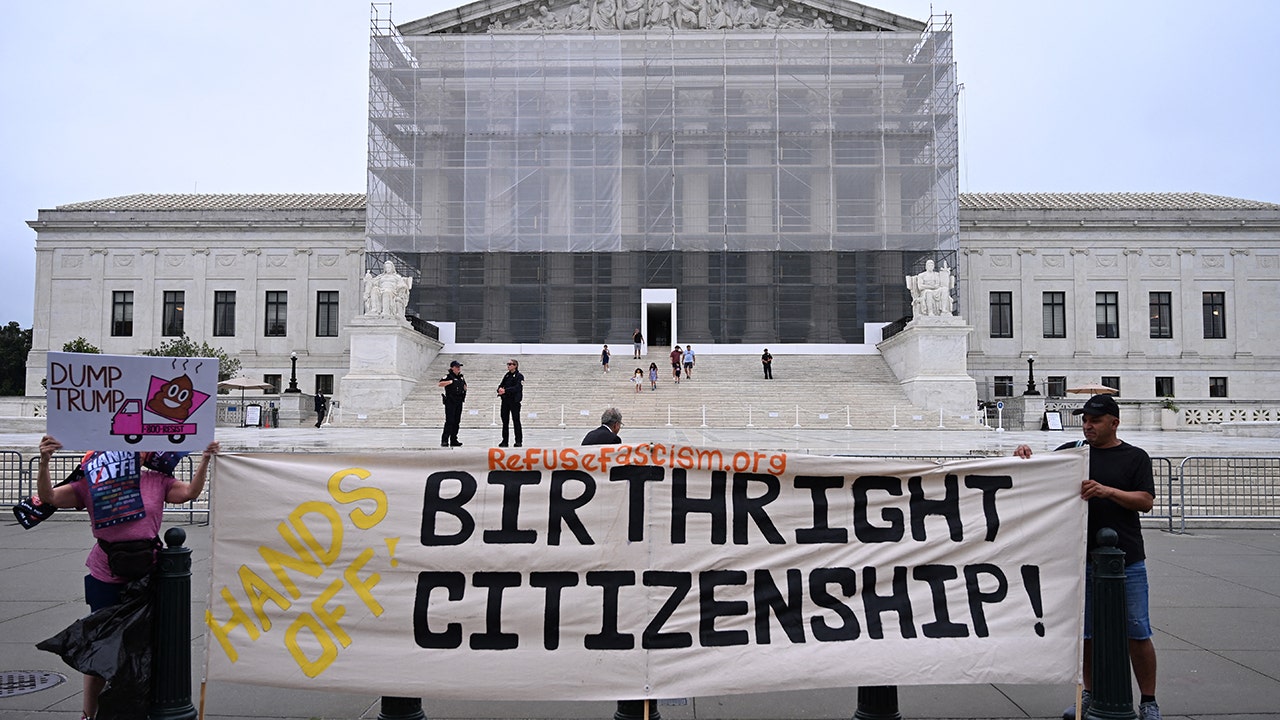
Undeterred by the initial Supreme Court defeat, the administration issued its second executive order in August, attempting a more targeted approach by focusing on national security threats, foreign governmental designations, and commercial surrogacy loopholes. However, the legal architecture of this second order began to unravel almost immediately. On September 2, U.S. District Judge Deborah Boardman in Maryland issued a partial injunction protecting U.S.-born children whose mothers were in the country illegally or temporarily.
Judge Cooper’s recent Wednesday ruling has now expanded those protections significantly, creating a nationwide shield that covers the broader categories outlined in the August order, including children of foreign diplomats, international organization employees, individuals deemed alien enemies, and foreign parents utilizing domestic surrogacy services.
Detailed Analysis of the Court’s Opinion
In his comprehensive ruling, Judge Cooper relied heavily on foundational constitutional jurisprudence, most notably the Supreme Court’s landmark 1898 decision in United States v. Wong Kim Ark. In that foundational case, the high court determined that a child born in the United States to Chinese immigrant parents was a fully protected U.S. citizen under the Citizenship Clause of the Fourteenth Amendment.
Cooper emphasized that Wong Kim Ark established explicit, narrow exceptions to the rule of birthright citizenship—specifically limited to children born to foreign diplomats on official duty, children born aboard foreign public vessels, and children born to hostile enemy forces actively occupying American territory during a time of war. The judge reasoned that while the Fourteenth Amendment could theoretically permit additional exceptions, any such modifications must be enacted through explicit legislation passed by Congress, rather than through unilateral executive fiat.
Addressing the administration’s national security justification—which argued that suspected terrorists and gang members fit the historical exception for children of occupying enemy forces—Cooper dismissed the logic as an unprecedented and legally unsound distortion of historical legal definitions. "To recap, a parent’s purported status as an alien enemy, standing alone, cannot strip a U.S.-born child of his right to birthright citizenship," Cooper wrote. "The alien-enemy exception, properly understood, applies only to children born to hostile enemy forces in temporarily occupied U.S. territory."
Furthermore, Cooper dismantled the administration’s attempts to target commercial surrogacy. He pointed out that foreign parents frequently choose the United States for surrogacy arrangements precisely because they want the resulting children to be governed by established American law under judicial supervision. He noted that prior to the issuance of the second executive order, the U.S. State Department routinely recognized the citizenship of children born on American soil via surrogacy without question.
Official Responses and Political Repercussions
The reaction from the executive branch was swift and critical. White House officials wasted no time condemning the decision, labeling the ruling as the product of judicial activism aimed at obstructing the administration’s broader immigration and national security policies.
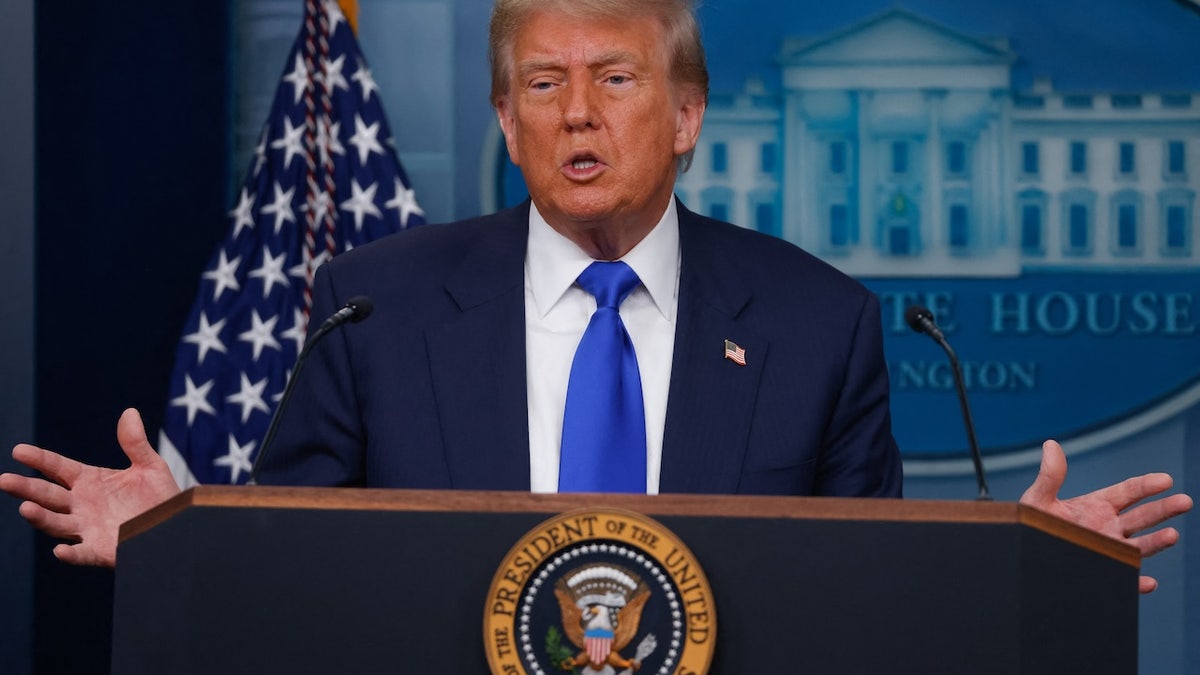
"This is just another ruling from an activist judge appointed by Obama attempting to thwart President Trump’s commonsense agenda," White House spokeswoman Lauren Bis said in an official statement to the press. "The birthright citizenship executive order is consistent with the holdings and analysis set forth by the Supreme Court."
President Trump has frequently voiced public frustration with Judge Cooper, previously characterizing him as an opponent of his policy agenda and grouping him among critics within the federal judiciary. The personal and political tensions surrounding the judge are further underscored by Cooper’s recent high-profile rulings, which include blocking administrative efforts to alter renovations at the Kennedy Center and ordering the newly formed Department of Government Efficiency to disclose records pursuant to Freedom of Information Act lawsuits.
Legal analysts note that the administration’s legal team faces a narrow path forward but is virtually guaranteed to appeal the decision. The Department of Justice is expected to seek emergency relief from the U.S. Court of Appeals for the District of Columbia Circuit, requesting a temporary stay of Judge Cooper’s injunction while the underlying appeal proceeds. If unsuccessful at the appellate level, the administration has signaled its willingness to return to the Supreme Court to seek a reversal, setting the stage for another high-stakes constitutional showdown over executive authority and birthright citizenship.
Broader Implications for Immigration Policy and Constitutional Law
The ongoing legal battles over birthright citizenship carry profound implications for the interpretation of executive power and the boundaries of the Fourteenth Amendment. For decades, the principle of jus soli—the right of anyone born in the territory of a state to nationality or citizenship—has remained a cornerstone of American constitutional law and immigration status.
Efforts by the executive branch to alter or restrict this principle through administrative rulemaking and executive orders represent an aggressive challenge to long-standing legal norms. Supporters of the administration’s policies argue that closing perceived loopholes regarding birth tourism, surrogacy, and national security threats is vital for national sovereignty and the integrity of the nation’s immigration system. Conversely, constitutional scholars, civil rights advocates, and immigration lawyers contend that any fundamental restructuring of citizenship law requires direct constitutional amendment or explicit statutory changes enacted by the legislative branch, warning that unchecked executive authority in this arena could destabilize foundational rights.
As the litigation moves toward the D.C. Circuit Court of Appeals and potentially back to the Supreme Court, the legal community will be watching closely to see how the judiciary balances executive discretion in immigration enforcement against the textual mandates of the Fourteenth Amendment. The final resolution of this case will not only determine the citizenship status of thousands of children born in the United States under contested circumstances but will also establish a vital precedent regarding the limits of presidential power in defining the American populace.