The humble muffin tin, a staple of domestic kitchens for generations, is undergoing a quiet culinary reassessment as home cooks and professional chefs alike discover its immense versatility far beyond traditional sweet baked goods. While historically pigeonholed into the singular role of baking breakfast pastries and birthday cupcakes, the multi-cup metal tray has proven to be an extraordinarily adaptable implement capable of navigating extreme temperature ranges, from searing oven heat to sub-zero freezing. As contemporary households increasingly prioritize efficiency, meal-prep optimization, and portion control, culinary experts are looking at standard kitchen hardware through an innovative lens. The muffin tin’s compartmentalized architecture naturally facilitates portioning, structural integrity, and rapid, even heat distribution, making it an indispensable asset for an expansive array of savory meals, intricate appetizers, and frozen desserts.
The Evolution of Multipurpose Cookware in Modern Gastronomy
The historical trajectory of kitchen implements reveals a constant push toward multifunctionality. Much like the cast-iron skillet transitioned from a camp stove essential to a gourmet roasting vessel, bakeware is experiencing a similar renaissance. Culinary historians note that compartmentalized baking pans date back to the early 19th century, designed primarily to streamline the production of individual bread rolls and small cakes in commercial and domestic settings. However, the modern non-stick aluminum and silicone muffin tins available in contemporary markets possess thermal properties that lend themselves to unexpected culinary applications.
Market research indicates a sustained rise in home-cooking trends focused on meal-prepping and single-serve culinary architecture, driven largely by hectic lifestyle schedules and a desire to minimize food waste. According to domestic economics analysts, consumers are actively seeking ways to maximize the utility of existing kitchen inventories rather than purchasing specialized single-use gadgets. In this economic and practical climate, the muffin tin emerges as a primary beneficiary. Its ability to withstand temperatures ranging from minus 20 degrees Fahrenheit in a freezer up to 450 degrees Fahrenheit in a conventional oven positions it as a bridge between preservation and preparation.
Savory Innovations: Elevating Breakfast and Dinner Preparations
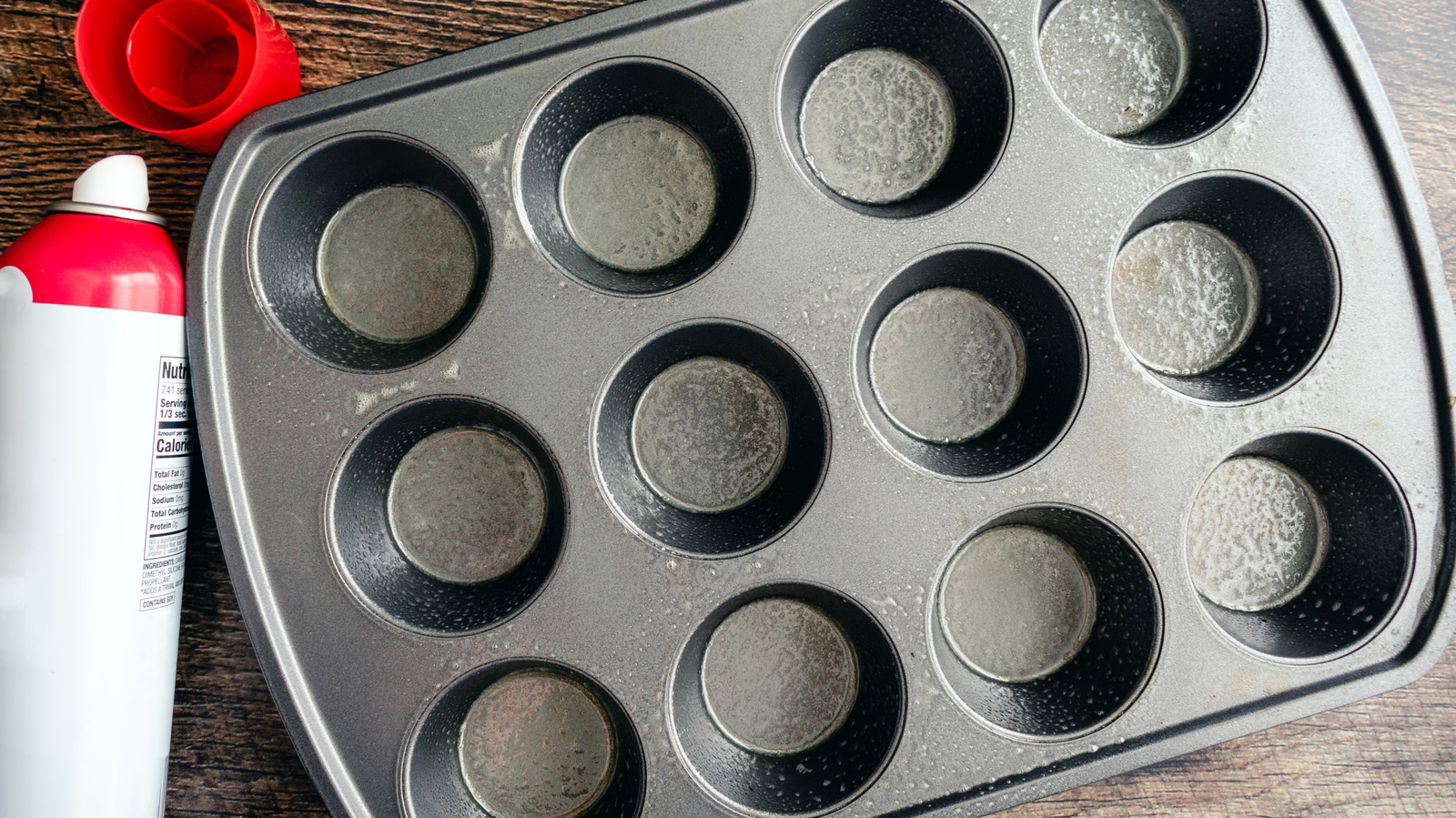
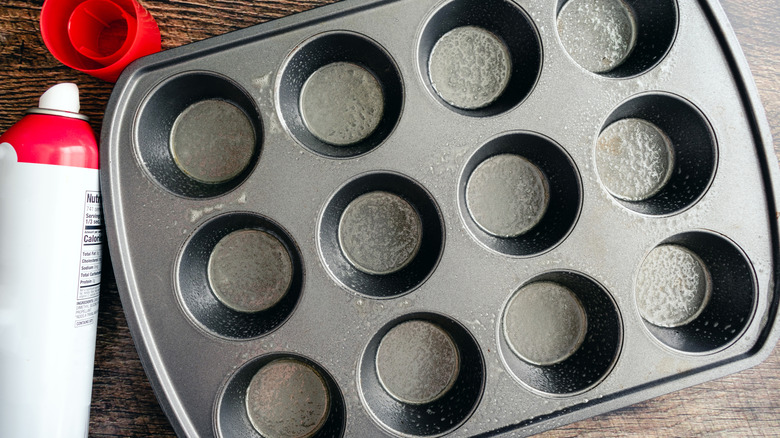
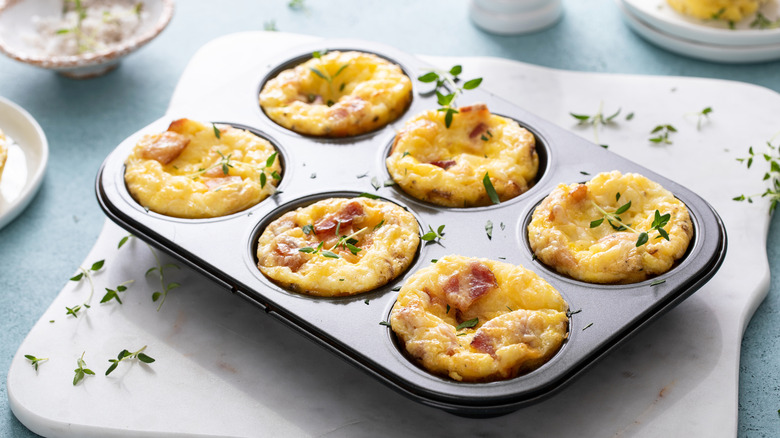
Among the most popular adaptations of the muffin tin outside of baking is the production of single-serve egg bites, a trend popularized heavily by commercial coffeehouse chains such as Starbucks. By utilizing a greased muffin tin to hold a blended mixture of eggs, cheese, and various proteins, home cooks can replicate high-end breakfast items at a fraction of the cost. Culinary scientists point out that the small volume of each cup ensures that the eggs cook uniformly without drying out the edges, a common pitfall when preparing larger sheet-pan frittatas. Furthermore, these egg bites can be manufactured in bulk, frozen for up to two months, and easily reconstituted in a microwave or toaster oven, satisfying the modern consumer’s demand for rapid, nutrient-dense breakfast options.
Expanding beyond breakfast, the muffin tin serves as an exceptional vessel for classic comfort foods and international delicacies requiring strict structural containment. Small-batch potato gratin—traditionally known as gratin dauphinois—benefits immensely from the individual compartments. By layering thinly sliced potatoes, cream, and Gruyère cheese within the confines of a muffin cup, cooks achieve individual servings that feature a desirable ratio of crispy, caramelized edges to tender, cream-infused centers. This technique eliminates the structural collapse often associated with serving portions from a large casserole dish, presenting an aesthetically refined product suitable for formal dinner parties and large-scale catering events.
Similarly, the English staple known as Yorkshire pudding relies structurally on the muffin tin, though culinary tradition frequently omits explicit mention of the pan type. The preparation of Yorkshire pudding requires a precise two-stage thermal process: fat or oil is added to the tin and heated to smoking point in a preheated oven before a chilled, highly aerated batter is poured directly into the sizzling fat. The muffin tin’s thermal mass ensures an immediate, violent reaction that forces the batter to billow upward, creating the characteristic hollow, crisp-crusted vessel traditionally served alongside roast beef or bangers and mash.
Artisanal Crafting of Regional and Comfort Foods
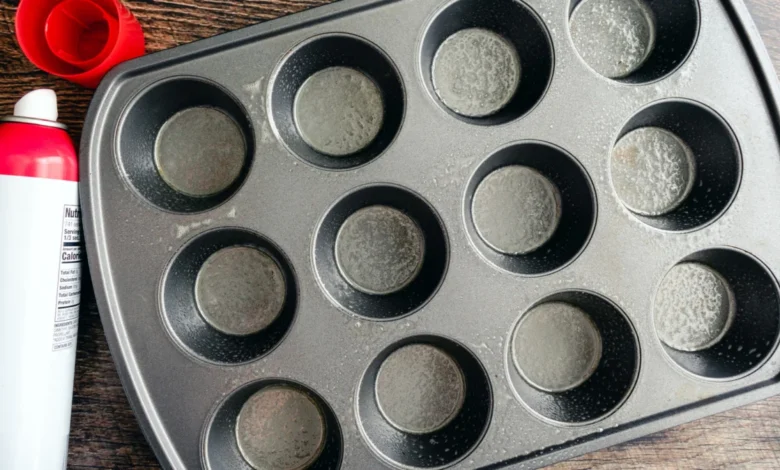
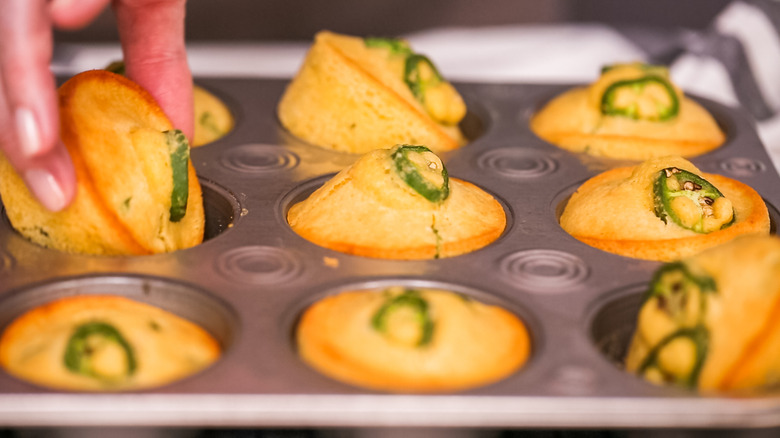
The utility of the compartmentalized pan extends deeply into regional American and European comfort cooking. Cornbread cups, for instance, offer a distinct textural advantage over traditional square-pan baking. When a muffin tin is treated with butter or high-smoke-point cooking oil rather than paper liners, the batter develops an exceptionally crisp exterior crust while maintaining a moist, crumb-tender interior. Home cooks frequently customize these savory cups by incorporating whole corn kernels, diced jalapeños, or folding in unexpected ingredients such as pumpkin puree and brown butter during autumn seasonal transitions.
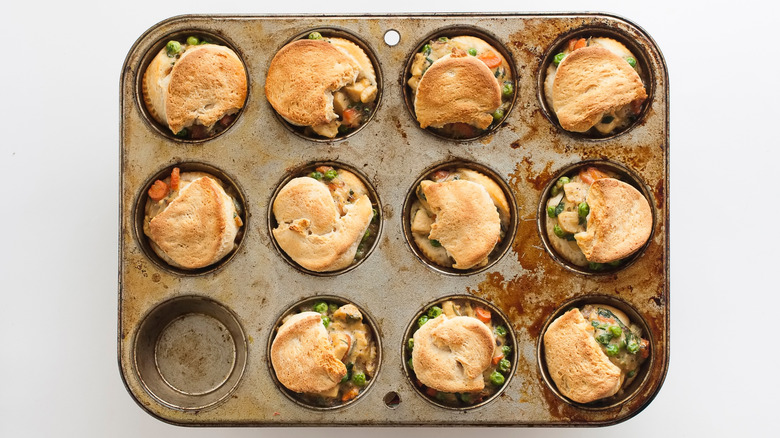
For heartier main courses, mini chicken pot pies demonstrate the muffin tin’s capacity to streamline complex culinary tasks. Traditional pot pies require significant time investment in rolling, fitting, and slicing large pastry crusts. By pressing pre-cut rounds of puff pastry into muffin cups and filling them with a standardized, pre-cooked creamy chicken and vegetable mixture—often expedited using leftover rotisserie poultry or canned cream soups—cooks can produce dozens of uniform hand-pies simultaneously. This format is particularly advantageous for outdoor gatherings, picnics, and catered buffets where finger foods are preferred over seated, knife-and-fork dining.
Mashed potato cups represent another resourceful application, particularly beneficial for post-holiday meal management. Leftover mashed potatoes can be seasoned, piped or pressed against the interior walls of a greased muffin tin, and baked until the outer edges achieve a golden, roasted crust. This creates a natural edible bowl that can subsequently be filled with a variety of complementary proteins and vegetables, including ground beef, braised leeks, peas, and rich gravies. Food safety experts note that repurposing leftovers in this manner significantly reduces household food waste while introducing an element of interactive dining, as hosts can establish a buffet-style station allowing guests to customize their individual potato cups with diverse toppings.
Confectionery and Frozen Delights
While savory dishes showcase the pan’s heat retention and structural support, the freezing capabilities of muffin tins unlock an entirely separate category of culinary exploration. Confectioners and home bakers frequently utilize muffin tins lined with paper baking cups to manufacture chocolate-covered treats, such as customized sandwich cookies. By submerging cookies like Oreos in tempered dark, milk, or white chocolate and setting them within the individual wells, artisans can produce professional-grade confections adorned with sprinkles, crushed nuts, or contrasting chocolate drizzles without the mess typically associated with hand-dipping.
Bite-sized ice cream cakes further demonstrate the versatility of the pan in sub-zero environments. Constructing these frozen desserts requires establishing a compressed foundational layer—typically composed of crushed graham crackers, brownies, or sponge cake—at the base of each lined cup, followed by layered scoops of artisan ice cream and frozen mix-ins. Because these miniature cakes can be prepared up to a week in advance and stored securely in a freezer, they provide hosts with a stress-free dessert option for birthday celebrations and seasonal gatherings.

Finally, the production of gelatinous desserts, commonly referred to as Jell-O cups, benefits from the rigid framework of a muffin tin. While commercial gelatin molds exist, standard kitchen muffin tins lined with plastic wrap or light oil produce uniformly portioned gelatin blocks that maintain structural integrity upon removal. However, culinary chemists issue a specific warning regarding ingredient selection for gelatin preparations: fresh tropical fruits such as kiwi, pineapple, mango, and papaya contain proteolytic enzymes—specifically actinidin and bromelain—which actively break down protein chains in collagen. Introducing these fresh fruits directly into a gelatin mixture prevents proper setting, resulting in a watery failure. Consequently, successful execution requires substituting fresh tropical additions with commercially canned fruit alternatives, which undergo a heating process that neutralizes the destructive enzymes.
Broader Implications and Industry Analysis
The enduring relevance of the muffin tin in modern kitchen culture underscores a broader shift toward pragmatic, resource-efficient cooking methodologies. As kitchen gadget fatigue sets in among consumers weary of single-use appliances taking up valuable cabinet space, foundational cookware items that perform multiple cross-category functions are experiencing a resurgence in popularity. Culinary educators emphasize that mastering foundational tools like the muffin tin encourages experimentation, bridging the gap between baking science and improvisational cooking.
Furthermore, the economic and environmental implications of reducing food waste through creative repurposing—such as transforming day-old mashed potatoes or leftover holiday proteins into elegant bite-sized appetizers—align closely with contemporary sustainability initiatives. As home kitchens continue to adapt to economic pressures and evolving lifestyle demands, the muffin tin stands out as a prime example of enduring kitchen design: simple, structurally sound, and infinitely adaptable to the shifting landscape of modern gastronomy.