The culinary landscape of the 1990s was defined by several high-profile food trends, but few left as lasting an imprint on fine dining as the rise of the Chilean sea bass. Prized for its rich, buttery texture and mild flavor profile, the fish quickly became a staple on upscale restaurant menus across North America and Europe. However, decades of intense culinary infatuation, combined with unsustainable fishing practices in remote Southern Ocean waters, severely depleted wild populations. This ecological strain triggered skyrocketing prices, placing the luxury fish out of reach for many home cooks and budget-conscious commercial kitchens.
As consumers increasingly seek out sustainable, cost-effective, and nutrient-dense alternatives without sacrificing culinary quality, attention has turned toward an overlooked contender: the sablefish. Often marketed under the colloquial name black cod—despite not actually belonging to the true cod family—sablefish offers a remarkably similar flavor and texture profile to Chilean sea bass at a fraction of the cost. Furthermore, nutritional analyses indicate that sablefish boasts superior health benefits, particularly regarding its exceptionally high omega-3 fatty acid content and lower mercury accumulation, positioning it as a compelling fixture in contemporary seafood markets.
A Historical Overview: The Rise, Fall, and Rebranding of Chilean Sea Bass
To understand the current market dynamics of premium white fish, one must examine the trajectory of the Chilean sea bass. Scientifically known as Dissostichus eleginoides, the species was originally named the Patagonian toothfish. Due to its rather unappealing moniker, which hindered commercial marketability in international export hubs, the fish was strategically rebranded in the late 1970s by American fish wholesaler Lee Lantz, who coined the term "Chilean sea bass."
The rebranding proved to be an overwhelming marketing success. Throughout the 1980s and 1990s, global demand surged exponentially. Celebrity chefs championed the ingredient, praising its unique culinary characteristics. Unlike many delicate white fish varieties that easily dry out or disintegrate under intense heat, Chilean sea bass features a high fat content and large, meaty flakes that make it remarkably resilient in professional kitchens. Seafood distributor Louis Rizzo highlighted its unique processing advantages to culinary historians, noting that it remains one of the few species that thaws and cooks exceptionally well from a frozen state.
However, the rapid escalation in global demand outpaced regulatory frameworks. Because Patagonian toothfish are slow-growing, long-lived species that inhabit deep, remote waters near the Antarctic convergence zone, they are exceptionally vulnerable to overexploitation. Widespread illegal, unreported, and unregulated (IUU) fishing during the peak of its popularity decimated regional stocks. Although international conservation efforts, spearheaded by the Commission for the Conservation of Antarctic Marine Living Resources (CCAMLR), have significantly curbed illegal harvesting and improved fishery management since the early 2000s, the operational costs associated with fishing in remote southern latitudes continue to drive retail prices to extraordinary heights.
Economic Comparison: Sablefish Versus Chilean Sea Bass
In today’s economic climate, where food inflation heavily influences consumer purchasing habits, the price disparity between Chilean sea bass and sablefish is a primary driver for the latter’s growing popularity. A comparative market analysis of current retail pricing reveals a stark economic contrast.
At major warehouse retailers such as Costco, miso-marinated sablefish is frequently retailed at approximately $15 per pound, whereas Kirkland Signature frozen Chilean sea bass commands nearly $45 per pound. Specialized seafood purveyors demonstrate an even wider margin. Premium online vendors like the Browne Trading Company price high-grade, frozen Chilean sea bass fillets between $64 and $74 per pound, with total package costs exceeding $515 for a seven-to-eight-pound order. In contrast, fresh sablefish fillets sourced from trusted regional markets generally begin around $23.75 to $55 per pound, depending on the distribution channel and degree of preparation.
Geographical proximity plays a decisive role in this pricing structure. Unlike Chilean sea bass, which must be harvested in distant sub-Antarctic waters and transported across immense global shipping lanes, sablefish is native to the cold, deep waters of the North Pacific. Its natural habitat extends from the coastal shelf of Alaska down through British Columbia, Washington, Oregon, and California. This localized supply chain significantly reduces transportation overhead, carbon footprints, and import tariffs, allowing domestic retailers to pass substantial savings on to the consumer.
Nutritional Profile and Health Implications
Beyond economic considerations, nutritional science strongly favors the incorporation of sablefish into a balanced diet. Health professionals frequently emphasize the importance of consuming marine lipids rich in omega-3 polyunsaturated fatty acids, which are critical for cardiovascular health, neurological function, and the reduction of systemic inflammation.
Sablefish contains an extraordinary concentration of omega-3 fatty acids, delivering approximately 1,500 to 1,800 milligrams per standard 100-gram serving. This figure surpasses virtually all other white fish varieties available in commercial markets. Furthermore, because sablefish occupies a relatively lower trophic level compared to apex predatory fish, and because it is harvested from well-monitored North Pacific ecosystems, its tissue accumulation of heavy metals—specifically methylmercury—remains notably low. Regulatory health guidelines often restrict the consumption of certain large predatory fish due to mercury concerns, but the favorable safety profile of sablefish allows for more frequent dietary inclusion without adverse health risks.
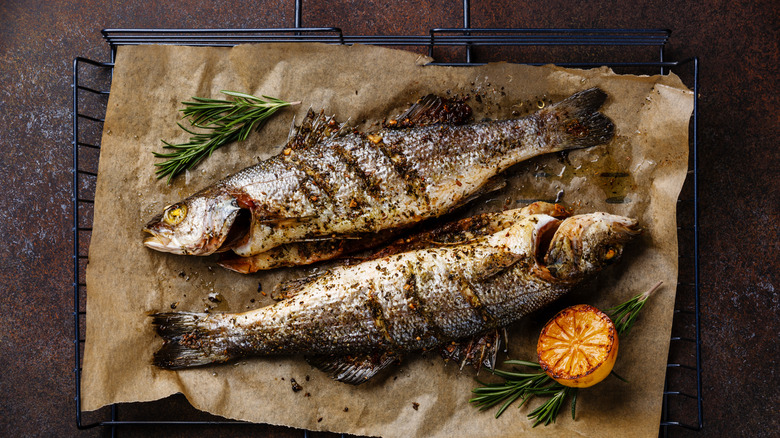
The high concentration of healthy fats in sablefish is also responsible for its characteristic culinary profile. The dense intramuscular fat deposits create a luxurious, melt-in-the-mouth texture that closely mirrors the prized qualities of high-end sea bass.
Culinary Versatility and Preparation Methods
For home cooks and professional chefs alike, mastering sablefish requires an understanding of its unique physical properties. The elevated fat content that gives the fish its signature richness also provides a natural buffer against overcooking.
In professional kitchens, sablefish is celebrated for its ability to withstand high-heat applications—such as pan-searing, broiling, and grilling—without losing its internal moisture or structural integrity. This resilience makes it exceptionally well-suited for traditional preservation and cooking techniques, including hot and cold smoking, curing, and long-marinade Japanese preparations like Saikyo yaki (miso-marinated black cod). Leaner white fish varieties often dry out under these aggressive heat applications, but the generous lipid profile of sablefish ensures a succulent, flaky result even for culinary novices.
Despite its exceptional qualities, sablefish remains somewhat underrepresented in standard supermarket chains, though distribution is steadily expanding. Major national and regional grocery operators—including Wegmans, H-E-B, Publix, and Whole Foods Market—frequently stock sablefish at select locations, often labeled interchangeably as black cod or butterfish. Consumers unable to find the fish in standard refrigerated displays can frequently request it through local, independent fishmongers who maintain direct supply lines with Pacific fisheries.
Broader Market Impact and Future Outlook
The shifting preference toward sablefish reflects a broader evolution in consumer awareness regarding sustainable seafood consumption. As environmental consciousness grows, diners and culinary professionals are increasingly looking beyond historical prestige foods to embrace species that offer ecological sustainability, superior nutritional value, and fiscal responsibility.
Fishery management agencies along the Pacific coast closely monitor sablefish populations through strict catch limits and individual quota systems, ensuring long-term ecological stability. By utilizing these well-managed regional resources, consumers can enjoy the decadent culinary experience once exclusively associated with luxury species like Chilean sea bass, while simultaneously supporting sustainable fisheries, improving their cardiovascular health, and significantly reducing their grocery expenses.