Sonnen and SOLRITE Energy Introduce Smart Breakers to Virtual Power Plants to Optimize Grid Stability and Home Backup

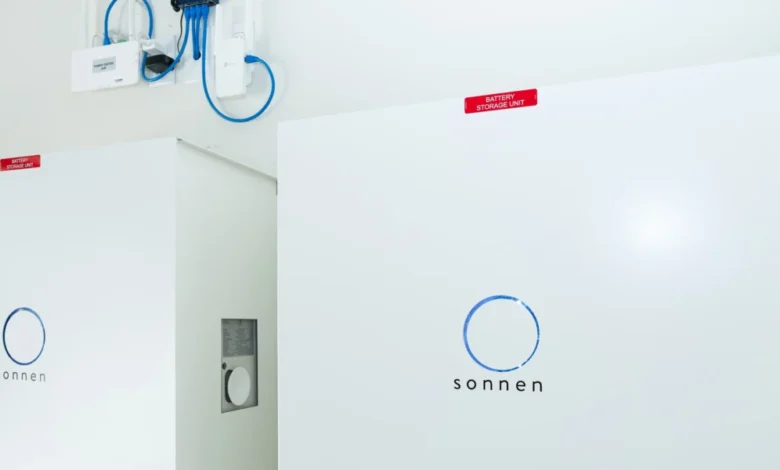
The intersection of residential energy storage and grid management reached a new technical milestone with the joint announcement from energy storage pioneer sonnen and solar-plus-storage provider SOLRITE Energy. The two companies are officially integrating ADAPT Energy’s advanced control software and Eaton AbleEdge smart circuit breakers into the joint SOLRITE-sonnen virtual power plant (VPP) ecosystem. This integration pairs the sonnenHub residential battery system with intelligent circuit-level management, enabling both companies to automatically throttle or temporarily disable heavy household electrical loads during grid stress events or local power outages.
While the initial announcement lacks definitive consumer pricing, specific regional rollout numbers, or an exact timeline for legacy hardware retrofits, the architectural concept marks a significant evolutionary step for distributed energy resources (DERs). By coupling battery dispatch with automated load shedding, the system addresses one of the most persistent bottlenecks in home energy resilience: the rapid depletion of backup reserves by high-wattage appliances.
The Mechanics of the SOLRITE-Sonnen VPP Integration
Virtual power plants have fundamentally altered how utilities and independent energy providers balance regional electrical grids. By aggregating hundreds or thousands of individual residential solar-and-storage systems, VPP operators can dynamically draw power from or inject power into the local grid during peak demand windows, effectively replacing the need for carbon-intensive peaker plants.
Traditionally, VPP participation has relied solely on controlling the charge and discharge cycles of home batteries. If a grid operator called for emergency power, the home battery would inject stored kilowatt-hours directly into the grid. However, this method left underlying household consumption untouched unless the homeowner manually intervened or programmed their system to shed
specific loads.

The integration of ADAPT Energy controls and Eaton AbleEdge smart breakers introduces a two-pronged approach. When a VPP event is triggered, the system does not just push battery power outward; it simultaneously curtails nonessential domestic consumption inward. By reducing the home’s total load in real time, a larger percentage of the battery’s capacity—or the solar array’s current production—can be funneled directly to the grid.
Troy Morgan, president of PanTech Design, the developer of ADAPT Energy, emphasized the consumer-centric engineering behind the partnership. "Instead of putting the pressure on homeowners to change the way their home is wired, and to manually manipulate loads during an outage, we’re putting intelligence into their energy system, which provides a seamless and automatic backup power experience for their home," Morgan stated.
Managing High-Draw Appliances: The Pool Pump Example
To illustrate the practical implications of smart breaker integration, sonnen and SOLRITE highlighted a common household heavy-hitter: the residential pool pump. Pool filtration systems typically demand substantial continuous amperage and operate for extended daily cycles, making them prime candidates for load management.
Under the new VPP framework, when a grid stabilization event initiates, the ADAPT platform automatically pauses power to the pool pump. Simultaneously, the sonnen battery diverts more of its stored capacity to support the broader grid. Because the pool pump is temporarily offline, the battery is not simultaneously fighting a heavy internal drain, resulting in a cleaner, more substantial net export of energy to the grid.
Crucially, this process relies entirely on explicit homeowner opt-in protocols. The VPP operator does not possess blanket, unchecked authority to disable any circuit within a residence. Instead, automation is restricted strictly to pre-approved, nonessential circuits designated by the homeowner during the initial setup phase. Essential systems—such as refrigerators, medical equipment, and primary lighting circuits—remain untouched and fully protected.
Solving the Backup Power Equation and Installation Complexities
Beyond grid-level VPP monetization, the collaboration targets a foundational hardware challenge faced by homeowners during unexpected grid failures: battery longevity and surge management.

When a blackout strikes, many residential storage systems struggle with the massive inrush current required to jump-start large inductive loads like central air conditioning compressors, well pumps, or large water heaters. This sudden electrical surge can easily trigger an overload fault, shutting down the inverter and plunging the home into darkness precisely when reliable backup is most needed.
By utilizing ADAPT-coordinated smart breakers, the system automatically sheds heavy, high-surge loads the moment a grid failure is detected. This load-shedding protocol prevents inverter overload, safeguards the battery chemistry from rapid stress, and extends the overall runtime of essential home systems. Once grid power is successfully restored, the smart breakers automatically re-energize the isolated circuits, sparing homeowners the tedious chore of navigating a dark basement to manually flip physical circuit breakers.
Furthermore, the technology offers distinct logistical advantages during initial installation. Historically, implementing selective home backup required electricians to perform extensive and labor-intensive rewiring. This typically involved carving out a sub-panel and physically moving specific critical circuits away from the main electrical panel.
The integration of smart breakers bypasses this invasive process. Because the Eaton AbleEdge hardware manages compatible circuits directly where their standard breakers are already housed, the physical footprint of the installation is drastically reduced. This streamlines labor hours, lowers soft costs associated with electrical permits, and simplifies municipal inspection procedures.
Despite these advancements, industry experts note that the laws of physics still apply. Whole-home backup remains constrained by total inverter output ratings and aggregate battery capacity. While automated load management ensures that available kilowatt-hours are stretched to their absolute operational limit, it does not magically enable every high-draw appliance in a sprawling modern residence to run simultaneously throughout an extended multi-day outage.
Market Context and Corporate Footprint
The partnership rolls out against a dynamic backdrop for both companies. SOLRITE Energy continues to scale its unique residential market approach, financing, building, and owning residential solar-and-storage installations via proprietary Virtual Power Plant Agreements. Under this business model, homeowners receive clean energy infrastructure with zero upfront capital expenditure. SOLRITE currently maintains operational footprints across Texas, California, Connecticut, Massachusetts, and Illinois, with aggressive expansion roadmaps targeting additional state markets facing grid constraints.

Meanwhile, sonnen—a global leader in smart energy storage systems—has navigated a complex corporate landscape. The company recently filed for insolvency for its German parent entity even as its North American division experienced rapid commercial growth, with U.S. sales doubling year-over-year. The resilience of sonnen’s U.S. operations underscores the heavy domestic demand for sophisticated energy storage solutions, particularly in regions like Texas (governed by ERCOT) and California (under CPUC jurisdiction), where extreme weather events and volatile wholesale electricity pricing have made VPP participation increasingly lucrative for everyday consumers.
Broader Implications for the Future of Distributed Energy
The fusion of smart electrical panels and intelligent battery storage systems represents the next logical phase of the residential energy transition. As utilities face rising peak-load demands, aging transmission infrastructure, and an increasing percentage of intermittent renewable generation, the reliance on centralized fossil-fuel peaker plants is becoming economically and environmentally untenable.
Virtual power plants provide a decentralized alternative, transforming passive residential buildings into active grid assets. However, the success of VPPs depends heavily on consumer trust and seamless user experiences. Systems that require manual oversight or cause household inconvenience struggle to achieve high retention rates among participating homeowners.
By automating load shedding through smart breakers, companies like sonnen, SOLRITE, and ADAPT Energy are removing friction from the equation. Homeowners can passively contribute to grid stability, hedge against rising utility rates, and safeguard their families against prolonged blackouts—all without sacrificing domestic comfort or manually managing complex electrical loads. As smart breaker technology becomes increasingly standardized across the residential building sector, the boundary between the home energy ecosystem and the public utility grid will continue to blur, paving the way for a more resilient, responsive, and decentralized energy future.