The contemporary landscape of men’s fashion is undergoing a profound structural evolution, shifting away from the rigid formalities of the pre-pandemic era toward a sophisticated synthesis of utilitarian comfort, technical innovation, and heritage craftsmanship. As global consumer habits stabilize following years of supply chain disruptions and shifting social calendars, menswear designers are facing an increasingly discerning market. Today’s male consumer demands versatility, durability, and narrative depth from his wardrobe, prompting brands to rethink traditional seasonal collections. This comprehensive market analysis examines the leading labels, emerging trends, and macroeconomic factors currently shaping the global menswear sector, offering an authoritative overview of the definitive pieces defining modern style.

The Evolution of Modern Menswear: From Tailoring to Technical Utility
To understand the current state of menswear, one must trace the trajectory of the industry over the past decade. The 2010s were characterized by the dominance of fast-moving streetwear trends, where graphic hoodies, sneakers, and logo-driven items commanded the cultural zeitgeist. However, the subsequent years catalyzed a significant correction. Lockdowns and remote work models forced a collective reassessment of personal style, prioritizing comfort without entirely abandoning the desire for curated self-expression.

By the early 2020s, this pivot manifested as "smart comfort"—a hybrid aesthetic blending relaxed tailoring with technical fabrics originally engineered for outdoor performance. Designers began incorporating stretch membranes, moisture-wicking wools, and modular layering systems into classic silhouettes like trench coats, blazers, and trousers. Market research from leading retail analytics firms indicates that sales of casualized tailoring have surged by over 35% since 2021, while traditional, unyielding business suits have seen a steady decline.
Today, the modern menswear hit list is no longer dictated by a single dominant trend, but rather by a curated ecosystem of wardrobe essentials. Consumers are investing in "cost-per-wear" items: garments built to withstand both shifting trends and physical wear and tear. This shift aligns with broader economic pressures, including inflationary environments that have made shoppers more selective and value-conscious in their discretionary spending.

Key Labels and Standout Pieces Shaping the Season
The current menswear landscape is anchored by a dynamic interplay between legacy luxury houses and nimble independent labels. Independent brands, in particular, have leveraged direct-to-consumer digital platforms and agile manufacturing processes to capture market share from legacy conglomerates.

Outerwear continues to serve as the anchor category for autumn and winter collections, commanding the highest share of wallet. Shearling-lined leather jackets, architectural overshirts, and modular technical parkas are leading the charge. Brands that successfully merge archival silhouettes with modern technical fabrication are seeing unprecedented demand. For instance, heritage British wax-cotton manufacturers have collaborated with contemporary streetwear designers to create weather-resistant outerwear that appeals to both traditionalists and younger urban demographics.
In the footwear sector, the boundary between athletic performance and formal dress has all but dissolved. Premium trail running shoes styled with tailored wool trousers have transitioned from a niche runway styling trick to a ubiquitous urban uniform. Concurrently, artisan-crafted loafers featuring lug soles and Vibram outsoles offer durability without sacrificing refinement, capturing the consumer demand for footwear that transitions seamlessly from office environments to outdoor terrain.

Knitwear has similarly undergone a renaissance. Heavyweight, textured cardigans, brushed mohair sweaters, and tactile cable-knits are replacing traditional thin-gauge merino wool crewnecks. These pieces offer tactile richness, a key selling point in a digital retail environment where texture and fabric weight must be communicated visually through high-definition imagery and video.
Chronology of Industry Shifts: 2020 to the Present

The transformation of the menswear market can be mapped through several distinct phases over the past five years:
The Paradigm Shift (2020–2021): Driven by global health mandates and remote work, the demand for formalwear collapsed. Brands pivoted rapidly toward loungewear, athleisure, and comfortable knitwear. Supply chain bottlenecks forced designers to re-evaluate overseas manufacturing, leading to a localized sourcing movement.

The Hybrid Renaissance (2022–2023): As offices reopened and social events resumed, consumers resisted a return to uncomfortable formality. This gave rise to the smart-casual hybrid market. Tailoring returned, but it was cut wider, rendered in softer fabrics, and styled with sneakers or knit polo shirts.
The Heritage and Longevity Era (2024–Present): Faced with economic headwinds and heightened environmental awareness, consumers began prioritizing durability and timeless design over seasonal trend-chasing. The current market rewards brands that emphasize supply chain transparency, repairability, and classic aesthetics updated with subtle modern tweaks.

Economic and Demographic Drivers
The resurgence of interest in high-end and thoughtfully crafted menswear is being propelled by shifting demographics. Gen Z and millennial male consumers are engaging with fashion earlier and more deliberately than previous generations. According to retail data, male grooming and apparel spending among consumers under the age of 30 has grown at a faster rate than female spending in the same demographic over the past three years.

This demographic shift is accompanied by a change in shopping behavior. Younger male shoppers are highly research-oriented, frequently utilizing digital resale platforms, social media style communities, and specialized editorial content before making a purchase. Consequently, brands must maintain robust digital narratives, transparent sustainability metrics, and exceptional product quality to win loyalty.
Furthermore, the secondary market for menswear has matured significantly. Platforms specializing in archived designer clothing and authenticated luxury resale have normalized the acquisition of pre-owned garments. This circular economy model influences primary retail purchases, as consumers increasingly consider the residual value of a garment—such as a designer leather jacket or a limited-edition watch—before investing at full retail price.

Industry Responses and Strategic Adaptations
In response to these evolving consumer expectations, fashion houses and independent labels alike are altering their operational models. Traditional biannual runway calendars are being supplemented by capsule drops, pre-collections, and cross-brand collaborations designed to generate continuous consumer engagement.

Executives across the luxury sector have emphasized the importance of storytelling in product design. In recent earnings calls, leaders from major luxury conglomerates noted that products tied to a distinct heritage or innovative technical narrative significantly outperform basic seasonal items. Designers are digging deep into brand archives, reissuing iconic silhouettes from decades past, and contextualizing them for modern consumers through updated fits and sustainable materials.
Sustainability has also transitioned from a marketing buzzword to a core operational metric. With impending regulatory frameworks in major global markets targeting textile waste and carbon emissions, menswear brands are investing heavily in certified organic fibers, recycled synthetics, and traceable supply chains. Consumers are increasingly holding brands accountable for their environmental footprint, making eco-conscious manufacturing a critical competitive advantage.

Implications for the Future of Retail
The broader implications of these trends point toward a more rationalized, quality-focused menswear market. As the industry moves away from the boom-and-bust cycles of fast-trend fashion, the focus is settling firmly on durability, versatility, and thoughtful design.

Retailers are adapting their physical store footprints to reflect this shift. Flagship stores are increasingly designed as experiential spaces rather than mere inventory repositories, featuring in-house tailoring services, coffee bars, and dedicated areas for vintage or archival curation. This experiential retail model aims to foster community and brand loyalty in a way that transactional e-commerce alone cannot achieve.
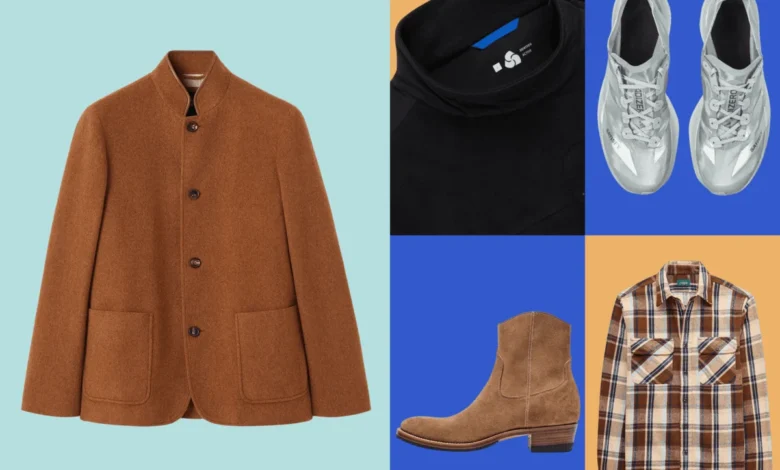
Ultimately, the definitive menswear items of today reflect a cultural moment defined by pragmatism paired with an appreciation for craftsmanship. Whether through an impeccably draped overcoat, a pair of rugged yet refined boots, or a versatile knit cardigan, the modern wardrobe is built for a complex, fast-paced world that demands both style and substance. As designers continue to innovate within these parameters, the boundary between functional utility and high fashion will continue to blur, setting a new standard for the global apparel industry in the years ahead.