Connor Storrie in Talks to Star Opposite Ryan Gosling in Marvel Studios Upcoming Ghost Rider Feature

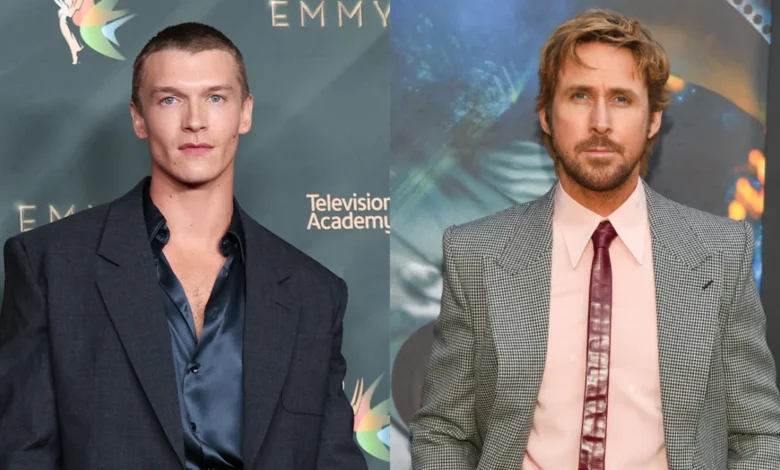
The meteoric rise of actor Connor Storrie, who transitioned from the service industry to the upper echelons of Hollywood stardom in just twelve months, has reached a significant milestone. Sources familiar with the project have confirmed that Storrie is currently in negotiations to join the cast of Marvel Studios’ highly anticipated Ghost Rider reboot. Should the deal finalize, the young actor will share the screen with Ryan Gosling, who is widely expected to anchor the film as the iconic motorcycle-riding vigilante, Johnny Blaze.
This casting news arrives on the heels of an aggressive development cycle for the project, which was formally unveiled to the public during Marvel Studios’ surprise panel at San Diego Comic-Con this past July. With a firm theatrical release date set for July 28, 2028, the studio is moving quickly to assemble a creative team capable of revitalizing the supernatural corner of the Marvel Cinematic Universe (MCU).
A Creative Powerhouse Behind the Camera
The production is set to be helmed by director Shawn Levy, whose recent professional synergy with Ryan Gosling has made them a formidable creative pairing. Their collaboration, which includes the upcoming Star Wars: Starfighter project, has established a shorthand that Marvel executives hope will translate into a distinct, high-energy tone for Ghost Rider.
The screenplay is being penned by Jonathan Tropper, a writer whose track record for balancing character-driven drama with high-stakes action aligns with the studio’s current strategy of grounding its supernatural properties. The production will also benefit from the visual expertise of cinematographer Linus Sandgren, fresh off his work on the expansive Dune: Part Three. According to production sources, the team has made the aesthetic decision to shoot on film, a move that signals a commitment to a gritty, tangible visual language that contrasts with the heavy CGI-reliance seen in earlier iterations of the character.
The Trajectory of Connor Storrie
For Storrie, this potential role marks the most significant professional shift since his breakout performance in the 2025 hockey drama Heated Rivalry. Portraying the complex Russian phenom Ilya Rozanov, Storrie captivated audiences and critics alike, turning the niche sports drama into a cultural phenomenon. The success of the series, which is currently moving into its second season, provided Storrie with the platform to secure high-profile brand endorsements and a breakout hosting stint on Saturday Night Live. That performance, which earned him a Primetime Emmy nomination, signaled his arrival as a legitimate triple-threat talent capable of commanding both comedic and dramatic spaces.
Beyond his television success, Storrie has been carefully curating a filmography that emphasizes critical prestige. He has already completed filming a role in Sarah Polley’s upcoming adaptation of The Bell Jar, suggesting that his move into the Marvel franchise is part of a broader strategy to balance blockbuster exposure with rigorous, character-focused storytelling. CAA, the powerhouse agency representing Storrie, has been instrumental in navigating this rapid ascent, ensuring that his transition from a waiter in Los Angeles to a franchise lead has been managed with tactical precision.
Ghost Rider: Historical Context and Narrative Potential
The inclusion of Ghost Rider into the MCU carries a weight of expectation that spans over five decades of comic book history. Created by writer Gary Friedrich and artist Mike Ploog, the character first roared into the cultural consciousness in 1972’s Marvel Spotlight No. 5. The core premise—a stunt cyclist who sells his soul to the devil to save a loved one, only to be cursed as the host for the demon Zatharos—provides a dark, gothic foundation that stands in stark contrast to the more traditional superhero narratives within the current Marvel catalog.
While Marvel has remained tight-lipped regarding the specific narrative arc, industry analysts speculate that this reboot will aim to differentiate itself from the previous Sony-produced films starring Nicolas Cage. The 2007 and 2011 films established a campier, stylized version of the character, but the modern MCU version is expected to lean into the supernatural horror elements that have recently been introduced via projects like Moon Knight and the broader exploration of the Multiverse.
The identity of the antagonist remains the most closely guarded secret of the production. Given the character’s history, fans have speculated that the studio may look toward Mephisto—the demonic entity who serves as a recurring thorn in the side of Johnny Blaze. With Sacha Baron Cohen’s recent portrayal of Mephisto in Ironheart, the stage is already set for a larger, interconnected narrative that could span multiple Disney+ series and feature films. Storrie’s role, whether as a demonic antagonist, a rival, or a supernatural ally, will likely serve as the primary emotional foil to Gosling’s Blaze.
Production Logistics and Economic Impact
The logistics of the production reflect Marvel’s ongoing commitment to New York City as a filming hub. With a shoot scheduled for next year, the project is expected to generate significant economic activity in the region, utilizing both established soundstages and location shooting. The decision to shoot on film underscores a production budget that is clearly prioritized for quality over convenience, reflecting the studio’s desire to deliver a "prestige" blockbuster experience.
Production duties will be split among a veteran team of Marvel stalwarts. Kevin Feige, the architect of the MCU, will produce alongside Louis D’Esposito and Stephen Broussard. The inclusion of Levy and Gosling as producers is an unconventional move for the studio, granting the director and star a greater degree of creative agency than is typically afforded to talent. Executive producers Richie Palmer and Jessie Henderson will round out the team, tasked with ensuring the film adheres to the studio’s rigorous narrative roadmap.
Broader Implications for the MCU
The development of Ghost Rider is a clear indicator of Marvel Studios’ intent to pivot toward more mature, genre-bending content. By recruiting a breakout star like Storrie and pairing him with a heavyweight like Gosling, the studio is signaling a shift away from the "all-star ensemble" model that dominated the Infinity Saga. Instead, the focus has moved toward character-led, contained stories that explore the occult and supernatural fringes of the Marvel universe.
The casting of Storrie is also a testament to the changing landscape of Hollywood talent scouting. In an era where digital streaming platforms can turn an unknown actor into a global star in a matter of months, traditional barriers to entry are eroding. Storrie’s ability to parlay the success of a niche romantic drama into a top-tier comic book franchise role serves as a case study for how modern talent agencies are leveraging social media, streaming data, and high-visibility hosting opportunities to build "instant" movie stars.
As the industry looks toward the 2028 release, the focus will remain on the synergy between the creative team and the studio’s overarching narrative goals. If the project succeeds, it could set a new template for how Marvel introduces supernatural characters—prioritizing atmospheric storytelling and high-caliber acting talent over sheer spectacle. For Connor Storrie, the challenge will be to maintain his momentum while stepping into a role that carries the historical weight of a cult-classic icon. With a production schedule already in motion and a creative team that has proven its worth in the current cinematic landscape, Ghost Rider stands as one of the most ambitious undertakings for Marvel Studios in the coming decade.
Related posts: