While autumnal culinary discussions traditionally center on the ubiquitous pumpkin spice phenomenon, grocery retailer Trader Joe’s has successfully carved out an extensive seasonal portfolio dedicated entirely to the apple. As autumn approaches, consumer demand shifts toward orchard-inspired goods, prompting the specialty grocer to roll out a comprehensive inventory spanning breakfast items, baked goods, beverages, snacks, and savory dinner components. This strategic diversification capitalizes on consumer nostalgia and the seasonal desire for comforting, spiced, and fruit-forward flavor profiles.
The commercialization of autumn flavors has evolved significantly over the past two decades. What once began as a modest selection of fresh apples and basic cider has transformed into a multi-million-dollar seasonal marketing window for specialty retailers. Trader Joe’s, known for its private-label business model, leverages this trend by introducing limited-time-only items that drive foot traffic and customer loyalty. Industry analysts note that these rotating seasonal inventories create a sense of urgency among shoppers, significantly boosting third-quarter sales figures for specialty grocery chains.
Chronology and Seasonal Rollout Strategy
The deployment of Trader Joe’s autumn inventory follows a precise logistical timeline designed to maximize consumer engagement. The rollout typically commences in late August and continues through November, aligning with the traditional North American apple harvest season.
Early-season arrivals generally focus on shelf-stable goods and pantry staples, such as spreads, granolas, and baking mixes. By mid-September, as temperatures begin to cool, the supply chain pivots toward fresh bakery items, frozen desserts, and perishable dairy products. Late-October and November bring festive beverages and holiday-adjacent treats designed to cater to Thanksgiving and autumn gatherings. This phased approach ensures that consumers make multiple trips to the store throughout the autumn months, continually discovering new items or securing returning favorites before they sell out.
Sweet and Savory Apple Offerings
Trader Joe’s autumn inventory is characterized by a balance of traditional comfort foods and innovative flavor combinations. The product lineup appeals to a wide demographic, ranging from traditionalists seeking classic apple pie flavors to adventurous food consumers looking for unique savory applications.
Spreads, Pastries, and Baked Goods
For consumers seeking the flavor profile of traditional baked goods without the associated preparation time, the retailer offers items such as the Apple Pie Spread ($3.99). This product bridges the gap between jam and pie filling, combining chopped apples with brown sugar, butter, cinnamon, and sea salt. Similarly, the Apple Blossoms ($2.49) feature Northern Spy apples enclosed in petal-shaped pastry leaves with cinnamon streusel, a frozen dessert option that has remained a mainstay of the autumn inventory for years.
The bakery section also features Apple Cider Donuts ($4.99), hand-rolled in a family-owned American bakery, providing an authentic orchard-stand experience within a traditional retail environment. For longer shelf life, the All Butter Apple Shortbread Cookies ($3.79), manufactured in the United Kingdom, incorporate dried apples and apple juice concentrate into a traditional shortbread base.
Innovative Snacks and Confections
In the snack category, the grocer utilizes dehydration and modern confectionery techniques to reinvent apple consumption. Pink Lady Apple Chips ($2.29) offer a crunchy alternative to potato chips, utilizing vacuum-dried fruit sprinkled with cinnamon sugar. Conversely, the Juicy Apple Gummy Candy ($2.49) provides a playful, French-origin confection featuring a liquid center designed to mimic the sweet-tart balance of fresh fruit.
For chocolate enthusiasts, the Apple Crisp Chocolate Caramels ($5.99) combine milk chocolate, crispy filling, and apple-and-cinnamon-infused caramel, translating a complex dessert into a portable candy format.
Beverages and Savory Applications
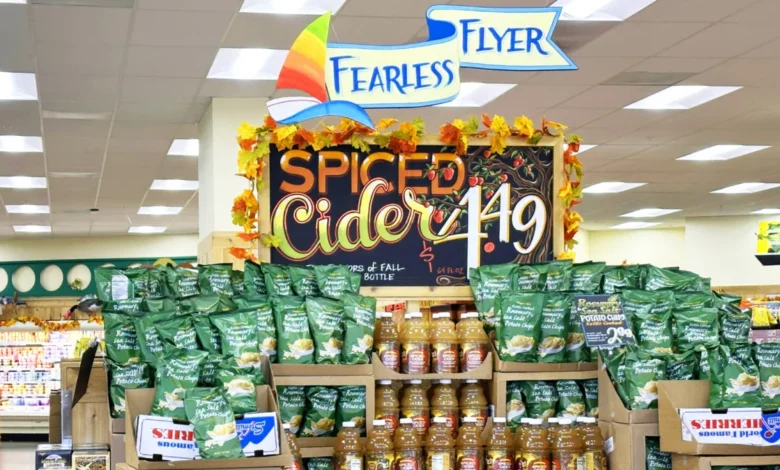
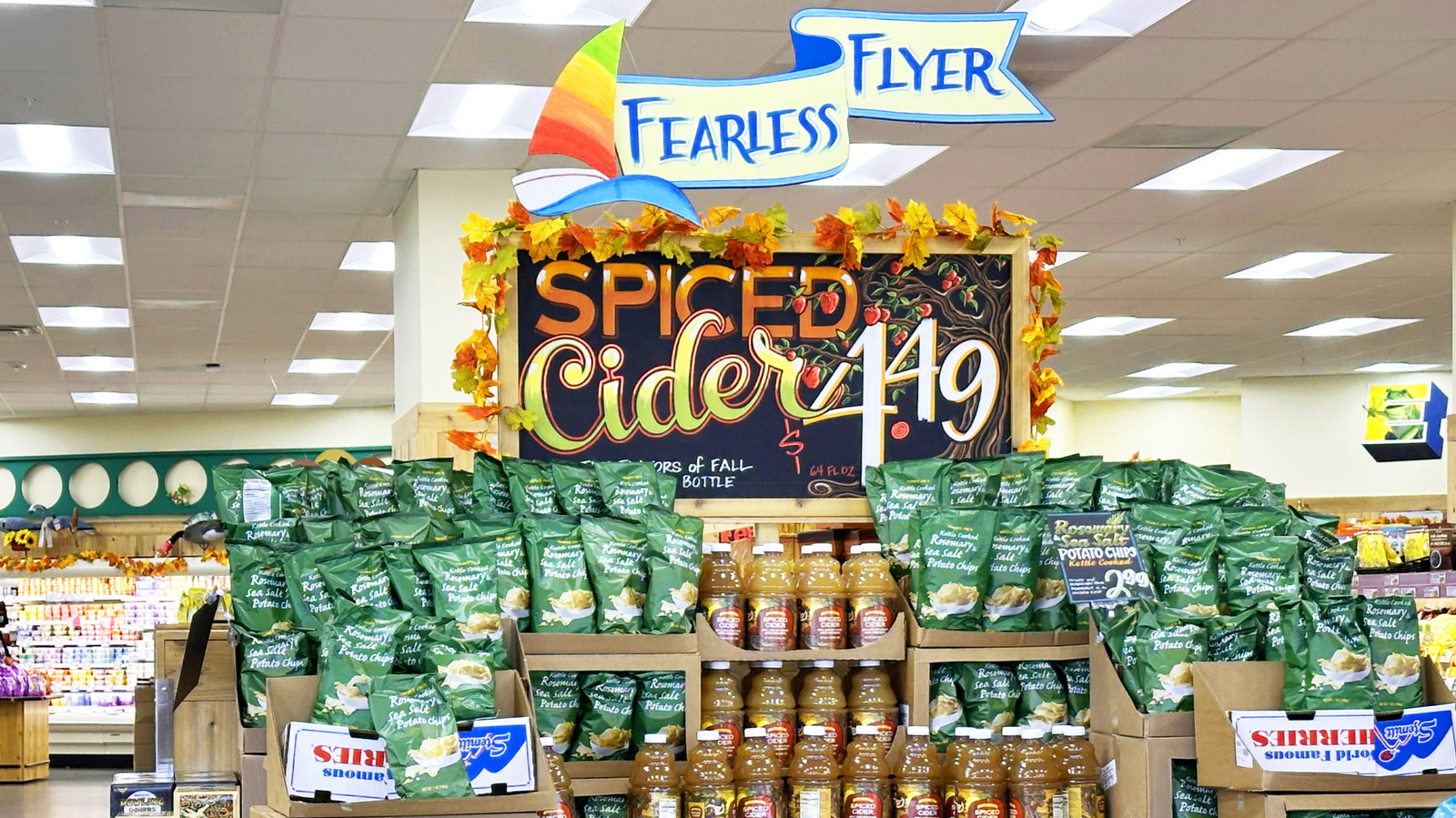
Beverages play a critical role in the seasonal strategy. The customer-choice-award-winning Spiced Cider ($4.49) has maintained its presence in stores for over two decades, relying on natural spices like cinnamon, allspice, and cloves without added sugars or preservatives. For celebratory occasions, the non-alcoholic Sparkling Apple Cider ($3.49) offers a carbonated alternative suitable for family gatherings.
Moving beyond sweets, the Sweet Apple Chicken Sausage ($4.29) demonstrates the versatility of the fruit in dinner and breakfast applications. By integrating chopped apples, Vermont maple syrup, cinnamon, and nutmeg into poultry sausage, the product appeals to consumers looking to incorporate seasonal flavors into everyday meal preparation.
Market Impact and Consumer Response
The commercial success of Trader Joe’s seasonal apple lineup underscores broader shifts in consumer packaged goods (CPG) marketing. Limited-edition seasonal items drive heightened consumer engagement and social media sharing, functioning as organic marketing tools for the brand. Products like the Teeny Tiny Apple Pies ($5.49) and the Rustic Apple Tarte ($5.99) frequently generate online discourse and viral reviews, which in turn influence inventory turnover and supply chain replenishment rates.
Retail economists note that private-label seasonal items insulate specialty grocers from broader economic fluctuations by offering perceived high value and exclusivity. Because these items cannot be purchased elsewhere, consumers exhibit less price sensitivity, viewing them as affordable seasonal indulgences.
Broader Implications for the Retail Grocery Sector
The sustained popularity of Trader Joe’s apple-centric product line reflects a broader agricultural and economic reality. The United States produces billions of pounds of apples annually, with Washington, New York, and Michigan leading commercial output. Specialty grocery offerings provide a vital commercial outlet for diverse apple varietals, including Honeycrisp, Pink Lady, and Northern Spy, translating raw agricultural commodities into high-margin value-added products.
As consumer preferences continue to favor transparency, authentic ingredients, and experiential dining at home, retailers that successfully curate seasonal portfolios are positioned to capture increased market share during the final quarters of the fiscal year. Trader Joe’s methodology—balancing nostalgia with culinary innovation—serves as a case study in effective seasonal merchandising within the modern competitive grocery landscape.