Iberseries and Platino Industria spotlights emerging Ibero-American voices through strategic partnership with Fundación SGAE

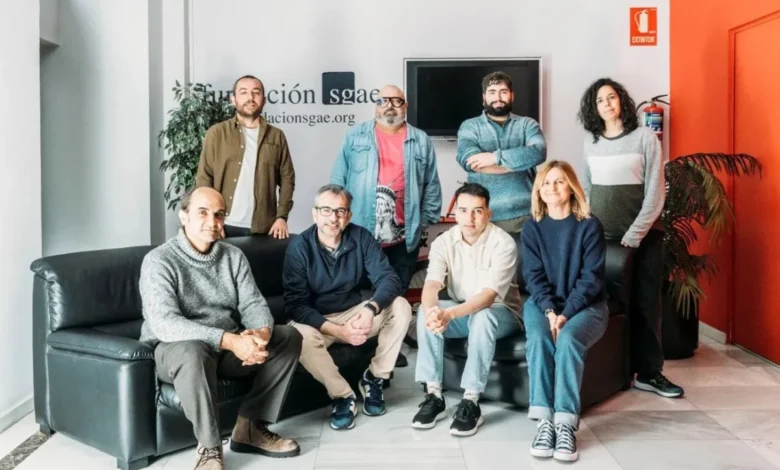
The sixth edition of Iberseries & Platino Industria, currently underway in Madrid, serves as a pivotal nexus for the Ibero-American audiovisual sector, bringing together creative talent, financiers, and distributors to bridge the gap between initial concepts and global market penetration. Central to this year’s expansive programming is a specialized showcase on Thursday, Oct. 1, which features six television series projects developed by seven screenwriters under the auspices of a collaborative residency program with Fundación SGAE, Spain’s primary collective management organization for intellectual property rights. This initiative, designed to professionalize the development phase of high-potential fiction, underscores the event’s mission to cultivate international reach for Spanish-language content.
The Landscape of Ibero-American Audiovisual Development
Iberseries & Platino Industria has evolved into the largest international market for the Ibero-American audiovisual industry. Since its inception, the event has acted as a catalyst for production, financing, and co-production agreements. By providing a platform where emerging writers can pitch directly to key decision-makers—including producers, streamers, and acquisitions executives—the event facilitates a professional ecosystem that is increasingly essential in an era where local narratives are finding unprecedented success on global streaming platforms.
The collaboration with Fundación SGAE represents a targeted effort to bolster the "development" phase, often cited as the most critical and underfunded stage of production. By mentoring these projects from script to pitch, the organizers ensure that the six selected series possess the narrative cohesion and market viability required to compete in a saturated digital landscape.
Chronology of the Development Cycle
The path to the Madrid stage for these seven writers began months prior, following a rigorous selection process by Fundación SGAE. The development residency provided the creators with industry mentorship, narrative structural analysis, and pitch training. The current showcase in Madrid serves as the culmination of this cycle, transitioning the projects from intellectual property to viable commercial assets. Following these presentations, industry experts expect a period of negotiation and potential optioning, which typically dictates the trajectory of these projects into the pre-production phase over the next 18 to 24 months.
Analysis of the Selected Projects
The six projects selected for this year’s showcase reflect a diverse range of genres, from sociopolitical drama to satirical historical fiction, signaling a shift in Ibero-American storytelling toward high-concept, culturally grounded narratives.
La Librera (The Bookseller)
Developed by Virginia Burgos and Juan Sánchez, La Librera serves as a historical character study. Set in the early 1990s, the series chronicles the evolution of Spain’s first LGBT bookstore. Beyond its primary function, the shop becomes a political nexus and a refuge for a marginalized community. The narrative explores themes of obsolescence and resilience, focusing on the protagonist’s existential crisis when the community she helped build undergoes a demographic and social shift. Analysts view this project as a strong candidate for premium limited series development, given the growing market demand for intersectional historical narratives.
Aviñón
Miguel Cavadas’ Aviñón offers a stark examination of the Galician diaspora. The project explores the duality of a village that experiences extreme wealth disparity between the winter months—marked by aging and rural precarity—and the summer, when returning emigrants from Mexico transform the village into a showcase of opulence. By framing the conflict as a collision between transatlantic success and rural isolation, the series aims to dissect the sociological impact of emigration on the Iberian identity.
El Capricho
Moving into the realm of satirical historical comedy, Alberto Grondona’s El Capricho presents a stylized look at 18th-century Spanish court life. The series features a power struggle between three formidable historical figures: Queen María Luisa of Parma, the Duchess of Alba, and the Duchess of Osuna. Through the observant and ironic lens of Francisco de Goya, the series uses palace intrigue as a metaphor for contemporary political instability. This project is positioned to appeal to audiences accustomed to the high-stakes, dialogue-driven dramas currently popular in European television.
Teléfonos Fijos
Ángel Mirou’s Teléfonos Fijos ventures into the psychological thriller genre. Set in the Recalde neighborhood of Bilbao, the premise involves residents receiving calls on their landlines from deceased loved ones. The narrative functions on two levels: as a supernatural mystery and as a commentary on the anxiety surrounding AI-driven fraud and the erosion of digital trust. Its focus on the tension between technological advancement and human grief positions it as a potential high-concept entry for international streaming platforms.
La Edad Menor
Roberto Osa’s La Edad Menor explores a dystopian future where children are legally required to serve as guardians for their parents who have undergone an "infantilization" process. The series functions as a grim critique of societal aging and the inversion of traditional familial power structures. By blending dystopian elements with domestic drama, the project addresses modern anxieties regarding demographic shifts and the loss of autonomy in late life.
Trueque
Pedro Pablo Picazo’s Trueque rounds out the selection with a contemporary social comedy. The premise involves three families who, exhausted by the behavioral challenges of their teenage children, decide to trade them. The project explores the dynamics of parenting and the often-misguided perception that "the grass is greener" in other households. This narrative structure allows for broad comedic appeal while grounding the series in universal familial conflicts.
Broader Impact and Industry Implications
The inclusion of these projects at Iberseries & Platino Industria highlights a strategic shift within the Spanish audiovisual sector. The industry is moving away from purely domestic content toward projects that utilize local context—whether that be the Galician diaspora, historical court intrigue, or the socio-economic reality of the 1990s—to address universal themes that travel well across international borders.
Data from recent industry reports suggests that the demand for Ibero-American content has grown by approximately 15% annually since 2020. The collaboration between Fundación SGAE and the Iberseries market provides a necessary bridge to maintain this momentum. By institutionalizing the support for writers, the industry is not only increasing the quantity of available content but also the qualitative floor of the scripts being pitched to global buyers.
"The goal," as noted by organizers during the opening sessions, "is to ensure that creative talent is not hindered by the complexities of the industry’s financial and legal frameworks." By facilitating these connections, the event mitigates the risk for investors, who are presented with projects that have already been vetted by industry experts and structured for professional development.
Conclusion
As the week progresses, the reception of these six projects will provide a barometer for the current appetite of the Ibero-American market. The diversity of the selections—ranging from the dark, psychological nature of Teléfonos Fijos to the biting social commentary of El Capricho—suggests a robust and multifaceted creative landscape. For the seven screenwriters involved, the opportunity to present their work at Iberseries & Platino Industria is more than just a pitch; it is a validation of their role in shaping the next chapter of international television. With the support of organizations like Fundación SGAE, these projects are well-positioned to navigate the transition from concept to screen, contributing to the continued global prominence of Spanish-language storytelling.