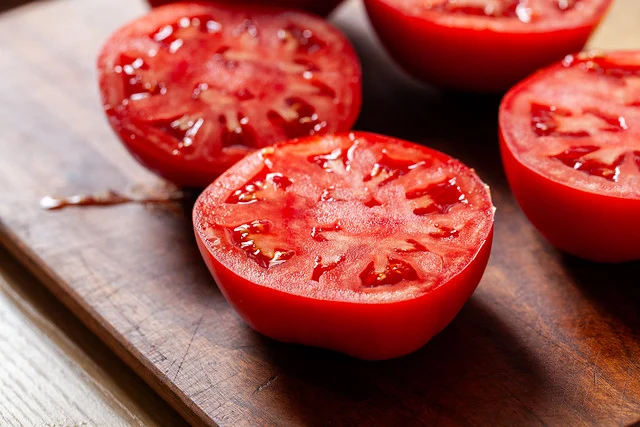
The transition between meteorological seasons often brings commercial friction between retail marketing schedules and prevailing weather patterns. While agricultural cycles dictate the ongoing availability of warm-weather produce, retail supply chains routinely pivot toward autumn-themed goods as early as late August and early September. This phenomenon, colloquially driven by consumer demand for seasonal novelties such as pumpkin-spiced items and heavy autumnal decor, frequently contrasts with ambient temperatures that remain well above seasonal averages in many regions. Culinary professionals and home economists emphasize that consumer purchasing habits do not need to mirror retail calendars, advocating instead for the continued utilization of peak-season ingredients—particularly tomatoes—regardless of prevailing marketing trends.

The Persistence of Summer Produce in Modern Home Kitchens
Agricultural data indicates that peak harvest windows for solanaceous crops, including field and heirloom tomatoes, extend well into September across temperate growing zones in North America. Despite this biological reality, consumer goods markets experience a rapid displacement of summer inventories in favor of heavy textiles, root vegetables, and squash varieties. Food historians and culinary experts note that this premature shift often results in the underutilization of high-quality summer crops during their final weeks of optimal flavor profile and market availability.
Food preparation strategies designed to bridge the late-summer gap focus on maximizing the distinct acidity, natural sugars, and moisture content inherent in fresh tomatoes. Among these techniques, preparations that rely on grated tomato pulp—where the flesh and juices are extracted through a box grater while discarding the fibrous outer skin—allow cooks to concentrate flavors without the introduction of commercial thickeners or heavy concentrates. By incorporating these fresh pulps into traditional grain-based dishes, home cooks can maintain seasonal continuity in domestic meal planning.

Culinary Methodology and Methodological Deviations
The preparation of risotto traditionally requires adherence to specific technical parameters established by Northern Italian culinary traditions. These conventions typically mandate the use of warm meat or vegetable broths added incrementally, continuous manual agitation of the rice grains to release starches, and the incorporation of substantial quantities of butter and aged cheeses during the final emulsification phase, known as mantecatura.
However, contemporary adaptations of the dish have increasingly challenged these orthodoxies. Culinary analysts observe a growing trend toward simplified, oven-baked risotto methods that reduce active labor time and eliminate the requirement for continuous stirring. By utilizing a heavy-bottomed, oven-safe vessel—such as a cast-iron braiser or Dutch oven—home cooks can achieve a uniform starch gelatinization by bringing the ingredients to an initial simmer on the stovetop before transferring the covered pot to a preheated oven at approximately 350 degrees Fahrenheit.

Furthermore, culinary experiments demonstrate that substituting commercial broths with plain water, when paired with highly aromatic fresh ingredients like grated tomato pulp, garlic, and white wine, preserves the fundamental character of the primary vegetable without masking its natural profile. In the case of tomato-centric risotto variants, the reliance on the natural liquid and acidity of the tomato pulp eliminates the need for extraneous sodium and artificial flavor enhancers often found in packaged broths.
Innovation in Textural Contrasts and Flavor Profiles
A critical component of advanced recipe development involves the introduction of contrasting textures to dishes that rely on uniform, creamy bases like risotto. While traditional toppings often include cured meats such as prosciutto, pancetta, or bacon, contemporary dietary preferences have fostered an increase in plant-based textural enhancements.

The technique of "frizzling" thinly sliced alliums—specifically red onions—provides both structural crunch and depth of flavor. By cooking the onion slices in olive oil over medium-high heat until they transition from translucent to deeply golden brown and crisp, the Maillard reaction produces complex savory compounds. Splitting the ingredient usage—incorporating half of the crisped onions into the cooking medium and reserving the remainder for a terminal garnish—establishes a multi-layered sensory experience characterized by aromatic depth and a gentle piquancy.
Nutritional and culinary researchers note that this method aligns with modern dietary flexibility, allowing dishes to remain strictly vegan or easily adaptable through the optional inclusion of dairy fats such as butter or Parmigiano-Reggiano at the point of service. Fresh herbs, notably basil, serve to reinforce the late-summer flavor profile, providing herbaceous notes that balance the concentrated acidity of the tomato base.

Broader Implications for Seasonal Cooking and Food Waste
The advocacy for extended summer cooking holds significant implications for domestic food waste reduction and local agricultural economies. Market analysts point out that prematurely abandoning summer crops contributes to agricultural surplus loss at farm stands and local markets during the final weeks of the harvest cycle. By adapting classic comfort food formats—such as transforming rice-stuffed tomato fillings into standalone risotto preparations—consumers can effectively utilize surplus produce.
Public health and nutrition advocates suggest that maintaining flexible meal planning routines that respond to local weather conditions rather than corporate retail schedules supports better nutritional intake and culinary engagement. As consumer awareness regarding seasonal food chains continues to evolve, recipes that bridge the gap between warm-weather harvests and cooler ambient temperatures offer a practical framework for sustainable domestic food management.