Senate Takes Landmark First Step on Bipartisan Protect College Sports Act to Establish Federal Guardrails Amid NCAA Landscape Chaos

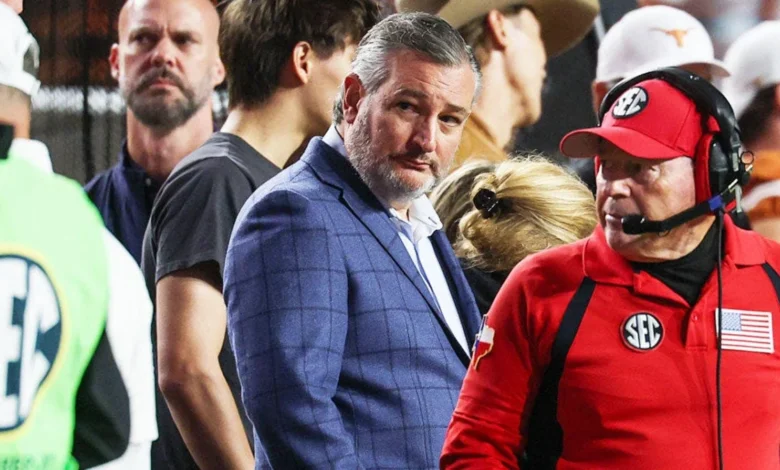
The United States Senate has officially cleared a critical procedural hurdle to advance the Protect College Sports Act, setting the stage for a potential floor vote later in the week. Spearheaded by a bipartisan coalition led by Senator Ted Cruz, R-Texas, and Senator Maria Cantwell, D-Wash., the legislation represents the most ambitious federal legislative effort to date aimed at establishing standardized guardrails for collegiate athletics. The move comes as lawmakers, university administrators, and legal experts grapple with the sweeping, decentralized transformations triggered by the modern name, image, and likeness (NIL) era, shifting transfer protocols, and a wave of antitrust litigation that has fundamentally rewritten the operational model of American college sports.
The procedural vote initiates a critical window for the chamber to debate and potentially pass the comprehensive measure. Ahead of the vote, Senate Majority Leader John Thune, R-S.D., underscored the widespread bipartisan consensus that the current structural paradigm of collegiate athletics has become untenable. Lawmakers from both sides of the aisle, alongside university presidents and athletic directors, have increasingly voiced alarm over the regulatory vacuum governing modern student-athletes, pointing to disparate state laws, aggressive athletic department spending, and continuous legal battles that threaten the long-term viability of both major and Olympic sports programs.
Background and the Evolution of the Modern College Sports Crisis
To understand the urgency driving the Protect College Sports Act, observers must examine the dramatic transformation of the National Collegiate Athletic Association (NCAA) over the past half-decade. For decades, the NCAA operated under a strict amateurism model that barred student-athletes from capitalizing commercially on their athletic renown, restricting compensation strictly to tuition, room, board, and modest stipends. However, that foundational framework experienced a historic rupture in July 2021, when the NCAA suspended its traditional amateurism bylaws following a unanimous Supreme Court ruling in National Collegiate Athletic Association v. Alston. The high court ruled that the NCAA’s limits on education-related compensation violated federal antitrust laws.
In the wake of the Alston decision, individual states rushed to pass their own patchwork legislation governing name, image, and likeness (NIL) compensation, creating a fragmented, state-by-state regulatory environment. Simultaneously, federal courts and independent legal challenges dismantled the NCAA’s traditional transfer rules, enabling athletes in high-revenue sports like football and basketball to transfer multiple times without sitting out a season. This gave rise to the modern "transfer portal" era, characterized by rapid roster turnover, intense recruitment bidding wars funded by independent booster collectives, and a profound destabilization of traditional collegiate rivalries and geographic conferences.
Senator Cruz, during a press conference addressing the legislative push, pulled few punches regarding the federal government’s complicity in the current instability. "Some have asked why should Congress get in the middle of this? The answer is simple: because Congress screwed it up in the first place," Cruz stated. He argued that successive federal antitrust rulings have systematically eroded the governance tools once relied upon by athletic governing bodies, creating a regulatory wilderness. "So right now, it is the Wild West," Cruz added, emphasizing that only federal legislation can successfully harmonize rules across state lines and restore legal predictability to the enterprise.
Core Provisions of the Protect College Sports Act
The Protect College Sports Act is designed to inject structural uniformity and legal certainty into an ecosystem plagued by uncertainty. If enacted, the bill would institute several sweeping reforms across all NCAA member institutions:
- Standardized Transfer Portal Restrictions: The legislation establishes uniform federal guardrails regarding when and how student-athletes may enter the transfer portal, curbing perpetual roster churn and establishing clear windows for movement.
- Uniform Eligibility Framework: The bill formalizes a standardized five-year eligibility framework for student-athletes, offering clarity across varying division levels and redshirt scenarios.
- Recruiting and Tampering Standards: Federal guidelines will dictate when schools, athletic personnel, and third-party agents are legally permitted to contact or recruit prospective student-athletes, mitigating predatory tampering practices.
- Federal NIL Standard: By overriding the existing patchwork of conflicting state laws, the legislation establishes a national baseline for name, image, and likeness compensation, providing transparency and preventing arbitrary state-level advantages.
- Revenue-Sharing Caps: The act sets explicit parameters for institutional revenue-sharing models, providing a controlled financial framework for athletic departments as they adapt to direct compensation models.
Despite its stated goals of restoring order, the legislative text has faced substantial pushback from diverse political and athletic factions, illustrating the complex web of competing interests at play.
Political Friction, Congressional Pushback, and Divergent Interests
The path to the Senate floor has been fraught with legislative friction, marked by vocal opposition from athletic powerhouses, progressive lawmakers, and civil rights organizations. Notably, prominent athletic conferences—including the Southeastern Conference (SEC) and the Big Ten—raised significant objections to earlier drafts of the bill, arguing that federal oversight could stifle the autonomy of premier conferences and create unintended regulatory compliance burdens. Although Cruz and Cantwell elected to move forward despite these concerns, the political landscape surrounding the bill became increasingly complicated as external advocacy groups weighed in.
Progressive lawmakers have fiercely opposed the legislation on the grounds that it curtails the newly won economic leverage of student-athletes. Senator Chris Murphy, D-Conn., emerged as a vocal critic of the bill, taking to social media to argue that the narrative of "chaos" is frequently deployed to undermine athletes who are finally securing a fair share of the massive revenues generated by collegiate sports. "The ‘chaos’ is that (mostly Black) athletes now have bargaining power and white coaches and sports industry execs hate it," Murphy wrote on X.
The opposition further intensified when the Congressional Black Caucus (CBC), led by Representative Yvette Clarke, D-N.Y., formally announced that its members would not support the bill. The CBC linked its opposition to broader civil rights concerns, pointing to the political climate following the Supreme Court’s recent decisions regarding the Voting Rights Act. In a joint statement, the caucus argued that Congress should not rush to provide sweeping legal protections and antitrust exemptions to powerful athletic institutions while those very entities remained largely silent on issues affecting minority voting rights and political representation.
"Several months ago, before the Senate ever reached this moment, the Congressional Black Caucus made clear that Congress should not rush to provide sweeping new federal protections and legal certainty to powerful athletic institutions while those same institutions remained largely silent as Black voting rights and Black political representation came under unprecedented attack," the CBC stated.
Balancing Legislative Priorities: A Defense from Senator Cantwell
Faced with criticism from congressional allies and civil rights advocates, Senator Cantwell defended the necessity of the legislation while acknowledging the gravity of the broader social debates raised by her colleagues. Speaking from the Senate floor, Cantwell addressed her fellow lawmakers directly, acknowledging that many detractors are close friends and political allies in various legislative fights.
"Let me be clear, voting rights are sacred, and I will stand in that fight with anyone," Cantwell said during Senate floor proceedings. However, she firmly rejected the strategy of linking the fate of college athletes to unrelated civil rights disputes. "But I cannot agree that the way to wage it is to hold thousands of student-athletes’ scholarships, health protections, and future hostages to a Supreme Court decision they did not make."
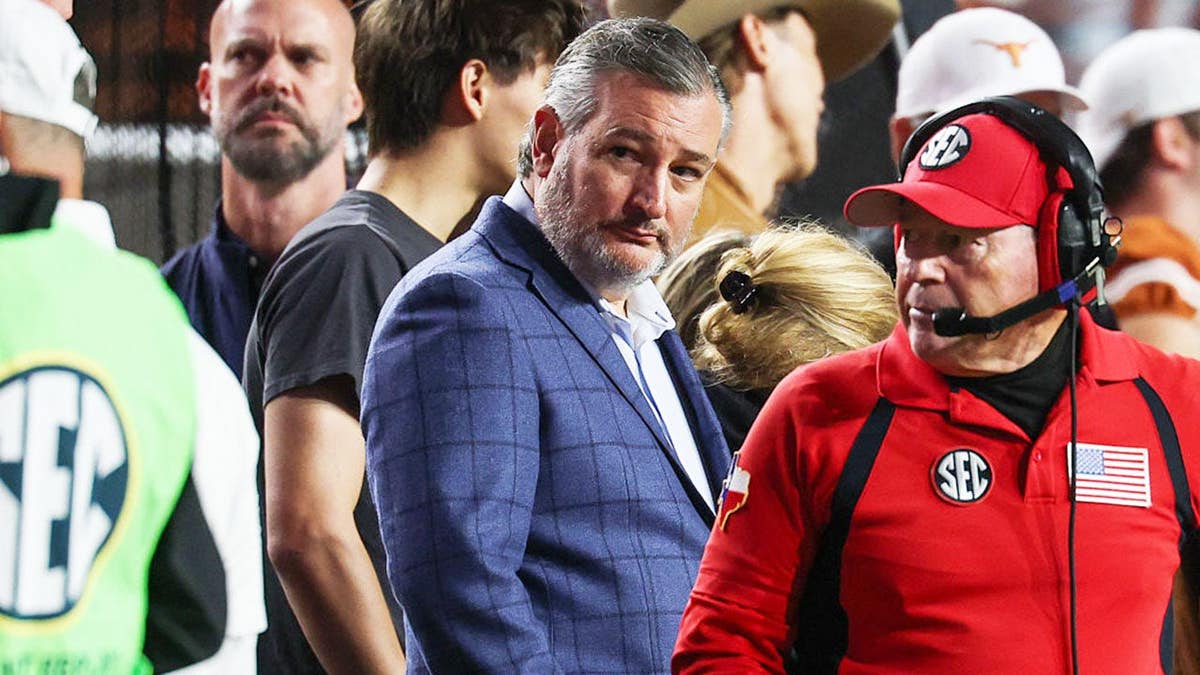
Cantwell’s defense underscores the central dilemma facing lawmakers: balancing the legitimate protection of civil rights on the national stage against the urgent administrative, financial, and legal crisis unfolding within America’s higher education and athletic institutions. Without federal intervention, supporters of the bill warn that ongoing antitrust litigation could completely dissolve traditional collegiate sports governance, potentially forcing universities to restructure athletic departments as standard commercial enterprises rather than educational pursuits.
Broader Economic Implications and Industry Outlook
The outcome of the Senate’s deliberations on the Protect College Sports Act will have far-reaching economic and cultural repercussions for higher education. College athletics represents a multi-billion-dollar enterprise characterized by lucrative television broadcasting contracts, massive corporate sponsorships, and sprawling capital investments in athletic facilities.
Economists and higher education analysts note that unchecked spending wars among universities, driven by unrestricted NIL collectives and immediate transfer mobility, threaten the financial sustainability of non-revenue sports. While football and men’s basketball generate substantial surpluses, the vast majority of collegiate athletic programs rely on those revenues to fund Olympic sports programs that provide educational and athletic opportunities to thousands of student-athletes across the country.
Furthermore, university administrators have expressed growing concern regarding institutional liability. As student-athletes increasingly push for employee classification, collective bargaining rights, and direct institutional revenue sharing, the absence of a federal statutory framework leaves colleges vulnerable to conflicting state labor laws and an endless cycle of costly class-action lawsuits.
Fact-Based Analysis of Legislative Prospects
As the Senate prepares for subsequent procedural votes later in the week, the legislative path forward remains challenging. While the successful cloture vote demonstrates that bipartisan leadership is committed to bringing the measure to the floor, whipping sufficient votes to overcome expected filibusters and secure final passage will require delicate negotiation.
The opposition from the Congressional Black Caucus and progressive members introduces significant political complications for Democratic leadership, while reservations from prominent athletic conferences continue to influence conservative members who champion institutional autonomy. Nevertheless, the shared recognition that the current regulatory landscape is unsustainable provides a powerful incentive for compromise.
Ultimately, the Protect College Sports Act stands as a defining legislative test for the intersection of federal law, higher education, and the modern sports economy. Whether Congress can successfully thread the needle between protecting athlete compensation and preserving the foundational structure of collegiate athletics will depend heavily on the compromises forged in the coming days on the Senate floor.