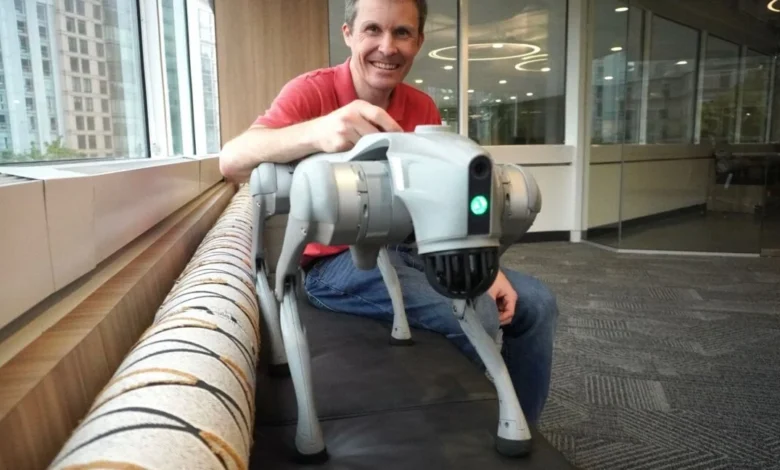
This incident, while minor in isolation, highlights the duality of the current robotics era: we have reached a level of mechanical accessibility that was unimaginable a decade ago, yet we remain in the early, often unreliable, stages of practical application.
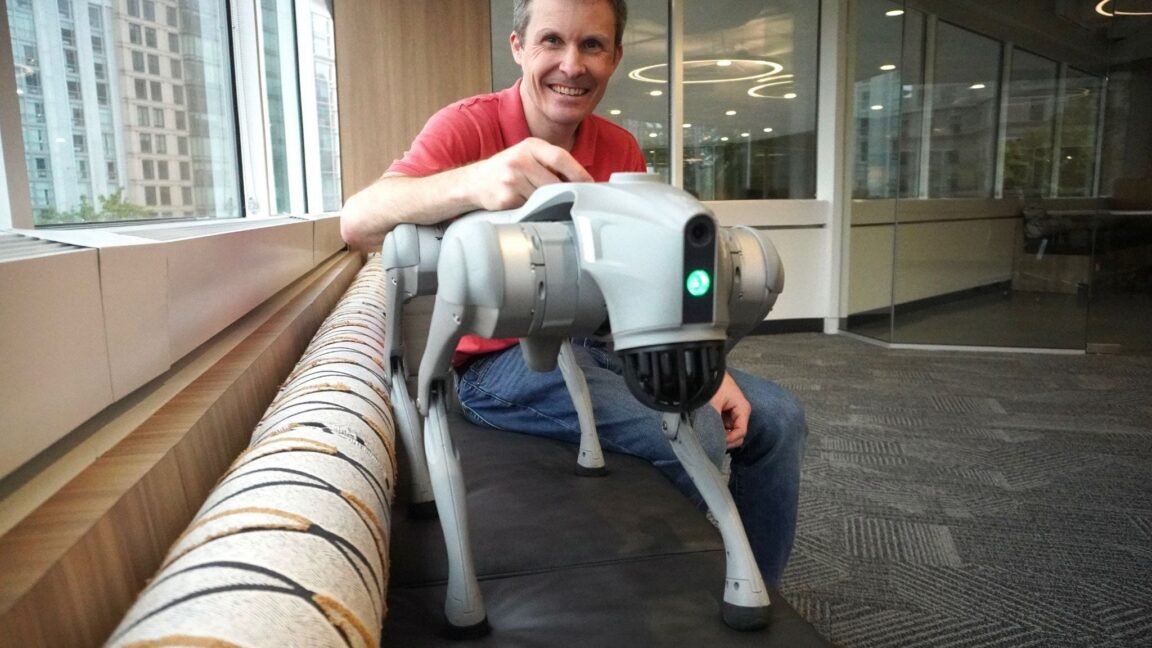
The Democratization of Quadruped Locomotion
To understand why Unitree is frequently cited as the most important company in the sector, one must look at the historical barriers to entry. Prior to 2016, quadruped robotics was the exclusive domain of elite research institutions and heavily funded defense contractors. The engineering required to balance four legs in dynamic environments—accounting for gravity, terrain, and momentum—was a specialized discipline.
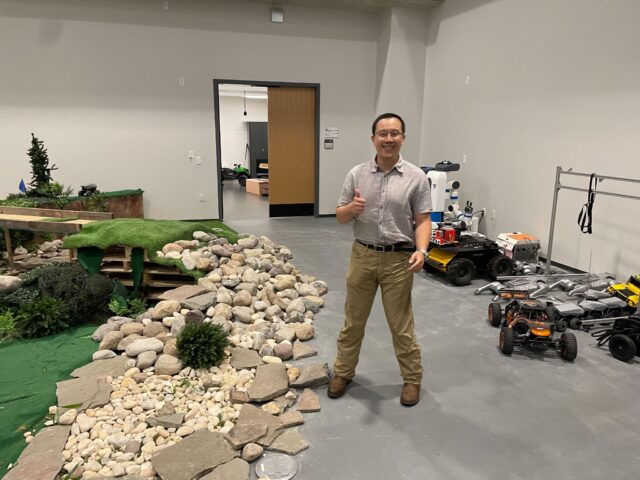
Professor Xuesu Xiao, a researcher at George Mason University, notes that ten years ago, only a handful of global research groups possessed the capability to build a functional quadruped. The market was dominated by high-end, bespoke solutions like Boston Dynamics’ BigDog and WildCat, which relied on noisy, polluting gasoline engines and complex hydraulic actuators. When the industry transitioned to electric motors, the entry price remained prohibitive. Boston Dynamics’ Spot, for instance, launched with a commercial price point starting around $75,000.
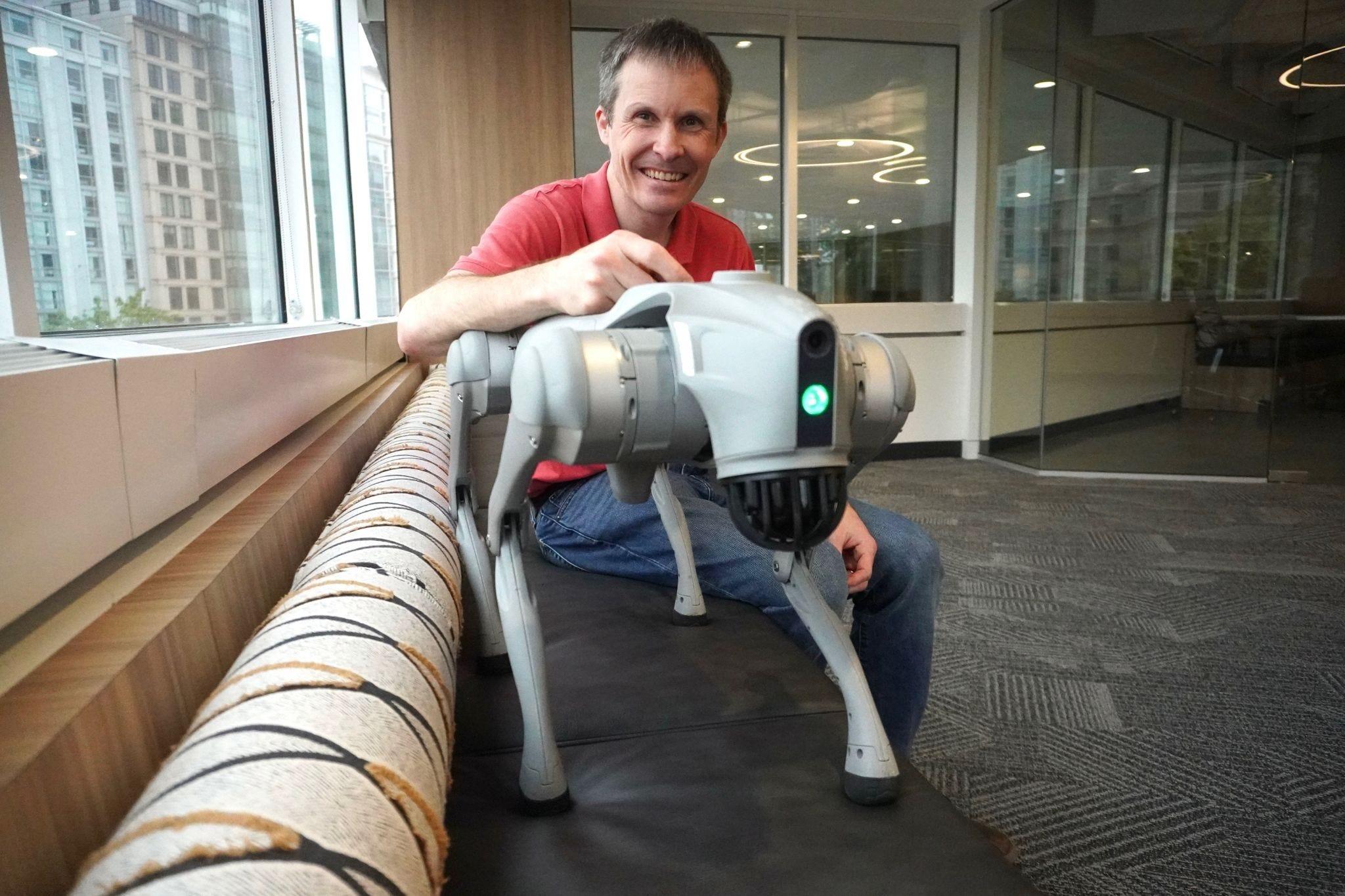
Unitree, founded by Wang Xingxing in May 2016, changed the calculus by embracing a strategy of extreme cost reduction. Wang, whose early interest in the field was sparked by the seminal work of Marc Raibert, aimed to shift the focus from industrial robustness to mass-market accessibility. By 2021, the launch of the Go1 series brought the entry price down to $2,700, and the subsequent 2023 release of the Go2 series further refined this, offering a Pro model for under $3,000. This 97 percent price reduction compared to industry-standard platforms has effectively democratized the entire field of legged locomotion research.
The Engineering Behind the Cost-Efficiency
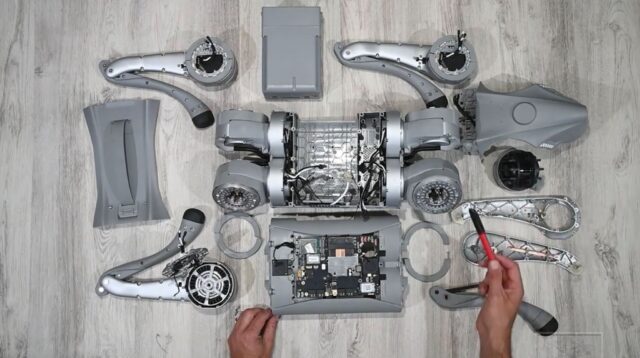
The secret to Unitree’s price point lies in a combination of vertical integration and strategic design compromises. A teardown analysis conducted by the engineering firm Simplexity revealed that the Go2 utilizes 12 identical, high-torque motors across its four legs. By standardizing components, Unitree significantly reduces its manufacturing complexity and part counts.

Unlike industrial robots that utilize high-ratio, precision-engineered gearboxes (often 50:1 or higher) to achieve extreme accuracy, Unitree employs a simpler, 6.33:1 gearbox. While this sacrifices the sub-millimeter precision required for factory-line assembly, it enhances the robot’s "backdriveability"—the ability of the limbs to yield to physical resistance. This, combined with sophisticated control software that compensates for hardware limitations in real-time, results in a machine that is remarkably nimble despite being built from lower-cost components.
Furthermore, the company benefits from a unique industrial policy environment in China. Tax incentives and substantial public-sector procurement have provided a reliable foundation for scaling, allowing Unitree to transition from a niche startup to a global hardware powerhouse.
From Quadrupeds to Humanoids
Unitree’s growth trajectory has mirrored that of other successful Chinese hardware giants, most notably DJI in the drone industry. Like DJI, which initially sold flight controllers before integrating cameras, gimbals, and sensors into an end-to-end ecosystem, Unitree is aggressively expanding its product line.
The company’s pivot to humanoids represents its most significant expansion to date. By leveraging its deep expertise in actuator design and supplier networks, Unitree has managed to introduce the G1 humanoid, with a consumer-grade version starting at $13,500. This is a disruptive price point in a market where humanoids have historically cost hundreds of thousands of dollars.
The financial data confirms this momentum. According to IPO-related filings, Unitree’s revenue from humanoids grew eightfold between 2024 and 2025, reaching RMB 867 million (approximately $129 million). Humanoid sales now account for over 50 percent of the company’s total revenue, signaling a rapid maturation of the technology.
Geopolitical Tensions and Market Restrictions
The rise of Unitree has not gone unnoticed by Western regulators. In June 2026, a bipartisan group in the U.S. House of Representatives introduced legislation aimed at restricting the importation of Chinese-manufactured robots, explicitly citing security concerns and the potential for dual-use technology. This was followed by Federal Communications Commission (FCC) regulations in July, which imposed stricter standards on foreign-made robotic hardware.

The implications for the U.S. robotics industry are complex. While these measures aim to protect domestic interests and address concerns over AI-integrated hardware, they also risk isolating the U.S. market from the rapid innovation cycle occurring in East Asia. As seen in the electric vehicle sector with companies like BYD, trade restrictions often fail to halt the technological progress of international firms; instead, they may inadvertently create a global market where the U.S. is left behind as a "robotics backwater," while the rest of the world adopts more affordable, mass-produced platforms.
The Future of the Robotics Flywheel
Unitree is currently trapped in a classic technological "flywheel." By selling more units, they gain the capital to negotiate better supplier deals and invest in in-house production for critical components like lidar sensors and high-performance motors. This lowers costs further, which drives higher sales, creating a virtuous cycle of improvement.
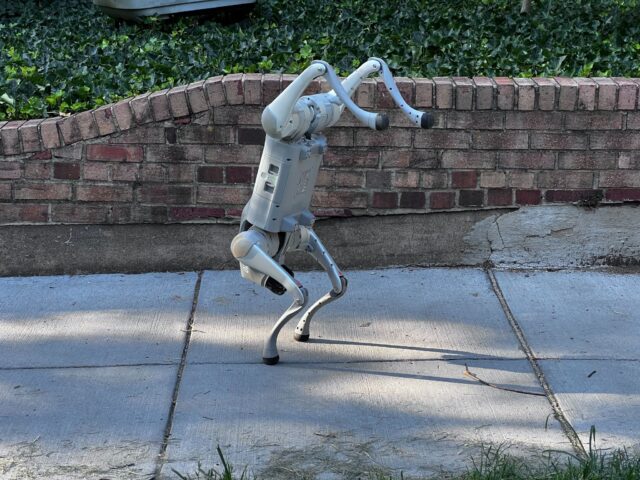
However, the path ahead is not without challenges. The "rough edges" experienced by early adopters—such as software bugs, intermittent connectivity, and thermal management failures—remain hurdles to mainstream household integration. The industry is still searching for the "killer app" that justifies the presence of a robot in the average home. Currently, these machines remain largely confined to research labs, educational environments, and entertainment sectors.
Despite these limitations, the broader trend is clear: we are witnessing a fundamental shift in the economics of robotics. Whether or not Unitree ultimately maintains its lead in the face of domestic Chinese competitors like AgiBot or regulatory pressure from the West, the company has already succeeded in proving that legged mobility is no longer a luxury reserved for the few. The hardware that was once the domain of science fiction is now, for better or worse, walking down our city streets. As the technology continues to iterate, the question is no longer whether these robots will become part of our daily lives, but rather how we will integrate them into a society that is still deciding where they belong.