Samsung Galaxy Watch 8 Classic LTE Hits Record Low Price of 269 Dollars One Year After Launch

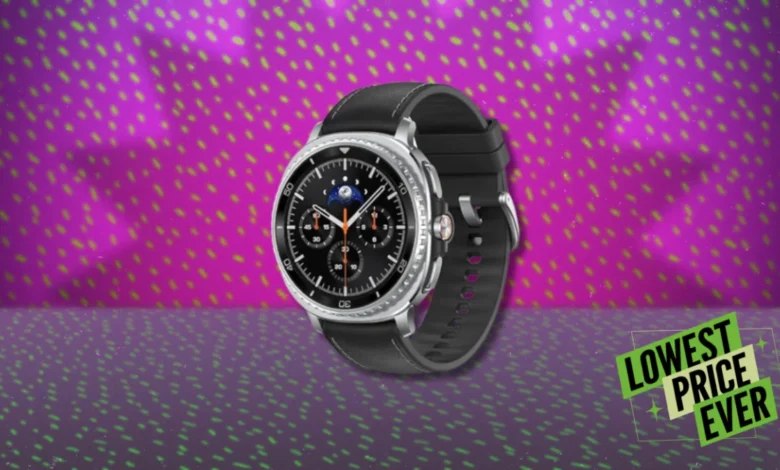
The landscape of the premium wearable market shifted significantly this week as the Samsung Galaxy Watch 8 Classic reached a new pricing milestone. Originally debuted in the summer of 2025 as the flagship sophisticated option in Samsung’s wearable portfolio, the Galaxy Watch 8 Classic LTE (46mm) has seen its retail price slashed to $269.99. This represents a substantial 51% reduction from its original MSRP of $549.99. This pricing correction is particularly notable because it places the premium "Classic" model at a lower price point than the standard, entry-level Galaxy Watch 8, creating a unique value proposition for consumers seeking high-end materials and mechanical functionality at mid-range prices.
The Galaxy Watch 8 series was launched with the intent of bifurcating the market between fitness enthusiasts and professionals who prefer the aesthetics of traditional horology. While the standard Galaxy Watch 8 utilized a streamlined, touch-only interface, the Classic model reintroduced and refined the physical rotating bezel—a hallmark of Samsung’s design language that has seen intermittent availability over the last several hardware generations.
Technical Specifications and Hardware Refinement
The Samsung Galaxy Watch 8 Classic is built around a 46mm stainless steel chassis, a departure from the aluminum used in the standard models. This material choice provides not only a more substantial "wrist feel" but also increased structural integrity against impacts. The display is protected by Sapphire Crystal glass, which, as of 2026, remains the industry standard for scratch resistance in high-end smartwatches.
Under the hood, the Watch 8 Classic is powered by Samsung’s advanced 3-nanometer processor architecture, which was designed to maximize power efficiency while handling the increasingly complex AI-driven health algorithms integrated into the One UI Watch interface. The 46mm model specifically houses a larger battery compared to its smaller counterparts, yielding approximately 30 to 40 hours of continuous use depending on the activation of the Always-On Display (AOD) and GPS tracking.
One of the primary drivers for this specific deal is the inclusion of LTE connectivity. Unlike Bluetooth-only models, the LTE version allows for autonomous operation. Users can stream high-bitrate audio through platforms like Spotify, receive and respond to SMS messages, and conduct voice calls via the integrated speaker and microphone without being within the Bluetooth range of a paired smartphone. This functionality has become a cornerstone for "phone-free" fitness regimes, allowing users to maintain emergency connectivity during long-distance runs or outdoor excursions.
Advanced Health Monitoring and Metabolic Insights
The Galaxy Watch 8 Classic serves as a sophisticated health laboratory on the wrist. Central to its utility is the Samsung BioActive Sensor, a single chip that combines three powerful health sensors: Optical Heart Rate, Electrical Heart Signal, and Bioelectrical Impedance Analysis.
A standout feature discussed by health experts during the product’s lifecycle is the "Antioxidant Index." This metric, derived from Advanced Glycation End-products (AGEs) tracking, provides users with a window into their metabolic health and biological aging. By monitoring these markers, the watch offers a reflection of how diet and lifestyle choices impact the body at a cellular level.
Furthermore, the watch features enhanced running dynamics. Rather than simply tracking pace and distance, the device analyzes vertical oscillation, ground contact time, and asymmetry. These metrics are designed to help runners refine their form to prevent injury and improve cardiovascular efficiency. The heart rate zone system is also more personalized than in previous generations; the software utilizes a 10-minute high-intensity run to calculate a user’s specific Functional Threshold Power (FTP) and max heart rate, ensuring that "Zone 2" training is actually tailored to the individual’s current physiological state.

Chronology of the Galaxy Watch Series (2023–2026)
To understand the significance of the current $269.99 price point, one must look at the timeline of Samsung’s wearable evolution over the past three years:
- Summer 2023: Samsung releases the Galaxy Watch 6 and Watch 6 Classic, bringing back the rotating bezel after its absence in the Watch 5 generation.
- Summer 2024: The Galaxy Watch 7 is introduced alongside the Galaxy Watch Ultra. The "Classic" branding is temporarily sidelined in favor of a rugged "Ultra" aesthetic aimed at competing with the Apple Watch Ultra.
- Summer 2025: Responding to consumer demand for a "dressier" flagship, Samsung launches the Galaxy Watch 8 Classic alongside the standard Watch 8. It features the thinnest bezels in the company’s history and the debut of the 3nm processor.
- January 2026: Software updates introduce advanced "Galaxy AI" features, including predictive recovery scores and AI-generated workout coaching.
- July 2026: The Galaxy Watch 8 Classic LTE hits its lowest price ever at $269.99, signaling a clearance of inventory ahead of the anticipated late-summer 2026 hardware announcements.
Market Analysis: Why the "Classic" Remains Relevant
The 2026 smartwatch market has seen a distinct trend toward "Ultra" or "Rugged" designs, often characterized by bulky orange accents and oversized buttons. In this environment, the Galaxy Watch 8 Classic occupies a "neo-traditional" niche. Industry analysts suggest that the physical rotating bezel is more than a nostalgic inclusion; it remains the most efficient way to navigate a small-screen interface while wearing gloves or when fingers are wet—scenarios where capacitive touchscreens frequently fail.
The current price drop is viewed by market analysts as a strategic move to capture the "prosumer" segment that may have been hesitant to spend over $500 on a wearable. At $269, the Watch 8 Classic competes directly with entry-level offerings from competitors, yet it offers premium materials (stainless steel) and independent connectivity (LTE) that those budget models lack.
Furthermore, the integration with fitness equipment via Bluetooth FTMS (Fitness Machine Service) has expanded the watch’s utility beyond outdoor running. In 2026, most high-end treadmills, rowers, and stationary bikes from brands like Peloton, iFIT, and Zwift support the FTMS protocol. This allows the Galaxy Watch 8 Classic to act as a primary heart rate monitor and data hub for indoor workouts, syncing real-time biometrics directly to the gym equipment’s console.
Official Responses and Ecosystem Integration
While Samsung has not issued a formal statement regarding the specific price drop at third-party retailers like Woot, the move is consistent with the company’s historical pattern of aggressive discounting late in a product’s annual cycle. Samsung’s ecosystem strategy relies heavily on "active users" within the Samsung Health app. By lowering the barrier to entry for their most advanced hardware, they increase the likelihood of retaining users within their ecosystem for services like Samsung Pay (NFC) and health monitoring.
The Galaxy Watch 8 Classic also benefits from the deep integration with the wider Android ecosystem. Running on Wear OS, it supports a vast library of third-party applications. The 2026 version of Google Maps for Wear OS, for instance, includes full offline map support and turn-by-turn navigation that utilizes the watch’s built-in compass and GPS, further emphasizing the device’s independence from the smartphone.
Broader Impact and Implications for the Wearable Industry
The devaluation of the Galaxy Watch 8 Classic to sub-$300 levels has broader implications for the industry. It puts pressure on competitors like Google and Garmin to justify the high MSRPs of their mid-tier devices. When a stainless-steel, LTE-capable flagship becomes available at a mid-range price, it shifts consumer expectations regarding what constitutes "value."
For the consumer, this deal represents a "sweet spot" in tech purchasing. The hardware in the Watch 8 Classic is sufficiently advanced that it is unlikely to be rendered obsolete by software updates for several years. The 3nm chip provides enough headroom for future iterations of Wear OS, and the health sensors are currently at the cutting edge of non-invasive monitoring technology.
In conclusion, the July 2026 price cut for the Samsung Galaxy Watch 8 Classic LTE marks a significant opportunity for the tech-conscious buyer. It highlights a moment where premium design, advanced metabolic tracking, and total cellular independence converge at a price point previously reserved for plastic, tethered alternatives. As the industry looks toward the next generation of wearables, the Watch 8 Classic remains a benchmark for how traditional design can successfully house the future of personal health technology.