Demand Surges for Hyundai IONIQ 5 as Inventory Dries Up Across US Dealerships Following Strategic Price Cuts and Model Upgrades

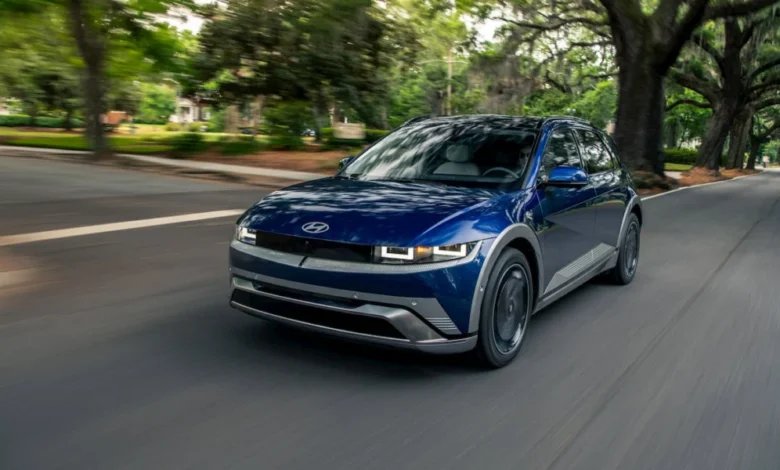
The Hyundai IONIQ 5 has solidified its position as a cornerstone of the North American electric vehicle market, but its rapid rise in popularity has led to a burgeoning challenge for the South Korean automaker: maintaining sufficient inventory to meet consumer demand. Reports from across the United States indicate that several high-volume dealerships are running out of physical stock, with many customers now being placed on waiting lists or making down payments on vehicles that have yet to arrive on the lot. This phenomenon marks a significant shift in the electric vehicle (EV) landscape, where concerns about "cooling demand" have dominated headlines, yet Hyundai’s flagship electric crossover appears to be bucking the trend through a combination of aggressive pricing, localized manufacturing, and technological refinements.

Since its global debut in 2021, the IONIQ 5 has been a critical and commercial success, built on the Electric-Global Modular Platform (E-GMP). However, the 2025 and 2026 model years have seen the vehicle transition from a niche enthusiast choice to a mainstream volume leader. The introduction of the first US-built models, manufactured at Hyundai’s massive new "Metaplant" in Georgia, has allowed the company to streamline its supply chain and pass significant savings on to consumers. These factors, combined with a refreshed design and enhanced range, have created a perfect storm of demand that is currently outstripping the immediate supply at the dealership level.
The Inventory Paradox: Online Availability vs. Physical Reality
A peculiar trend has emerged in the current automotive retail environment regarding the IONIQ 5. While digital inventory tools such as Hyundai’s official website and third-party aggregators like EVfinder.com show hundreds of available units across various regions, the reality on the ground is often different. Prospective buyers arriving at showrooms frequently find that the vehicles listed online are either already sold, reserved via deposit, or still in transit from the manufacturing facility.
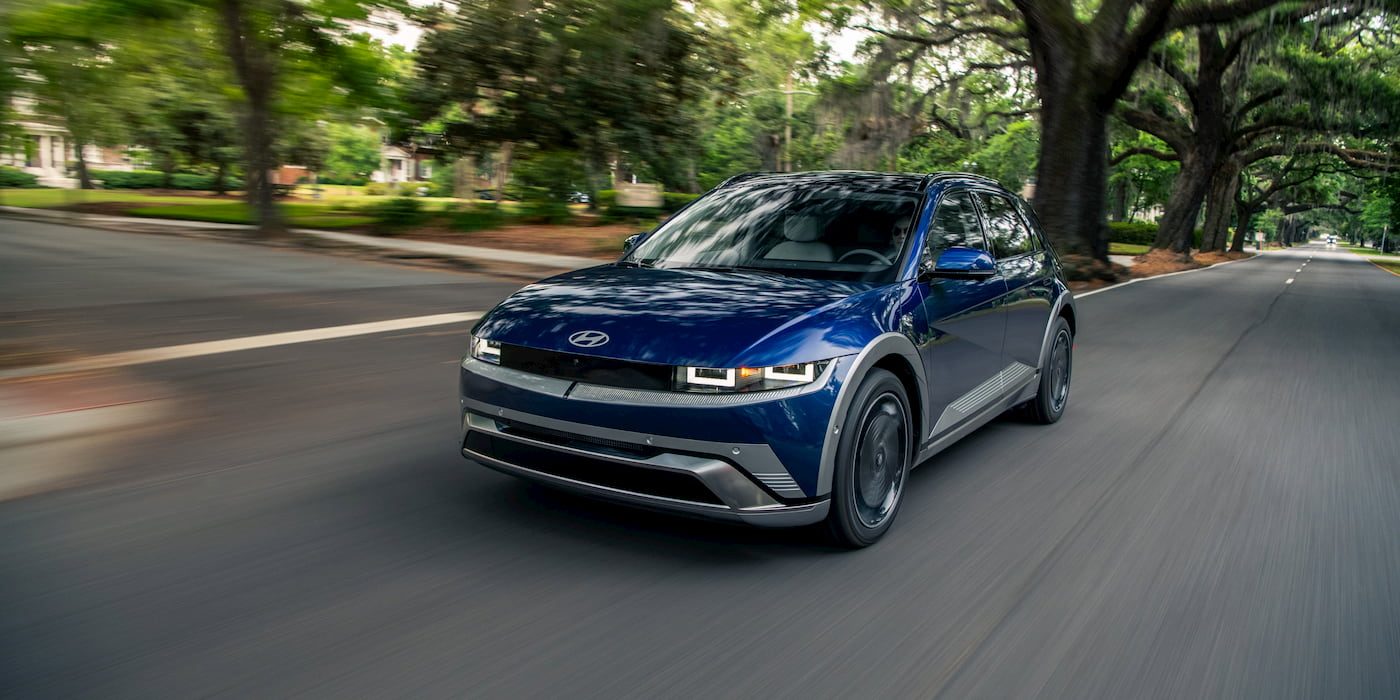
In Vermont, local news outlets have reported that Burlington Hyundai has completely exhausted its on-site IONIQ 5 inventory, leading to the implementation of a formal waitlist for the first time in several months. Similar reports have surfaced from Stevinson Hyundai in Frederick, Colorado, and other key markets in the Pacific Northwest and Northeast. The discrepancy between online listings and physical availability is largely attributed to the speed at which the vehicles are being turned over; in many cases, a car is sold before the transport truck even reaches the dealership gates.
Industry analysts suggest that this "in-transit" sales model is becoming the new norm for high-demand EVs. Unlike the traditional dealership model where cars might sit on a lot for 60 to 90 days, the IONIQ 5 is seeing "days-to-turn" metrics that rival the most popular gasoline-powered trucks and SUVs. This suggests that while production is scaling, the consumer appetite for an affordable, high-tech EV has reached a tipping point.
A Chronology of Strategic Evolution
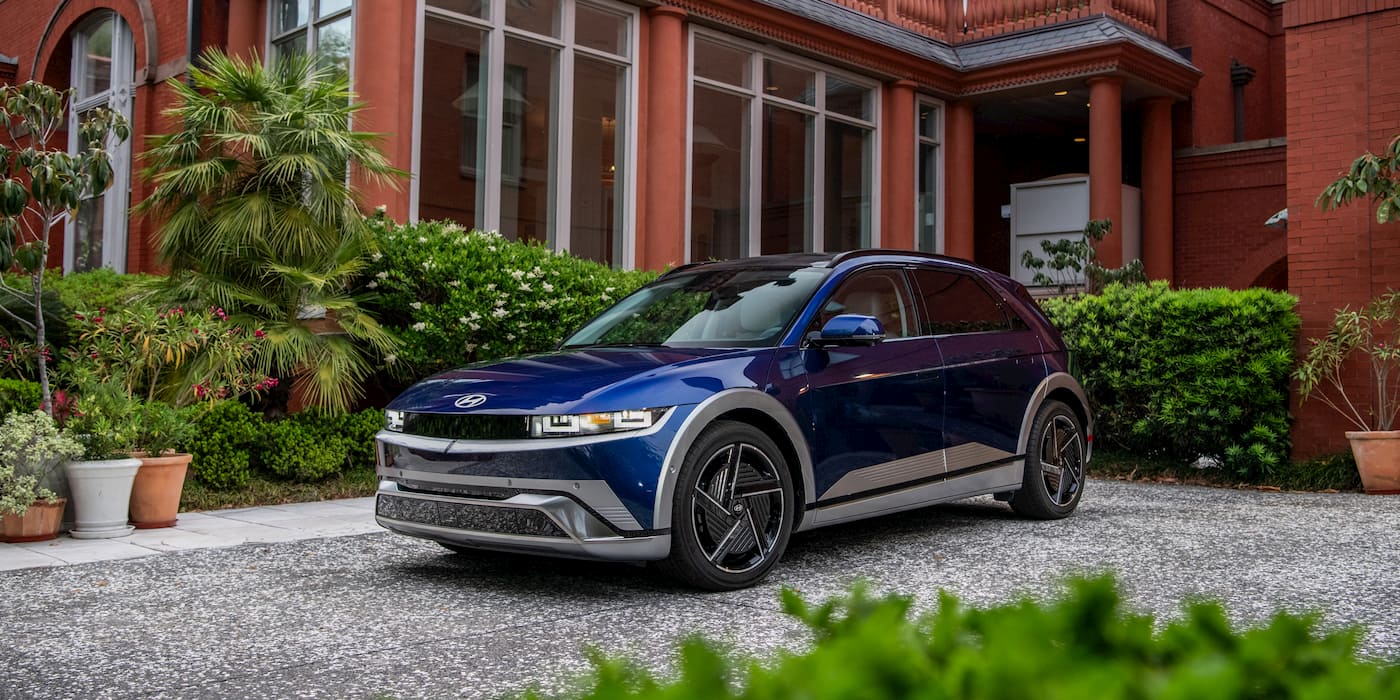
The current inventory shortage is the result of a multi-year strategy by Hyundai to dominate the non-Tesla EV segment. To understand the current surge, it is necessary to look at the timeline of the IONIQ 5’s development and market positioning:
- 2021 – Initial Launch: The IONIQ 5 debuts globally, winning numerous awards, including World Car of the Year. It introduces 800-volt ultra-fast charging to the mass market.
- 2023 – Tax Credit Challenges: Following the implementation of the Inflation Reduction Act (IRA), the IONIQ 5 loses its eligibility for the $7,500 federal tax credit for purchases because it was then manufactured in South Korea. Hyundai responds by aggressively promoting lease options to utilize the "leasing loophole" and maintain sales momentum.
- Late 2024 – Domestic Production Begins: Hyundai begins trial production at its $7.6 billion Metaplant America in Bryan County, Georgia. This allows the vehicle to eventually qualify for domestic manufacturing incentives and reduces shipping times from overseas.
- 2025 – The Mid-Cycle Refresh: Hyundai introduces the 2025/2026 model year updates, including a larger 84.0 kWh battery, improved infotainment systems, and the inclusion of the North American Charging Standard (NACS) port, allowing native access to the Tesla Supercharger network.
- Mid-2026 – Strategic Price Reductions: In a bold move to capture market share, Hyundai announces price cuts of up to $10,000 on specific trims of the 2026 IONIQ 5, bringing the starting MSRP down to approximately $35,000.
Technical Enhancements and the 2026 Model Year
The 2026 Hyundai IONIQ 5 is not merely a carryover of previous years; it represents a comprehensive refinement of the platform. One of the most significant upgrades is the battery capacity. The Long Range models now feature an 84.0 kWh pack (up from 77.4 kWh), which pushes the EPA-estimated range for the Rear-Wheel Drive (RWD) SE and SEL trims to an impressive 318 miles. Even the Standard Range model has seen improvements, offering 245 miles of range at a lower entry price.
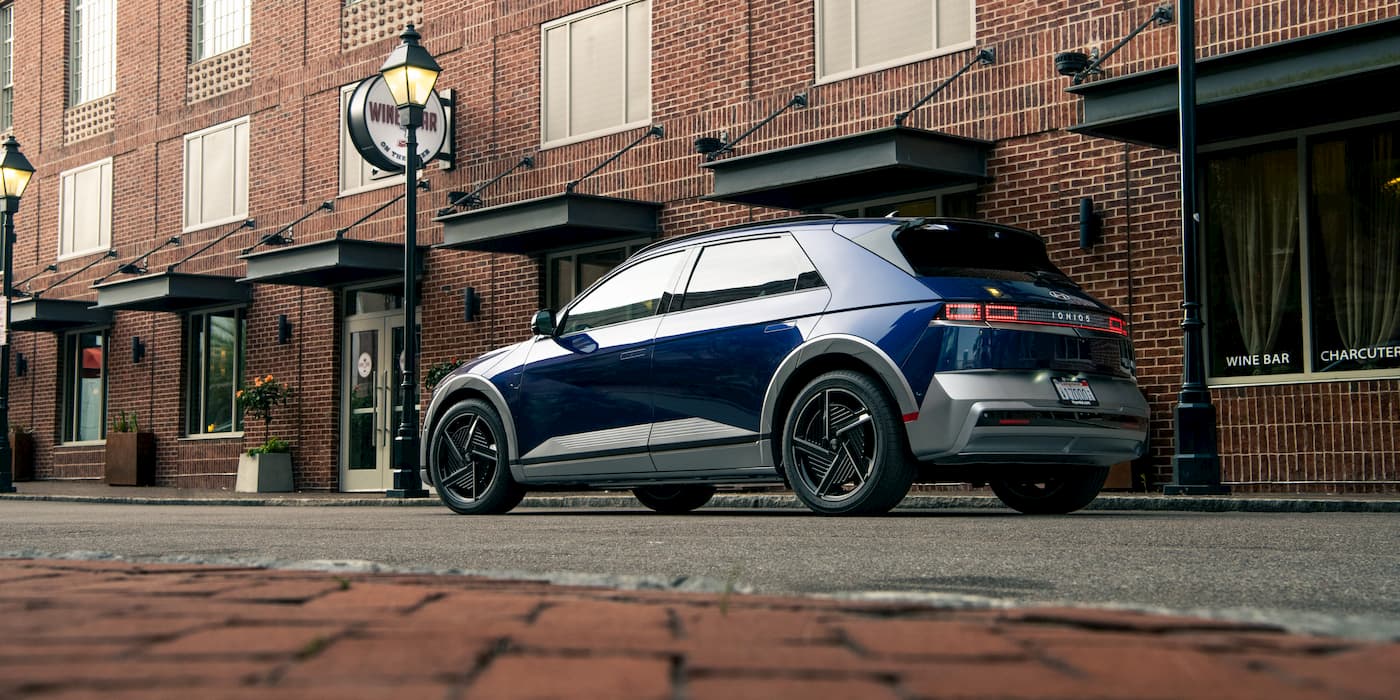
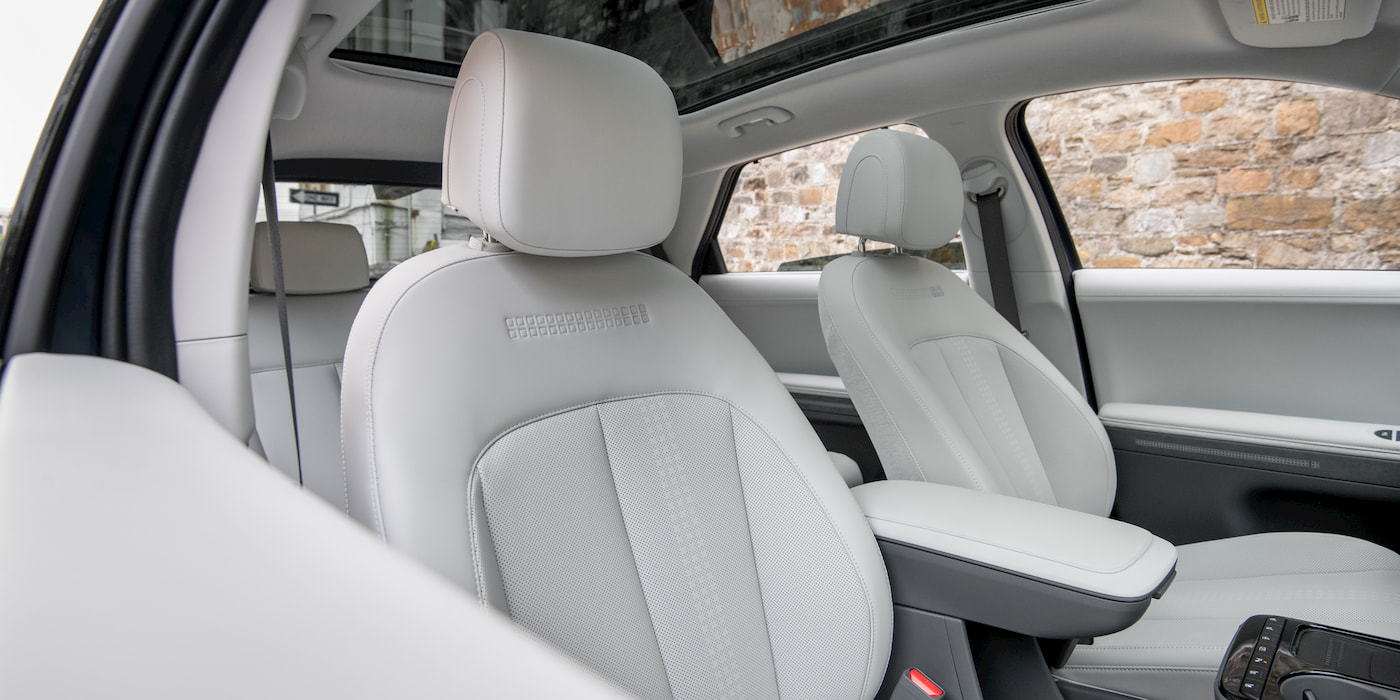
Furthermore, Hyundai has addressed consumer feedback regarding the interior. The 2026 model features a more ergonomic center console with physical buttons for frequently used functions like seat heating and parking assistance—a move away from the "screen-only" trend that many drivers find distracting. The exterior has also been refined with updated bumpers and a new rear spoiler that improves aerodynamics while adding a more aggressive stance.
For the first time, Hyundai has also introduced the XRT trim for the IONIQ 5. This variant is designed for light off-roading, featuring a lifted suspension, all-terrain tires, and unique "digital camouflage" styling. The diversification of the lineup has allowed the IONIQ 5 to appeal to a broader demographic, from urban commuters to outdoor enthusiasts, further straining available inventory.
Affordability as a Primary Driver of Demand
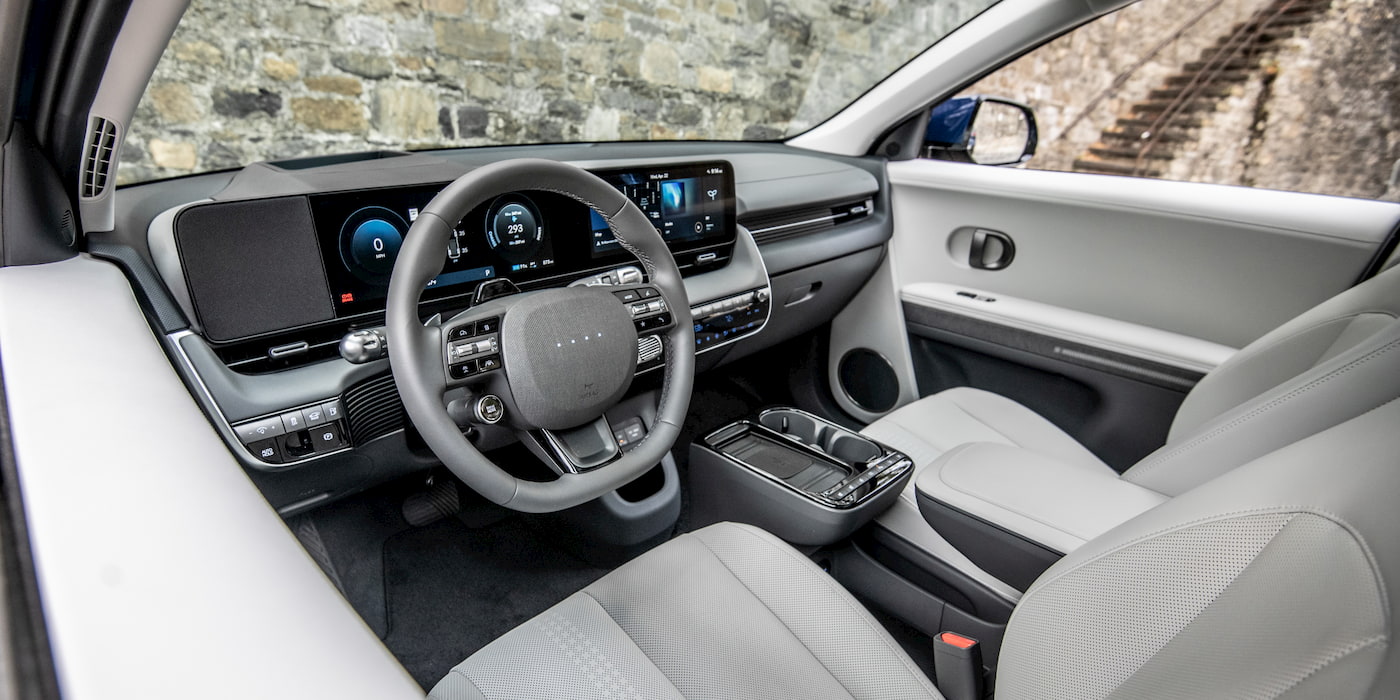
While technological features are a draw, the primary driver for the current sales explosion is affordability. In a market where the average new vehicle price hovers near $48,000, Hyundai’s decision to position the IONIQ 5 starting at $35,000 (excluding destination fees) has fundamentally changed the value proposition for EVs.
Through the "Getaway Summer Sales Event," Hyundai has implemented some of the most aggressive financing and leasing terms in the industry. For the 2026 model year, the company is offering 0% APR financing for up to 72 months, coupled with a 90-day payment deferral and an additional $1,000 retail bonus cash. In the leasing sector, the IONIQ 5 SE Standard Range is currently available for as low as $269 per month with $3,999 due at signing. These figures make the IONIQ 5 cheaper to operate than many compact gasoline cars, such as the Honda Civic or Toyota Corolla, when fuel and maintenance savings are factored in.
Market Data and Conquest Rates
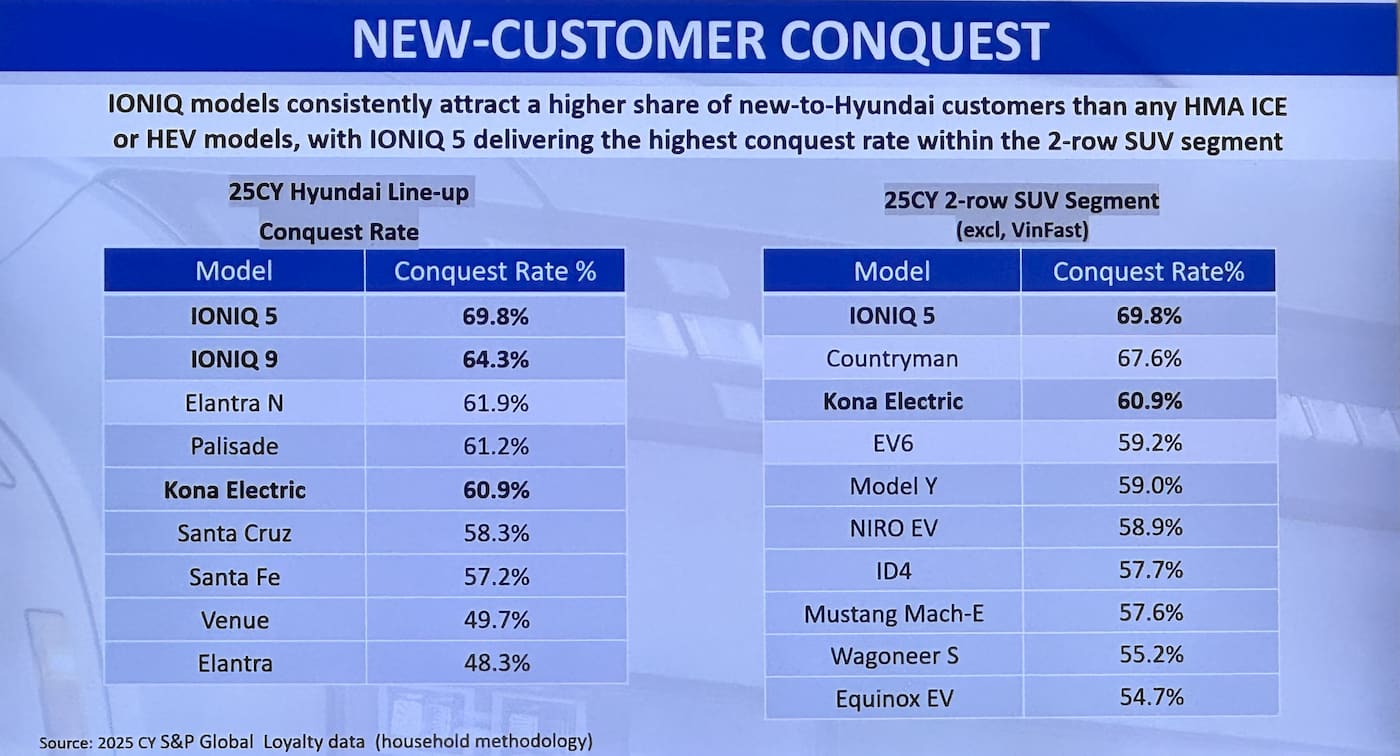
The success of the IONIQ 5 is reflected in its "conquest rates"—a metric that measures the percentage of buyers who are switching from a different automotive brand to Hyundai. Data shared by Hyundai officials during tours of the Georgia Metaplant indicate that the IONIQ 5 has a conquest rate of 69.8%. This is significantly higher than the brand’s internal combustion engine (ICE) vehicles and even its hybrid models.
The IONIQ 5 is successfully drawing customers away from established luxury brands and traditional EV leaders. According to Kelly Blue Book (KBB) estimates, more than 247,000 electric vehicles were sold in the US in the second quarter of 2026, a 14.7% increase over the first quarter. Within this growing pie, the IONIQ 5 has maintained its position as the best-selling EV in America that does not bear a Tesla badge, ranking third overall in total EV sales.
| 2026 Hyundai IONIQ 5 Trim | Range (Miles) | Starting Price (MSRP) | Monthly Lease (Est.) |
|---|---|---|---|
| SE RWD Standard Range | 245 | $35,000 | $269 |
| SE RWD Long Range | 318 | $37,500 | $279 |
| SEL RWD | 318 | $39,800 | $319 |
| Limited RWD | 318 | $45,075 | $409 |
| SE AWD Dual Motor | 290 | $41,000 | $339 |
| SEL AWD Dual Motor | 290 | $43,300 | $379 |
| XRT AWD Dual Motor | 259 | $46,275 | $419 |
| Limited AWD Dual Motor | 269 | $48,975 | $469 |
Broader Impact and Industry Implications
The inventory shortage of the IONIQ 5 serves as a case study for the broader automotive industry. It suggests that the "demand problem" cited by some manufacturers may actually be a "pricing and product problem." When an automaker provides a vehicle with competitive range, ultra-fast charging (10% to 80% in 18 minutes), and a price point that achieves parity with gasoline vehicles, the consumer appetite remains robust.
Hyundai’s ability to pivot toward US manufacturing has been the lynchpin of this success. By localizing production, the company has mitigated the impact of geopolitical trade tensions and shipping delays while simultaneously qualifying for various state and federal incentives that can be passed to the buyer. This strategy has allowed Hyundai to undercut competitors like the Toyota bZ4X and the Chevrolet Equinox EV, despite those vehicles being strong contenders in their own right.

Looking forward, the success of the IONIQ 5 bodes well for Hyundai’s upcoming electric releases, including the three-row IONIQ 9 SUV. As the Georgia Metaplant reaches full production capacity, the current inventory "dry spell" is expected to ease, but for the moment, the IONIQ 5 remains one of the most sought-after vehicles in the North American market. For consumers, the message is clear: those looking to take advantage of current pricing and lease deals may need to act quickly and be prepared for a wait, as the days of rows of unsold EVs sitting on dealer lots appear to be over for Hyundai.