Who Bears the Legal Burden When Autonomous Artificial Intelligence Fails on Public Roads

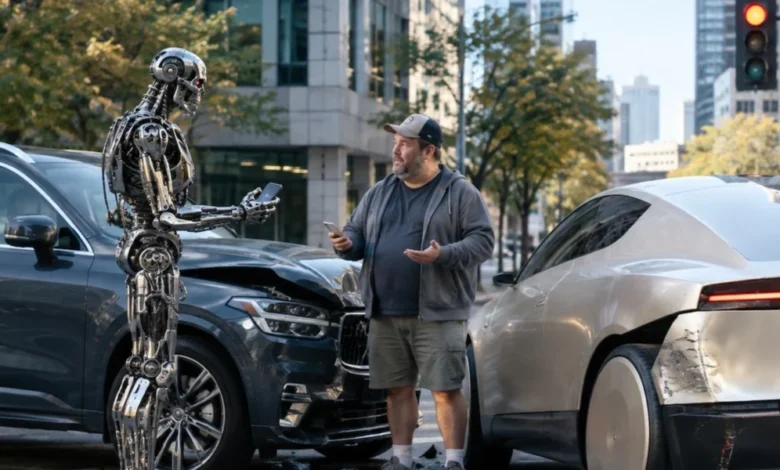
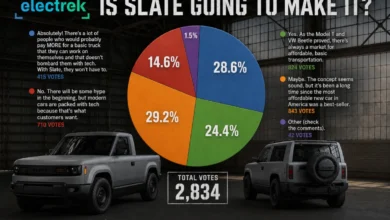
The rapid commercialization and deployment of autonomous driving technologies have brought society to the precipice of a major legal and ethical paradigm shift. As driverless taxis multiply in urban centers like San Francisco and advanced driver-assistance systems face heightened scrutiny following fatal accidents, a fundamental question emerges regarding accountability. When autonomous artificial intelligence malfunctions, resulting in property damage, injury, or loss of life, where does the legal liability ultimately rest? This complex issue was recently highlighted by a comprehensive reader survey conducted by transportation and technology publication Electrek, which gathered nearly 3,000 responses to examine public sentiment on AI liability in the automotive sector.
The survey findings reveal a profound skepticism toward holding individual vehicle occupants or human operators solely responsible when automated systems fail. While legacy legal frameworks have traditionally placed the burden of safe operation squarely on the human behind the wheel, the proliferation of autonomous vehicles (AVs)—epitomized by the recent re-unveiling of the Tesla Cybercab in Austin, Texas, and the ongoing expansion of robotaxi fleets by companies like Waymo—demands a reevaluation of established jurisprudence. The debate touches upon a delicate intersection of software engineering, automotive manufacturing, insurance law, and civil liability.
Background Context and Regulatory Landscape
The intersection of artificial intelligence and vehicular transit has accelerated significantly over the past several years. Autonomous ride-hailing services have transitioned from heavily monitored pilot programs to ubiquitous commercial operations in select metropolitan areas. Concurrently, consumer-grade vehicles equipped with advanced driver-assistance systems (ADAS), such as Tesla’s Full Self-Driving (FSD) suite, are operating in increasingly complex traffic environments.
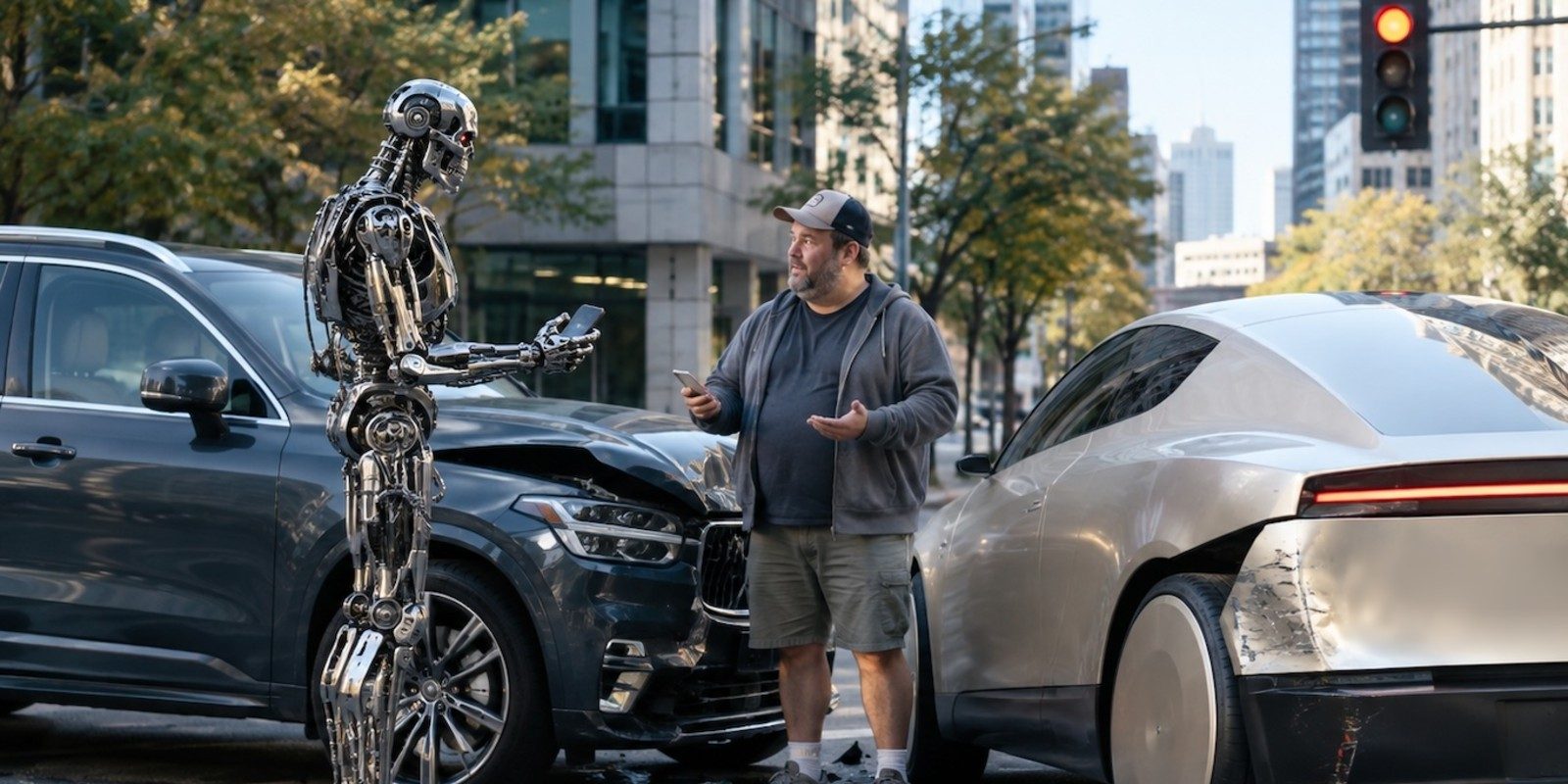
However, this technological leap has been accompanied by mounting regulatory scrutiny and public safety concerns. A series of high-profile incidents—ranging from autonomous fleet vehicles accumulating thousands of municipal parking citations due to unpredictable navigation errors to fatal collisions involving automated driving features—have thrust the debate into the mainstream. Legal scholars, policymakers, and insurance executives are grappling with the reality that existing liability frameworks, which were designed around human agency and negligence, are ill-equipped to address decisions made by neural networks and machine learning algorithms.
Historically, vehicular liability has relied on the principle of human fault. If a driver speeds, runs a red light, or is distracted, they bear civil and criminal responsibility. Yet, as automation levels rise toward Level 4 and Level 5 autonomy—where human intervention is neither expected nor required—the traditional definition of a "driver" becomes obsolete. This evolution forces a critical examination of whether responsibility should shift to the vehicle owner, the automotive manufacturer, the software developer, or some combination thereof.
Survey Findings: Public Sentiment on AI Accountability
The Electrek survey, which ran concurrently with major industry milestones including the series production launch of the Tesla Semi in Nevada and the showcase of the Cybercab, captured a wide spectrum of perspectives from an audience deeply engaged in the electric vehicle and autonomous transit ecosystem.
The results starkly illustrated a public consensus that largely absolves the vehicle occupant of primary fault. Out of nearly 3,000 votes cast, a mere 102 respondents—representing approximately 3.5% of the total—supported the traditional view of personal responsibility. This perspective held that whoever occupies the driver’s seat remains accountable for maintaining situational awareness and intervening when necessary, regardless of whether an automated system is engaged.
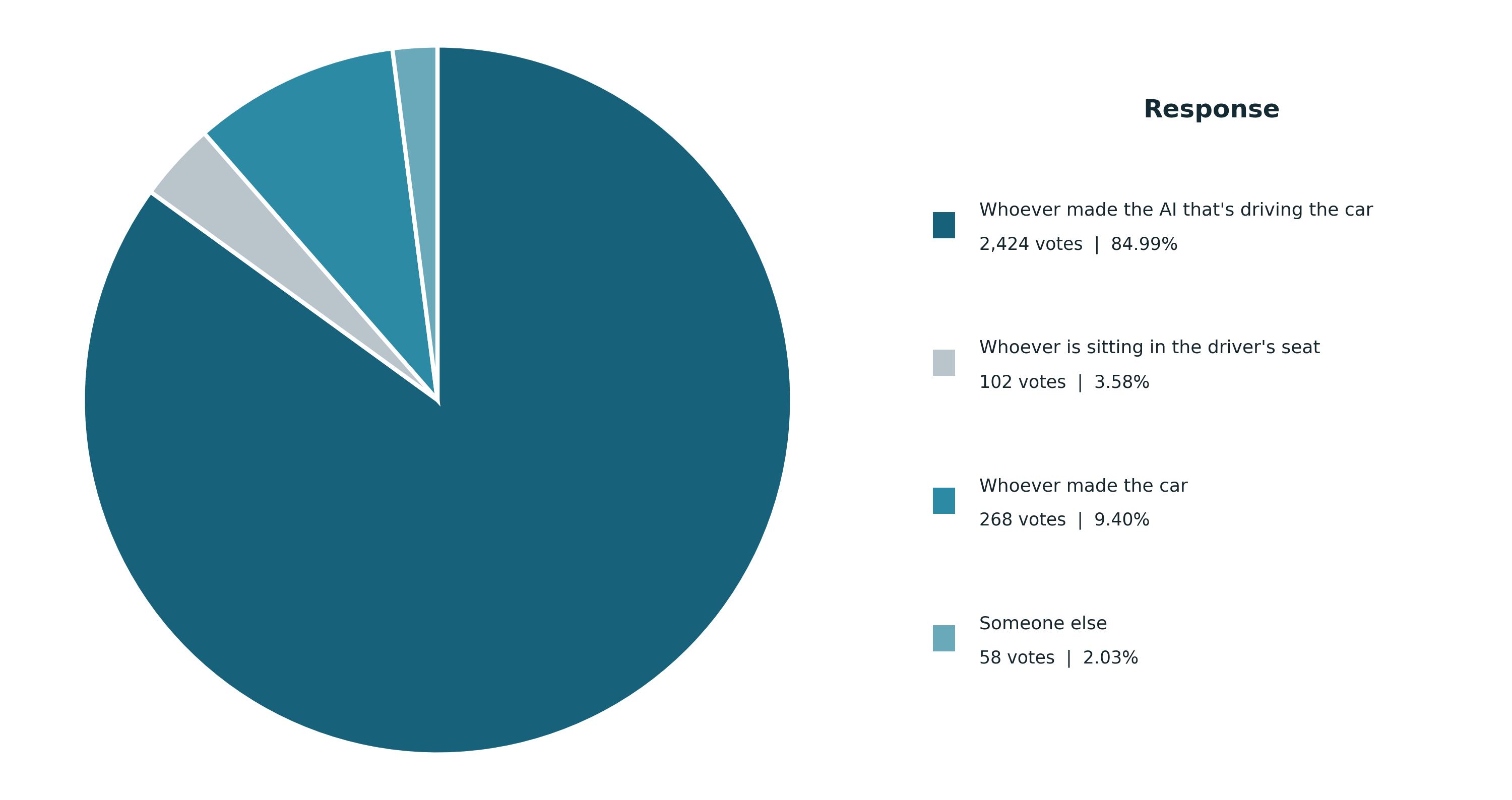
Conversely, the overwhelming majority of participants—nearly 90%—placed direct blame on the developers and creators of the underlying artificial intelligence. This viewpoint hinges on the premise that consumers purchasing or summoning an automated vehicle are acquiring a black-box technology over which they possess no meaningful operational control. Proponents of this argument assert that since vehicle owners cannot alter the core programming or predict algorithmic edge cases, liability must fall upon the entities that designed, trained, and deployed the software.
An intermediate perspective raised by several respondents focused on the registered vehicle owner, drawing parallels to traditional vehicle lending laws. Under this legal theory, the owner of an asset assumes responsibility for deploying a potentially hazardous machine onto public roadways, much like an individual who lends a traditional automobile to a third party. However, critics of this owner-liability model argue that applying traditional vehicle-owner responsibility to autonomous systems fails to account for the fundamental asymmetry of knowledge and control between a consumer and a multi-billion-dollar technology corporation.
Legal Analysis and Competing Theories of Liability
The division in public opinion mirrors active debates within the legal community regarding how existing doctrines should adapt to autonomous systems. Legal experts generally categorize potential liability into several distinct frameworks:
Product Liability and Software Developers
Proponents of holding AI developers and vehicle manufacturers liable typically rely on product liability law. Under this doctrine, manufacturers are held strictly liable for injuries caused by a defective product placed into the stream of commerce. In the context of autonomous vehicles, a software glitch, a flawed perception algorithm, or an inadequate training dataset could be legally classified as a manufacturing or design defect.

Proponents argue that software developers are in the best position to anticipate, test, and mitigate risks associated with algorithmic failures. Holding them accountable creates a powerful financial incentive to prioritize rigorous safety validation before deploying updates to public infrastructure.
The Vehicle Owner and Tort Law
Alternatively, traditional tort law assigns responsibility based on negligence. In conventional settings, owners have a duty to maintain their vehicles in safe operating condition. In an autonomous context, liability could theoretically attach to owners who fail to install mandatory software updates, ignore safety recalls, or operate vehicles outside designated geofenced boundaries. However, legal analysts note that extending strict owner liability to fully autonomous robotaxis—where the user is merely a passenger who hailed a ride via a mobile application—strains the limits of common sense and contract law.
Shared and Distributed Liability
A growing number of legal scholars advocate for a distributed liability model, wherein responsibility is apportioned among multiple stakeholders based on causal contribution. This approach recognizes that bringing an autonomous vehicle to market is a collaborative endeavor involving hardware manufacturers, sensor suppliers, software engineers, and fleet operators.
Under a shared liability framework, fault could be divided proportionally between the automotive manufacturer and the AI software provider if an accident stems from a combined failure of hardware sensor degradation and algorithmic misinterpretation. Such a model prevents a single entity from bearing an unsustainable burden while ensuring that victims of accidents have a clear and viable path to compensation.

Economic and Insurance Implications
The resolution of the AI liability question carries profound economic consequences for the insurance industry, the automotive market, and the deployment timeline of autonomous mobility services.
Traditional auto insurance is built on the concept of driver risk profiles, utilizing metrics such as age, driving history, and geographic location to calculate premiums. The shift toward autonomous vehicles necessitates a fundamental pivot toward product liability insurance, where risk is transferred from the individual consumer to the corporate entities manufacturing the vehicle and writing the software. Major automakers and technology firms are already exploring embedded insurance models, bundling coverage directly into the cost of vehicle operation or subscription services.
Furthermore, clarity in liability laws is essential for fostering consumer trust. Widespread adoption of robotaxis and private autonomous vehicles will depend heavily on the public’s confidence that victims will be fairly and swiftly compensated in the event of a system failure. Prolonged legal battles over ambiguous liability definitions could stifle innovation, deter investment, and delay the realization of the safety benefits that proponents argue autonomous transit will eventually deliver.
Broader Impact and Future Outlook
As autonomous vehicle fleets continue to expand across global roadways, the pressure on legislative bodies and regulatory agencies to establish clear federal and international standards for AI liability will only intensify. Current regulatory frameworks vary significantly by jurisdiction, creating a fragmented legal landscape that complicates cross-state operations for companies like Waymo, Tesla, and traditional automotive giants.

The debate sparked by the Electrek survey underscores a broader societal reckoning with the delegation of life-and-death decisions to autonomous systems. Whether through legislative reform, judicial precedent, or evolving contractual agreements between manufacturers and consumers, society must define the boundaries of accountability in an automated age. Until a standardized legal consensus is reached, the question of who bears the blame when artificial intelligence fails will remain one of the most contentious and defining challenges of modern technological progress.
Related posts: