Capital One Venture X Business Credit Card Review and Market Analysis of Premium Rewards for Small Businesses


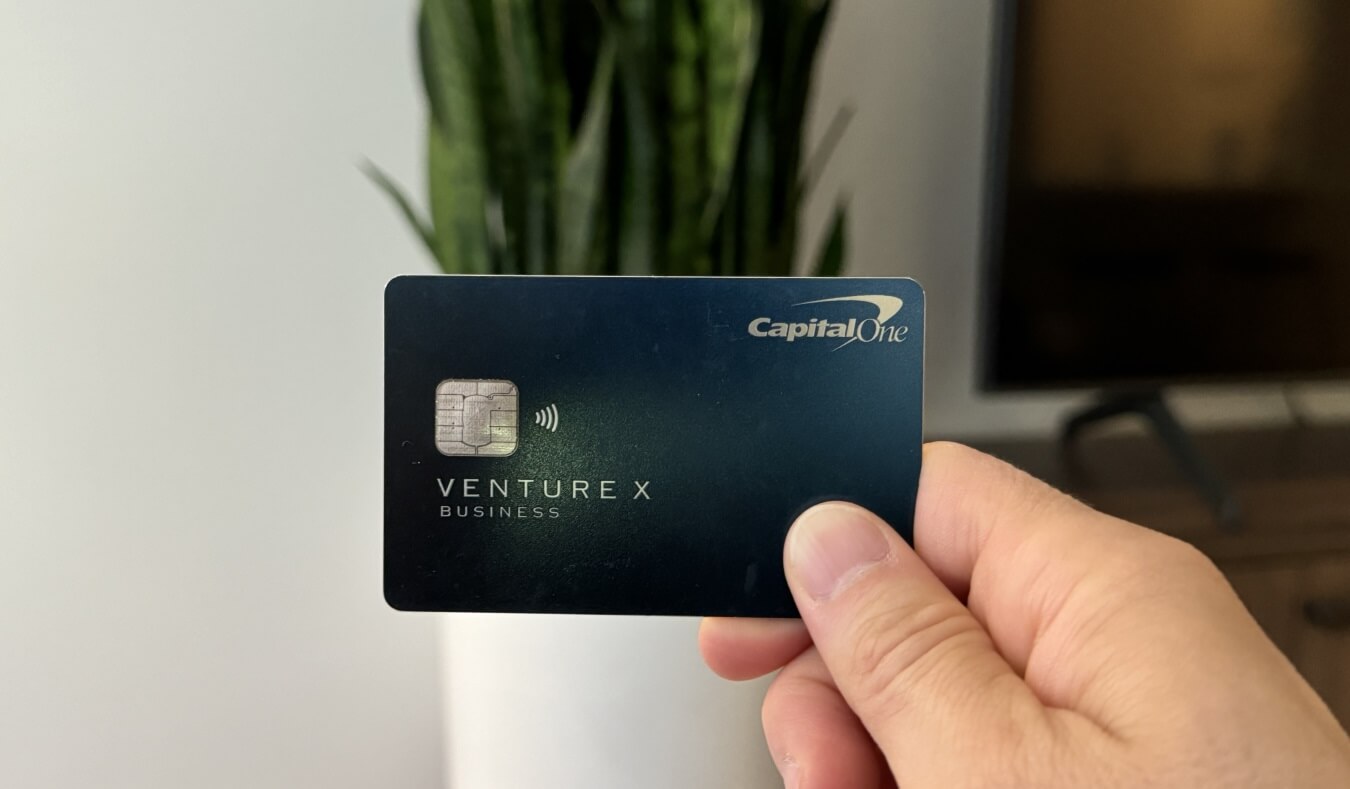
The Capital One Venture X Business credit card represents a strategic shift in the premium commercial lending space, offering a streamlined rewards structure designed to compete with established heavyweights such as American Express and Chase. In an era where small and medium-sized enterprises (SMEs) are increasingly looking for ways to optimize operational expenses, the introduction of high-value travel rewards cards specifically tailored for business use has become a focal point of the financial services industry. The Venture X Business card, positioned as a top-tier product, attempts to balance a high-end suite of perks with an annual fee that undercuts its primary competitors, creating a unique value proposition for high-spending business owners.
Strategic Positioning and the Evolution of Business Rewards
The launch of the Venture X Business card followed the successful rollout of its consumer counterpart, the Venture X, in late 2021. Capital One’s entry into the premium travel space was a calculated move to capture a demographic that traditionally gravitated toward the American Express Platinum or Chase Sapphire Reserve. By translating this model to the business sector, Capital One has targeted entrepreneurs who require high credit limits and robust travel benefits but prefer a simplified earning structure.
Unlike many traditional business cards that offer tiered rewards based on specific categories like office supplies or telecommunications, the Venture X Business utilizes a flat-rate model. This approach is particularly advantageous for businesses with diverse spending profiles that do not neatly fit into standard bonus categories. The card provides an unlimited 2x miles on every purchase, ensuring that even unconventional business expenses—such as inventory procurement, legal fees, or specialized equipment—earn a consistent return.
Financial Breakdown of the $395 Annual Fee
At $395 per year, the Venture X Business card is positioned in the mid-to-high range of the market. However, a quantitative analysis of its primary benefits suggests that the effective cost of the card can be neutralized or even turned into a net gain for most active businesses.
- Annual Travel Credit: Cardholders receive a $300 credit each year for bookings made through Capital One Travel. When applied to necessary business travel, this reduces the effective annual fee to $95.
- Anniversary Bonus: Starting on the first anniversary of account opening, the card grants 10,000 bonus miles. Valued at a baseline of one cent per mile for travel redemptions, this adds $100 in value, effectively bringing the net cost of the card to zero for those who utilize the travel portal.
- Global Entry or TSA PreCheck Credit: The card offers a statement credit of up to $100 every four years for these expedited security programs, a standard but essential feature for frequent business travelers.
The card also distinguishes itself through its "No Preset Spending Limit" (NPSL) feature. While this does not mean unlimited spending, it provides businesses with the flexibility to handle large, unexpected expenses that might exceed a fixed credit line on a traditional card. This flexibility is a critical component for growing businesses that experience seasonal fluctuations in cash flow or sudden inventory needs.
The Capital One Ecosystem: Earning and Redemption Metrics
The utility of any rewards card is fundamentally tied to its redemption flexibility. Capital One has significantly improved its standing in the rewards space by expanding its list of transfer partners and improving transfer ratios. Currently, the Venture X Business allows miles to be transferred to over 15 airline and hotel loyalty programs, most at a 1:1 ratio.
Primary Transfer Partners Include:
- Airlines: Aeromexico, Air Canada (Aeroplan), Air France-KLM (Flying Blue), Avianca LifeMiles, British Airways Executive Club, Cathay Pacific (Asia Miles), Emirates Skywards, Etihad Guest, EVA Air (Infinity MileageLands), Finnair Plus, Qantas Loyalty, Singapore Airlines (KrisFlyer), TAP Air Portugal (Miles&Go), and Turkish Airlines (Miles&Smiles).
- Hotels: Accor Live Limitless, Choice Privileges, and Wyndham Rewards.
Data from travel industry analysts suggest that while booking through the Capital One portal offers a guaranteed value of one cent per mile, transferring miles to partners can often yield a value of 2.0 cents or more per mile, particularly when redeemed for international business class flights or high-end hotel stays. This makes the 2x flat-rate earning potential equivalent to a 4% or higher return on all business spending.
For businesses that prefer simplicity over maximizing transfer ratios, Capital One offers a "Purchase Eraser" feature. This allows cardholders to use miles to offset any travel-related purchase made within the last 90 days at a flat rate of one cent per mile. This bypasses the need for loyalty program knowledge and provides immediate liquidity for travel expenses.
Operational Benefits and Global Infrastructure
Beyond the financial incentives, the Venture X Business card provides a suite of "soft" benefits designed to mitigate the stresses of frequent travel. The most notable of these is the lounge access program. Cardholders receive unlimited complimentary access for themselves and two guests to Capital One’s proprietary lounge network. Currently, these lounges are located in major hubs such as Dallas/Fort Worth (DFW), Washington-Dulles (IAD), and Denver (DEN), with more locations in development.
In addition to the proprietary network, the card includes a Priority Pass membership, granting access to over 1,300 airport lounges and experiences worldwide. This global coverage ensures that business travelers have a dedicated space to work or rest regardless of their destination.
From an administrative perspective, the card offers tools to help business owners manage their finances. This includes the ability to add employee cards at no additional cost, with the primary account holder earning miles on all employee spending. Owners can set individual spending limits for these cards and receive real-time alerts, providing a layer of oversight and security necessary for scaling operations.
Competitive Analysis: Venture X Business vs. The Field
To understand the card’s impact, it must be compared to its primary competitors: The Business Platinum Card® from American Express and the Chase Ink Business Premier.
- The Business Platinum Card® from American Express: With an annual fee of $695, the Amex Platinum offers more extensive perks, including a larger lounge network (The Centurion Lounge) and higher status at various hotel chains. However, its complex "coupon book" style of credits requires more effort to justify the fee. The Venture X Business offers a more straightforward path to breaking even for businesses that do not need the ultra-premium Amex ecosystem.
- Chase Ink Business Premier: This card also offers a high flat-rate return (2.5% on purchases of $5,000 or more, and 2% on all other purchases). However, it is primarily a cash-back card, and its points cannot be transferred to airline partners in the same way the Venture X miles can. For businesses that prioritize travel redemptions over cash back, the Venture X Business holds a clear advantage.
Market Implications for Small Business Finance
The proliferation of cards like the Venture X Business indicates a broader trend in the financial sector: the democratization of premium benefits. Historically, the highest level of travel perks and flexible spending limits were reserved for large corporations or the extremely wealthy. Capital One’s strategy of offering these features at a lower price point and with a simpler interface is forcing other lenders to re-evaluate their business products.
Furthermore, the integration of technology—specifically the partnership with Hopper for the Capital One Travel portal—reflects a shift toward data-driven travel management. The portal provides price-drop protection and price-match guarantees, features that are highly valued by businesses looking to control travel costs without hiring a dedicated travel manager.
Conclusion and Strategic Outlook
The Capital One Venture X Business Credit Card is a robust tool for small-to-medium business owners who maintain high monthly spend and frequent travel schedules. By combining a competitive $395 annual fee with $400 in direct annual value and a simplified 2x earning structure, Capital One has created a product that appeals to both the pragmatist and the rewards enthusiast.
As the global economy continues to prioritize flexibility and digital-first financial management, the Venture X Business stands as a benchmark for what a modern commercial credit product should offer. While it may lack some of the niche luxury perks of more expensive competitors, its balance of ease-of-use, high-value transfer options, and substantial travel credits makes it a formidable option in the current market. For businesses that can meet the initial spending requirements for the welcome offer and who utilize the annual travel credit, the card provides an unparalleled return on investment that directly supports operational growth and employee mobility.