Teriyaki Chicken with Ginger Peaches and Sesame Drench: A Culinary Analysis of Seasonal Flavor Profiles

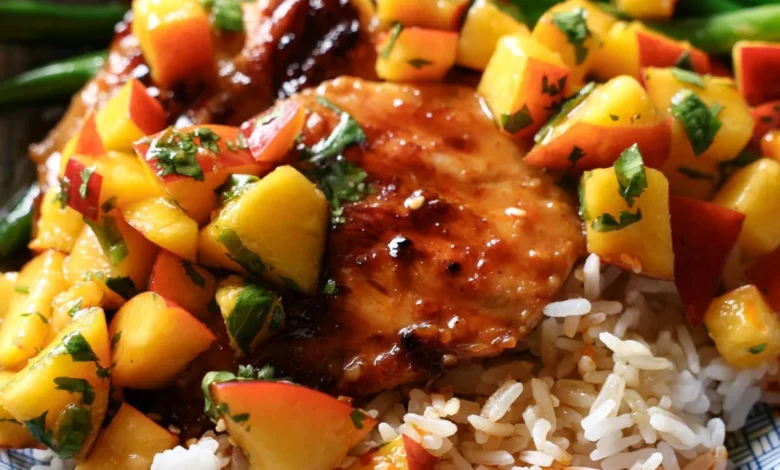
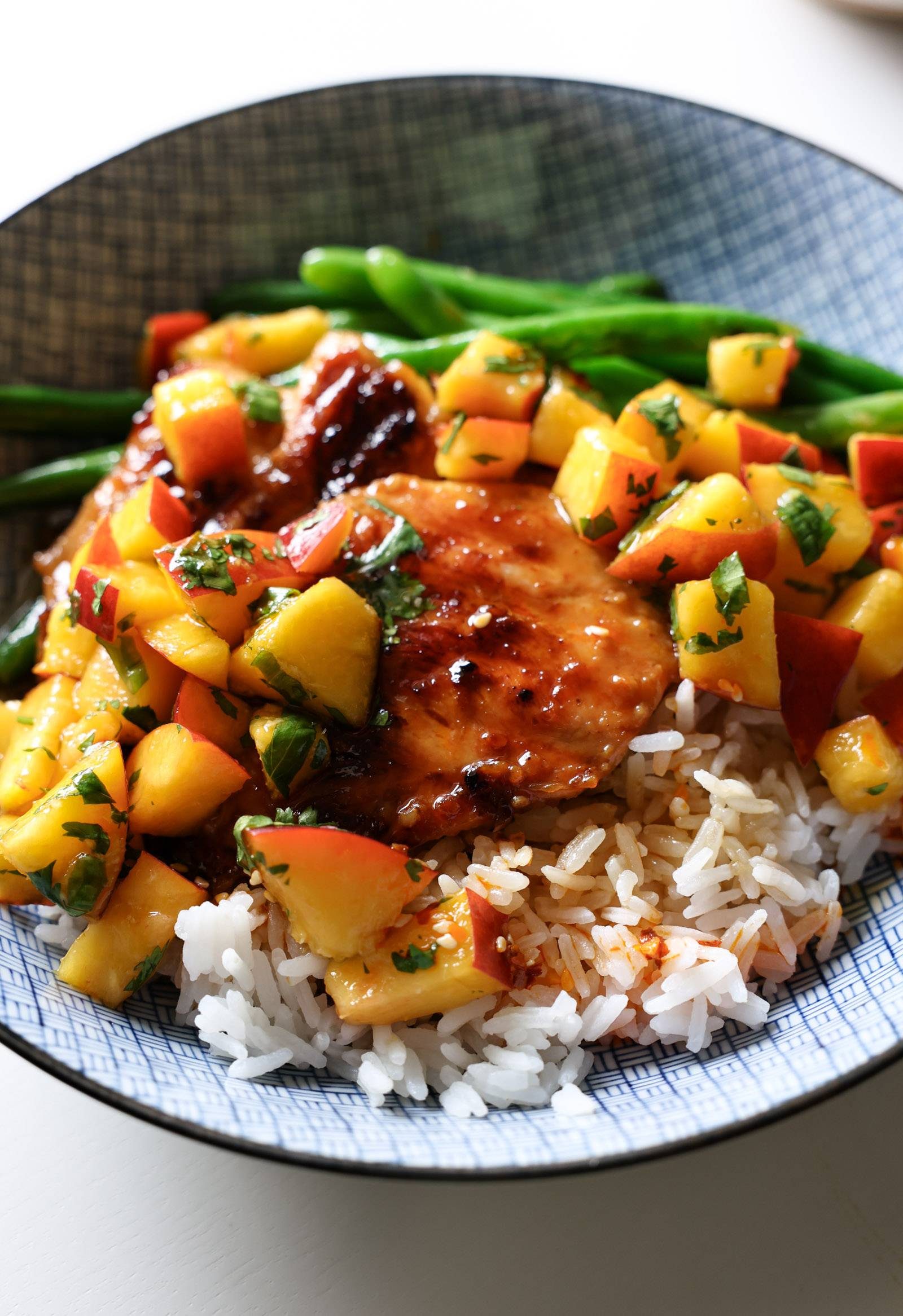
The intersection of late-summer agricultural yields and home-cooking trends has manifested in a resurgence of interest in fruit-forward savory dishes. Among these, the combination of grilled poultry with stone fruits—specifically peaches—has gained traction as a strategic response to the end-of-season transition period. Culinary experts note that the pairing of high-protein, umami-rich teriyaki profiles with the high-acid, sweet profile of fresh peaches offers a balanced nutritional profile that aligns with contemporary dietary preferences for "fresh-reset" meals following periods of travel or irregular eating habits.
The Seasonal Culinary Context
During the final weeks of summer, households frequently report a shift in dietary habits. Statistical data from food consumption surveys indicate that following peak vacation months, such as July and August, there is a measurable uptick in consumer demand for recipes that emphasize "resetting" or "rebalancing" nutrient intake. This phenomenon is often attributed to the disruption of standard routines during road trips and outdoor recreational activities, which often rely on processed or convenience-based snacks.
The integration of ginger and fresh peaches into a traditional teriyaki framework serves as a case study in flavor layering. Ginger, a rhizome known for its digestive properties and sharp, aromatic profile, acts as a bridge between the soy-heavy saltiness of traditional teriyaki and the natural sugars found in late-season peaches. When prepared over a grill, the Maillard reaction—the chemical reaction between amino acids and reducing sugars—creates a complex char that complements the acidity of the fruit.

Chronology of Development and Preparation
The preparation of this dish typically follows a structured three-phase process designed to maximize flavor development while maintaining the integrity of the fresh ingredients.
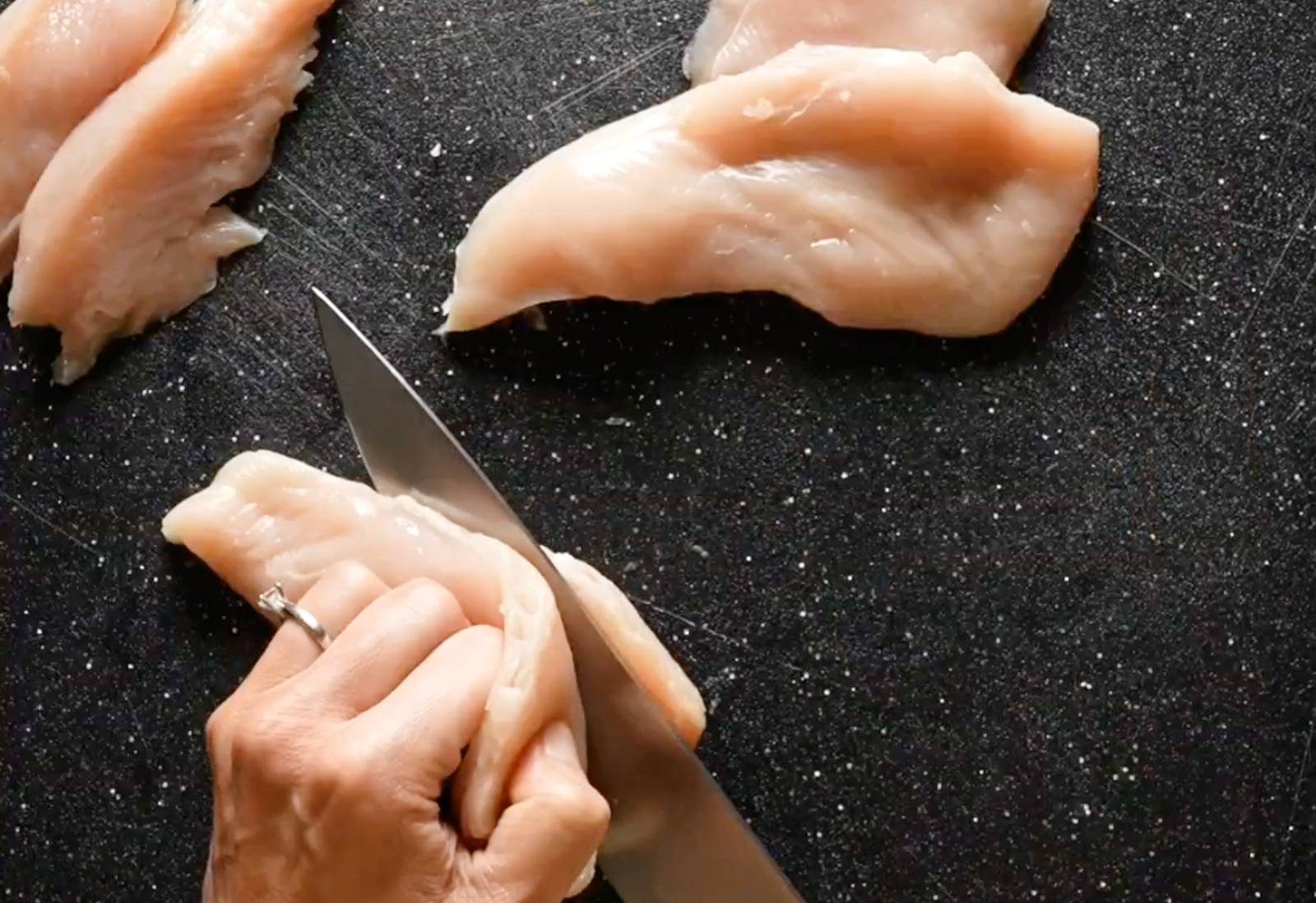
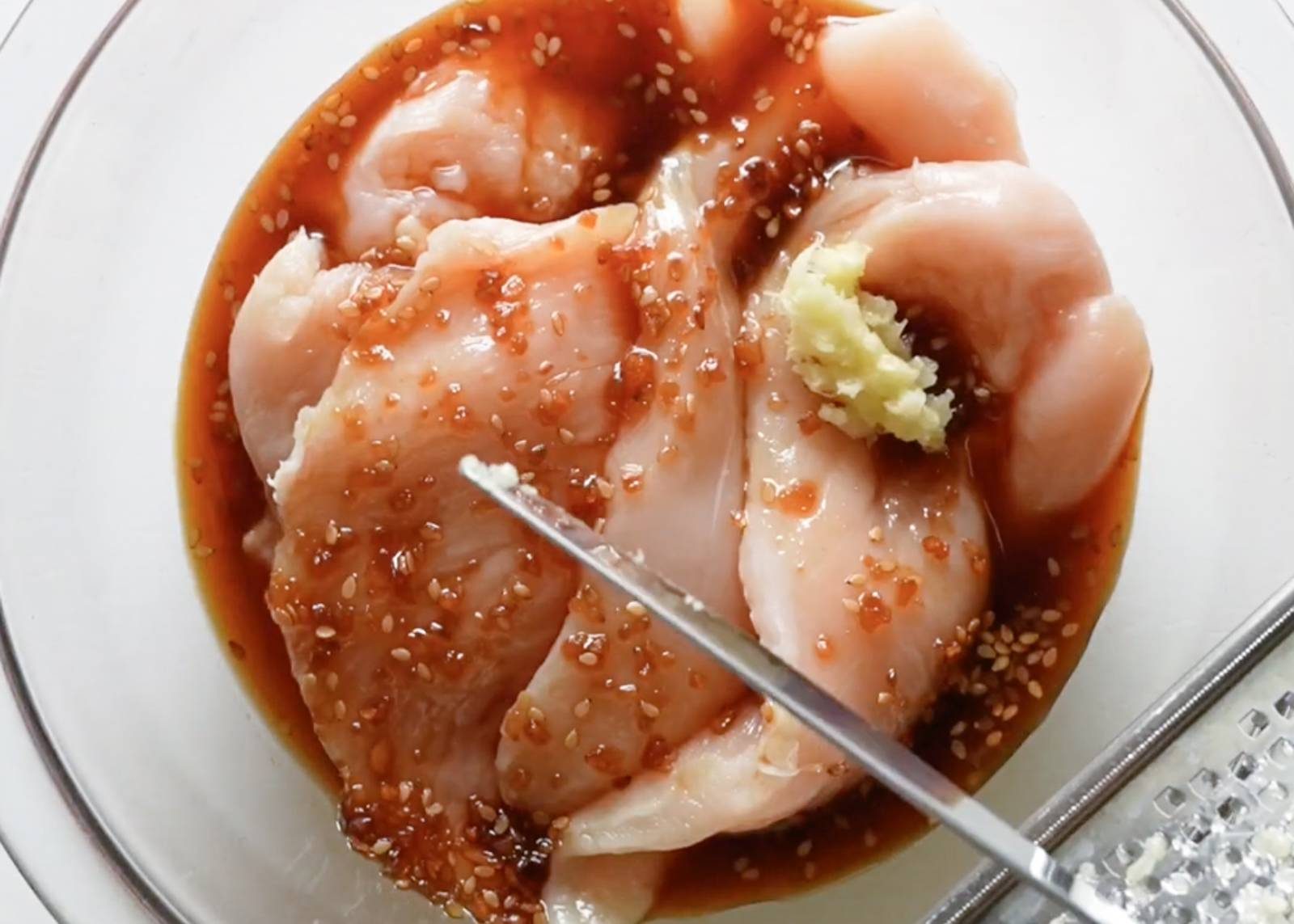
- The Marinade and Protein Phase: The process begins with the preparation of a teriyaki base, which traditionally involves soy sauce, mirin, and brown sugar or honey. By introducing fresh ginger into the marinade, the chicken breast or thigh absorbs the aromatics, ensuring that the protein is seasoned throughout rather than merely coated.
- The Fruit Integration: The ginger-peach component is prepared separately, often as a relish or a light topping. By slicing peaches and tossing them with fresh ginger, the dish retains the textural contrast of the firm fruit against the tender grilled chicken. This step is critical, as over-cooking the peaches can lead to a loss of structural integrity.
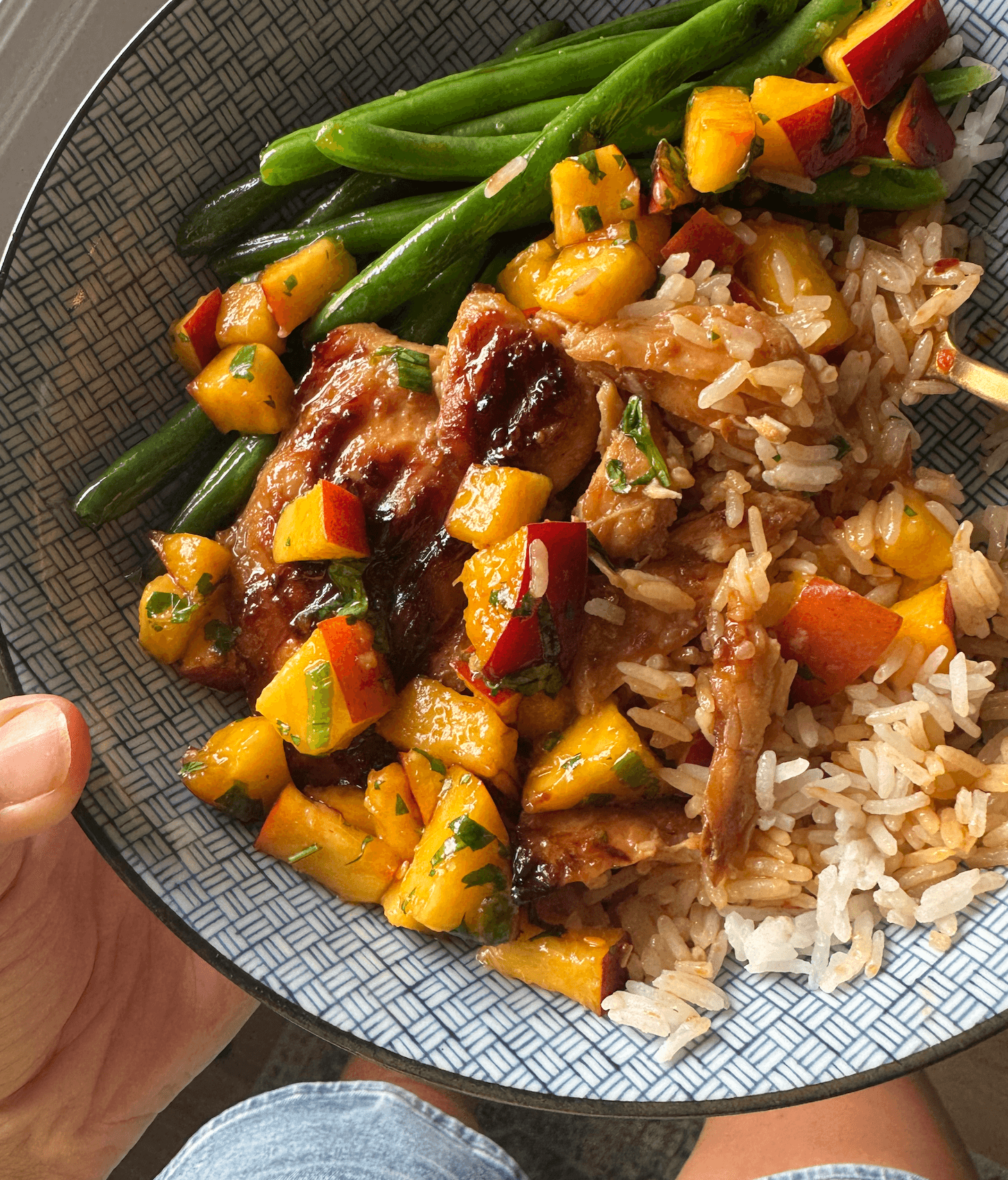
- The Finishing Drench: The "sesame drench" serves as the binding agent. By incorporating toasted sesame oil, rice vinegar, and occasionally a neutral oil or emulsifier, the final component adds a layer of fat that balances the acidity of the ginger, creating a cohesive mouthfeel when served over steamed white rice.
Nutritional and Economic Implications
From a nutritional standpoint, the dish provides a high-protein, moderate-carbohydrate profile. The use of chicken, specifically lean cuts, ensures a high satiety index, while the inclusion of peaches introduces fiber and essential micronutrients such as Vitamin C and potassium. When served alongside rice, the meal functions as a complete, complex carbohydrate-protein pairing.
Economically, the dish leverages the peak availability of stone fruits. In the United States, peach season typically concludes in late August or early September, representing a window of optimal pricing and peak ripeness for the commodity. Home economists suggest that utilizing produce at its seasonal zenith not only enhances the quality of the dish but also serves as an effective strategy for budget-conscious meal planning. By purchasing peaches in bulk during the harvest, consumers can lower the per-meal cost of what is otherwise considered a premium produce item.
Social and Community Dynamics of Home Cooking
The social aspect of the recipe, particularly its scalability for large family gatherings, highlights the role of communal cooking in contemporary home life. Reports from home-cooking platforms indicate that recipes involving "modular" preparation—where ingredients can be served separately for younger, more selective eaters while being combined for adults—are increasingly favored by modern families.

In the case of the Teriyaki Chicken with Ginger Peaches, the ability to serve the chicken and peaches as distinct components allows for a higher degree of customization. This methodology is consistent with findings from behavioral psychology regarding "food autonomy," where children are more likely to engage with new or complex flavors when they have the agency to compose their own plates.
Broader Impact on Seasonal Meal Trends
The rise of the "summer reset" meal category suggests a growing consumer awareness of the relationship between seasonal transition and dietary regulation. As the culinary industry continues to pivot toward "fresh-first" marketing, the reliance on high-quality, seasonal produce is expected to increase.
Industry analysts observe that this trend is not limited to home kitchens but is also being mirrored in the professional food service sector. High-end restaurants have increasingly begun incorporating seasonal fruit salsas and fruit-based glazes into traditional protein-heavy menus. The success of this specific chicken-peach combination serves as a template for future seasonal adaptations, demonstrating that consumers are willing to embrace unconventional pairings when they are framed within the context of health, simplicity, and seasonal availability.
Technical Considerations for Home Preparation
For those attempting to replicate this dish, the primary technical challenge lies in the heat management of the grill. Because teriyaki marinades contain sugars, they are prone to rapid caramelization and burning. To avoid this, chefs recommend a two-stage cooking process: searing the protein to develop the initial crust, followed by a lower-temperature finishing phase to ensure the interior is cooked without carbonizing the exterior glaze.
Furthermore, the consistency of the sesame drench is paramount. Emulsification—the process of mixing oil and vinegar into a stable liquid—requires steady whisking to ensure that the components do not separate upon standing. This technical detail, while seemingly minor, ensures that every bite retains the intended flavor balance, preventing the meal from becoming overly acidic or excessively oily.
Conclusion
The Teriyaki Chicken with Ginger Peaches and Sesame Drench stands as a quintessential example of seasonal culinary adaptation. By integrating traditional Japanese-influenced flavors with the fresh, fleeting produce of late summer, the dish satisfies a consumer demand for both comfort and nutritional balance. Its popularity underscores a broader shift in home-cooking practices: a move toward intentional, seasonal eating that prioritizes fresh ingredients and flexible, scalable preparation methods. As the culinary landscape continues to evolve, the ability to synthesize these distinct flavor profiles will remain a hallmark of effective home menu planning, providing a reliable strategy for families looking to transition their dietary habits as the seasons change.