Tesla and SpaceX Advance Toward Historic Trillion-Dollar Merger Amid Governance Scrutiny

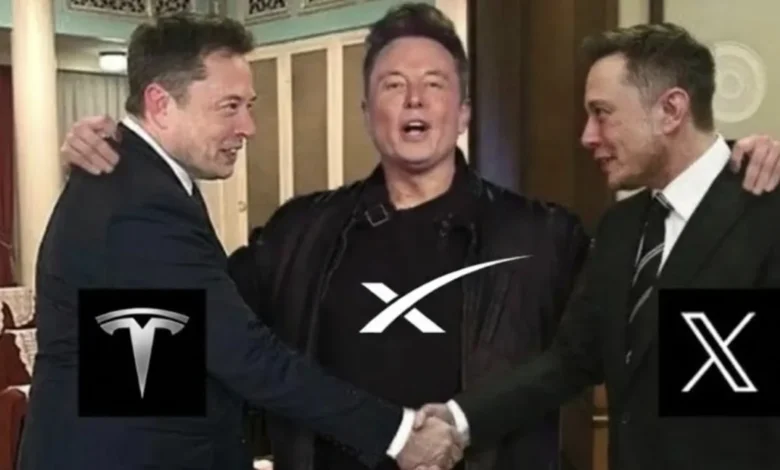
Discussions between aerospace manufacturer SpaceX and electric vehicle pioneer Tesla have accelerated significantly, pointing toward a potential blockbuster combination that could be formally announced as early as December. If finalized, the transaction would represent the largest corporate merger in financial history, eclipsing decades of mega-deals and reshaping the global landscape of technology, automotive manufacturing, and aerospace defense.
Negotiations between board committees, financial advisers, and legal representatives from both entities are currently focused on definitive terms, including valuation metrics, share exchange ratios, and corporate governance structures. While December remains the aggressive target for a formal announcement, industry insiders note that early 2027 is also a viable window depending on the pace of regulatory reviews and valuation alignment.
The structural makeup of the proposed transaction indicates that SpaceX is positioned to absorb Tesla rather than vice versa. Current market valuations underline this dynamic: following its public debut in June, SpaceX commands a valuation exceeding $1.9 trillion, while Tesla’s market capitalization hovers around $1.5 trillion. For historical scale, the previous high-water mark for a corporate acquisition remains Vodafone’s $183 billion takeover of Mannesmann in 2000. Even SpaceX’s acquisition of artificial intelligence firm xAI earlier this year—valued at approximately $250 billion—would be dwarfed by the sheer financial gravity of uniting Tesla and SpaceX under a single corporate umbrella.
The urgency surrounding the timeline is closely tied to upcoming corporate milestones. Tesla’s annual shareholder meeting, scheduled for December 3, features a ballot for the re-election of key directors who would ultimately vote to approve or reject the merger framework. Corporate governance watchdogs and institutional investors are watching the meeting closely, as the outcomes will cement board oversight during the final phases of negotiation.
Chronology of a Mega-Merger: How the Deal Developed
The path toward a combined Tesla and SpaceX has unfolded through a series of strategic corporate maneuvers over the past year. Speculation intensified in May when Chief Executive Officer Elon Musk first floated the concept of consolidating the enterprises just weeks prior to SpaceX’s initial public offering.
Market analysts quickly drew parallels to previous multi-billion-dollar transactions involving Musk-led entities, categorizing the potential merger as part of a broader pattern of related-party capital allocations. These historical precedents include Tesla’s acquisition of SolarCity in 2016, the acquisition and subsequent private restructuring of Twitter (now X), and Tesla’s $2 billion investment in xAI, which was later converted into SpaceX equity.
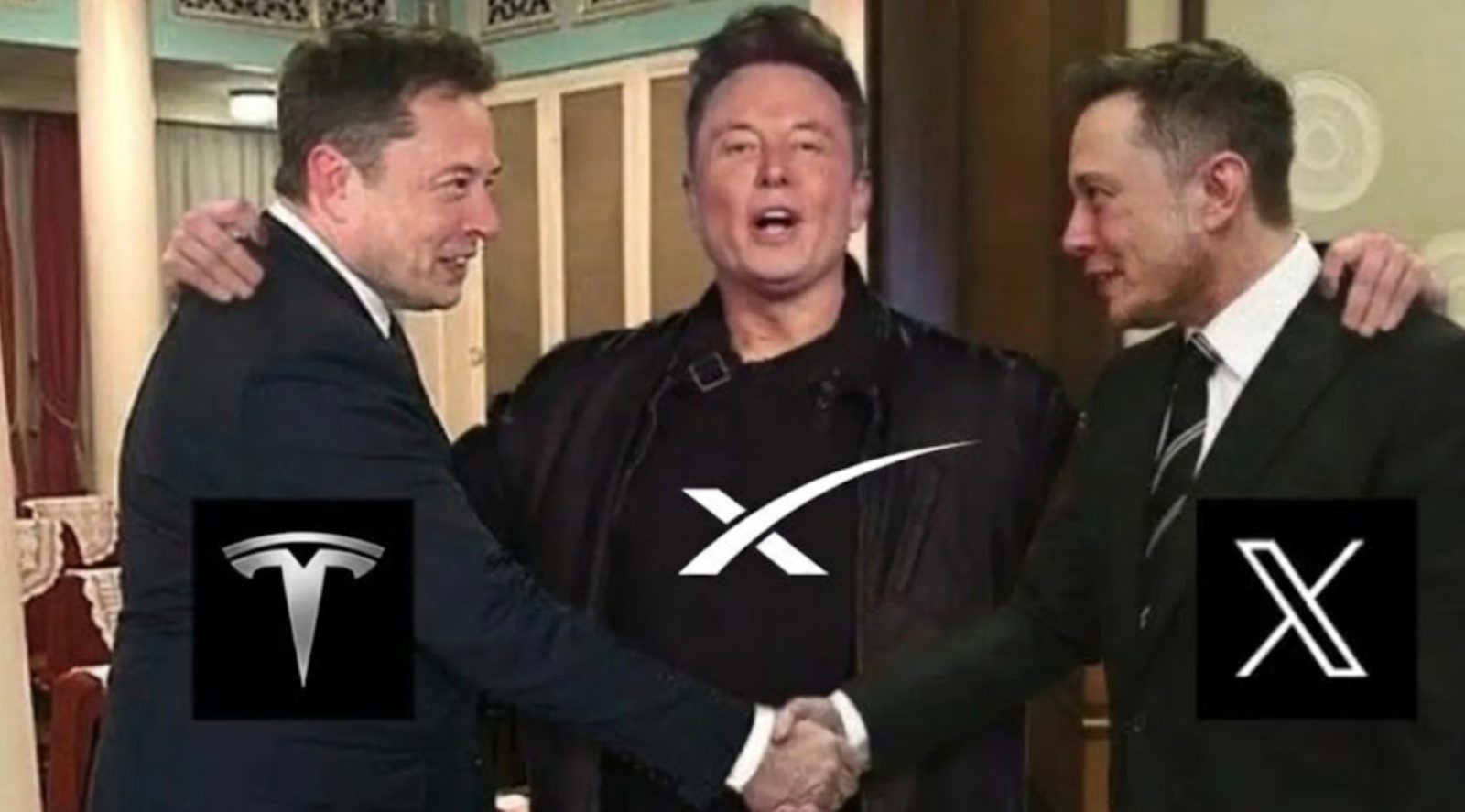
In October, governance developments provided the clearest signal yet that a merger was advancing past the exploratory phase. Tesla’s proxy filing for the annual shareholder meeting detailed a streamlined board slate limited to the re-election of Musk, Chair Robyn Denholm, and board member JB Straubel through 2029. Notably, Ira Ehrenpreis—who chairs Tesla’s compensation and governance committees—also joined the SpaceX board of directors in February, solidifying structural ties between the two corporate leadership teams.
One day following the proxy release, Musk confirmed that independent special committees had been formally established by both corporate boards to evaluate the feasibility, terms, and regulatory hurdles of a merger.
Financial Implications and Executive Compensation Packages
For public shareholders, the financial architecture of the proposed transaction presents a complex mix of potential immediate returns and long-term governance shifts. A central variable in the negotiation is the share exchange ratio—specifically, how many shares of SpaceX stock Tesla investors will receive for their existing equity.
The governance implications are equally profound. Musk currently holds approximately 20% of Tesla’s common stock while maintaining roughly 85% of the voting power in SpaceX through a dual-class share structure featuring super-voting rights. A successful merger would transition Tesla investors from a traditional one-share, one-vote equity model into a consolidated entity where Musk’s voting control is heavily entrenched.
Furthermore, the transaction triggers substantial financial accelerations for the chief executive. Under change-in-control provisions embedded in Musk’s 2025 CEO compensation package, standard operational milestones are bypassed in favor of a market-capitalization test evaluated at the final deal price. Based on current share counts outlined in corporate filings, a transaction valuing Tesla at $2 trillion—representing a roughly 33% premium over its trailing trading range—would immediately clear the first tranche of performance-based awards. Additionally, 286 million restricted stock units from Musk’s 2018 compensation package would experience accelerated vesting upon the successful completion of a change-in-control event.
Regulatory Hurdles: The Geopolitical Dilemma of Giga Shanghai
Despite the financial momentum behind the talks, significant regulatory and structural obstacles remain. Analysts point to the inherent friction between SpaceX’s heavy involvement in classified defense contracts and classified government satellite communications, and Tesla’s massive commercial footprint in China.

Industry experts, including financial analysts at JPMorgan, have highlighted that the intersection of U.S. national security interests and foreign manufacturing exposure represents a major risk factor for antitrust and national security regulators, such as the Committee on Foreign Investment in the United States (CFIUS).
These concerns first surfaced publicly in July amid reports that Tesla was evaluating strategic alternatives for its Chinese operations, including a potential sale or spinoff of its business units in the region—reports that Musk subsequently denied. Giga Shanghai remains Tesla’s most efficient manufacturing hub, accounting for more than half of the company’s global vehicle production and delivering over 67,000 vehicles in October alone.
Geopolitical considerations add another layer of complexity. Following the recent midterm elections, congressional leadership has shifted, with incoming majority lawmakers signaling heightened scrutiny regarding the business operations and government contracts held by Musk’s corporate portfolio. Financial analysts suggest that closing the transaction prior to sweeping political transitions in Washington remains a priority for the corporate advisory teams guiding the merger.
Market Reaction and Broader Industry Outlook
Financial markets have reacted with measured optimism to the steady flow of reports detailing the merger talks. Tesla shares experienced modest upward momentum, rising as much as 1.9% following the Bloomberg report, reflecting investor appetite for a catalyst that could reinvigorate a stock that has experienced a prolonged period of consolidation.
The potential integration of Tesla—primarily an automotive and energy storage enterprise experiencing slowing vehicle delivery growth—with SpaceX, a high-growth aerospace, satellite telecommunications, and artificial intelligence infrastructure firm, marks a radical shift in corporate strategy.
As both boards finalize terms ahead of the December shareholder meetings and the targeted early 2027 closing window, regulatory bodies, institutional investors, and market analysts prepare for what would undoubtedly be the most consequential corporate restructuring of the modern era. Neither Tesla nor SpaceX corporate communications teams have issued formal statements regarding the ongoing negotiations.