Rock Legend Jon Bon Jovi Abruptly Ends Madison Square Garden Concert Due to Health Concerns

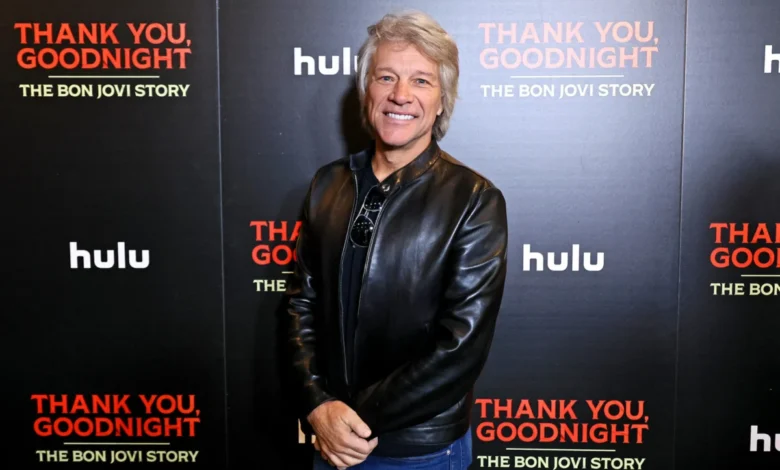
Rock icon Jon Bon Jovi was compelled to conclude his highly anticipated performance at Madison Square Garden prematurely on Thursday, July 23, citing health reasons that necessitated an early curtain call. The eighth show of his ongoing "Forever Tour," held at the legendary New York City venue, was cut short after approximately 90 minutes of performance. This unexpected interruption has sent ripples of concern through his dedicated fanbase and the wider music community.
The abrupt halt occurred shortly after the band delivered their enduring 1986 anthem, "Livin’ on a Prayer." Addressing the sold-out crowd, a visibly affected Bon Jovi informed his audience that he was unable to continue the show. His words, captured by attendees and circulating widely on social media, conveyed a sense of responsibility and a commitment to his fans: "Don’t throw away your ticket stubs, I’m going to figure something out. Just hang onto it, I’m going to figure out how to reschedule." This statement immediately sparked a flurry of speculation regarding the nature of his ailment.
A representative for Bon Jovi later confirmed to U.S. Magazine that the singer’s early departure was due to a sinus infection. "The Bon Jovi concert at Madison Square Garden ended after 90 mins tonight," the statement read. "Jon Bon Jovi spoke from stage and told fans he has been battling a sinus infection which led to the show’s early ending. As part of the Bon Jovi residency at Madison Square Garden, Jon has said numerous times that it has been a joy to return to live shows for the band. Updated information will be available shortly." The rep further emphasized that Bon Jovi expressed feeling "great" despite the setback and promised a swift return.

A Glimpse into the Career and Health Journey
This incident casts a spotlight on Bon Jovi’s recent health struggles, particularly a significant vocal cord injury that has impacted his ability to perform. The "Forever Tour" itself marks a triumphant return to extensive touring following a period of recovery. In October 2025, during an appearance on the "Today" show, Bon Jovi openly discussed the gravity of his vocal cord issues with host Savannah Guthrie. He revealed a poignant moment where he contemplated stepping away from music entirely if he could no longer sing to his own standards.
"That’s right," Bon Jovi had responded to Guthrie’s observation about his past sentiment. "I don’t do it for the applause. I’m not that applause junkie. I do it for the joy and I do it for the art. The rest of it is great because I’m good at it. But if you couldn’t do it from a place of joy, what’s the motivation?" This philosophy underscores his deep connection to his craft and his dedication to artistic integrity.
The specific injury that led to this period of concern involved an atrophying vocal cord. Bon Jovi underwent surgery in 2022 to address this condition. He explained the complex nature of the problem, noting that his stronger vocal cord was "pushing the weak one around," causing it to deteriorate. The surgical intervention involved the placement of an implant on the exterior of his vocal cords, a delicate procedure aimed at restoring his singing capabilities. When questioned about the potential cause of the injury, specifically whether years of hitting high notes contributed, Bon Jovi expressed uncertainty, stating, "You know, it’s 40 years of hard work. I don’t really know." This statement highlights the cumulative toll that a long and demanding career in live performance can take on a vocalist’s instrument.
Timeline of Events and Future Engagements
The "Forever Tour" began with significant anticipation, representing a major comeback for the iconic frontman. The residency at Madison Square Garden was a cornerstone of this tour, with multiple dates planned at the esteemed venue. The concert on July 23rd was the eighth of these scheduled performances.

Following the early conclusion of the July 23rd show, Bon Jovi’s next scheduled performance is slated for Sunday, July 26, also at Madison Square Garden. After concluding his New York dates, the "Forever Tour" is set to continue its international leg, with a performance scheduled in Edinburgh in August. The ability of Bon Jovi to proceed with these upcoming dates will likely depend on his recovery from the current sinus infection. The band’s management has indicated that updated information regarding his condition and future performances will be released promptly.
Fan Reaction and Industry Perspective
News of the abbreviated concert quickly spread across social media platforms, eliciting a wave of support and well wishes from fans worldwide. Many expressed understanding and empathy, acknowledging Bon Jovi’s long and dedicated career and the challenges he has faced with his vocal health. Hashtags like #GetWellJon and #BonJoviForever trended, reflecting the global concern for the rock legend.

Concert industry analysts suggest that while an early termination of a show is always disappointing for fans, the transparency and proactive communication from Bon Jovi and his team are crucial in managing expectations. The promise of rescheduling, coupled with the explanation of a treatable condition like a sinus infection, likely mitigates some of the immediate frustration. The context of his previous vocal cord surgery also adds a layer of understanding, as fans are aware of the significant efforts he has undertaken to continue performing.
Broader Implications for the "Forever Tour"
The sinus infection, while seemingly minor in comparison to his previous vocal cord surgery, presents a temporary but significant hurdle for the "Forever Tour." The tour’s success hinges on Bon Jovi’s ability to deliver consistent, high-energy performances, a hallmark of his career. The current situation underscores the inherent vulnerabilities of live musical performances, where the health of the artist is paramount.

The incident also brings into focus the rigorous demands placed upon artists undertaking extensive global tours. The constant travel, varying climates, and exposure to different environments can make artists susceptible to common illnesses like sinus infections. The proactive management of these situations, including the decision to rest when necessary, is vital for the long-term sustainability of such tours and, more importantly, for the health and well-being of the performers.
As the "Forever Tour" progresses, fans and industry observers will be closely monitoring Bon Jovi’s recovery and his ability to resume his demanding performance schedule. His commitment to his art and his dedication to his audience remain evident, offering reassurance that he will endeavor to fulfill his touring obligations as soon as his health permits. The resilience demonstrated throughout his career, particularly in overcoming his vocal cord injury, suggests that this current setback, while unfortunate, is likely a temporary pause rather than a definitive end to his live performances. The band’s management has assured that further updates will be provided as they become available, maintaining a channel of communication with the expectant public.