Six Summers in the Making: The Culinary Journey Behind the Definitive Peach Cobbler Loaf

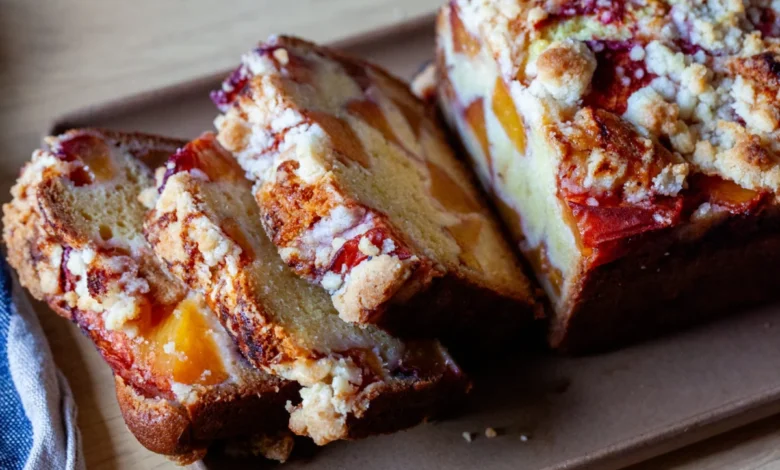
The pursuit of culinary perfection often demands extraordinary patience, a reality underscored by a six-year recipe development cycle that recently culminated in the release of a definitive peach cobbler loaf. In the world of baking and professional recipe development, timeline expectations frequently clash with the volatile nature of seasonal ingredients. While commercial food production prioritizes rapid turnaround and standardized yields, artisanal and independent recipe testing operates on a different metric—one defined entirely by the behavior of the ingredient rather than the convenience of the creator. This exhaustive six-year endeavor highlights the complex structural challenges inherent in combining fresh, high-moisture stone fruit with a dense, structured cake batter, ultimately offering valuable insights into the rigorous standards required for modern home baking success.
Background Context and the Evolution of Stone Fruit Baking

The challenge of incorporating fresh peaches into a baked loaf is well-documented among pastry chefs and culinary historians. Unlike dried fruits or shelf-stable preserves, fresh peaches possess a high water content that fluctuates wildly depending on ripeness, variety, and weather conditions during the growing season. When introduced to traditional batter formulations, this moisture is frequently released during the baking process, transforming surrounding crumb into a dense, gummy texture while causing fruit pieces to either sink entirely to the bottom or evaporate into flavorless pockets.
During the early stages of recipe development, historical culinary practices often relied on heavy spice blends and dense doughs to mask textural inconsistencies. However, contemporary preferences lean toward clean, fruit-forward flavors that highlight the natural acidity and sweetness of peak-season produce. The iterative process required to achieve this balance typically spans multiple agricultural cycles. Because stone fruit seasons are notoriously brief—often lasting only a few fleeting weeks during the height of summer—developers face narrow windows for experimentation. A single miscalculation regarding slice thickness, sugar ratios, or leavening agents means waiting an entire year for the next harvest to test an adjusted hypothesis.
A Six-Year Chronology of Iteration and Trial

The chronological trajectory of the peach cobbler loaf serves as a case study in persistent culinary troubleshooting.
Phase One (Years One and Two): Initial concept formulation focused on standard quick-bread ratios. Early iterations utilized diced peaches, which consistently yielded bland results as the natural juices dispersed too thinly throughout the batter without concentrating flavor. Subsequent experiments shifted toward thinly sliced fruit. While aesthetically promising, thin slices virtually disappeared during baking, dissolving into the crumb structure and stripping the loaf of its intended cobbler-like textural contrast.
Phase Two (Years Three and Four): Attention turned to flavor profile enhancement through spices. Cinnamon, nutmeg, and cardamom were heavily integrated into the batter matrix. However, culinary analysis revealed that these additions overwhelmed the delicate profile of the fruit, rendering the crumb a uniform, unappealing beige while masking the nuanced acidity of the peaches. This phase concluded with a return to minimalist seasoning, allowing the fruit’s natural characteristics to dictate the flavor profile.

Phase Three (Years Five and Six): The final breakthroughs centered on structural engineering and moisture management. Developers realized that success required a dual-layer assembly method coupled with specific pan dimensions—specifically a six-liquid-cup capacity pan measuring eight by four inches at the base and nine by five inches at the top. Furthermore, the integration of a targeted yogurt- or sour cream-based batter provided the necessary structural integrity and acidity to support heavy fruit layers, while a distinct butter-and-sugar streusel topping added the essential textural crunch characteristic of a classic cobbler.
Technical Specifications and Analytical Breakdown
Achieving a reproducible result necessitated precise measurement protocols and strict environmental controls within the kitchen. Food scientists and master bakers frequently emphasize that quick breads and loaf cakes are chemically sensitive systems where minor deviations in fat-to-flour ratios can alter the final crumb.

The technical specifications of the finalized recipe highlight several critical control points:
- Pan Dimensions: A loaf pan holding precisely 1420 ml (6 liquid cups) is mandatory to prevent overflow, supported by a secondary baking sheet to capture incidental juices.
- Acid-Base Reaction: The combination of dairy (yogurt or sour cream), baking soda, and baking powder creates a balanced leavening system capable of lifting a heavy batter laden with macerated fruit.
- Maceration Protocol: Pre-treating peach wedges with lemon juice, cinnamon, and brown sugar draws out excess surface moisture while preserving structural integrity during the 60-to-70-minute bake time at 375°F (190°C).
- Post-Bake Maturation: Data gathered during the final testing phase indicated that the loaf reaches optimal flavor equilibrium on the second and third days following manufacture, challenging the common assumption that baked goods must be consumed immediately to be enjoyed at their best.
Broader Industry Implications and Consumer Trends
The obsessive dedication required to perfect a single seasonal loaf reflects broader shifts in contemporary food culture. In an era dominated by rapid recipe consumption, algorithmic short-form cooking videos, and immediate gratification, the narrative of a six-year failure-and-correction cycle resonates strongly with home cooks experiencing burnout from overly simplified, untested online content.

Food industry analysts note a growing consumer appreciation for transparency in recipe development. As home cooking experienced a significant resurgence, the demand for reliable, rigorously tested formulas has outpaced the appetite for frictionless, superficially appealing food media. When creators openly disclose years of discarded attempts and failed iterations, it demystifies the culinary arts and validates the trial-and-error methodology inherent to professional baking.
Furthermore, the emphasis on seasonal preservation—maximizing the utility of fleeting agricultural yields such as late-summer peaches—aligns with sustainable consumption patterns. By treating the ingredient with meticulous care, the resulting product bridges the gap between commercial reliability and artisanal craftsmanship.
Conclusion and Future Outlook

The release of the definitive peach cobbler loaf marks the conclusion of an exhaustive multi-year development cycle, demonstrating that certain culinary challenges cannot be expedited by modern shortcuts. Through rigorous structural adjustments, careful moisture management, and an unwavering commitment to ingredient integrity, the recipe successfully captures the essence of traditional cobbler within the architectural constraints of a loaf cake. As seasonal ingredients continue to dictate the rhythms of creative cooking, this project stands as a testament to the enduring value of patience, persistence, and empirical kitchen science.