Marrakech Awards: Cameroonian Drama ‘House of the Wind’ Takes the Festival’s Top Prize, Winning the Etoile d’Or

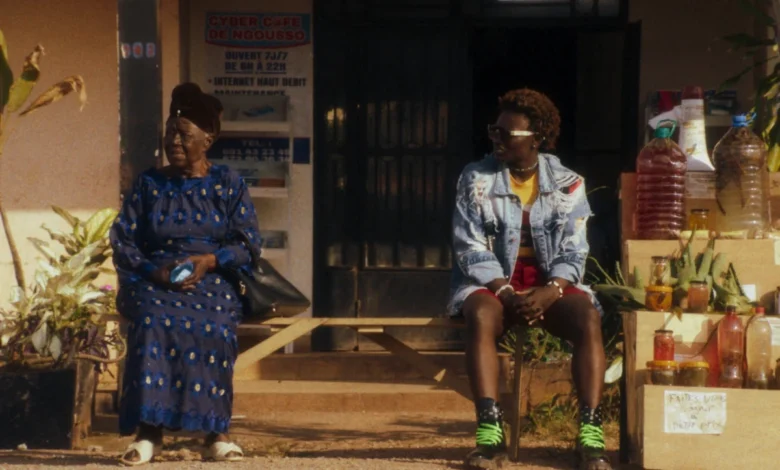
The 23rd edition of the Marrakech International Film Festival concluded this weekend, cementing its status as a pivotal nexus for global cinema. The crowning achievement of the festival was the presentation of the prestigious Etoile d’Or to Cameroonian director Auguste Bernard Kouemo Yanghu for his debut feature, House of the Wind. The film, a nuanced exploration of solitude, aging, and the complex web of intergenerational solidarity, emerged as the clear favorite among an international jury, marking a triumphant moment for African storytelling on the world stage.
The decision to award the top prize to Yanghu was unanimous, according to jury president and acclaimed French actress Marion Cotillard. The film, which first garnered international acclaim at the Venice Film Festival—winning both the Lion of the Future and a Special Jury Prize in the Horizons section—has been hailed for its emotional resonance and aesthetic poise.
A Narrative of Connection and Exile
House of the Wind centers on an elderly woman, portrayed with poignant vulnerability by Josette Kwanya, who constructs a home as a tangible invitation for her children, who have migrated to Europe, to return to their roots in Cameroon. However, the narrative trajectory shifts when an unexpected friendship with a younger woman in her community challenges her long-held perceptions of familial duty and isolation.
Cotillard, leading a jury composed of global cinematic heavyweights including Emma Mackey, Vicky Krieps, and Andrew Haigh, praised the film’s unique perspective. “It is a film that overwhelmed us with its gentleness, the beauty of its direction, and the audacity of its performance,” Cotillard stated during the closing ceremony. She highlighted the film’s thematic departure from standard narratives of migration, noting, “It speaks of exile but chooses to look at those who stay rather than those who leave.”
The Full Roll of Winners and Artistic Recognition
The festival’s competition lineup was noted for its thematic depth, often focusing on the struggles of youth, the weight of history, and the search for identity. Beyond the Etoile d’Or, the jury recognized a diverse array of international talent:
- Jury Prize: Awarded to Mexican filmmaker Fernanda Tovar for Sad Girlz, a perceptive drama that navigates the aftermath of trauma through the lens of a summer friendship between two teenage girls.
- Best Director: Rafiki Fariala received the honor for Congo Boy, a compelling musical drama detailing the life of a young Congolese refugee in a conflict-ridden nation. The film has been widely praised for its rhythmic storytelling and visceral portrayal of resilience.
- Best Actress: A shared award was presented to Maria Nakouzi and Rym Mroue for their performances in the Lebanese heist thriller Furies, directed by Rami Kodeih. The film, which explores the economic desperation of its protagonists, serves as Lebanon’s official submission for the 2027 Academy Awards.
- Best Actor: Béonard Monteau took home the prize for his role in Marie Madeleine, Gessica Généus’s bold reimagining of a foundational biblical narrative, set within a vibrant and contemporary context.
- Special Mention: The jury acknowledged the power of memory and reconciliation in Marie-Clémentine Dusabejambo’s Ben’Imana, a film that explores the complexities of post-genocide Rwanda.
A Record-Breaking Milestone in Marrakech
The 23rd edition of the Marrakech International Film Festival was defined by more than just its accolades; it was a year of unprecedented growth. Festival coordinator Ali Hajji reported that nearly 50,000 attendees participated in this year’s events, shattering the previous year’s record of 45,000.
This growth, however, is being framed by organizers not merely as a quantitative victory, but as an indicator of cultural maturity. For decades, the festival has worked to bridge the gap between global industry professionals and the local Moroccan public. Hajji noted that the increasing willingness of local audiences to engage with experimental, international, and lesser-known works is a primary indicator of the festival’s success.
“Over the years, we have built a genuine relationship of trust with our audiences,” Hajji explained. “The greatest achievement of this edition is the convergence of international recognition and local ownership.”
The Jury: A Global Perspective
The weight of the awards was supported by a jury of remarkable pedigree. The nine-member panel brought together expertise from various corners of the industry, ensuring that the selection process considered both artistic merit and global industry trends. The inclusion of figures such as Kaouther Ben Hania, known for her sharp political documentaries, and Andrew Haigh, recognized for his intimate character studies, allowed the jury to evaluate films through a multi-faceted lens of social commentary and narrative craft.
The presence of Moroccan producer Saïd Hamich Benlarbi ensured that the local industry’s perspective was represented in the high-level deliberations, balancing the international outlook of the festival with the specific, ground-level realities of filmmaking in North Africa.
Strategic Implications and Future Trajectory
As the festival looks toward its future, the leadership is shifting its focus from raw expansion to the deepening of its impact. While attendance figures are significant, the discourse among festival organizers suggests a strategic pivot toward sustaining the "local ownership" that Hajji identified.
The festival has become a critical incubator for emerging filmmakers. By providing a platform for debut works—as seen in the success of House of the Wind and Ben’Imana—Marrakech is positioning itself as a kingmaker for the next generation of auteur cinema. The ability of the festival to integrate these debutantes with established international stars and industry executives fosters a collaborative environment that is increasingly rare in the contemporary film circuit.
Moreover, the focus on youth engagement—a cornerstone of the festival’s multi-year strategy—is paying dividends. The high turnout of young Moroccans at screenings suggests that the festival has moved beyond being an elite industry gathering to becoming a staple of national cultural life. This shift is essential for the sustainability of the arts in the region, as it cultivates a new generation of cinemagoers and potential filmmakers who see their own stories reflected in the international selections presented in Marrakech.
A Reflection on Current Cinema
The winning titles of the 23rd Marrakech Film Festival reflect a broader trend in global cinema: a move toward personal, grounded storytelling that addresses systemic issues through individual experience. Whether it is the economic precarity in Lebanon (Furies), the legacy of genocide in Rwanda (Ben’Imana), or the nuances of African migration (House of the Wind), the films showcased in Marrakech demonstrated a collective effort to find beauty and connection in the face of displacement and instability.
As the festival closes, the industry sentiment is one of optimism. The success of Auguste Bernard Kouemo Yanghu serves as a beacon for emerging directors from the African continent, proving that stories of localized, intimate experiences can command the attention of the global film community.
With the 23rd edition concluded, the Marrakech International Film Festival has not only maintained its reputation as one of the world’s premier cultural events but has also set a new standard for how a festival can balance global prestige with deep, meaningful local integration. The challenge for the next edition will be to maintain this delicate equilibrium, ensuring that as the event grows in scale, it does not lose the intimate, transformative spirit that defines its current success.