Hyundai IONIQ 5 September Deals Bring Aggressive Financing and Lease Incentives Amid Surging US Market Demand


The electric vehicle landscape in the United States continues to evolve at a rapid pace, driven by shifting federal incentives, aggressive manufacturer pricing strategies, and an influx of affordable new models. Among the primary beneficiaries of this shifting consumer market is the Hyundai IONIQ 5, which remains one of the country’s most prominent electric SUVs. Building on robust sales momentum throughout the first half of the year, Hyundai has rolled out a comprehensive package of September promotions. These incentives combine zero-percentage financing options, cash discounts, and competitive lease structures designed to maintain the vehicle’s market share against formidable rivals from Tesla, Toyota, and corporate sibling Kia.
Market Position and Background Context
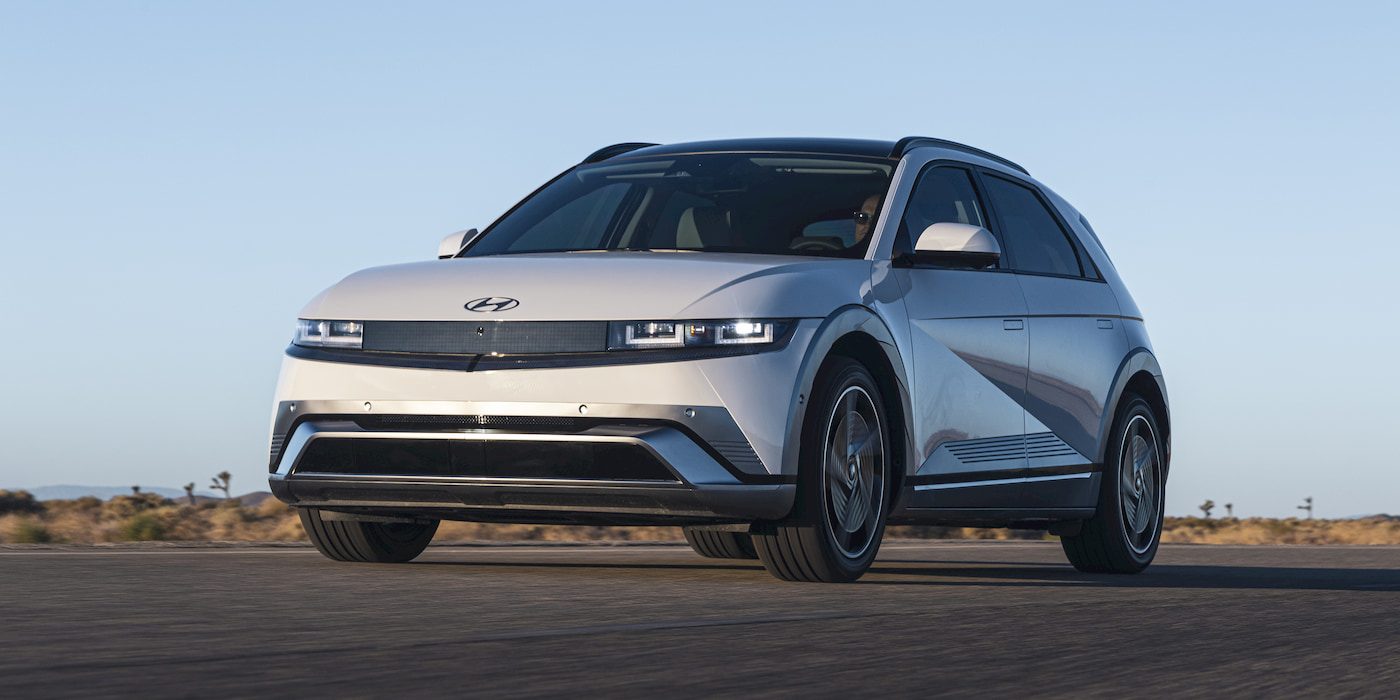
The current commercial success of the IONIQ 5 is deeply rooted in strategic pricing adjustments made by Hyundai late last year. Following the expiration of the federal $7,500 EV tax credit for certain imported or non-compliant models in September of the prior year, automakers were forced to reassess how they priced battery-electric vehicles to remain competitive. Hyundai’s response was decisive: the company restructured the pricing matrix for the 2026 model year IONIQ 5, slashing MSRPs by nearly $10,000 on select trims.
This recalibration positioned the entry-level 2026 Hyundai IONIQ 5 at a starting price of $35,000 (excluding destination charges). By breaking the traditional price barrier for mid-sized electric crossovers, Hyundai successfully captured a massive segment of cost-conscious consumers who were previously priced out of the EV market. Data from the first half of the year underscores this success, showing the IONIQ 5 established itself as the best-selling electric vehicle in the United States across all non-Tesla nameplates. It captured the attention of mainstream buyers looking for a blend of utility, advanced charging architecture, and everyday driving range.
September Promotional Structure: Financing and Cash Discounts
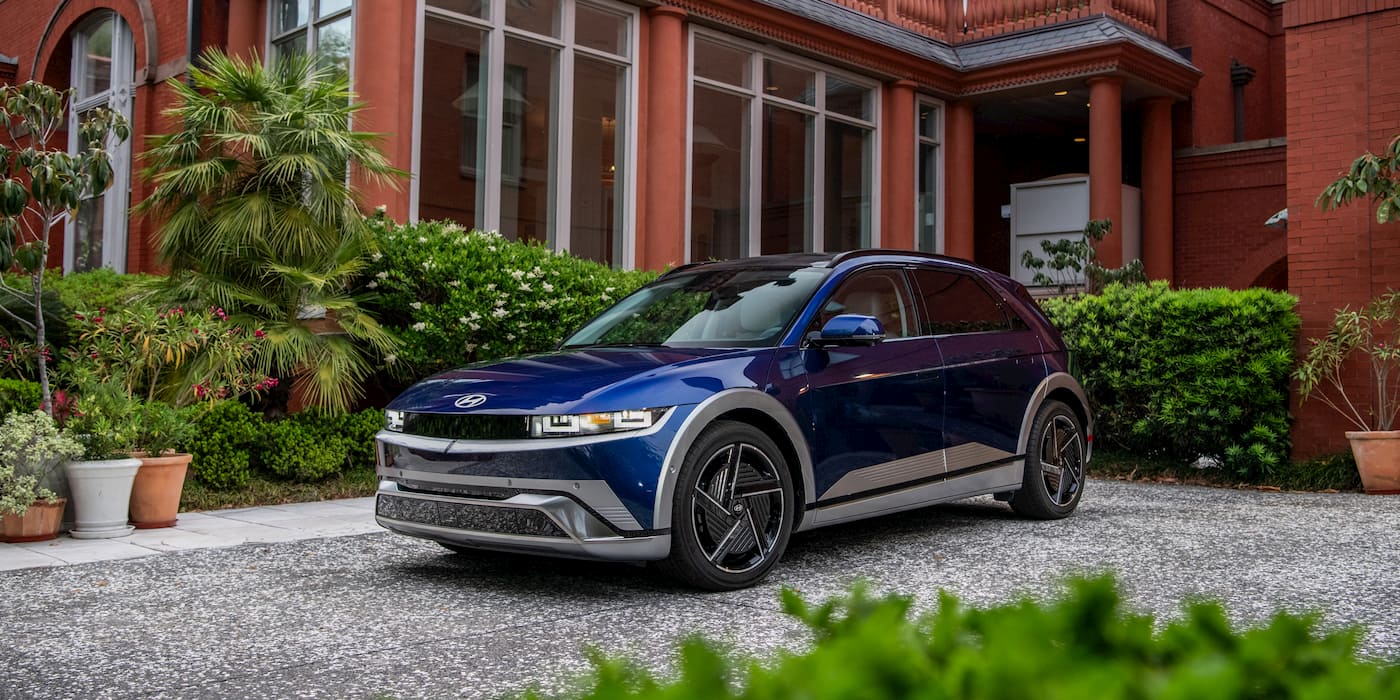
For prospective buyers eyeing a purchase rather than a lease, Hyundai’s September promotional campaign offers substantial financial relief, particularly in an economic environment characterized by elevated interest rates. The headline offer features 0% APR financing for up to 60 or 72 months on select model trims, paired with a deferred payment structure that allows buyers to delay their first monthly installment for up to 90 days.
Alternatively, customers who prefer an outright purchase discount rather than promotional financing can access direct manufacturer rebates of up to $3,000 to $5,000 depending on the region and specific trim configuration. Industry analysts note that offering zero-percent financing is one of the most effective tools an automaker can deploy to stimulate showroom traffic, effectively shielding buyers from hundreds or thousands of dollars in cumulative interest charges over the life of the loan.
Regional Lease Offers and Strategic Incentives
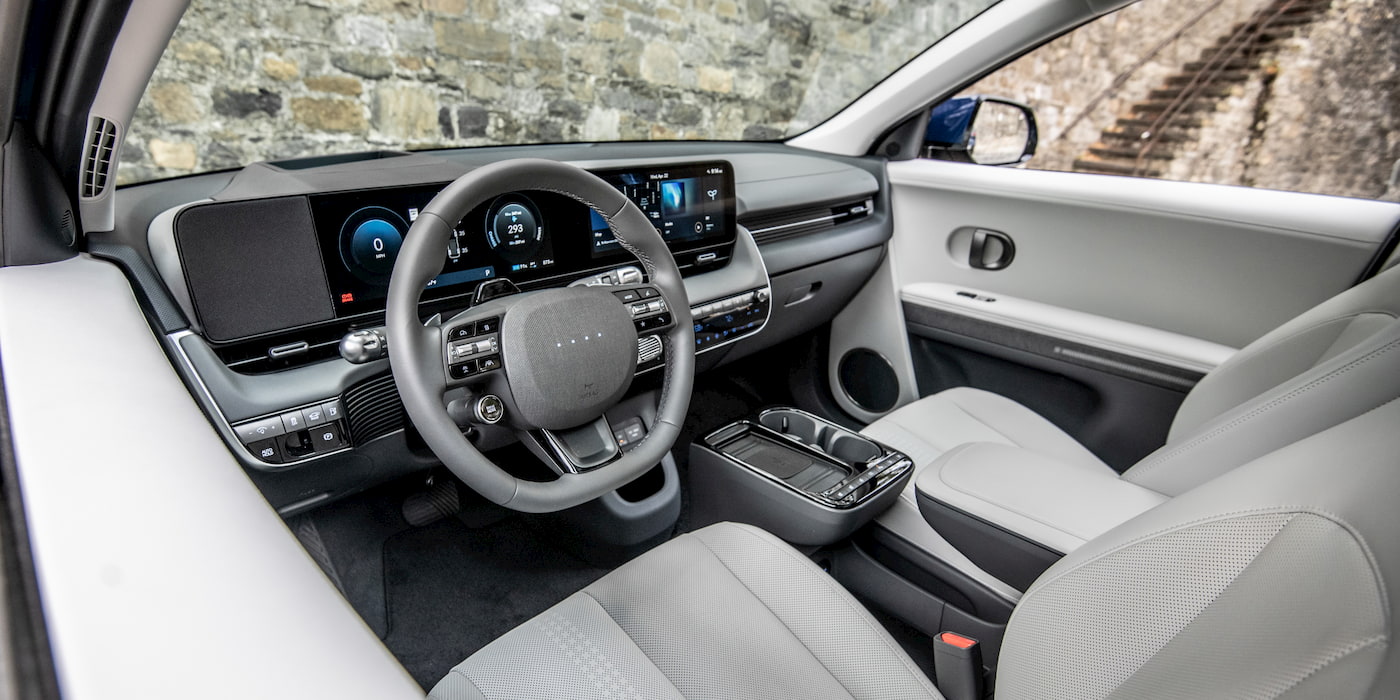
Leasing remains a favored acquisition method for electric vehicle buyers, largely due to how manufacturers pass along commercial leasing loopholes to consumers, thereby bypassing strict federal purchase tax credit restrictions. For September, Hyundai’s leasing framework varies slightly by geographic market, with aggressive subsidies concentrated in key EV adoption hubs like California.
In California, promotional leases for the entry-level configurations start at $329 per month for a 24-month term, with an initial payment of $4,999 due at signing. Qualified buyers in the state may also stack these promotions with regional programs such as the $3,500 "MyFirstEV" incentive, lowering the barrier to entry even further.
Outside of California, Hyundai has structured a nationwide program offering up to $5,000 in total savings. Leases in these broader markets start slightly lower at $319 per month for a 24-month duration, requiring the same $4,999 down payment. While this represents a modest $10 monthly increase compared to August promotional rates, industry observers point out that the overall value proposition remains remarkably high given the vehicle’s technological feature set and interior packaging.
Trim Analysis: Navigating Range and Price Trade-offs
A detailed examination of the 2026 IONIQ 5 lineup reveals distinct choices for consumers balancing upfront cost against driving range and performance.
The baseline IONIQ 5 SE RWD Standard Range starts at $35,000 with a monthly lease of $319, offering an EPA-estimated driving range of 245 miles. However, automotive analysts frequently advise buyers to evaluate the step-up SE RWD trim, which lists for a starting price of $37,500 and a monthly lease rate of just $329—only $10 more per month than the base model. Crucially, the standard SE RWD dramatically expands the vehicle’s utility by providing an EPA-estimated driving range of up to 318 miles on a single charge, courtesy of a larger battery pack.
Further up the hierarchy, the mid-tier SEL RWD is priced at $39,800 ($369/month lease), while the luxury-focused Limited RWD commands $45,075 ($459/month lease), both retaining the 318-mile range. For consumers prioritizing winter traction or enhanced dynamics, dual-motor All-Wheel Drive (AWD) variants are available. The SE Dual Motor AWD starts at $41,000 ($379/month lease) with a 290-mile range, scaling up to the rugged XRT Dual Motor AWD at $46,275 ($459/month lease, 259 miles of range) and the flagship Limited Dual Motor AWD at $48,975 ($509/month lease, 269 miles of range). All stated pricing excludes the standard $1,600 destination freight charge.
Competitive Landscape: How Hyundai Stacks Up Against Toyota, Tesla, and Kia
The aggressively priced IONIQ 5 does not operate in a vacuum. It competes directly within a fiercely contested segment that includes updated offerings from legacy automakers and pure-play EV manufacturers alike.

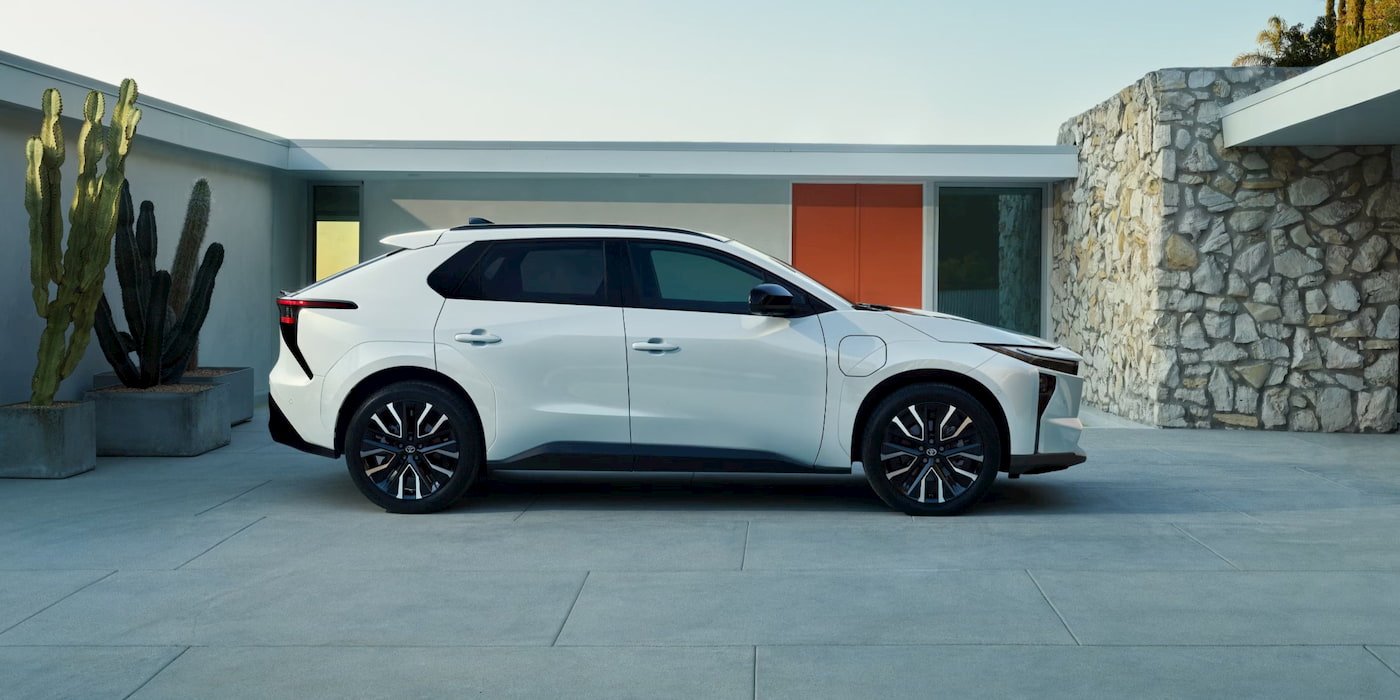
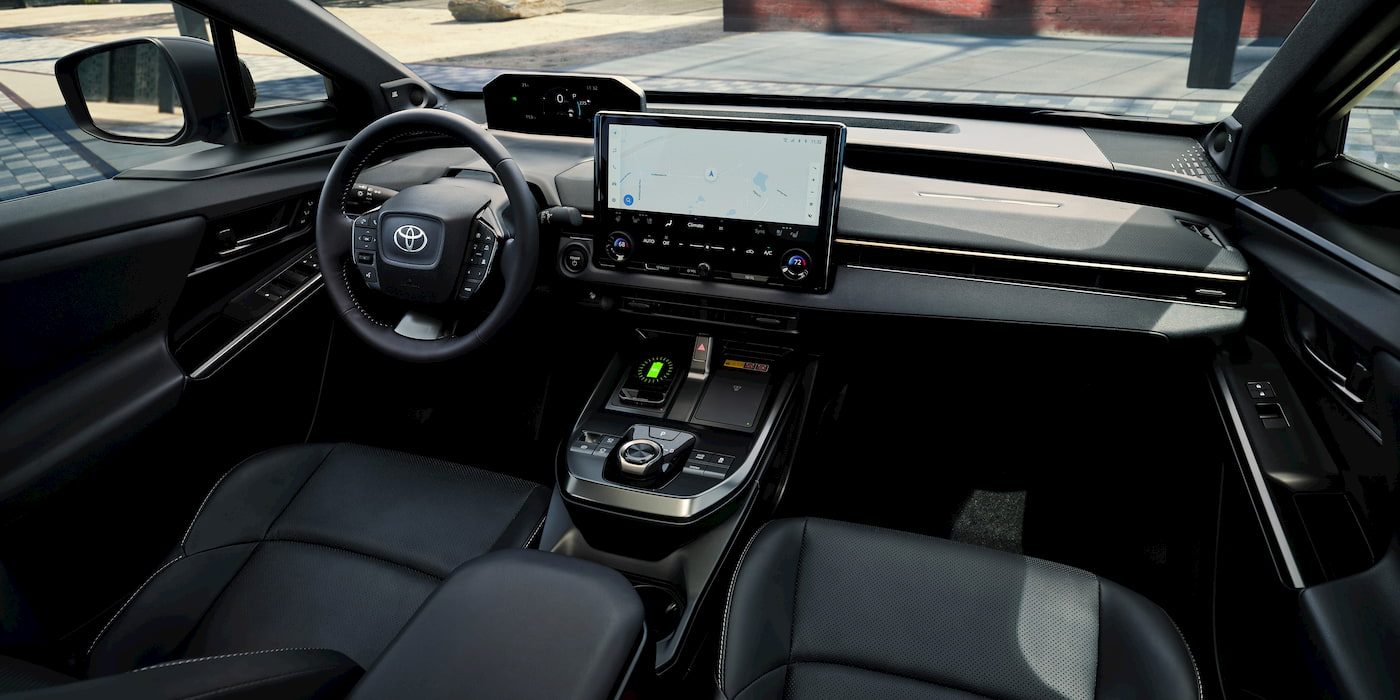
Toyota, whose redesigned bZ electric SUV secured the fourth position in overall US EV sales during the first half of the year, serves as a primary benchmark. The 2026 Toyota bZ starts at $34,900, closely mirroring the entry point of the IONIQ 5. Toyota’s promotional financing features a 1.49% APR for up to 72 months. On the leasing side, the bZ XLE is listed at $449 per month for 36 months with $3,970 due at signing. Upgrading to the XLE Plus variant—which extends the driving range from 236 miles to a more competitive 314 miles—brings the lease cost to $459 per month with $3,999 due at signing. When factoring in all upfront and monthly obligations, the effective cost of leasing a Toyota bZ sits around $559 per month, making it noticeably more expensive than the effective $527 monthly cost associated with an entry-level IONIQ 5 lease.
When measured against the market leader, the Tesla Model Y, Hyundai’s pricing strategy appears even more disruptive. The base Tesla Model Y RWD, which boasts up to 321 miles of range, is advertised for lease starting at $499 per month for a 36-month term with $4,195 due at signing. This translates to an effective monthly cost of approximately $615, placing a significant premium on the Tesla nameplate compared to Hyundai’s incentivized crossovers.
Meanwhile, corporate cousin Kia introduces another compelling alternative with the newly launched Kia EV3. The 2027 Kia EV3 Light starts at an economical $29,890 with a 221-mile range, while the long-range EV3 Wind starts at $34,990 with a 321-mile range. Promotional leases for the EV3 Wind FWD are set at $349 per month for 36 months with $3,999 due at signing, yielding an effective rate of $460 per month. While the EV3 offers a lower overall monthly payment, automotive reviewers note that the IONIQ 5 provides a larger physical footprint, faster ultra-fast charging capabilities utilizing Hyundai Motor Group’s E-GMP architecture, and a more expansive interior volume.

Broader Implications and Market Outlook
The aggressive September promotional push by Hyundai highlights a broader trend within the automotive industry: manufacturers are actively utilizing subsidized leases and low-interest financing to maintain production volume and protect market share against softening consumer sentiment regarding high upfront vehicle costs.
By strategically absorbing financing costs through 0% APR offers and regional lease cash, Hyundai is successfully insulating buyers from macroeconomic pressures such as persistent inflation and elevated lending rates. For consumers currently shopping in the electric vehicle market, these combined manufacturer incentives present a narrow window of opportunity to acquire a top-tier, long-range electric SUV at a price point that rivals traditional internal combustion engine vehicles. As automakers continue to adjust their pricing levers heading into the final quarter of the year, the pressure will remain on competitors to match or exceed these aggressive financial terms to capture consumer interest.