Azerbaijan GP: Max Verstappen fastest in challenging final practice to usurp George Russell and Mercedes ahead of Qualifying

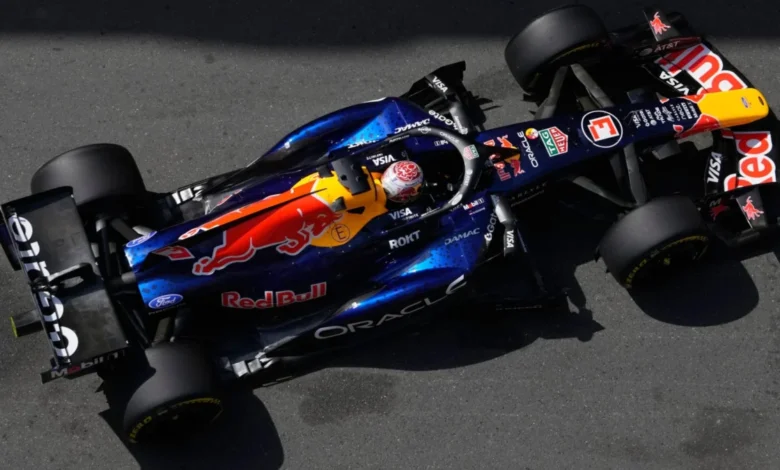
The final practice session at the Baku City Circuit proved to be a volatile affair as gusty, unpredictable winds swept across the Caspian Sea, wreaking havoc on the delicate aerodynamic balance of the 2026-spec Formula 1 machines. While Mercedes had appeared to be the team to beat during Thursday’s calm opening sessions, the shift in atmospheric conditions forced a rapid recalibration of car setups. The circuit, notorious for its narrow, wall-lined sections and the dauntingly long main straight, demanded absolute precision, yet the gusty conditions saw several drivers suffer off-track excursions as they struggled to find grip.
The Duel for Dominance
Max Verstappen, eager to assert his authority after a challenging start to the weekend, steadily increased his pace throughout the hour. By the time he bolted on the soft-compound Pirelli tires, the Red Bull driver was able to extract a lap time of 1:43.922. This performance effectively ended George Russell’s streak of dominance, pushing the Mercedes driver into second place, a mere 0.099 seconds behind.
Lewis Hamilton followed closely in third, finishing just 0.111 seconds off the pace. The inclusion of Ferrari in the mix, particularly with Hamilton showing strong one-lap speed, suggests that the gap between the top three teams—Red Bull, Mercedes, and Ferrari—has compressed significantly compared to the early-season form.
The session was defined by the strategic use of "tows"—the aerodynamic phenomenon where a car follows another to reduce drag on the long, flat-out sections of the circuit. Hamilton, much like Verstappen earlier in the year, utilized a tow on his final flying lap to maximize his straight-line speed. With the wind set to remain a volatile factor throughout the afternoon, the tactical coordination between teammates during the upcoming Qualifying session will be paramount.
Technical Challenges of the Baku Circuit
The Baku City Circuit remains one of the most technical and unforgiving venues on the Formula 1 calendar. The track is a hybrid of high-speed sections and tight, twisty corners that require low-downforce setups, yet the wind gusts at the 2026 edition of the race have introduced a new layer of complexity.
Data collected during the final practice session indicated that the sudden changes in wind direction were causing mid-corner oversteer for several drivers, particularly in the tricky sequence through the Old Town sector. The wall-lined nature of this narrow section leaves zero margin for error; any miscalculation, even by a few centimeters, often results in significant structural damage or a premature end to a session.
Kimi Antonelli, currently leading his teammate George Russell by 81 points in the championship standings, secured the fourth fastest time. His ability to navigate the session with composure reinforces the strength of the Mercedes package, even as the team grapples with the erratic weather. Charles Leclerc rounded out the top five for Ferrari, confirming that the Scuderia remains a major contender for the front row of the grid.
The Implications for Qualifying
With the field so tightly bunched, the Qualifying session—scheduled for 1:00 PM local time—is expected to be one of the most competitive of the season. Sky Sports F1 commentator David Croft highlighted the significance of the session, noting, "The weather has brought us the possibility of an absolutely fascinating and dramatic qualifying to come. These are not easy conditions out there by any stretch of the imagination."
The primary concern for engineers and drivers heading into the afternoon is the impact of the wind on the cars’ floor-effect aerodynamics. The 2026 regulations place a heavy emphasis on ground-effect, and sudden shifts in wind speed can cause the cars to lose downforce instantly, leading to "porpoising" or complete loss of control.
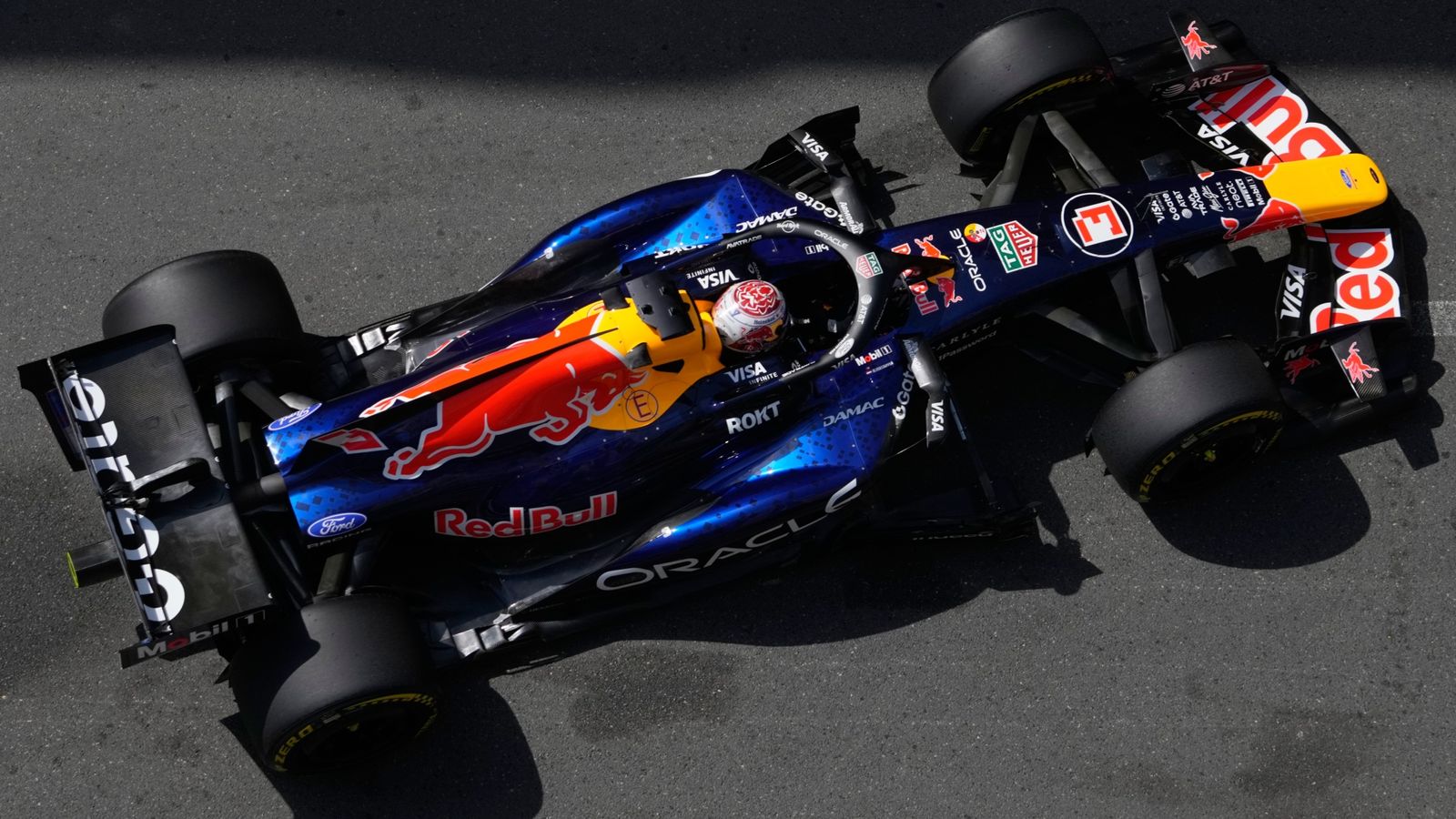
Furthermore, the "tow" factor is expected to dominate the strategic conversations on the pit wall. Because the main straight at Baku is nearly 2.2 kilometers long, drivers who manage to find a clean tow from a rival can gain upwards of three-tenths of a second. However, this creates a secondary risk: traffic congestion in the final sector as drivers jockey for position to ensure they are close enough to a car ahead to benefit from the draft, but not so close that their own aerodynamic balance is disrupted.
Championship Context and Weekend Schedule
The 2026 season has been a testament to shifting fortunes, and the Azerbaijan Grand Prix marks a critical juncture in the calendar. As the first of a demanding triple-header, the result in Baku could set the tone for the final stretch of the championship.
The weekend format in Baku is unconventional, with the Grand Prix itself taking place on Saturday at midday. This shift necessitates an aggressive approach to Friday’s Qualifying, as teams have less time to analyze data before the race starts.
The Remaining Weekend Schedule:
-
Friday, September 25:
- 11:10 AM: F2 Feature Race 1
- 12:30 PM: Azerbaijan GP Qualifying build-up
- 1:00 PM: Azerbaijan GP Qualifying (Live on Sky Sports F1/Main Event)
- 3:00 PM: Ted’s Qualifying Notebook
-
Saturday, September 26:
- 7:55 AM: F2 Feature Race 2
- 10:30 AM: Grand Prix Sunday: Azerbaijan GP build-up
- 12:00 PM: The Azerbaijan Grand Prix (Live on Sky Sports F1/Main Event)
- 2:00 PM: Chequered Flag: Azerbaijan GP reaction
- 3:00 PM: Ted’s Notebook
Analyzing the Competitive Landscape
Looking at the lap-time telemetry, it is evident that while Red Bull maintains a slight edge in top-end speed, Mercedes has made significant strides in cornering stability. Ferrari, meanwhile, appears to be running a slightly higher-downforce configuration, which may offer them an advantage in tire preservation during the race, provided they can remain competitive on the straights during qualifying.
The 81-point gap between Antonelli and Russell is a significant margin, yet the internal competition remains fierce. Antonelli’s ability to remain in the top four during a challenging practice session demonstrates that he is not currently suffering from "championship pressure," a factor that often affects younger drivers in their debut seasons.
As the paddock prepares for the intensity of Qualifying, the focus will undoubtedly shift to the garage walls. With the wind showing no sign of subsiding, the drivers who can best manage the mechanical unpredictability of their cars will be the ones standing on the podium on Saturday. The track evolution in Baku is usually significant, with the rubber laid down by the support categories helping to improve grip, but the wind acts as a "reset button" that keeps the drivers constantly on edge.
Ultimately, the Azerbaijan Grand Prix represents a test of nerve as much as it is a test of engineering. With the field separated by mere hundredths of a second, even the smallest tactical error—a mistimed exit from the pits, a failed attempt to catch a tow, or a slight adjustment to the front wing angle—could be the difference between pole position and a mid-field start. As the teams head into the final hours before the session, the anticipation in the Baku pit lane is palpable. The wind may be blowing, but the competition is heating up, and the stage is set for a pivotal Saturday in the 2026 Formula 1 World Championship.