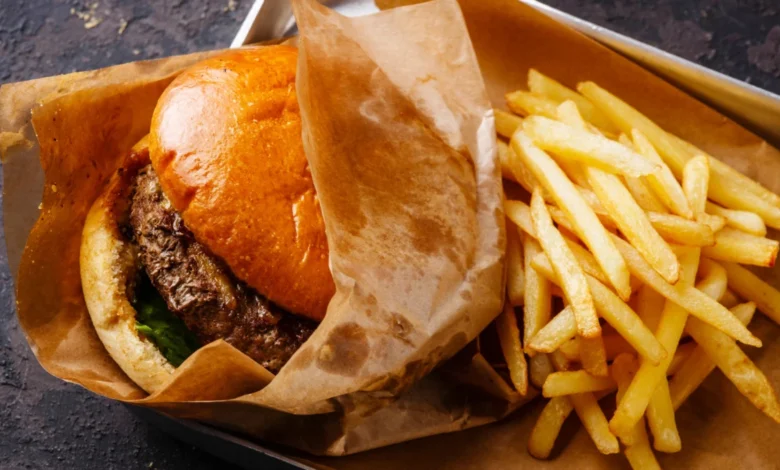
Among the most prominent names in this category are In-N-Out Burger, White Castle, and Five Guys Burgers and Fries. While these chains vary significantly in their operational philosophies and geographical reach, they share a common thread: their trajectories have been guided by the founding families through multiple generations. This family-owned status has allowed these companies to prioritize long-term brand integrity over short-term quarterly earnings, a strategy that has cultivated fierce customer loyalty and distinct market niches.
The Genesis of the Modern Fast Food Industry: White Castle
White Castle holds a unique position in American history as the world’s first fast-food hamburger chain. Founded in 1921 in Wichita, Kansas, by E.W. "Billy" Ingram and Walt Anderson, the company recently celebrated over a century of continuous operation. At the time of its founding, ground beef was viewed with skepticism by the American public, largely due to concerns regarding sanitation and quality highlighted in contemporary literature such as Upton Sinclair’s The Jungle. Ingram and Anderson sought to change this perception by creating a restaurant environment that emphasized cleanliness and transparency, characterized by white porcelain exteriors and stainless steel interiors.
The "slider"—a small, square burger steam-grilled over a bed of onions—became the cornerstone of the White Castle menu. By 1921, these burgers were sold for five cents, making them accessible to the working class during the post-World War I era. Unlike many of its competitors that emerged decades later, White Castle has never embraced the franchising model. Every one of its nearly 350 locations is owned and operated by the Ingram family. This decision has been instrumental in maintaining the chain’s "vertically integrated" business model. The company operates its own bakeries, meat-processing plants, and even a division that manufactures its signature stainless steel equipment.
In November 2023, White Castle reached a historic milestone, surpassing 30 billion sliders sold since its inception. This achievement underscores the effectiveness of its generational leadership, currently headed by Lisa Ingram, the fourth generation of the family to serve as CEO. By maintaining private ownership, White Castle has been able to innovate at its own pace, such as becoming the first fast-food chain to offer the plant-based Impossible Burger nationwide, without the immediate pressure to satisfy external shareholders.
The Cult of Consistency: In-N-Out Burger
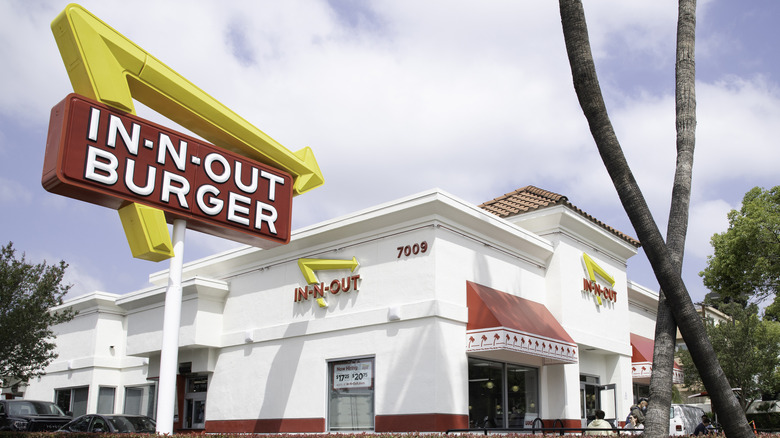
While White Castle pioneered the fast-food concept in the Midwest, In-N-Out Burger revolutionized the experience on the West Coast. Founded in 1948 by Harry and Esther Snyder in Baldwin Park, California, In-N-Out began as a humble 100-square-foot stand. The Snyders are credited with inventing the modern drive-thru experience by introducing a two-way speaker system, allowing customers to order from their vehicles without the need for carhops. This innovation streamlined operations and set the standard for the entire industry.
In-N-Out’s business philosophy is defined by a rigorous commitment to freshness and simplicity. The menu has remained virtually unchanged for decades, focusing on burgers, fries, and shakes. The company’s refusal to use freezers, heat lamps, or microwaves necessitates that every restaurant be located within a day’s drive of an In-N-Out distribution center. This logistical requirement has historically limited the chain’s expansion, confining it largely to the Western United States and Texas. However, the company recently announced plans to expand into Tennessee, signaling a strategic shift into the Eastern market while maintaining its strict quality control standards.
The ownership of In-N-Out remains entirely within the Snyder family. Following the deaths of Harry and Esther, and their sons Guy and Rich, the company passed to Lynsi Snyder, the founders’ granddaughter. As one of the youngest female billionaires in the United States, Lynsi Snyder has been vocal about her intention to never take the company public or sell it. "We’re not changing the system because of a few more dollars," she has stated in various interviews, echoing the sentiment that family ownership is the primary safeguard of the brand’s "quality, friendliness, and cleanliness" (QFC) mantra. This dedication has resulted in In-N-Out consistently ranking at the top of consumer satisfaction surveys, often outpacing larger competitors in brand equity.
The Power of Rapid Scale: Five Guys Burgers and Fries
Five Guys represents a different trajectory within the realm of family-owned burger chains. Founded in 1986 in Arlington, Virginia, by Jerry and Janie Murrell and their sons, the brand initially operated as a local favorite in the Washington, D.C., metropolitan area. The name "Five Guys" refers to the five Murrell brothers: Jim, Matt, Chad, Ben, and Tyler. The family’s entry into the restaurant business was born from a pragmatic choice Jerry Murrell gave his sons: "Start a business or go to college." They chose the former.
For the first 15 years of its existence, Five Guys focused on perfecting its "no-frills" approach. The brand is famous for using only peanut oil for frying and ensuring that no freezers exist in any of its locations—only coolers. In 2003, the Murrells made a pivotal decision that separated them from the models of White Castle and In-N-Out: they began franchising. This move catalyzed an explosion in growth. Within 18 months, the company had sold over 300 franchise units.
Today, Five Guys operates more than 1,700 locations globally, including significant footprints in the United Kingdom, Europe, the Middle East, and Asia. Despite this massive expansion and the involvement of numerous franchisees, the Murrell family retains majority ownership and continues to manage the company’s core operations. Jerry Murrell remains the CEO, and all five sons are involved in various capacities, from overseeing construction to managing the supply chain. This balance of family leadership and a franchising model has allowed Five Guys to become one of the fastest-growing restaurant chains in the world while maintaining a reputation for premium, customizable burgers.
Comparative Analysis and Industry Implications
The success of these three chains highlights a significant trend in the food and beverage industry: the value of "brand authenticity." In an era where many fast-food chains are criticized for overly processed ingredients and impersonal service, the family-owned status of White Castle, In-N-Out, and Five Guys serves as a powerful marketing tool. It suggests a level of accountability and passion that is often perceived as lacking in corporate-owned entities.
From a financial perspective, the decision to remain family-owned offers several advantages. These companies are not beholden to the short-termism of Wall Street, which often demands constant quarterly growth at the expense of long-term brand health. This autonomy allows In-N-Out to pay its employees significantly above the industry average, contributing to lower turnover rates and better service. It allows White Castle to maintain its unique steaming process, which is more labor-intensive than the automated systems used by larger rivals.
However, the family-owned model also presents challenges, particularly regarding succession planning and capital for expansion. While Five Guys solved the capital issue through franchising, In-N-Out and White Castle must fund their growth through internal cash flow. Furthermore, the transition of power between generations can be fraught with legal and emotional complexities. In-N-Out, for instance, navigated several decades of family tragedies before stabilizing under Lynsi Snyder’s leadership.
Conclusion and Future Outlook
As the burger market continues to evolve with the rise of "fast-casual" dining and the increasing popularity of meat alternatives, the roles of In-N-Out, White Castle, and Five Guys will likely remain influential. These chains have proven that there is a viable middle ground between the local "hole-in-the-wall" joint and the massive, publicly traded corporation.
The enduring nature of these family businesses suggests that the American consumer values more than just convenience and price; they value a story and a sense of continuity. Whether it is the century-old legacy of the Ingrams, the uncompromising standards of the Snyders, or the entrepreneurial spirit of the Murrells, these families have fundamentally shaped how the world perceives and consumes the quintessential American hamburger. As they look toward the next century of business, their primary challenge will be to maintain that family-centric soul while navigating an increasingly digital and globalized marketplace.