The Ultimate Guide to Spaghetti Aglio e Olio: Naples’ Historic Culinary Gift to the Exhausted Home Cook

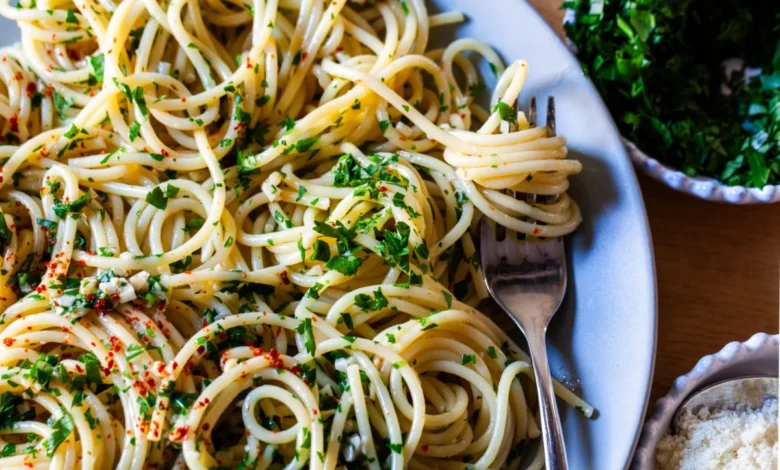
Spaghetti aglio e olio remains one of the most enduring testaments to the principle that culinary excellence does not require complexity. Hailing from the historic coastal city of Naples in the Campania region of Italy, this humble yet profoundly flavorful pasta dish has traversed centuries and international borders to become a staple of global home cooking. At a time when consumers increasingly seek efficient, budget-friendly meal solutions without sacrificing quality, spaghetti aglio e olio offers a masterclass in minimalist gastronomy. Utilizing only a handful of pantry staples—spaghetti, extra virgin olive oil, garlic, red pepper flakes, and salt—this traditional Neapolitan recipe delivers a high-impact sensory experience that continues to captivate food historians, professional chefs, and fatigued home cooks alike.
Historical Origins and Cultural Evolution of Aglio e Olio
To understand the enduring popularity of spaghetti aglio e olio, one must examine its origins within the working-class neighborhoods of Naples. Historically, Neapolitan cuisine has been defined by cucina povera—the cooking of the impoverished—where resourcefulness and seasonal availability dictated the menu. Unlike northern Italian culinary traditions that frequently rely on rich butter and heavy cream sauces, southern Italian cooking maximizes the aromatic potential of indigenous agricultural products, notably olive oil and garlic.

Food historians trace the evolution of aglio e olio back several centuries, noting its initial adoption by laborers and sailors who required calorie-dense, shelf-stable provisions. Garlic and olive oil were inexpensive, readily available, and possessed natural preservative qualities. Over time, the dish evolved from a survival meal into a celebrated regional delicacy. By the late 19th and early 20th centuries, as waves of Italian immigrants relocated to urban centers across the Americas and Europe, recipes like aglio e olio traveled with them, adapting to local ingredient availability while maintaining their foundational techniques.
Anatomy of a Masterpiece: The Science and Technique
Despite its deceptively simple ingredient list—pasta, garlic, oil, and chili—the success of spaghetti aglio e olio hinges entirely on precise culinary technique. Culinary scientists and chefs emphasize that the dish relies on the creation of a stable emulsion, formed by combining starchy pasta cooking water with hot olive oil and garlic.
The process begins by boiling high-quality durum wheat spaghetti in well-salted water until it reaches an al dente texture, typically one to two minutes shy of package instructions. A critical step in the preparation involves reserving a cup of the starchy pasta water prior to draining. Unlike traditional American preparations where oil is heated to a high temperature before adding ingredients, authentic technique dictates starting with a cold pan. Olive oil, thinly sliced or minced garlic, and crushed red pepper flakes are placed into the skillet simultaneously before the heat is applied. This method prevents the delicate sugars in the garlic from scorching and turning bitter, ensuring a slow, even release of aromatic compounds into the oil.

Once the garlic takes on a pale golden hue, the drained spaghetti and a portion of the reserved starchy water are introduced to the pan. Vigorous stirring over medium heat causes the starch from the water to bind with the oil and fat, resulting in a glossy, clinging sauce that coats every strand of pasta uniformly. The dish is typically finished with fresh flat-leaf parsley and, depending on regional and personal preference, a final drizzle of raw extra virgin olive oil. While traditional Neapolitan recipes omit cheese, contemporary interpretations frequently incorporate grated Parmigiano-Reggiano or Pecorino Romano, reflecting the culinary fusion characteristic of modern home kitchens.
Economic and Nutritional Implications in Modern Gastronomy
The resurgence of interest in minimalist pasta dishes aligns closely with broader socioeconomic trends affecting household budgets and consumer behavior. Economic pressures, inflation, and fluctuating grocery prices have prompted a significant shift toward scratch cooking and the utilization of long-shelf-life pantry staples. According to retail data and consumer spending analyses, staples such as dried pasta, bulk olive oil, and root vegetables experienced sustained demand increases as households sought cost-effective nutritional solutions.
Nutritionally, spaghetti aglio e olio offers a balanced profile characteristic of the traditional Mediterranean diet, which has been extensively studied for its cardiovascular benefits. Extra virgin olive oil provides a rich source of monounsaturated fats and powerful antioxidants, while garlic contains bioactive compounds such as allicin, associated with immune support and anti-inflammatory properties. Furthermore, the reliance on plant-based ingredients makes the dish inherently adaptable to various dietary requirements, including vegetarian and vegan lifestyles.

Adaptability and Versatility Across Culinary Landscapes
One of the primary drivers of the recipe’s longevity is its exceptional adaptability. Culinary professionals often categorize aglio e olio as a foundational "blank canvas" recipe. While traditionalists advocate for its purest form, home cooks frequently customize the dish based on seasonal availability and refrigerator inventory. Common additions include wilted leafy greens such as spinach or kale, diced roasted vegetables nearing the end of their shelf life, or proteins like grilled shrimp, pan-seared chicken thighs, or anchovies for an added umami dimension.
This flexibility has made the recipe a favorite among vacation rental travelers, university students, and busy professionals who require reliable, low-stress meal solutions at the end of long workdays. The minimal cleanup required—typically restricted to a single pot and a skillet—further enhances its appeal in contemporary fast-paced environments.
Global Cultural Impact and Media Presence

In the digital age, aglio e olio has experienced a profound renaissance across social media platforms, culinary blogs, and streaming video networks. The visual and auditory appeal of garlic sizzling in olive oil has made it a viral favorite on platforms like TikTok and Instagram, where short-form cooking demonstrations regularly garner millions of views. Food media figures and celebrity chefs frequently revisit the dish to demonstrate foundational knife skills, emulsion science, and pan control, reinforcing its status as an essential benchmark of culinary competence.
Furthermore, popular culture has cemented the dish’s status as a symbol of comfort and culinary redemption. Feature films and television series frequently depict characters preparing aglio e olio during moments of personal reflection or late-night gatherings, romanticizing its status as the ultimate culinary comfort food.
Conclusion and Future Outlook
As culinary trends continue to oscillate between hyper-elaborate molecular gastronomy and simplified home cooking, spaghetti aglio e olio remains anchored in its timeless appeal. Its success proves that superior flavor is not a byproduct of ingredient quantity, but rather of technique, timing, and respect for quality produce. Whether served as a rapid weeknight dinner or showcased as a masterclass in classic technique, the enduring legacy of Naples’ famous pasta dish ensures its place in kitchens around the world for generations to come.