Reflections on Thanksgiving 2026 and the Evolving Landscape of Holiday Consumerism

The Thanksgiving holiday, traditionally observed on the fourth Thursday of November in the United States, represents a significant cultural and economic milestone. In 2026, the holiday served as a microcosm for the broader shifts in social hosting trends and the accelerating influence of the Black Friday retail cycle. As families across the country gathered on November 26, the event underscored a departure from formal, external dining plans in favor of home-based, collaborative hospitality, even as the retail sector intensified its digital-first strategies to capture post-holiday consumer spending.
The Shift Toward Domestic Hospitality
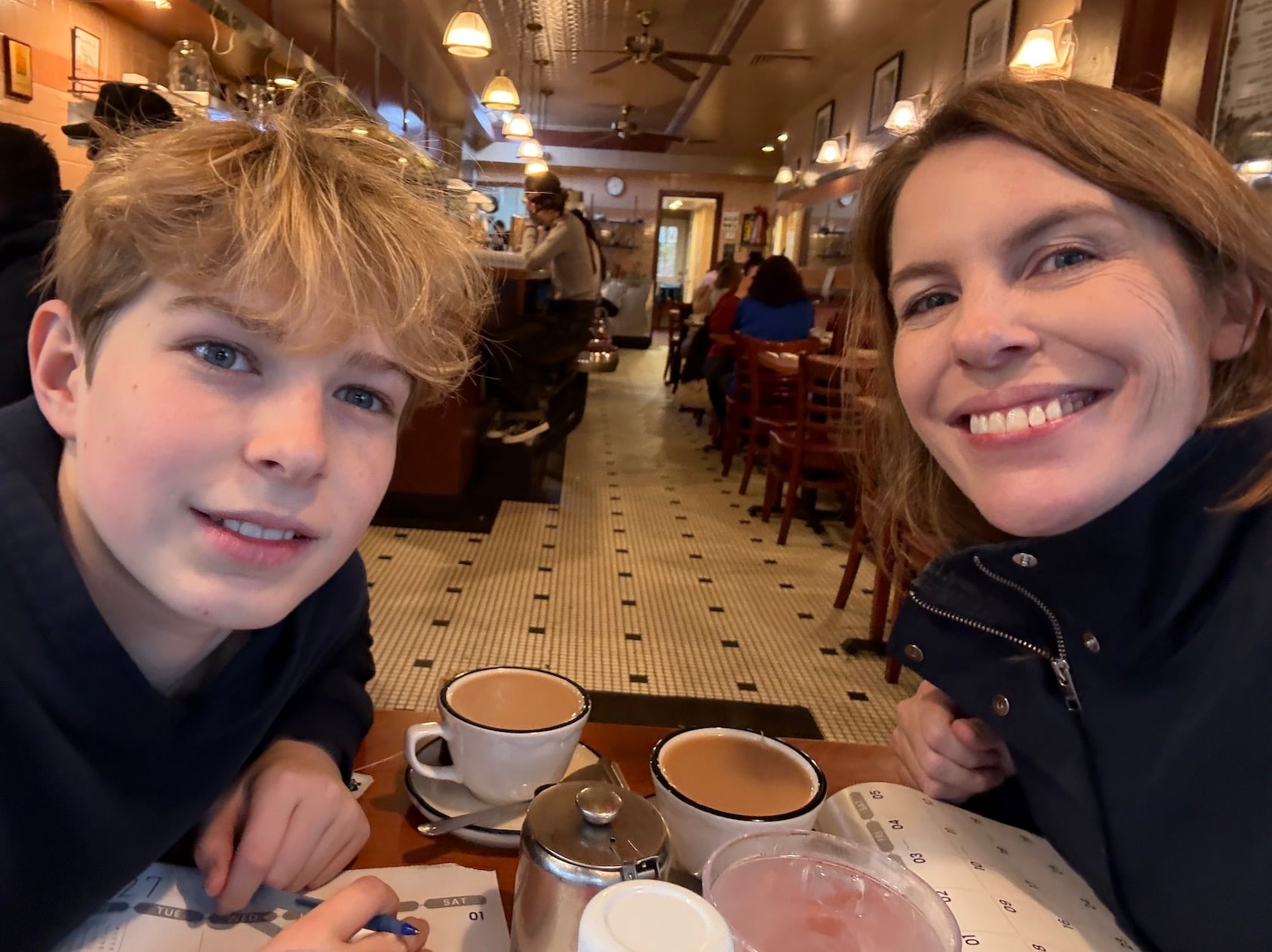
The lead-up to the 2026 holiday season saw a notable trend toward the "restaurant Thanksgiving"—a concept driven by a desire to alleviate the labor-intensive nature of hosting. However, logistical realities often superseded these intentions. Data from hospitality industry observers suggests that while restaurant bookings for Thanksgiving reached near-record levels in early November, a significant percentage of households pivoted back to domestic hosting in the final days before the holiday.
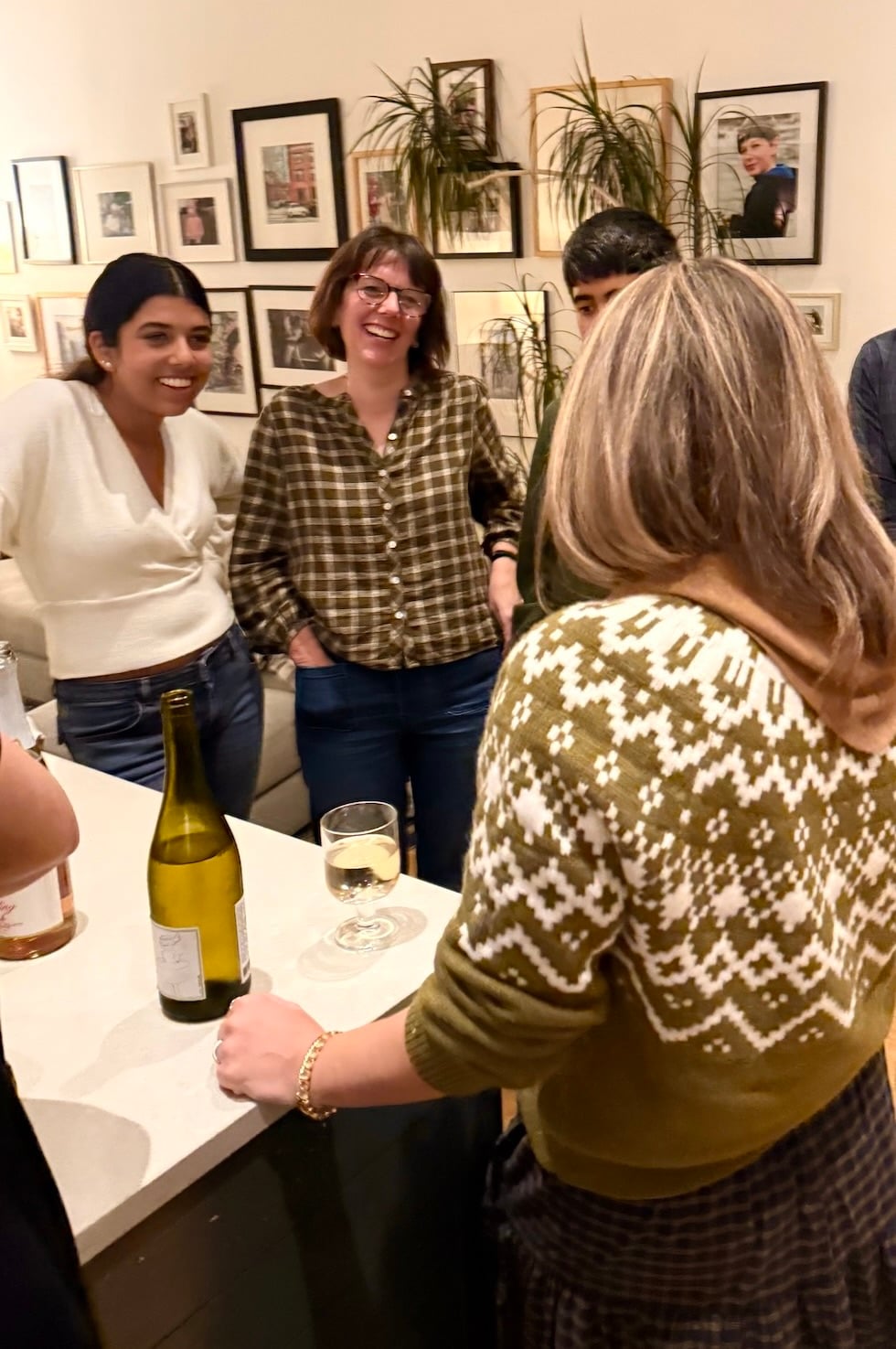
This return to the home environment was marked by a communal approach to meal preparation. Rather than a singular host managing the entirety of the menu, the "potluck-style" assembly—where guests contribute specific courses such as salads, vegetables, and desserts—became the standard. This shift not only mitigates the financial and physical burden on the primary host but also reflects a broader societal preference for informal, collaborative social interactions.

Chronology of the Gathering
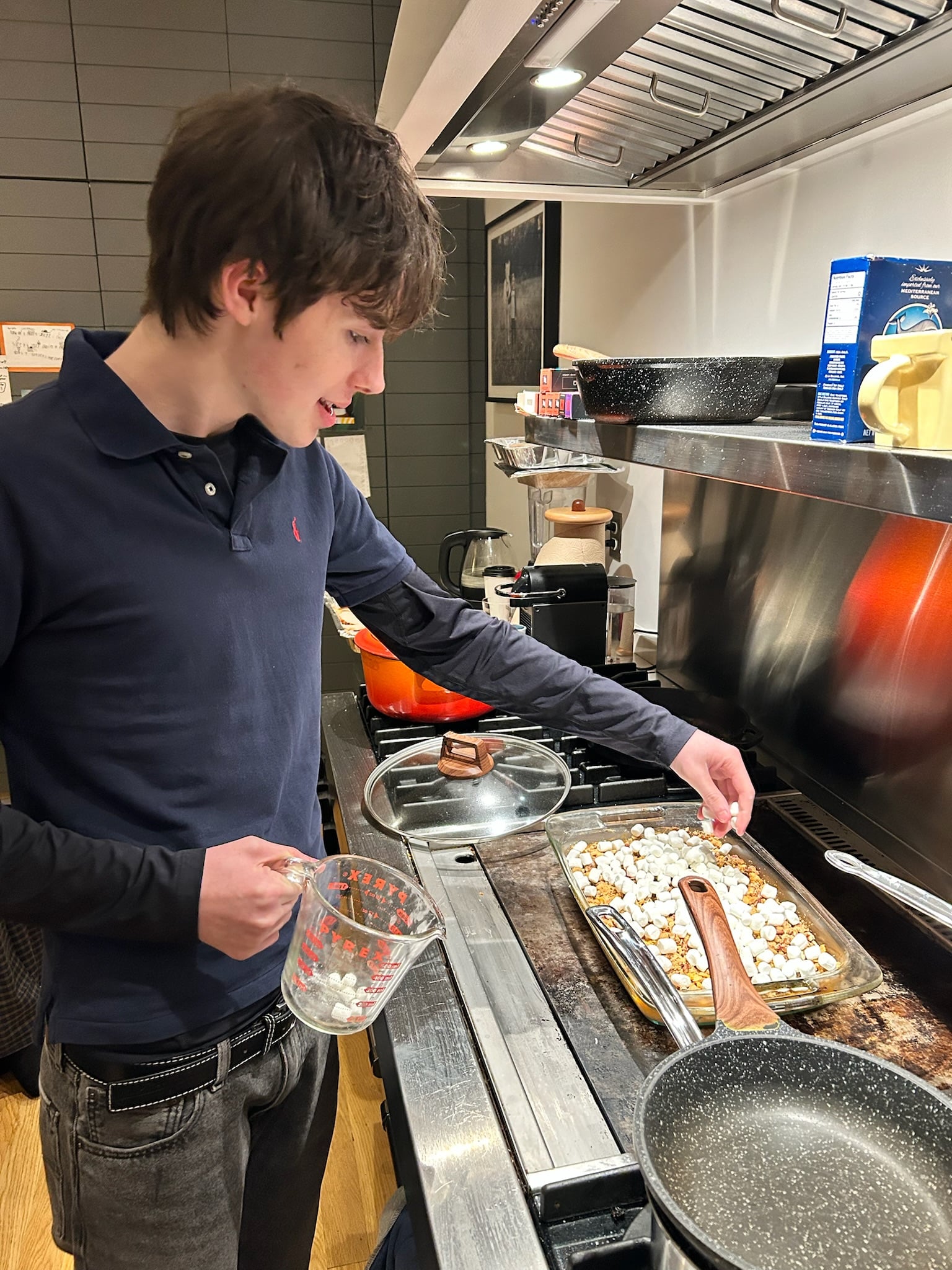
The event, which brought together a diverse group of 20 individuals, followed a structured yet organic flow. The early afternoon was characterized by traditional culinary preparation, focusing on staple items such as turkey, stuffing, and mashed potatoes. The infusion of regional food preferences—specifically the introduction of sweet potatoes topped with marshmallows, a culinary tradition with deep roots in the American South—highlighted the blending of diverse family backgrounds during the holiday.
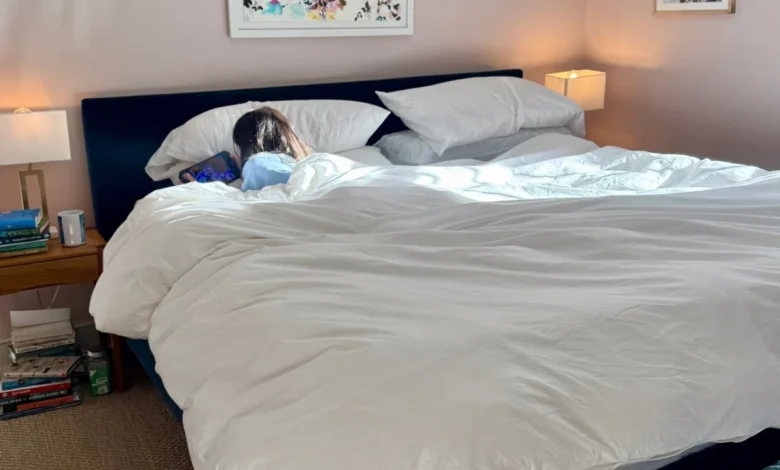
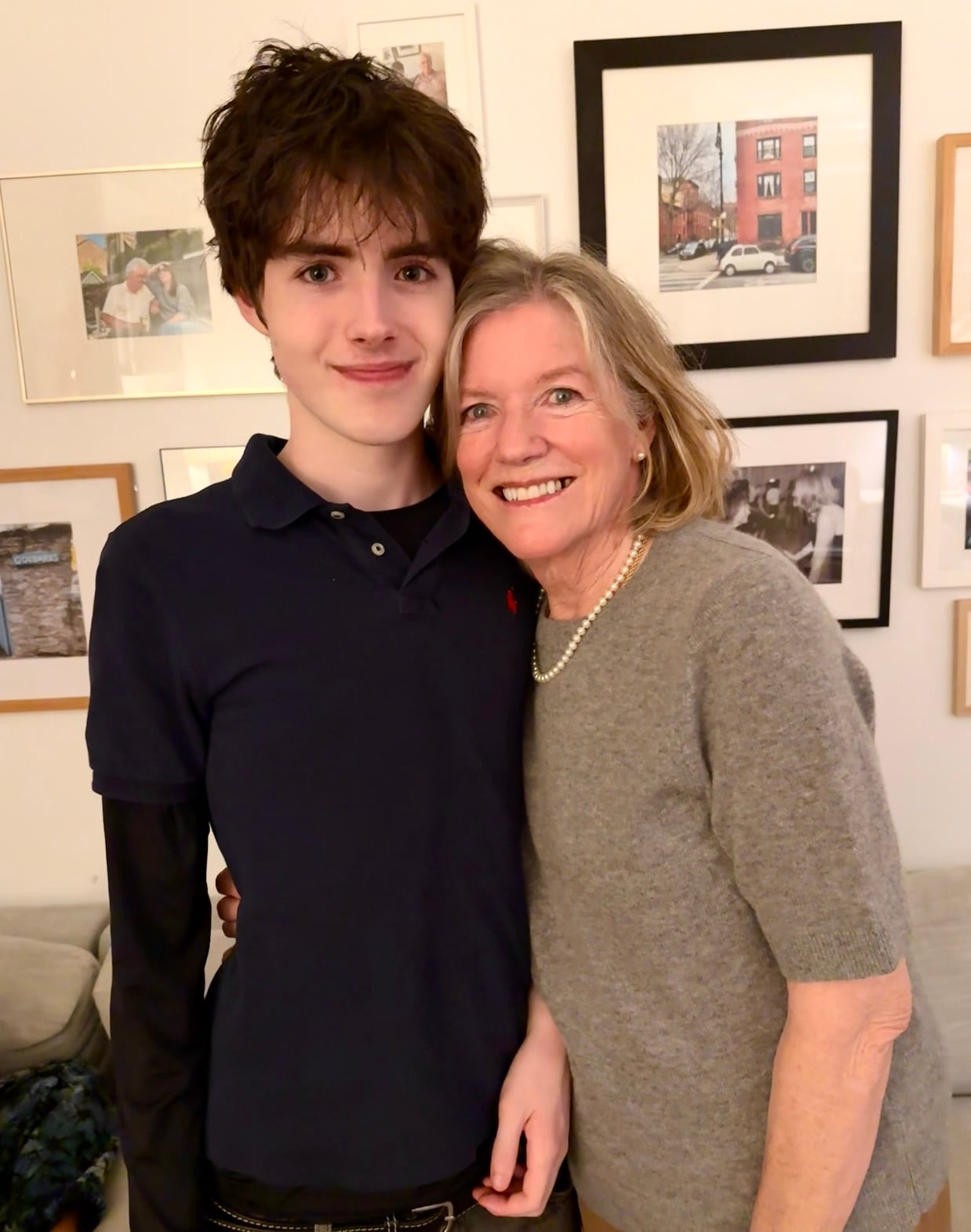
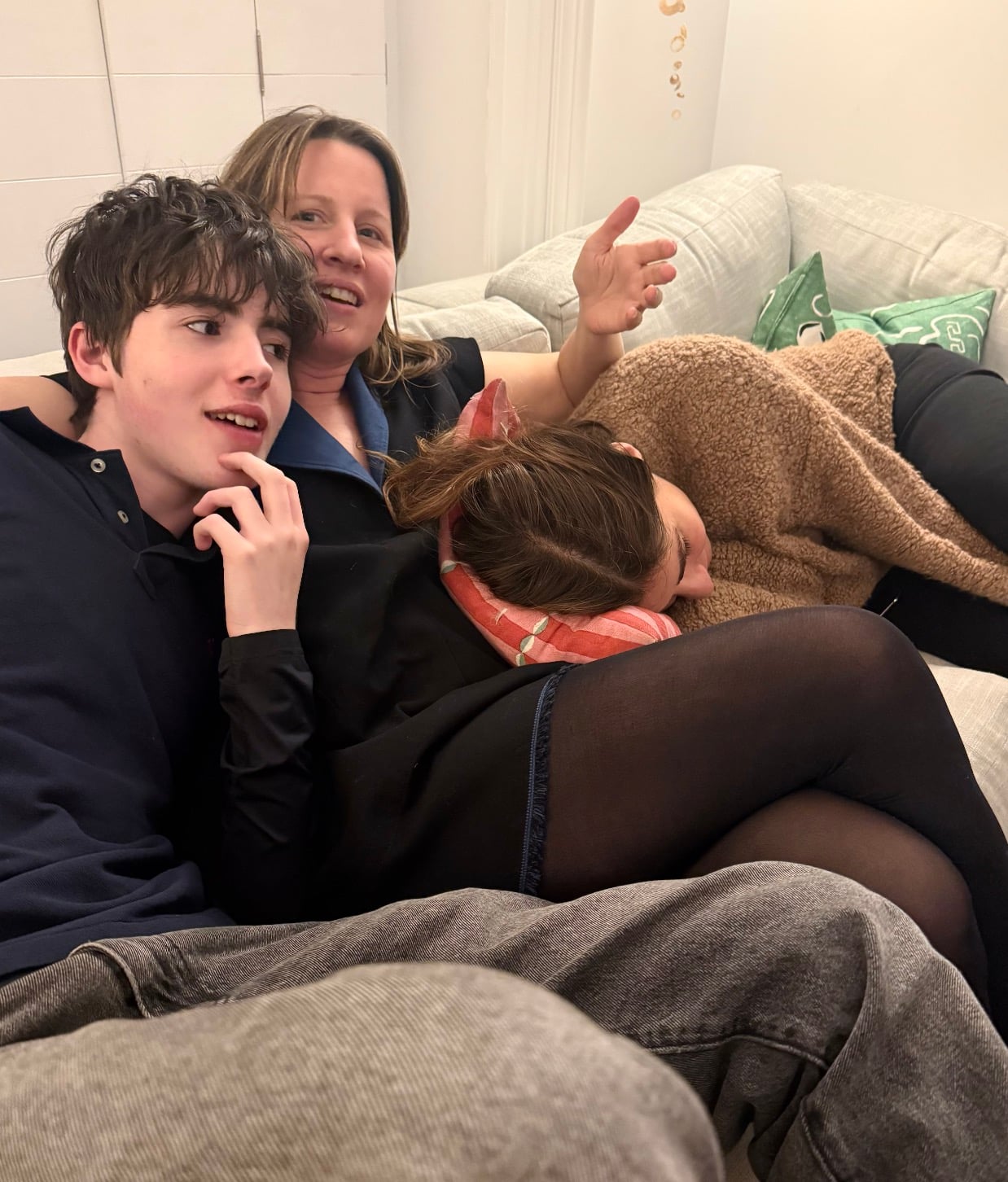
By the evening, the atmosphere transitioned from the culinary to the recreational. The presence of children, who engaged in group activities such as hide-and-seek, provided a contrast to the adult-led social exchanges occurring concurrently. Notably, the inclusion of individuals traveling from different time zones, such as international guests arriving from Europe, necessitated a flexible approach to the evening’s schedule. The phenomenon of guests succumbing to jetlag and fatigue during social gatherings is increasingly recognized as a hallmark of modern, multi-generational, and international holiday events, where the physical demands of travel intersect with the celebratory nature of the holiday.
The Intersection of Tradition and Retail
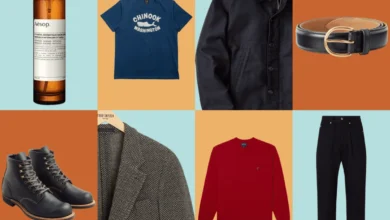
The conclusion of the Thanksgiving meal historically serves as the starting line for the Black Friday retail period. In 2026, this transition was instantaneous. As household gatherings concluded, the digital marketplace immediately asserted its influence. Major retailers, ranging from apparel brands like Tuckernuck, Banana Republic, and Madewell to home goods providers like Ruggable and Quince, synchronized their promotional calendars to coincide with the post-dinner hours of Thanksgiving Day.
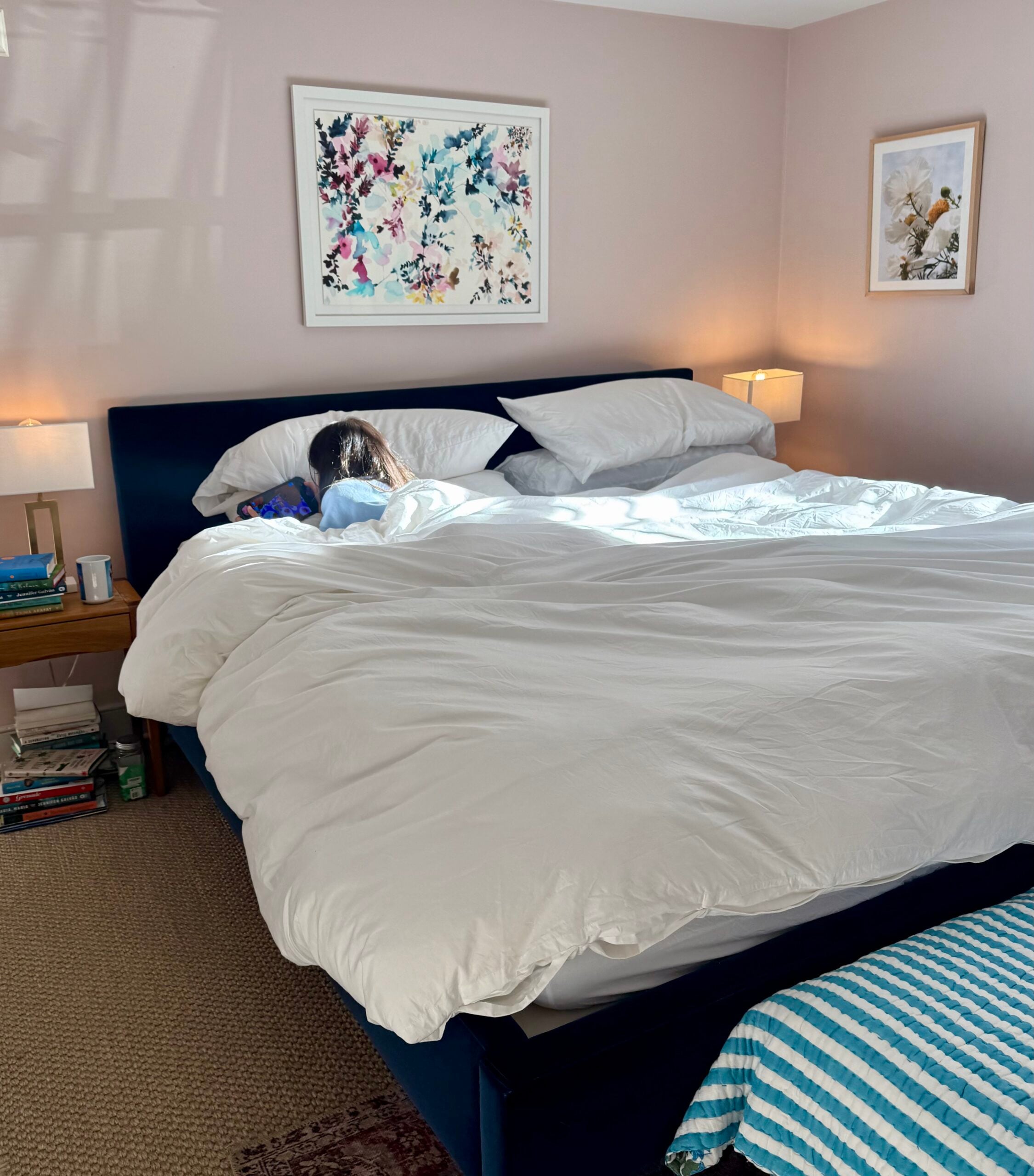
The strategy employed by these retailers in 2026 focused on high-conversion items. For example, the promotion of home comfort goods, including high-end mattresses and bedding, suggests an industry-wide recognition of the consumer’s desire for post-holiday "nesting." Furthermore, the emphasis on timeless, versatile apparel—such as corduroy garments and classic shirting—reflects a consumer trend toward durability and longevity in personal style, perhaps as a response to the economic volatility often associated with the late-year retail cycle.
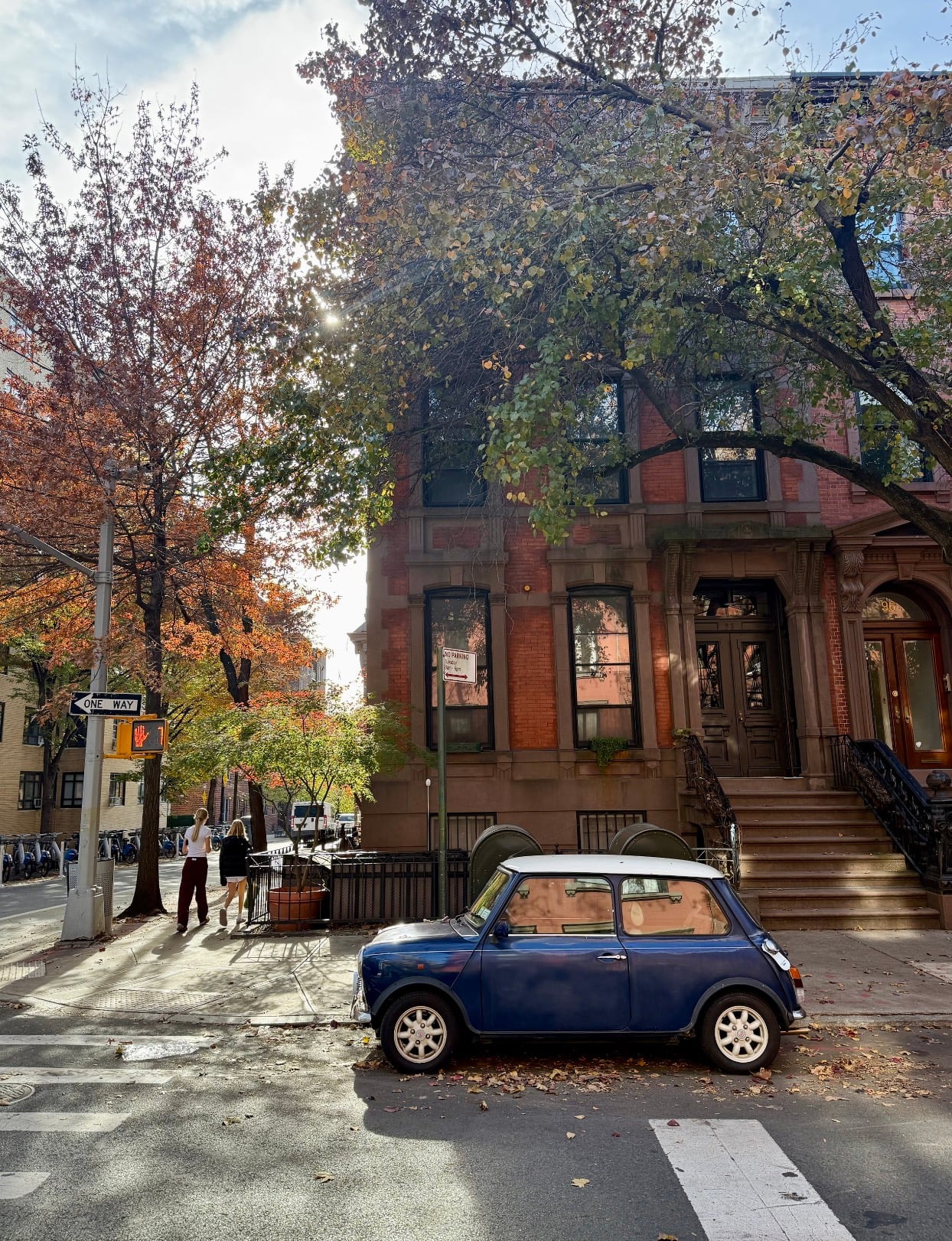
Market Analysis: The 2026 Black Friday Environment
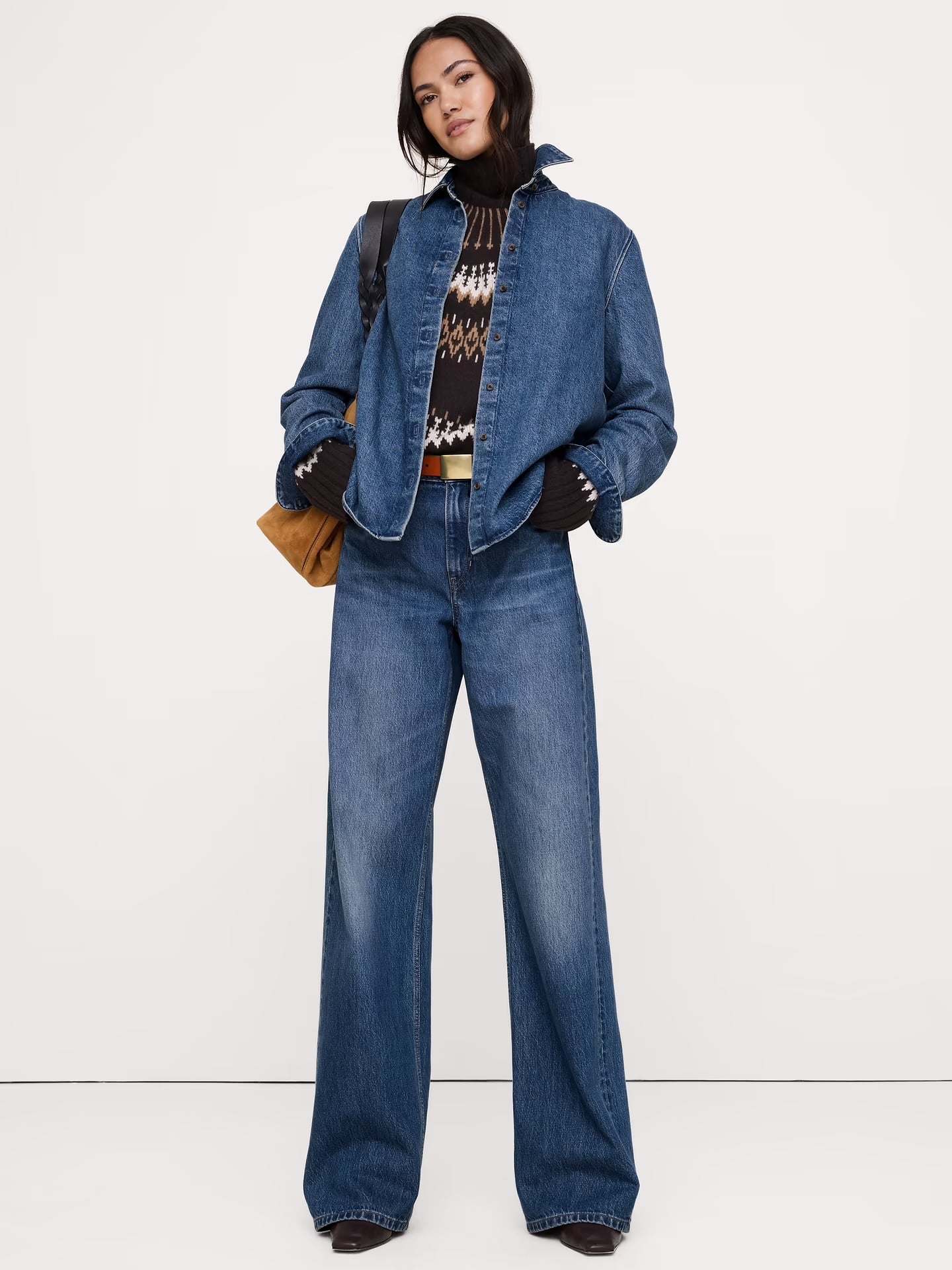
The retail landscape of 2026 has been defined by a "leveling up" of mid-market brands. Analysts have observed that brands once considered purely functional, such as those specializing in denim or basic knitwear, are now pivoting toward higher-quality materials and more sophisticated silhouettes. This aesthetic shift, which draws inspiration from 1970s design cues, represents a calculated attempt to capture a more discerning, style-conscious demographic.
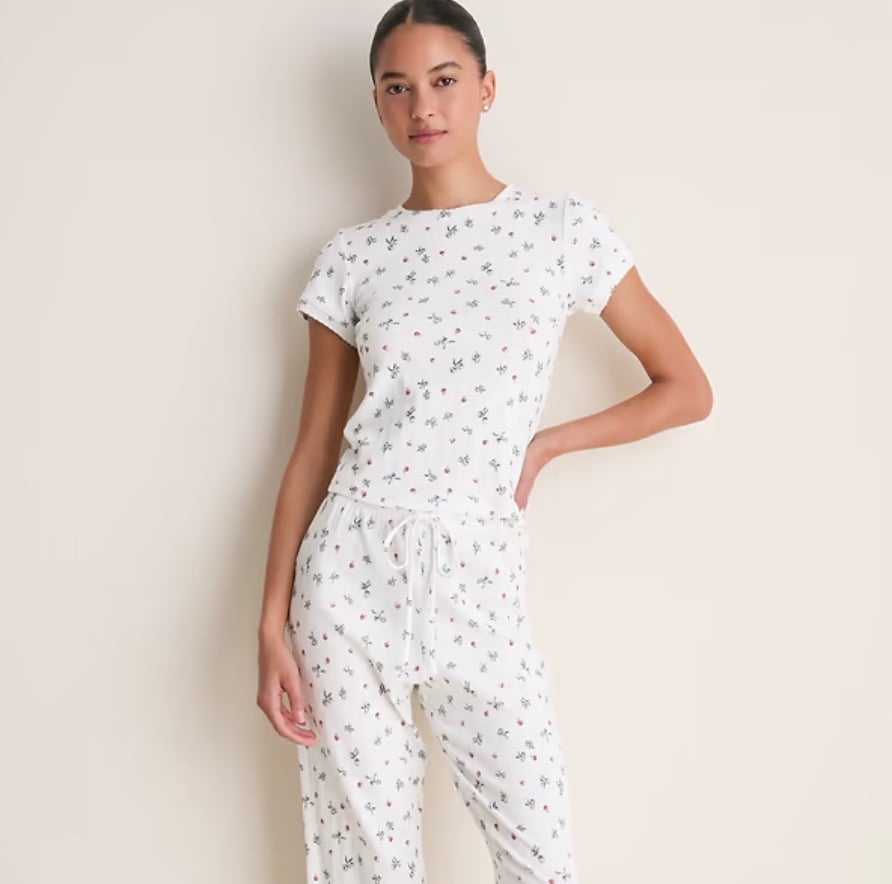
Furthermore, the integration of technology into the retail experience remains a critical factor. The use of promotional codes and exclusive digital storefronts (often facilitated by social shopping platforms) has become the primary mechanism for driving Black Friday traffic. The inclusion of niche collaborations—such as those between rug manufacturers and well-known cultural figures or interior designers—serves to personalize the shopping experience, transforming a generic discount event into a curated lifestyle opportunity.
Societal Implications and Future Trends
The convergence of family gatherings and the Black Friday sales cycle carries significant implications for the American holiday experience. The increased accessibility of luxury goods through deep-discount windows means that the holiday is no longer merely a time for gratitude and reflection, but also a time for strategic household procurement.
The reliance on digital platforms to facilitate both social connections (via shared media and digital photos) and commercial transactions (via mobile-first retail apps) demonstrates a permanent change in how the public experiences the end of the year. As families continue to balance the pressures of hosting with the convenience of modern retail, the "fun chaos" of the holiday table is likely to remain a central, albeit increasingly digitized, experience.
Conclusion
The events of Thanksgiving 2026 reiterate a fundamental truth about modern American life: plans, however elegant, are subject to the realities of community, travel, and human fatigue. Whether it is a group of 20 people sharing a meal in a Brooklyn home or a consumer navigating a series of high-stakes retail discounts, the season remains a time defined by movement, transition, and the pursuit of connection. As the calendar moves toward the end of the year, the blend of traditional domesticity and modern consumer efficiency will continue to dictate the rhythm of the holiday season, setting the stage for a busy and commercially significant close to the 2026 fiscal year.