Tesla Cybercab Launch Sparks Online Feud Between Elon Musk and YouTuber Marques Brownlee Over High-Stakes Public Wager

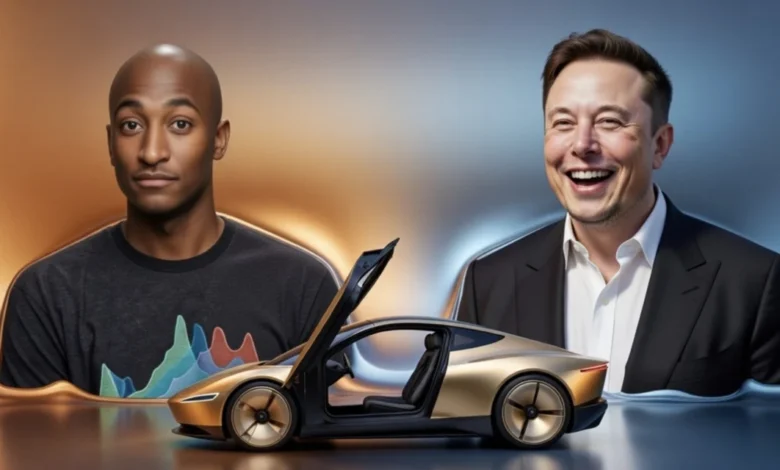
Tesla’s recent rollout of invite-only personal-use orders for its highly anticipated Cybercab has triggered an unexpected public dispute between Chief Executive Officer Elon Musk and prominent technology YouTuber Marques Brownlee, widely known online as MKBHD. The core of the controversy centers on a viral wager made over two years ago regarding Tesla’s ability to deliver a commercial autonomous vehicle priced under $30,000 to a retail consumer before the close of 2026. With the midnight hour of the deadline fast approaching, the intersection of corporate milestone chasing, social media public relations, and product viability has captured the attention of the automotive and tech industries alike.
The origins of the disagreement trace back to October 2024, when Tesla hosted its high-profile “We, Robot” event. During the presentation, the company showcased its futuristic, steering-wheel-free Cybercab as the cornerstone of its upcoming autonomous ride-hailing fleet. Following the event, Brownlee analyzed the feasibility of Tesla’s aggressive pricing and production timelines during his regular programming, stating publicly that the automaker would fail to deliver a functional Cybercab to an everyday consumer for $30,000 or less prior to 2027. He jokingly, yet definitively, raised the stakes by offering to shave his head on camera if Tesla managed to pull it off.
Over the subsequent months, the wager evolved into a recurring point of public banter between the billionaire executive and the content creator. When the first production-intent Cybercab rolled off the assembly line at Gigafactory Texas in February, Musk acknowledged the milestone by replying to an internet meme depicting a bald Brownlee with the phrase "Gonna happen." The exchange highlighted Musk’s tendency to leverage social media to gamify corporate product releases, turning engineering milestones into public validation tests against prominent critics.
As the target date of December 2026 drew closer, the pressure mounted. On a Friday in mid-November, Tesla quietly altered the landscape by opening ordering portals for select customers to purchase a Cybercab for personal use. The initial purchase price listed on the order page was $29,990—precisely under the threshold required to validate Musk’s side of the wager. However, the terms and conditions attached to the purchase quickly drew scrutiny from analysts, legal experts, and Brownlee himself.
According to Tesla’s newly published documentation, the $29,990 vehicle purchase is accompanied by several restrictive caveats. Buyers are required to sign a mandatory Autonomy Subscription agreement priced at $299 per month, coupled with a $1,000 non-refundable deposit. Furthermore, deliveries are currently estimated to begin in December, but availability is strictly limited to Tesla’s pre-approved Robotaxi operational zones in Texas.
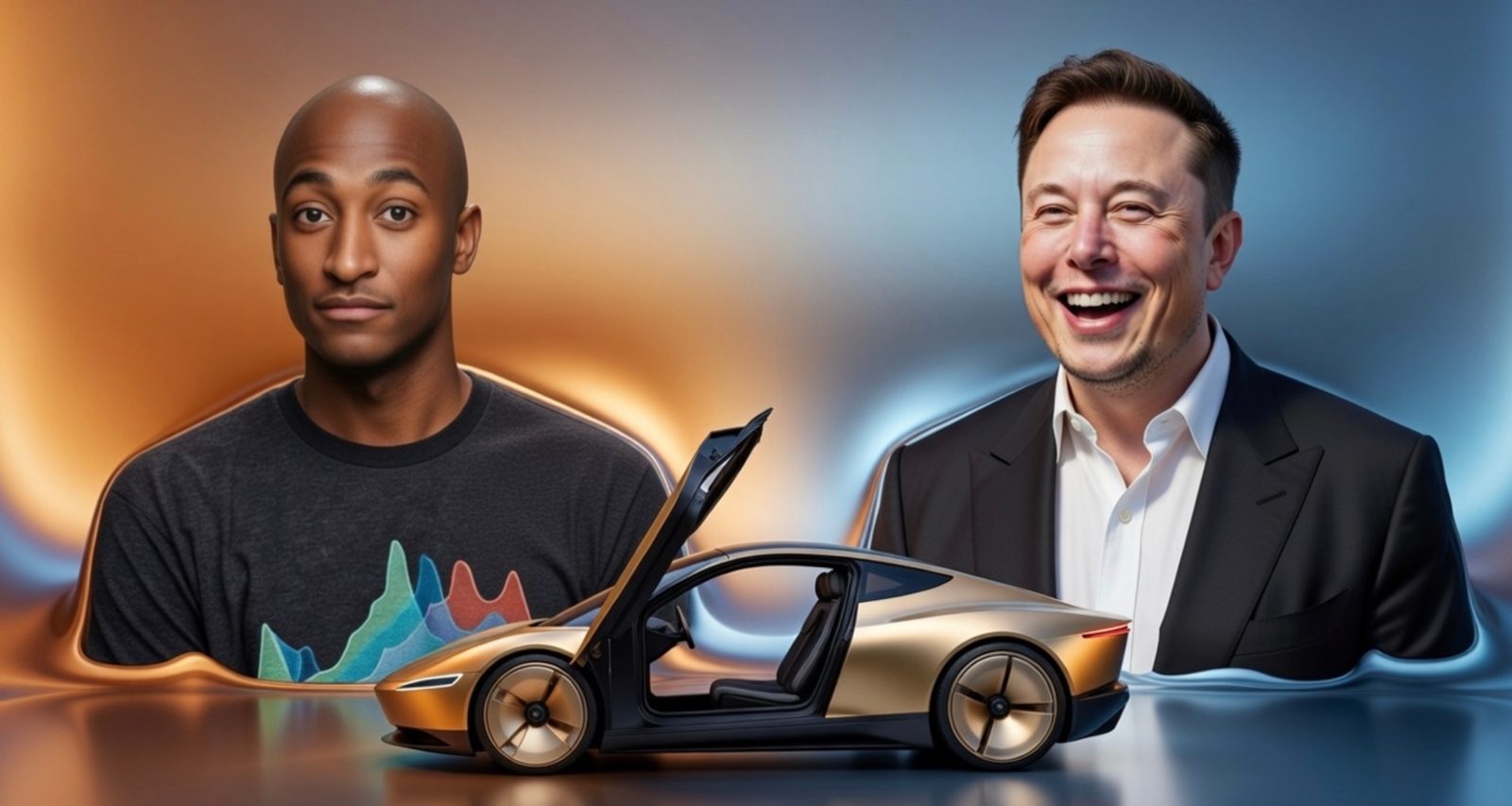
The vehicle’s software architecture includes heavy operational geofencing. According to the terms of the Autonomy Subscription agreement, the vehicle is programmatically restricted from operating outside approved geographic boundaries. Most notably, private owners are barred from putting their purchased Cybercabs onto the official Robotaxi network to generate ride-hailing revenue. Should an owner default on the monthly subscription fee—or if Tesla unilaterally decides to alter the terms or shrink the operational boundary—the vehicle becomes effectively unusable, drawing criticism from consumer advocates who have likened the arrangement to a restrictive, high-cost variable lease rather than traditional vehicle ownership.
Faced with the rollout of the order page, Brownlee evaluated the conditions of the offering and concluded that his wager remained safe. In a detailed post on social media, the YouTuber outlined multiple reasons why the current release failed to meet the original criteria of the bet. First, no physical deliveries had yet been completed, with Tesla merely estimating a start date in December. Second, the vehicle was not made publicly available to the general consumer market, but was instead restricted to a closed list of invite-only buyers within specific regulatory zones. Finally, the inability of the vehicle to operate as a general-purpose automobile or function as a revenue-generating cab outside pre-existing geofences meant that taking the vehicle home would render it practically immobile for normal driving tasks.
Supporters of Elon Musk and various Tesla advocacy accounts quickly mobilized online, arguing that the opening of orders under the $30,000 mark technically fulfilled the literal terms of the wager. Prominent online commentators urged Brownlee to honor the agreement and shave his head, amplifying pressure across social media platforms. Musk himself engaged directly in the online discourse, initially reposting commentary that challenged the YouTuber’s stance, and sharing automated summaries from artificial intelligence models suggesting the commercial offering matched the original parameters of the bet.
However, subsequent statements from the Tesla CEO inadvertently complicated the company’s official defense. Responding directly to Brownlee’s breakdown of the order page, Musk acknowledged potential flaws in the pricing structure, noting that the vehicle would eventually become available nationwide as regulatory approvals are secured, but explicitly conceding that the current monthly subscription fee was too high. Musk stated that the subscription cost should ideally align more closely with standard Full Self-Driving (FSD) and connectivity packages offered on other Tesla models, which typically average around $115 per month rather than the listed $299 rate.
This admission by the chief executive highlighted a core inconsistency in the product launch: the architect of the vehicle publicly criticized its own monetization model just one day after sales commenced. Industry analysts pointed out that a product whose pricing structure is immediately deemed inappropriate by its own creator lends credence to the hypothesis that the vehicle was rushed to market primarily to satisfy a social media deadline rather than to meet mature consumer demand.
The strategy of accelerating vehicle distribution to meet arbitrary timelines is not unprecedented for the automaker. Market watchers noted structural similarities to an event in mid-2025, when Tesla executed a single automated delivery of a Model Y to satisfy a previously stated Musk milestone before halting similar deliveries indefinitely. Observers argue that the personal-use Cybercab rollout exhibits similar characteristics: an exclusive, geographically limited release designed to satisfy a technicality while failing to deliver a practical, scalable product to the mass market.

From an economic and consumer perspective, automotive analysts have questioned the overall value proposition of the personal-use Cybercab. With a $29,990 base price, a mandatory $299 monthly software fee, and the complete absence of a steering wheel or traditional manual controls, the vehicle effectively locks the owner into a permanent, restrictive ecosystem. Over a standard five-year ownership period, the mandatory subscription alone adds nearly $18,000 to the baseline cost, pushing total basic expenditures well past $47,000 before accounting for insurance, local registration fees, or charging infrastructure.
By contrast, market alternatives within Tesla’s existing lineup offer significantly greater versatility. Consumers can purchase a traditional Model Y—which utilizes comparable self-driving software stacks and participates in expanding autonomous testing—for approximately $40,000. Owners of traditional models retain full manual control of their vehicles, face no geofencing restrictions on standard roadways, and pay considerably lower monthly software subscription rates for advanced driver-assistance features.
The broader implications of the Cybercab release extend beyond a lighthearted internet wager. As regulatory bodies continue to evaluate the safety, reliability, and cybersecurity of fully autonomous vehicles without manual override controls, the deployment of geofenced, subscription-dependent transport pods highlights the complex hurdles facing the future of personal mobility. While Tesla continues to push the boundaries of automated transport technology, the rushed rollout of the personal-use Cybercab underscores the tension between corporate marketing objectives and practical consumer utility.
As the calendar approaches the end of December, the debate over the technicalities of the Musk-Brownlee wager remains a focal point of digital media culture. Whether the delivery milestones will be fully realized within the strict confines of Texas robotaxi zones remains to be seen. In the interim, the episode serves as a unique case study in how modern corporate leadership intersects with digital content creation, demonstrating the profound influence that online personalities and high-profile executives hold over public perception in the electric vehicle sector.