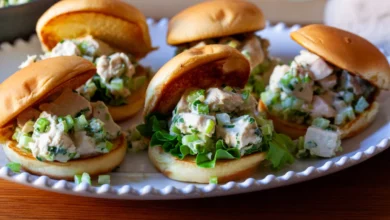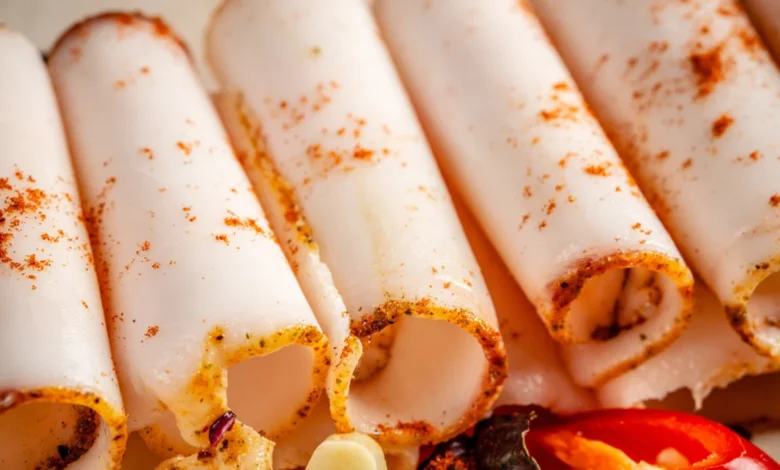
Navigating the deli counter can often feel like a guessing game for consumers seeking to elevate their everyday lunch experience, especially when assembling staples like an apple turkey cheddar sandwich or a classic club. With countless brands, labels, and styles vying for attention in refrigerated display cases and behind glass counters, distinguishing between premium cuts and heavily processed imitations has become increasingly challenging. To demystify the selection process, industry experts are stepping forward to offer actionable guidance. Phil Cassise, the vice president of perishables for Plum Market, recently shared critical insights regarding what shoppers should look for—and actively avoid—when purchasing sliced deli turkey. As consumer awareness surrounding ultra-processed foods grows, understanding the nuances of deli meat quality is more important than ever for both culinary satisfaction and nutritional wellness.
The Evolution and Landscape of Deli Meats
The modern deli counter is a descendant of European specialty butcher shops, where meats were traditionally cured, roasted, and sliced to order. In the United States, the post-World War II economic boom and the rise of supermarket culture transformed how processed meats were manufactured and consumed. Industrial food processing introduced reformed, molded, and heavily preserved lunch meats designed for extended shelf life, lower production costs, and uniform appearance. While these innovations democratized access to ready-to-eat proteins, they also created a vast disparity in quality between mass-produced, pre-packaged logs and authentic whole-muscle roasted poultry.
In recent years, shifting consumer preferences toward clean-label products—those featuring minimal ingredients and transparent sourcing—have prompted a reevaluation of deli offerings. Shoppers are increasingly scrutinizing ingredient decks, demanding alternatives free from synthetic additives, artificial colorings, and excessive sodium. Despite these trends, many conventional deli counters still feature a mix of high-grade artisan roasts and heavily processed, reformed turkey products that rely on chemical binders to maintain structural integrity. Knowing how to differentiate between these categories is essential for consumers aiming to bring an authentic, high-quality deli experience into their home kitchens.
Anatomy of a Quality Cut: Whole Muscle Versus Formed Turkey
The primary indicator of a superior deli turkey lies in its structural origin. According to Phil Cassise, the distinction between whole-muscle meat and reformed product is immediately discernible to the trained eye. "Start with whole muscle turkey breast, not pressed and formed," Cassise advised. When poultry is processed as a whole muscle, the natural grain, texture, and muscle fibers of the bird remain intact throughout the cooking process.
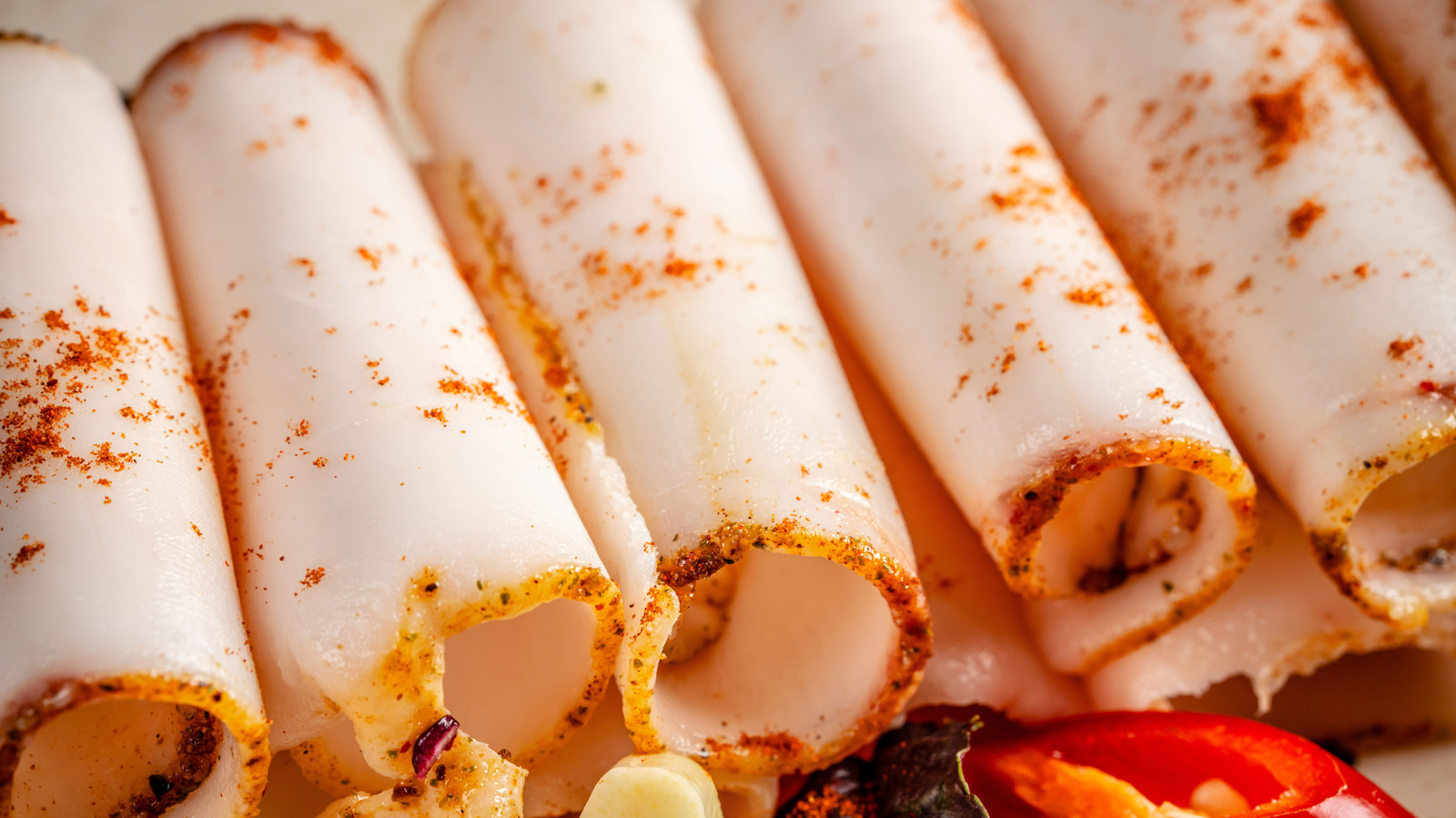
Conversely, lower-quality deli turkies are frequently manufactured by combining triturated or finely chopped meat fragments with water, starches, and chemical binders, which are then compressed into uniform molds or loaves. "If the slice looks perfectly uniform, like it came out of a loaf, it probably was formed, and it will never taste like real turkey," Cassise noted. Consumers are advised to seek out options explicitly labeled as oven-roasted whole breast, ideally prepared in-house by the retailer. These selections yield a far more authentic texture, superior moisture retention, and a robust, natural poultry flavor that stands up to bolder sandwich condiments without tasting artificially enhanced or excessively salty.
Decoding Labels and Navigating Ingredient Decks
For health-conscious consumers, evaluating the nutritional profile and ingredient disclosures on deli packaging or counter displays is a critical step. Processed meats, including certain varieties of deli turkey, frequently fall under the classification of ultra-processed foods, meaning they undergo significant industrial manipulation and contain additives designed to extend shelf life, enhance palatability, or artificially increase moisture retention.
"Keep the ingredient list short," Cassise emphasized. "Turkey, water, salt, maybe a little sugar. Long lists with fillers, carrageenan, artificial flavors and colors are a reason to pass." Carrageenan, a seaweed-derived additive commonly used as a thickening and gelling agent, is frequently utilized in lower-tier deli meats to bind water and increase product yield, often at the expense of authentic mouthfeel. Furthermore, shoppers should carefully examine curing agents and preservatives such as sodium nitrite or sodium erythorbate, which are standard in many conventional cured products but increasingly avoided by individuals monitoring their sodium intake or seeking clean-label dietary options.
The Science of Slicing: Thickness Matters
Beyond the selection of the meat itself, the physical preparation—specifically the thickness of the slice—plays a profound role in the culinary application and flavor delivery of deli turkey. Counter staff often default to standardized settings unless instructed otherwise, but consumers possess the agency to customize their cuts based on their intended use.
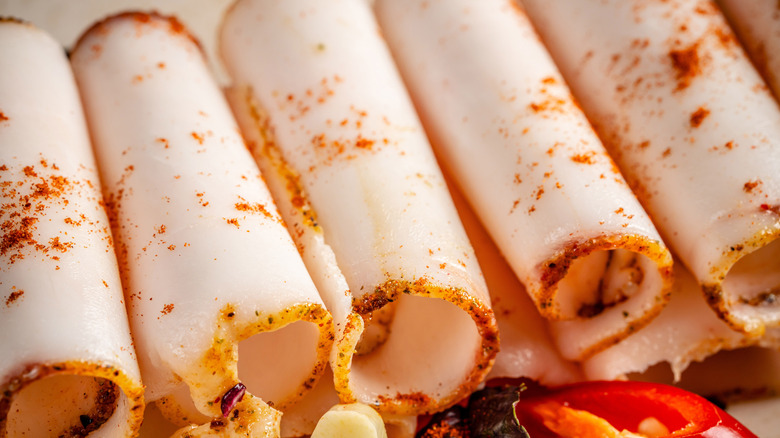
"Have it sliced fresh at the counter, medium thin," Cassise recommended. "Not shaved paper thin, which dries out and tastes mostly like salt, and not thick slabs. Medium thin folds nicely, stays juicy, and actually tastes like turkey." When turkey is sliced paper-thin, the high surface-area-to-volume ratio causes the moisture to evaporate rapidly, leaving behind a predominantly salty flavor profile that overwhelms the subtle nuances of the poultry. Conversely, thick slabs can dominate a sandwich structurally, overpowering complementary ingredients like crisp lettuce, sharp cheddar, or sliced apples. A medium-thin cut achieves optimal structural integrity, allowing the slices to fold gracefully into layers while maintaining optimal juiciness.
Engaging the Deli Counter: Questions to Ask
Maximizing the deli counter experience requires active communication between the shopper and the store employee. Because packaging information is often hidden from view behind service glass, consumers should not hesitate to request specific details regarding the provenance and handling of the meat.
Cassise outlined a series of targeted inquiries that empower shoppers to make informed purchasing decisions:
- "Is this whole muscle turkey breast or formed?"
- "When was this opened?"
- "Can I taste a slice?"
- "How much sodium per serving?"
- "Is there anything in here beyond turkey, water, and salt?"
Asking these questions serves a dual purpose. First, it elicits transparent data regarding the product’s formulation and freshness, mitigating the risk of purchasing compromised or substandard items. Second, requesting a sample provides an immediate organoleptic assessment—allowing the consumer to evaluate flavor, texture, and salinity firsthand before committing to a larger purchase. This practice aligns with broader consumer movements advocating for transparency and quality assurance in retail food environments.
Culinary Applications and Broader Implications
Once a high-quality sliced turkey has been successfully selected and brought home, its culinary utility extends far beyond the traditional lunchtime sandwich. While artisanal turkey pairs exceptionally well with rustic artisan breads, whole-grain mustards, and aged cheeses, premium deli meat can also serve as a versatile protein source for a variety of quick weeknight meals. Culinary enthusiasts frequently utilize leftover or freshly purchased deli turkey in warm paninis, savory breakfast scrambles, sophisticated wraps, grain bowls, and comforting casseroles, maximizing both convenience and flavor.
The broader market implications of discerning deli purchases extend to industry manufacturing standards as well. As consumer demand pivots definitively toward clean-label, whole-muscle proteins, major food manufacturers and independent grocers are facing mounting pressure to reformulate their product lines, eliminate controversial fillers like carrageenan, and reduce overall sodium content. By voting with their purchasing power—favoring transparent, high-quality offerings and questioning counter staff—shoppers actively shape the availability and standards of provisions in the modern marketplace. Ultimately, investing a small amount of extra attention at the deli counter transforms a routine grocery errand into an opportunity for elevated culinary craftsmanship at home.
Related posts: