Democratic State Senator Cindy Holscher Secures Historic Victory in Kansas Gubernatorial Race, Keeping Governor’s Mansion Blue

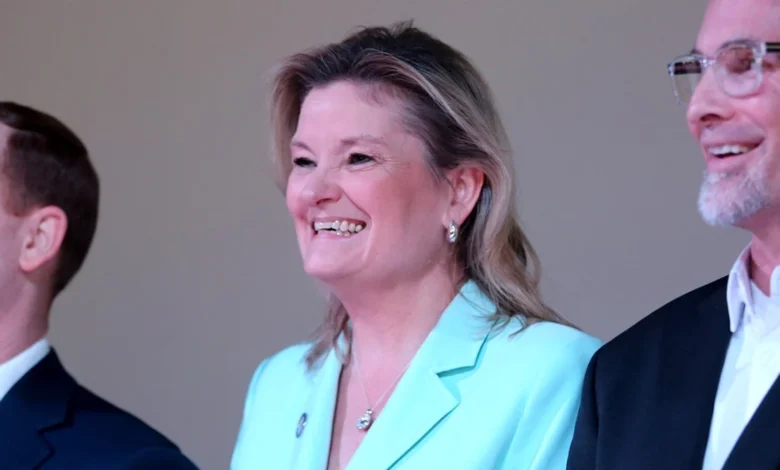
Democratic state Senator Cindy Holscher has won the fiercely contested Kansas gubernatorial race, defeating Republican state Senate President Ty Masterson in the November 3 general election. According to projections by The Associated Press, Holscher’s victory successfully keeps the state’s highest executive office in Democratic hands, extending a political streak that began with outgoing Governor Laura Kelly’s initial win in 2018.
The open-seat contest drew intense national and local attention as both parties vied for control of the Midwestern state’s leadership. With Holscher’s triumph, Democrats have now secured three consecutive gubernatorial elections in Kansas—a historically conservative stronghold where statewide executive contests frequently lean competitive. Holscher will succeed Kelly, who was term-limited and ineligible to run for a third consecutive term.
The Path to Victory and Primary Battles
Holscher’s journey to the governor’s mansion required navigating a grueling political landscape, beginning with a deeply competitive Democratic primary in August. She faced fellow state Senator Ethan Corson, a formidable primary opponent who boasted high-profile endorsements from prominent party figures, including outgoing Governor Kelly and former Democratic Governor Kathleen Sebelius. Despite her opponent’s institutional backing, Holscher outmaneuvered the field to secure the Democratic nomination.
In the general election, Holscher faced off against Ty Masterson, a veteran conservative lawmaker who has served as the president of the Kansas Senate since 2021. Masterson secured the Republican nomination following a crowded and hard-fought primary campaign, during which he earned the coveted endorsement of President Donald Trump.
The general election materialized as a classic ideological clash between a suburban-leaning progressive lawmaker and a staunch legislative conservative. While Masterson campaigned heavily on cutting taxes, reining in state spending, and championing traditional conservative values, Holscher framed her campaign around public education funding, healthcare access, reproductive rights protection, and pragmatic economic growth.
Controversies and Campaign Flashpoints
The gubernatorial race was not without intense controversy. During the height of the campaign season, Holscher faced fierce scrutiny from political opponents and conservative advocacy groups over resurfaced social media posts from 2023. In the posts, which drew widespread media attention, Holscher suggested that Jesus Christ could have been transgender. The remarks originated during a heated legislative debate at the Kansas Statehouse concerning proposed legislation designed to restrict drag performances in the presence of children.
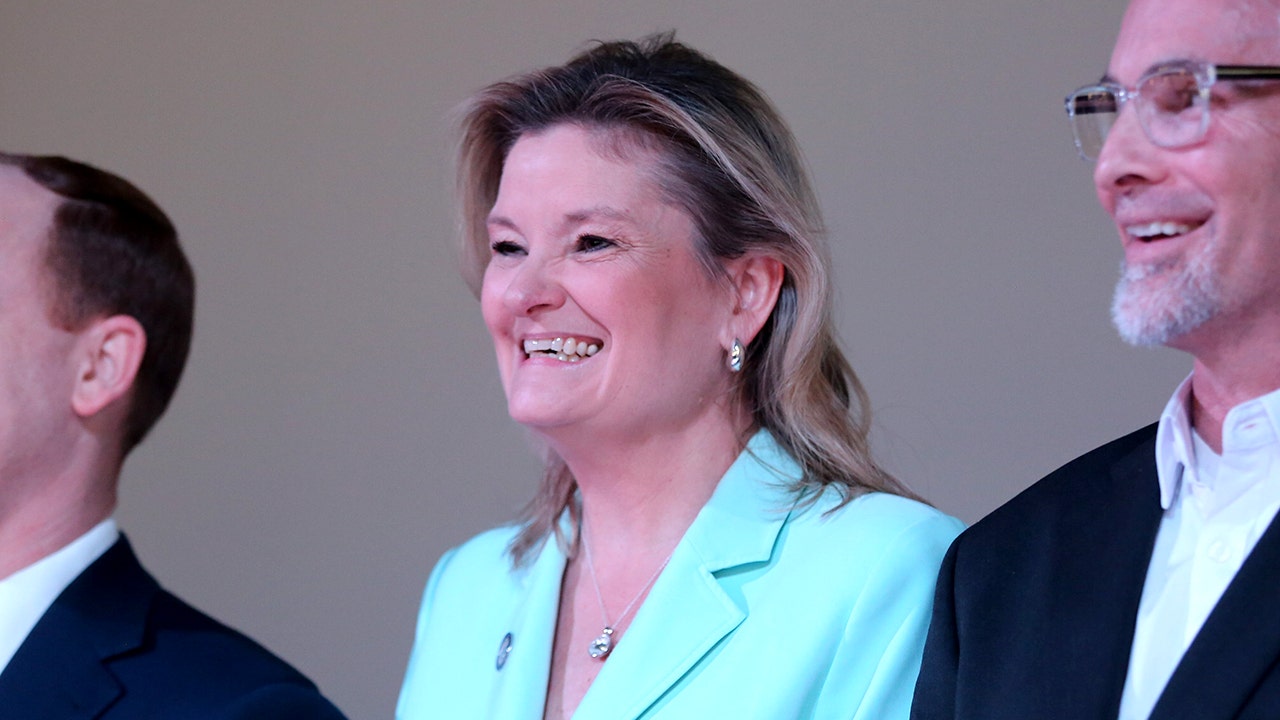
Conservative critics and Masterson’s campaign seized upon the comments, arguing they demonstrated an extreme ideological disconnect from the values of mainstream Kansans. Holscher’s campaign defended her right to religious and philosophical expression while attempting to pivot voter focus back to kitchen-table issues, such as the rising cost of living, property tax relief, and the future of public education in the state. Ultimately, the controversy failed to derail her path to victory, as suburban turnout in key population centers—such as Johnson County, where Holscher previously built her political base—pushed her over the finish line.
Chronology of the 2026 Kansas Gubernatorial Cycle
The road to the November 3 election unfolded over several months of strategic maneuvering, legislative clashes, and high-stakes campaigning:
- January 2025: Lawmakers returned to the Kansas Statehouse, with both Holscher and Masterson navigating high-profile legislative battles that would ultimately serve as launching pads for their gubernatorial ambitions.
- Spring 2025: Formal announcements flooded the state as both candidates officially declared their candidacies to succeed the term-limited Governor Laura Kelly.
- August 2025: Primary election night delivered a major turning point. Cindy Holscher upset establishment favorite Ethan Corson in the Democratic primary, while Ty Masterson triumphed in the Republican primary following a late surge bolstered by a presidential endorsement.
- September – October 2025: The general election entered its home stretch, marked by intense television advertising blitzes, sharp debates over social and economic policy, and national party figures visiting the state to rally their respective bases.
- November 3, 2025: Voters cast their ballots across Kansas’s 105 counties, setting off an election night watch filled with close returns from rural and suburban precincts alike.
- November 6, 2025: The Associated Press officially projected Cindy Holscher as the winner of the contest, cementing a third consecutive term of Democratic executive leadership in Kansas.
Political Background of Cindy Holscher
Cindy Holscher brings extensive legislative experience to the governorship. Prior to her election to the Kansas Senate in 2020—where she took office in January 2021—she spent four productive years representing her constituents in the Kansas House of Representatives. Throughout her legislative career, Holscher has built a reputation as a policy-focused lawmaker who frequently emphasizes public school funding, fiscal accountability, and environmental stewardship.
Her political base in Johnson County—the state’s most populous county and a critical suburban battleground—has undergone a significant political realignment over the past decade. Once a reliable red stronghold, Johnson County has increasingly leaned toward moderate and Democratic candidates in state and federal elections. Holscher’s electoral strength in this suburban hub proved essential in offsetting Masterson’s dominance in rural Kansas counties.
Broader Implications and Future Outlook
Holscher’s victory carries profound implications for the balance of power in Kansas governance. While Democrats will hold the governor’s office, the Kansas Legislature remains firmly under Republican control, with supermajorities in both the state House and Senate. This dynamic guarantees a continuation of divided government in Topeka, setting the stage for high-stakes negotiations, potential veto battles, and legislative gridlock over key policy arenas.
Political analysts note that the outcome highlights the persistent viability of Democratic gubernatorial candidates in Kansas when running on pragmatic, locally focused platforms—a trend established by former Governor Kathleen Sebelius and successfully replicated by Governor Laura Kelly. As Holscher prepares to transition into the executive mansion, her administration will immediately face the challenge of forging a working relationship with conservative legislative leaders like Masterson to pass balanced budgets, address infrastructure needs, and manage the state’s economic future.
Related posts: