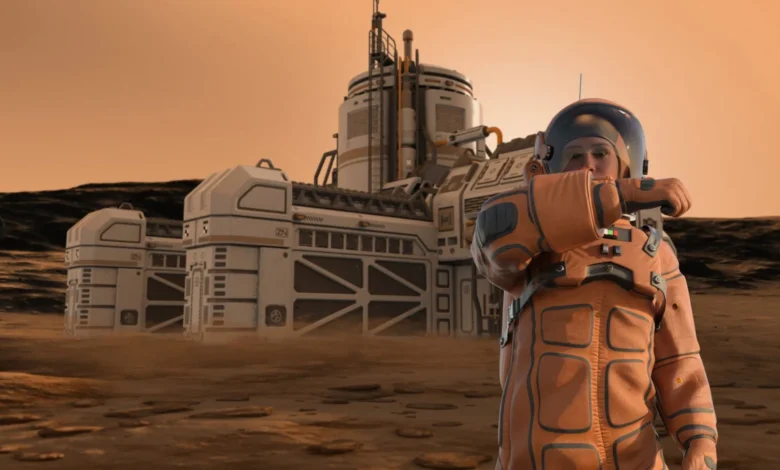
The prospect of human colonization on Mars has transitioned from the realm of speculative science fiction to a tangible, albeit distant, objective for global space agencies and private aerospace corporations. As missions to the Red Planet become an increasingly realistic component of 21st-century space exploration, the discourse surrounding the endeavor has shifted from technical feasibility to the fundamental biological and psychological endurance of the human body. Recent inquiries conducted by Live Science have sought to gauge public sentiment regarding this interplanetary ambition, revealing a complex dichotomy between the allure of discovery and the stark reality of the physiological hazards that await any potential Martian pioneer.
The Biological Toll of Interplanetary Travel
The physiological challenges of a journey to Mars are profound. Unlike the relative safety of the International Space Station (ISS), which remains protected by Earth’s magnetosphere, a mission to Mars would expose astronauts to unprecedented levels of cosmic radiation and solar particle events. According to data provided by NASA’s Human Research Program, deep-space radiation poses a significant risk for the development of cancer, central nervous system damage, and degenerative tissue diseases.
Beyond radiation, the human body is ill-equipped for long-term microgravity. During extended transit periods—estimated at six to nine months one way—astronauts face rapid bone density loss, muscle atrophy, and cardiovascular deconditioning. Upon landing, they would be expected to transition to a gravity environment that is only 38% of Earth’s, a shift that could exacerbate balance disorders and exacerbate the strain on internal organs. Furthermore, the psychological strain of extreme isolation, combined with the "Earth-out-of-view" phenomenon, introduces significant risks of cognitive decline and interpersonal conflict within the crew.
A Chronology of the Mars Ambition
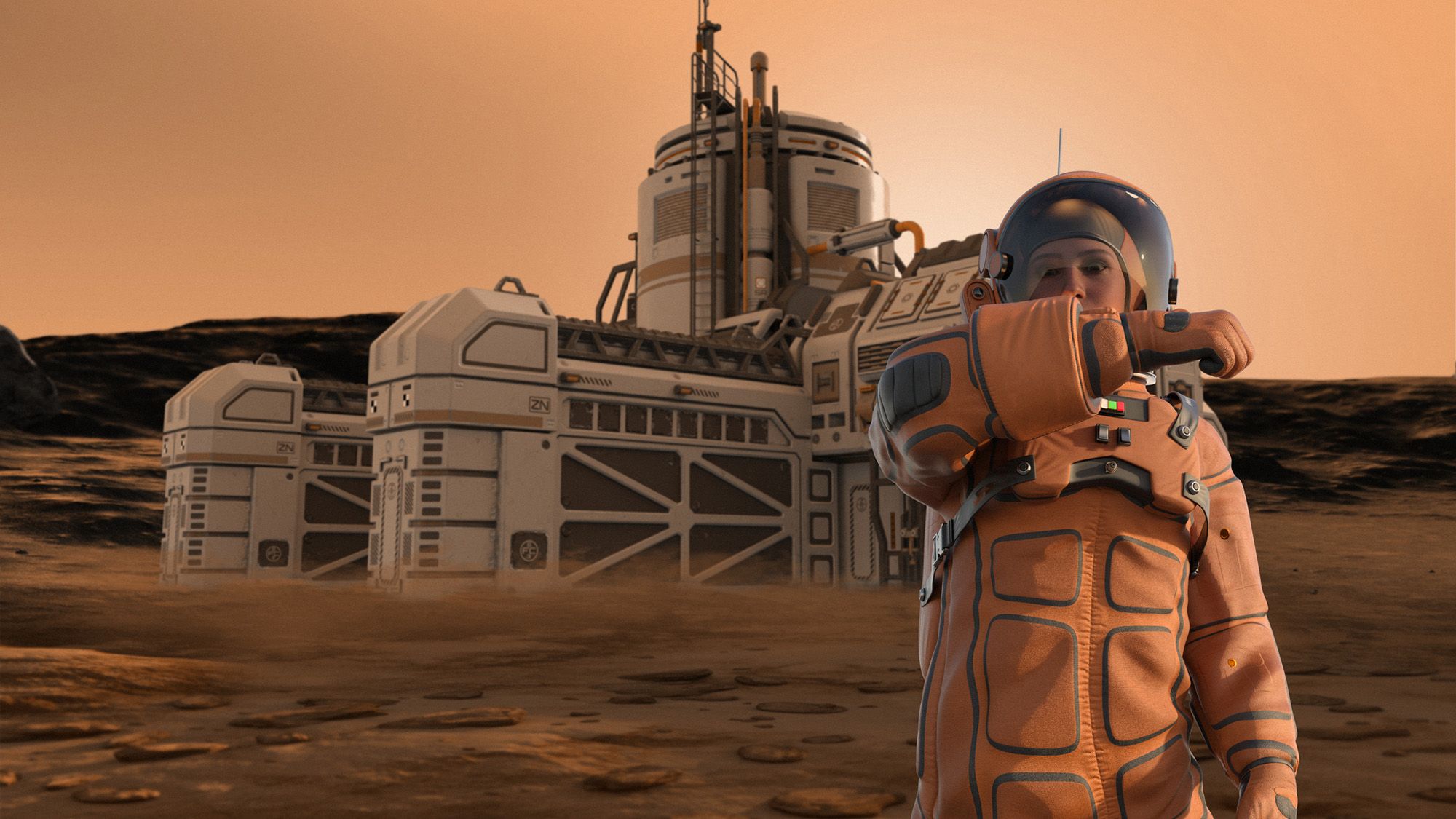
The modern pursuit of Mars is the culmination of decades of incremental advancement in spaceflight technology. The timeline of this endeavor reveals the persistent drive to extend the human footprint beyond the lunar orbit:
- 1960s–1970s: The Mariner and Viking programs provided the first detailed imagery and atmospheric data, confirming the harsh, desiccated nature of the Martian surface.
- 1997: The Mars Pathfinder mission demonstrated the feasibility of rover technology, marking the beginning of a multi-decade robotic exploration phase.
- 2000s–2010s: The success of the Spirit, Opportunity, and Curiosity rovers fundamentally changed our understanding of Mars’ geological history, confirming the presence of ancient liquid water.
- 2020s: The arrival of the Perseverance rover and the Ingenuity helicopter has set the stage for Sample Return missions, which are essential precursors to human landing.
- 2030s–2040s: NASA’s "Moon to Mars" initiative serves as a strategic roadmap, utilizing the Artemis program to establish a lunar gateway as a testbed for the technologies required for a Mars transit.
Supporting Data and Risk Assessments
To understand why the public remains divided on the prospect of a Martian mission, one must look at the statistical reality of the risks involved. Current radiation modeling suggests that a round-trip mission to Mars would expose astronauts to approximately 1.2 sieverts of ionizing radiation. For context, the average annual background radiation exposure on Earth is approximately 0.0062 sieverts. This increase represents a lifetime risk of radiation-induced cancer that significantly exceeds the acceptable safety limits established by current occupational health standards for astronauts.
Moreover, the psychological data derived from isolated, confined, and extreme (ICE) environment studies—such as those conducted in Antarctica or the HI-SEAS habitat in Hawaii—consistently highlight the fragility of team dynamics. Studies show that after approximately six months of isolation, communication efficiency tends to decline, and the risk of "third-quarter phenomenon"—a period of increased tension and emotional lethargy—becomes a critical factor in mission success.
Official Responses and Institutional Perspectives
Space agencies like NASA and the European Space Agency (ESA) have consistently maintained a pragmatic stance. In official documentation regarding the Artemis program, NASA leadership emphasizes that the moon is the "proving ground" for Mars. The strategy involves iterative risk mitigation: developing high-performance shielding materials, advanced closed-loop life support systems (which recycle air and water with near-100% efficiency), and pharmaceutical interventions to mitigate the effects of radiation and muscle loss.
Private entities, most notably SpaceX, have taken a more aggressive stance. CEO Elon Musk has publicly advocated for the necessity of making humanity a "multi-planetary species" to ensure the long-term survival of the human race. While these organizations acknowledge the lethality of the Martian environment, their rhetoric often centers on the technological imperative—the belief that if the technology exists to transport humans, the biological challenges can be engineered away through innovation and iteration.
The Socio-Psychological Divide
The public sentiment gathered by Live Science indicates that the decision to travel to Mars is rarely based on a clinical risk-assessment calculation. Instead, it is driven by a profound tension between the innate human drive for exploration and the evolutionary instinct for self-preservation.
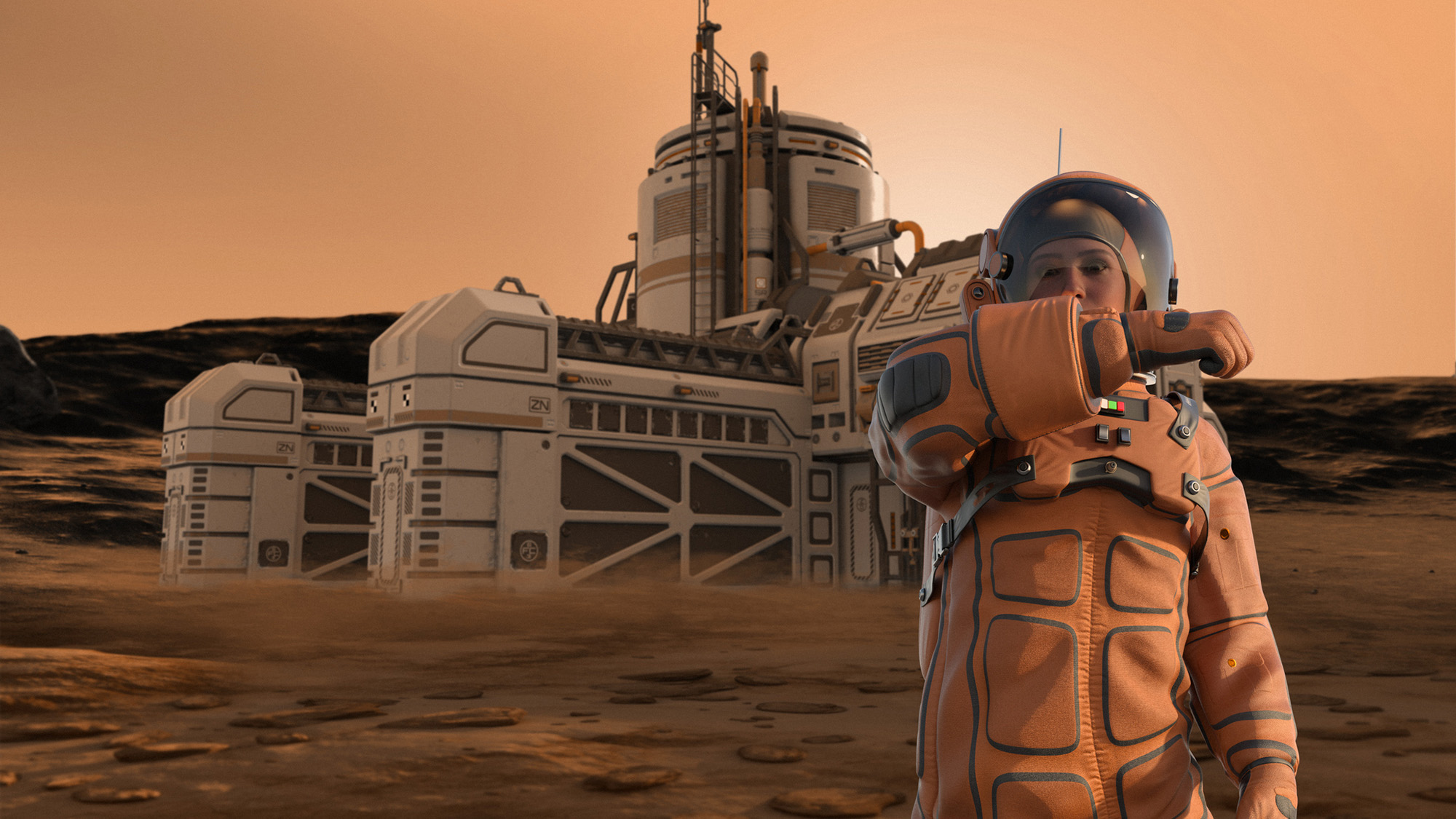
Proponents of a Mars mission often cite the "frontier effect," drawing parallels to the historical exploration of Earth’s oceans and poles. They argue that the potential for scientific discovery—finding evidence of past or present extraterrestrial life, or gaining a deeper understanding of planetary formation—is worth the risk. Conversely, critics and many in the medical community argue that the ethical implications of sending humans on a "suicide mission" are unacceptable, regardless of the technological breakthroughs that might be achieved.
Broader Impact and Ethical Implications
The broader implications of colonizing Mars extend beyond the individual health risks to the crew. There is a significant debate concerning the "planetary protection" of Mars. If humans land on the Red Planet, the introduction of Earth-based microorganisms—"forward contamination"—could permanently compromise the integrity of the Martian environment and destroy our ability to determine whether life ever originated there independently.
Furthermore, the economic and political costs of such missions are astronomical. Diverting billions of dollars from Earth-bound environmental and social challenges to facilitate human expansion into space raises fundamental questions about our priorities as a species. Is the survival of humanity dependent on becoming multi-planetary, or is our primary responsibility to preserve the only biosphere currently capable of supporting human life?
Conclusion: The Future of the Red Planet
As we look toward the 2030s and beyond, the prospect of a human mission to Mars remains the ultimate litmus test for human ingenuity. While the physiological and psychological barriers are indeed daunting, the history of exploration suggests that humanity has a recurring tendency to accept high risks in pursuit of profound knowledge.
Whether the first Martian pioneer is a scientist, an engineer, or a civilian participant, they will be stepping into an environment that is fundamentally hostile to human life. The success of such a mission will depend not only on the advancement of rocket propulsion and radiation shielding but on our ability to ethically manage the risks to the individuals involved. As the public continues to debate whether they would take the leap, the global space community continues to work toward the day when the first human footprint is pressed into the Martian regolith—an act that will forever redefine the boundaries of human civilization.