Navigating the modern fast-food landscape has evolved far beyond simply reading a menu board and placing a standard order. As consumer spending habits face continuous scrutiny and menu prices climb across major chains, a vibrant subculture of frugal diners and culinary experimenters has taken to online platforms like Reddit, TikTok, and Facebook to share ingenious ways to optimize their fast-food experiences. These digital communities have cultivated a rich repository of ordering hacks, custom modifications, and app-based strategies designed to maximize flavor, secure fresher ingredients, and stretch every dollar.
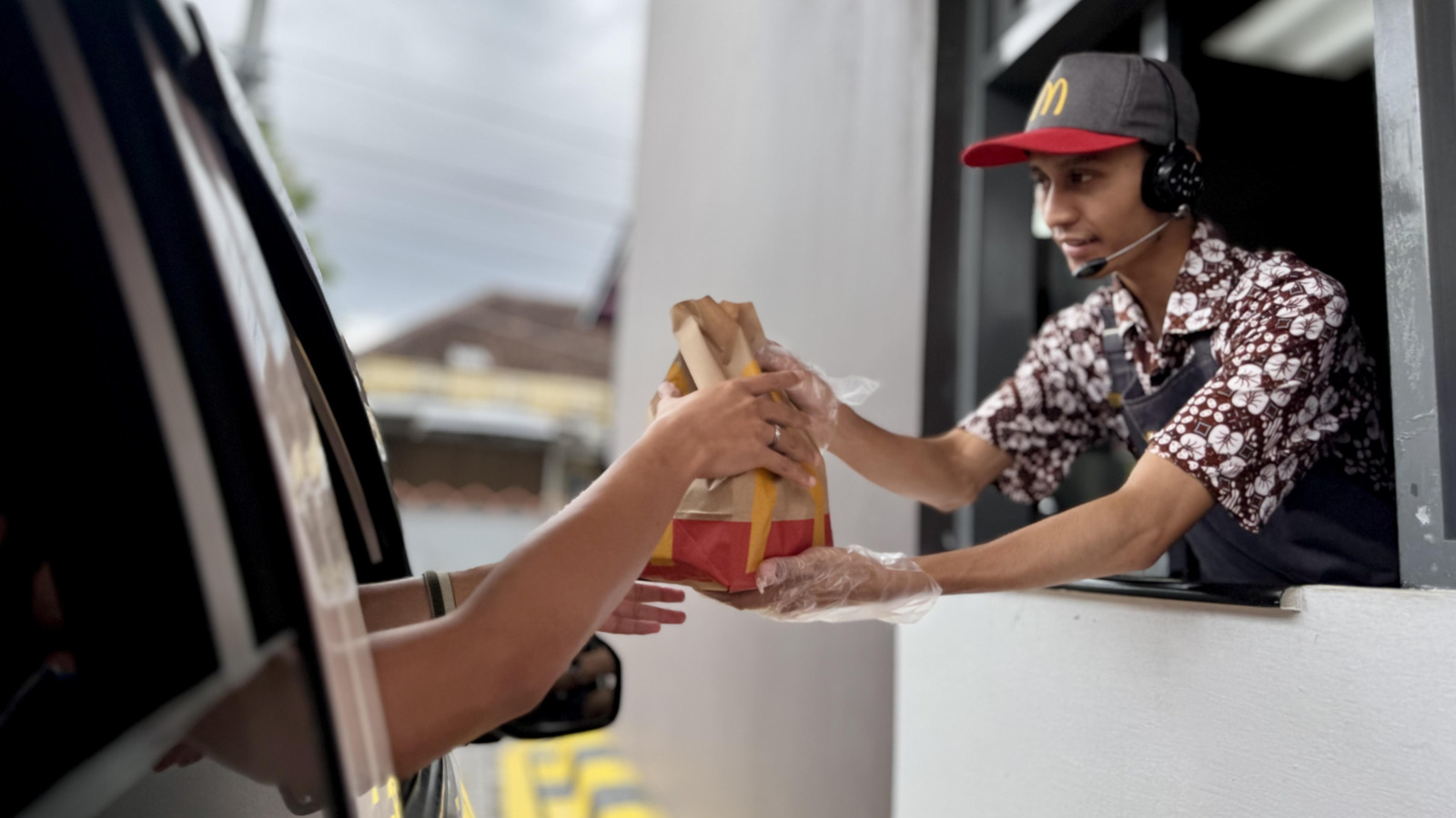
A comprehensive review of the most popular fast-food ordering tips circulating online reveals a fascinating shift in consumer behavior. Rather than accepting fast-food items at face value, contemporary diners are increasingly treating standardized menus as modular building blocks. By utilizing clever customizations—such as dressing budget burgers with premium toppings, swapping out breakfast components, or employing specific phrasing at the drive-thru—patrons are effectively bridging the gap between value and gourmet indulgence. Industry analysts note that these consumer-driven trends reflect a broader economic resilience, wherein customers seek affordable luxuries and personalized dining experiences without expanding their household budgets.
The Evolution of Digital Communities and Menu Customization
The proliferation of fast-food hacks is deeply tied to the rise of social media and dedicated online forums. Platforms like Reddit’s r/fastfood have transformed from simple discussion boards into collaborative laboratories where culinary enthusiasts test and validate off-menu modifications. Over the past several years, and particularly into 2026, these digital spaces have democratized insider knowledge once reserved for fast-food employees.
The timeline of these trends shows a clear progression from basic cost-saving measures—such as utilizing mobile app coupons—to complex, cross-brand culinary collaborations. Diners are no longer confined to the offerings of a single establishment. Instead, they are orchestrating multi-stop meals, pairing iconic items from competing chains to create entirely new flavor profiles. This cultural shift has not gone unnoticed by major restaurant corporations, many of which have adapted their point-of-sale systems and mobile applications to accommodate increasingly specific customer modifications. However, navigating this terrain requires a delicate balance of creativity, patience, and adherence to proper etiquette.
Mastering the Menu: Budget-Friendly Burger and Sandwich Hacks
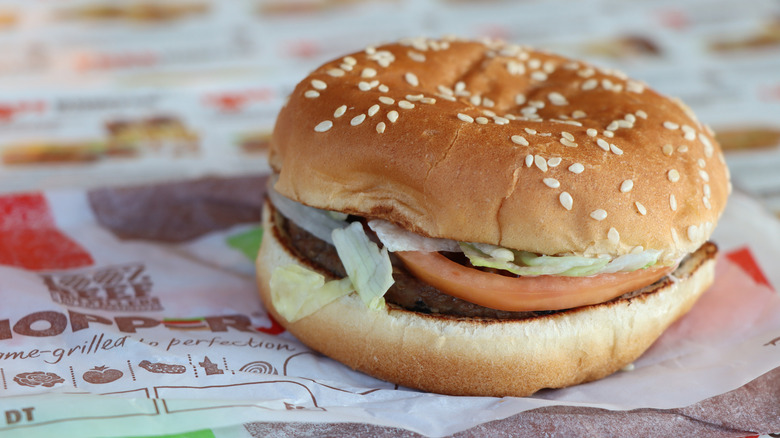
One of the most enduring financial strategies shared by fast-food patrons involves taking lower-priced baseline items and customizing them to mimic premium products. At Burger King, for instance, savvy customers have long recognized that ordering a standard, economy-priced hamburger and requesting it to be dressed like a Whopper Junior yields a remarkably similar flavor profile at a fraction of the cost. By simply asking for lettuce, tomatoes, pickles, onions, ketchup, and mayonnaise to be added to a basic patty, diners receive a generously dressed sandwich without paying the markup associated with specialty items.
A similar phenomenon occurs at McDonald’s, where the legendary "poor man’s Big Mac" continues to gain traction among budget-conscious consumers. By ordering a McDouble—which features two beef patties and a slice of cheese—with no ketchup and mustard, and subsequently asking for Mac sauce and shredded lettuce, customers capture the distinct flavor profile of the iconic Big Mac while bypassing its higher price tag. While this variation omits the central club bun, the economic savings and flavor replication make it a staple recommendation within online frugality circles.
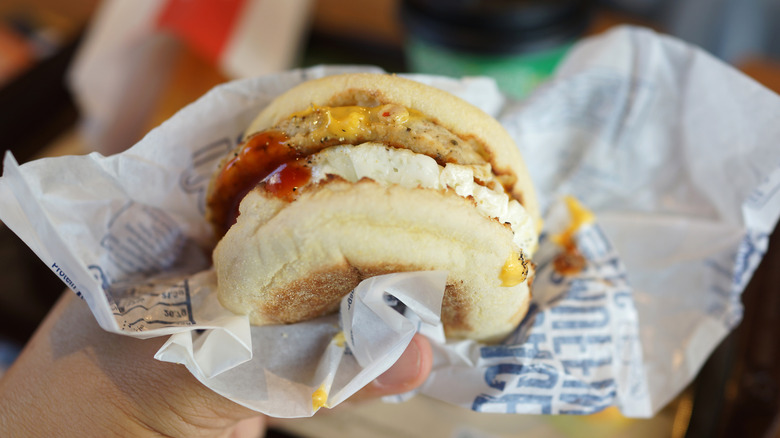
Beyond burgers, tactical modifications extend to breakfast and seafood menus. McDonald’s enthusiasts have popularized the practice of swapping out standard components to elevate their morning routine. For example, upgrading the Steak, Egg & Cheese sandwich from its traditional bagel carrier to a southern-style biscuit introduces a flakier texture and a richer taste profile that many online reviewers prefer. Similarly, adding McDonald’s signature Big Mac sauce to a Filet-O-Fish transforms the traditionally mild sandwich into a tangy, robust meal.
Securing Freshness and Quality Control
Beyond financial savings, a significant portion of online ordering advice focuses on optimizing food quality, particularly regarding temperature and texture. Fast-food items that sit under heat lamps or travel inside sealed delivery bags are notoriously susceptible to quality degradation. To combat this, consumers have popularized specific requests designed to force kitchen staff to prepare items fresh on the spot.
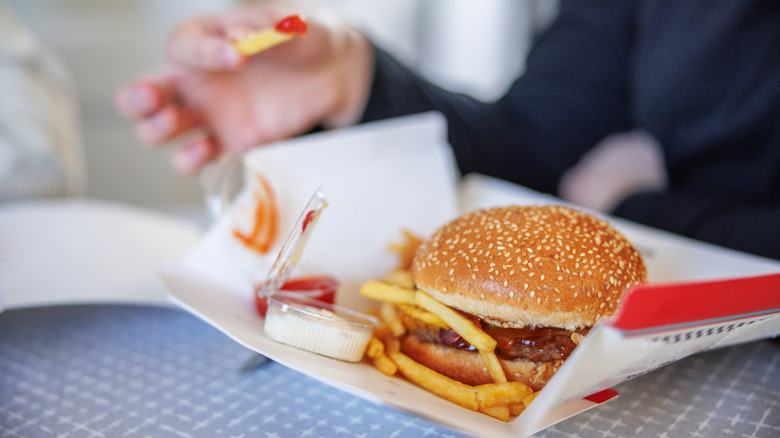
The most famous example of this technique is the "no salt" fry hack at McDonald’s. By requesting french fries prepared without salt, customers virtually guarantee themselves a fresh batch, as kitchen staff must clean the fry station and cook a dedicated portion to fulfill the order. Diners then apply salt packets to the piping-hot potatoes at their own table. While former employees note that this practice can occasionally slow down drive-thru assembly lines during peak hours, the resulting crispiness remains a powerful incentive for quality-focused patrons.
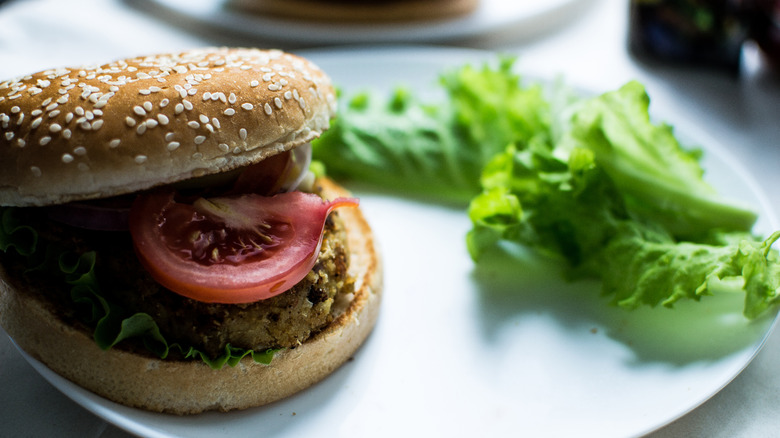
Temperature and structural integrity also dictate how toppings are handled. For instance, putting lettuce on a hot burger that is destined for a lengthy car ride can result in a wilted, unappealing vegetable that negatively alters the overall texture. Experienced diners frequently recommend asking for lettuce on the side—or omitting it entirely if immediate consumption is impossible—and reapplying it just before the first bite. At Taco Bell, asking for burritos to be grilled adds a vital structural dimension, crisping the exterior tortilla and sealing internal ingredients to prevent structural failure during transit.
Leveraging Mobile Applications and Cross-Brand Experimentation
The integration of proprietary mobile applications into daily dining habits has fundamentally altered how consumers interact with fast-food chains. Beyond offering convenience and loyalty rewards, these digital platforms serve as dynamic pricing engines. However, heavy users caution that app strategies require finesse. Discussions on consumer forums frequently highlight the tactic of staggering multiple accounts or allowing an account to remain dormant for periods, which often triggers automated promotional offers and aggressive discounts designed to lure inactive users back to the platform.
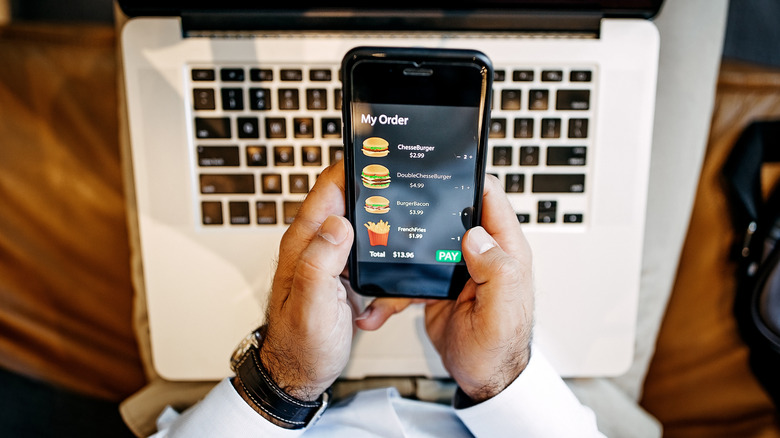
Within the apps themselves, unexpected features are sometimes repurposed for personalization. Some users have discovered that typing specific, lighthearted instructions or requests into the open text or name fields of digital orders can occasionally result in complimentary upgrades or memorable interactions with staff.
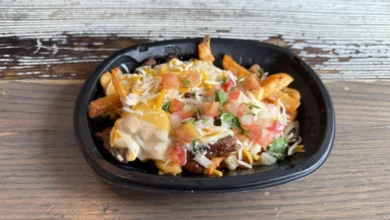
Meanwhile, adventurous eaters are increasingly breaking down the invisible walls between competing restaurant chains. This cross-pollination of flavors involves carrying proprietary sauces or sides between locations. Common combinations shared across social media include dipping McDonald’s french fries into specialty cheese sauces from convenience chains like 7-Eleven, drizzling Taco Bell’s fiery hot sauces over a Burger King Whopper, or combining Whataburger’s distinct honey butter chicken biscuit sauce with a competing chicken biscuit from Chick-fil-A. These multi-brand meals require advanced planning and portable condiments, but they offer an unprecedented level of culinary customization.
The Human Element: Etiquette and Operational Implications
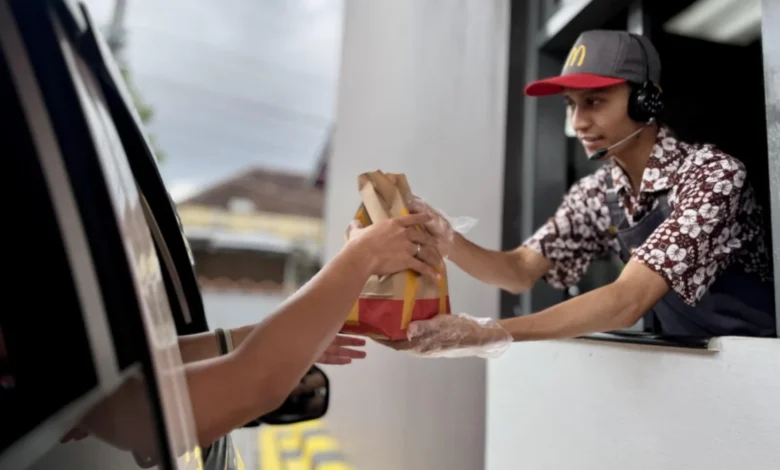
As these ordering tips transition from niche internet forums into mainstream behavior, industry observers emphasize the importance of maintaining positive human interactions at the counter or drive-thru window. Restaurant employees operate under strict performance metrics and time constraints, particularly during high-volume rush periods.
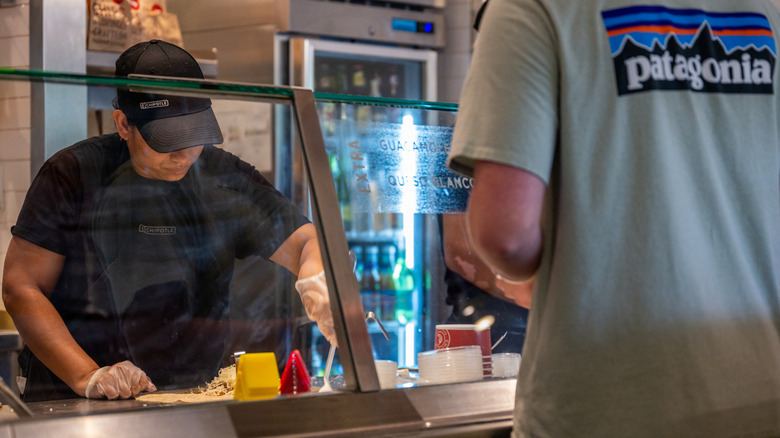
Culinary and hospitality experts stress that digital hacks should never come at the expense of basic courtesy. Asking for complex modifications, off-menu combinations, or fresh-cooked items is universally recognized as more successful when communicated clearly, politely, and during non-peak hours. Kitchen staff are far more likely to accommodate creative requests or execute precise custom orders when approached with patience rather than impatience. Furthermore, understanding that portion policies and pricing structures can vary significantly by franchise location helps manage customer expectations, preventing friction between diners and front-line workers.
Ultimately, the proliferation of fast-food ordering hacks in 2026 demonstrates a consumer base that values agency, value, and personalization. By treating menus as flexible frameworks rather than rigid decrees, diners continue to find innovative ways to elevate their everyday fast-food experiences.