Gut Microbes Hold the Key to Biological Aging, Revealing That Digestive Bacteria Account for 15% of How Fast the Human Body Ages

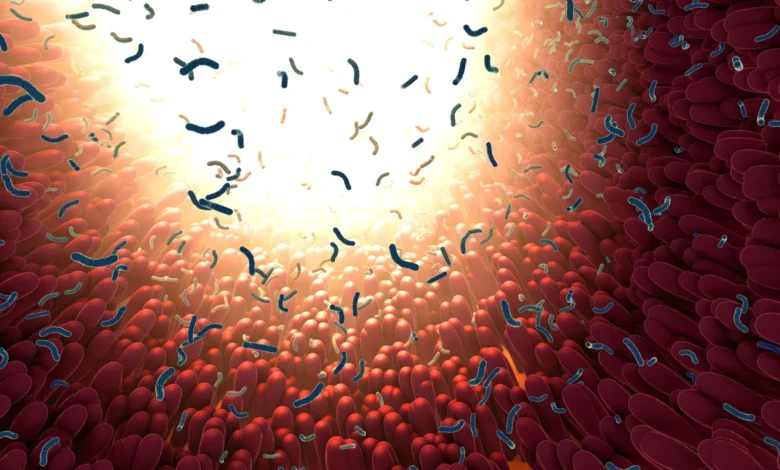
Scientists at the University of Hawaiʻi at Mānoa have uncovered a surprising and direct connection between the complex ecosystem of bacteria residing in the human gut and the rate at which the human body undergoes biological aging. In a study recently published in the peer-reviewed scientific journal Scientific Reports, researchers demonstrated that specific gut microorganisms are significantly correlated with a slower rate of biological aging, while others are closely tied to accelerated bodily deterioration.
The investigation revealed that variations in gut bacterial communities accounted for approximately 15 percent of the total variance observed in participants’ biological aging rates. This statistical finding suggests that the gut microbiome—the vast and dynamic community of trillions of bacteria, fungi, and viruses inhabiting the digestive tract—serves as a critical window into the molecular mechanisms of aging. By looking at the microscopic inhabitants of the digestive system, researchers may soon be able to decode complex physiological changes that occur deep within human tissues long before outward signs of aging become visible.
Main Facts and Study Design
To arrive at these findings, the research team at the University of Hawaiʻi at Mānoa examined comprehensive stool and blood samples collected from a diverse cohort of 123 adult participants spanning a wide age range. By sequencing the genetic material present in the stool samples, the scientists cataloged the specific bacterial species thriving in each participant’s gastrointestinal tract. They then compared these microbial profiles against advanced blood-based molecular markers designed to quantify the body’s true rate of biological aging.
It is critical to distinguish between chronological age, which simply measures the passage of calendar years since birth, and biological aging, which evaluates the functional condition of cells, tissues, and organ systems. Two individuals of the exact same chronological age can experience vastly different physiological states; one may possess the cellular resilience of a much younger person, while the other exhibits signs of accelerated internal wear and tear.
To measure this phenomenon accurately, the researchers utilized the DunedinPACE biomarker. Developed through longitudinal population studies, DunedinPACE is an advanced epigenetic clock that functions much like a biological speedometer, tracking the pace at which a person’s organ systems are deteriorating over time. The correlation between the composition of the gut microbiome and the DunedinPACE score provided researchers with a clear quantitative metric linking digestive health to the speed of systemic aging.
Among the myriad bacterial species identified in the study, a few stood out due to the strength of their statistical association with biological aging. Bifidobacterium adolescentis emerged as one of the microbes most robustly associated with slower biological aging. Widely recognized in nutritional science as a beneficial probiotic genus, Bifidobacterium species are frequently found in fermented foods and healthy human guts, where they help break down dietary carbohydrates, synthesize essential vitamins, and maintain the integrity of the intestinal mucosal barrier.
Conversely, the study found that Succinivibrio dextrinosolvens displayed one of the most pronounced associations with faster biological aging. While the presence of certain bacteria indicates a healthier metabolic profile, the proliferation of others may signal systemic inflammation, metabolic dysregulation, or a breakdown in gut barrier function—factors that are known contributors to accelerated aging and chronic age-related diseases.
Chronology and Context of Microbiome Research
The journey toward understanding the human microbiome has accelerated dramatically over the past two decades. For much of medical history, microorganisms residing in the human body were viewed primarily as pathogens to be eradicated with antibiotics and antiseptics. However, the launch of the National Institutes of Health’s Human Microbiome Project in 2007 fundamentally shifted this paradigm, revealing that humans are composite organisms functioning in symbiosis with trillions of microbial hitchhikers.
In the ensuing years, researchers began linking imbalances in the gut microbiome—known medically as dysbiosis—to a wide array of chronic conditions, including obesity, type 2 diabetes, inflammatory bowel disease, cardiovascular disorders, and even neurological conditions such as depression and Alzheimer’s disease. As aging research shifted focus from merely extending lifespan to maximizing healthspan—the number of years lived in good health—scientists naturally turned their attention to the gut.
The specific work conducted by the UH Mānoa team represents a critical milestone in this ongoing scientific evolution. By focusing specifically on the rate of biological aging as measured by epigenetic and molecular clocks, the researchers moved beyond correlation with isolated diseases and began mapping the microbiome’s influence on the foundational aging process itself.
Diverse Populations and Precision Health Implications
A notable strength of the University of Hawaiʻi at Mānoa study was its intentional inclusion of Native Hawaiian and Pacific Islander participants. Historically, indigenous populations and minority groups have been drastically underrepresented in biomedical research, including large-scale genomic and microbiome studies. This lack of representation has created significant blind spots in precision medicine, as therapies and diagnostic tools developed from homogenous cohorts may not accurately reflect the biological realities of diverse populations.
Co-author Ruben Juarez emphasized the sociological and biological significance of including these groups. The microbiome does not exist in a vacuum; it is heavily shaped by the environments people inhabit, the foods they have access to, and the chronic stressors they face throughout their lives.
"The microbiome exists at the intersection of behavior, environment and human biology," Juarez noted. By studying diverse populations, researchers can better investigate how social determinants of health—such as socioeconomic status, neighborhood environment, and cultural dietary traditions—leave lasting biological signatures over the course of a lifetime. This intersection of social experience and molecular biology is vital for developing public health interventions that address health disparities at the cellular level.
Lead author Braden P. Kunihiro added that the discovery makes a compelling case for the microbiome’s central role in precision health research. Precision health aims to move away from generalized medical advice and instead tailor wellness and treatment strategies to an individual’s unique biological makeup.
Unlike a person’s genetic code, which remains fixed from birth, the composition of the gut microbiome is fluid and remarkably responsive to daily life. Everything from dietary choices and physical activity levels to sleep patterns, stress, and environmental exposures can reshape the balance of microbes in the digestive tract. This malleability makes the microbiome an exceptionally promising target for future health interventions.
"The gut microbiome is highly responsive to lifestyle, diet, environment and other everyday exposures," Kunihiro explained. "Our findings suggest that the microbiome may reflect important aspects of biological resilience and aging in ways that could eventually help inform future wellness and healthy aging strategies."
Official Responses and Academic Perspectives
Senior author Alika K. Maunakea, a researcher at the UH Mānoa John A. Burns School of Medicine, highlighted the broader implications of the study for future longevity research. He stressed that the associations observed between microbial patterns and molecular aging metrics held true even after controlling for chronological age.
"This study advances our understanding of the relationship between the gut microbiome and biological aging," Maunakea stated. "We found that microbial patterns in the gut were significantly associated with molecular measures of aging, even independent of chronological age. These findings open important new directions for understanding how modifiable biological systems influence long-term health trajectories and longevity."
Despite the enthusiasm surrounding the findings, the researchers issued an important cautionary note regarding causality. The study establishes a clear statistical correlation between specific gut bacteria and the rate of biological aging, but it does not definitively prove that the microbes are directly causing those changes.
In scientific terms, correlation does not equal causation. It remains entirely possible that the internal environment of an aging or prematurely deteriorating body creates conditions that selectively favor certain types of bacteria over others, rather than the bacteria actively driving the aging process. Alternatively, an unmeasured third factor—such as chronic low-grade systemic inflammation or underlying genetic predispositions—might simultaneously alter the microbiome and accelerate biological aging.
To untangle these complex interactions, researchers acknowledge that future studies will be required. These will likely include longitudinal trials tracking individuals over extended periods, as well as mechanistic laboratory studies to determine whether deliberately manipulating the gut microbiome through targeted interventions can alter the trajectory of biological aging.
Broader Impact and Implications for Healthy Aging
The publication of these findings arrives at a critical juncture in global demographics. As populations around the world age rapidly, healthcare systems face unprecedented burdens from chronic, age-related illnesses. Strategies that can safely compress morbidity—shortening the period of life spent in poor health—have become a top priority for medical researchers and policymakers alike.
If subsequent research confirms a causal link between gut microbial communities and biological aging, the practical applications could be profound. Physicians and nutritionists could utilize routine microbiome profiling as a preventative diagnostic tool, identifying individuals whose microbial signatures suggest accelerated biological aging long before clinical symptoms appear.
Furthermore, interventions designed to optimize the gut microbiome could become standard components of anti-aging and preventative medicine. While fecal microbiota transplantation, precision probiotics, targeted prebiotics, and personalized dietary prescriptions are still being refined, they represent a future where managing the digestive tract is synonymous with managing whole-body longevity.
For now, the University of Hawaiʻi at Mānoa study provides a foundational roadmap for researchers seeking to decode the complex dialogues occurring between human biology and the trillions of microorganisms we host. As Maunakea concluded, this research marks an important early step toward unlocking the therapeutic potential of the gut. Future investigations will ultimately clarify the precise molecular mechanisms at play, determining whether microbial signatures can successfully be harnessed to promote long-term health, vitality, and human wellness.
Related posts: