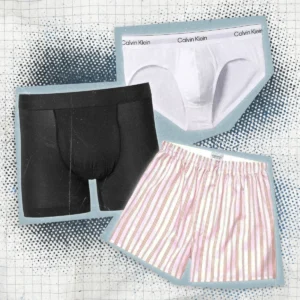
What Do You Wear To Bed: An Investigation Into Sleepwear Trends and Material Science

The selection of sleepwear has evolved from a matter of basic utility into a nuanced intersection of physiological health, textile technology, and consumer lifestyle preferences. As sleep science gains prominence in the public consciousness, the debate regarding what one wears to bed—ranging from complete nudity to elaborate, layered cotton sets—has moved beyond personal preference, inviting scrutiny from dermatologists, sleep experts, and textile analysts alike. While cultural norms have shifted significantly over the past century, the underlying requirement for thermal regulation and skin health remains the primary driver for the multi-billion dollar sleepwear industry.
The Evolution of Sleepwear Standards
Historically, the concept of "pajamas" was a luxury reserved for the affluent, with the vast majority of the population sleeping in undergarments or heavy linen nightshirts until the early 20th century. The term itself is derived from the Hindi pāy jāma, referring to loose-fitting trousers tied at the waist, a design that British colonials in India adopted before it became a Western household staple.
By the mid-20th century, the rise of synthetic fabrics—most notably polyester and nylon—transformed the market. These materials offered wrinkle resistance and low manufacturing costs, which led to a massive influx of mass-produced, non-breathable sleepwear. However, the 21st century has seen a sharp market correction. Modern consumers, increasingly educated on the importance of thermoregulation and the "sleep microclimate," are pivoting back toward natural fibers such as long-staple cotton, organic linen, and silk.
The Science of Thermal Regulation and Sleep Quality
Sleep experts have long identified thermoregulation as a critical factor in sleep onset and duration. The human body naturally undergoes a circadian drop in core temperature to initiate the sleep cycle. If sleepwear is constructed from synthetic, non-breathable materials, it can trap heat and moisture, effectively disrupting this natural cooling process.
According to data from the National Sleep Foundation, the optimal bedroom environment is approximately 65 degrees Fahrenheit (18 degrees Celsius). When the body is covered in moisture-wicking or breathable natural fibers, it assists the skin in dissipating heat. Conversely, polyester and other petroleum-based synthetics are hydrophobic; they do not absorb moisture effectively, leading to increased perspiration and potential skin irritation. Dermatologists frequently recommend 100% natural fibers for patients prone to eczema, contact dermatitis, or night sweats, noting that natural weaves allow for better airflow and prevent the accumulation of bacteria that thrive in moist, warm environments.
Industry Trends: The Return to Natural Fibers
The current retail landscape reflects a significant shift in consumer demand. Major apparel retailers, including J.Crew, Quince, and boutique brands like Petite Plume, have pivoted their inventory to emphasize "end-on-end" cotton, pointelle knits, and organic linen. This shift is not merely aesthetic; it is a response to the growing "wellness economy," where sleep hygiene is treated with the same rigor as nutrition or exercise.
Recent industry reports indicate that the organic cotton sleepwear segment has seen a compound annual growth rate (CAGR) of approximately 7.2% over the last three years. This growth is attributed to two factors: increased consumer awareness regarding the chemical processes involved in synthetic textile production, and a desire for "transitional" loungewear. Consumers are increasingly seeking garments that serve a dual purpose—sufficiently polished for a morning routine at home, yet comfortable enough for deep sleep.
The Nudity Debate: Physiological Perspectives
The argument for sleeping without garments, often cited by those who advocate for a complete removal of daily stressors, finds some support in clinical literature. Proponents argue that sleeping naked encourages "skin-to-skin" cooling and prevents the friction associated with seams, elastic waistbands, and cuffs.
From a physiological standpoint, skin-to-skin contact can also reduce cortisol levels and stimulate oxytocin, particularly in partners who co-sleep. However, researchers note that for those who suffer from excessive sweating, sleeping naked can cause moisture to pool between the skin and the bedding, potentially leading to hygiene issues if bed linens are not changed with increased frequency. Therefore, the choice between pajamas and nudity is often determined by the individual’s metabolic rate and the specific climate of their sleeping environment.
Chronology of Modern Sleepwear Shifts
- 1990s – 2005: The dominance of "fast fashion" sleepwear, characterized by cheap, high-density polyester blends and fleece.
- 2006 – 2015: The rise of "athleisure" begins to influence sleepwear, with soft, stretchy jersey knits replacing rigid cotton poplin.
- 2016 – 2022: A heightened focus on sustainable sourcing. Brands begin marketing "breathability" as a primary feature, emphasizing linen and organic cotton.
- 2023 – Present: The "sleep hygiene" movement takes hold. Specialized sleepwear—designed with flat-lock seams, tagless labels, and moisture-regulating natural weaves—becomes a standard offering in both luxury and mid-market tiers.
Broader Implications for Consumer Health
The implications of this shift extend beyond comfort. For the average consumer, the investment in high-quality sleepwear is increasingly viewed as an investment in sleep efficiency. Poor sleep quality is linked to a myriad of health issues, including hypertension, metabolic dysfunction, and cognitive impairment. While sleepwear alone cannot cure sleep disorders, it serves as a critical environmental variable.
Market analysts observe that the "premiumization" of sleepwear—where a single set may cost significantly more than a standard set—is a direct result of consumers prioritizing long-term durability. Natural fibers like linen, while initially more expensive, offer superior longevity compared to synthetics, which tend to pill and degrade after repeated wash cycles.
Future Outlook
As the intersection of textile engineering and health science continues to expand, the future of sleepwear likely lies in "smart" natural fibers. Researchers are currently investigating the use of cellulose-based fibers treated with non-toxic, temperature-regulating finishes that adapt to the body’s thermal fluctuations.
Ultimately, whether an individual chooses the loose fit of a linen set, the soft structure of a pointelle knit, or the simplicity of sleeping without clothing, the core requirement remains the same: the environment must facilitate a drop in core temperature and minimize physical irritation. As the market continues to evolve, the distinction between "day clothes" and "night clothes" will likely continue to blur, favoring garments that are sustainable, breathable, and designed to support the body’s most restorative function. For now, the consensus among experts remains clear: natural fibers are the gold standard for anyone seeking to optimize their nocturnal environment.